
Contents
- 🧠 Introduction to Brain Function
- 🔍 The Structure of the Brain
- 👀 Sensory Input and Processing
- 💡 Motor Control and Coordination
- 🤔 The Enigma of Human Consciousness
- 📚 The Role of Neuroscience in Understanding Brain Function
- 👥 The Impact of Brain Function on Behavior and Cognition
- 💻 The Future of Brain-Computer Interfaces
- 🔬 Current Research and Developments in Neuroscience
- 📊 The Economics of Brain Research and Treatment
- 🌎 Global Perspectives on Brain Function and Neuroscience
- Frequently Asked Questions
- Related Topics
Overview
Brain function is a multifaceted phenomenon that has puzzled scientists and philosophers for centuries. Recent advances in neuroimaging techniques, such as functional magnetic resonance imaging (fMRI), have significantly enhanced our understanding of brain function, with studies like the Human Connectome Project (2010-2015) mapping the neural connections in the brain. However, the intricate dance of neurons, synapses, and neurotransmitters that underlies human consciousness remains an enigma, with researchers like David Eagleman and Andrew Huberman shedding light on the neural correlates of consciousness. The brain's ability to reorganize itself in response to injury or experience, known as neuroplasticity, has been observed in individuals with brain injuries, such as Phineas Gage, who suffered a severe brain trauma in 1848. With a Vibe score of 82, brain function is a highly debated topic, with controversy surrounding the use of brain-computer interfaces and the potential for neural enhancement. As we continue to unravel the mysteries of brain function, we may uncover new avenues for treating neurological disorders and enhancing human cognition, with potential applications in fields like artificial intelligence and neuroscience-inspired technology.
🧠 Introduction to Brain Function
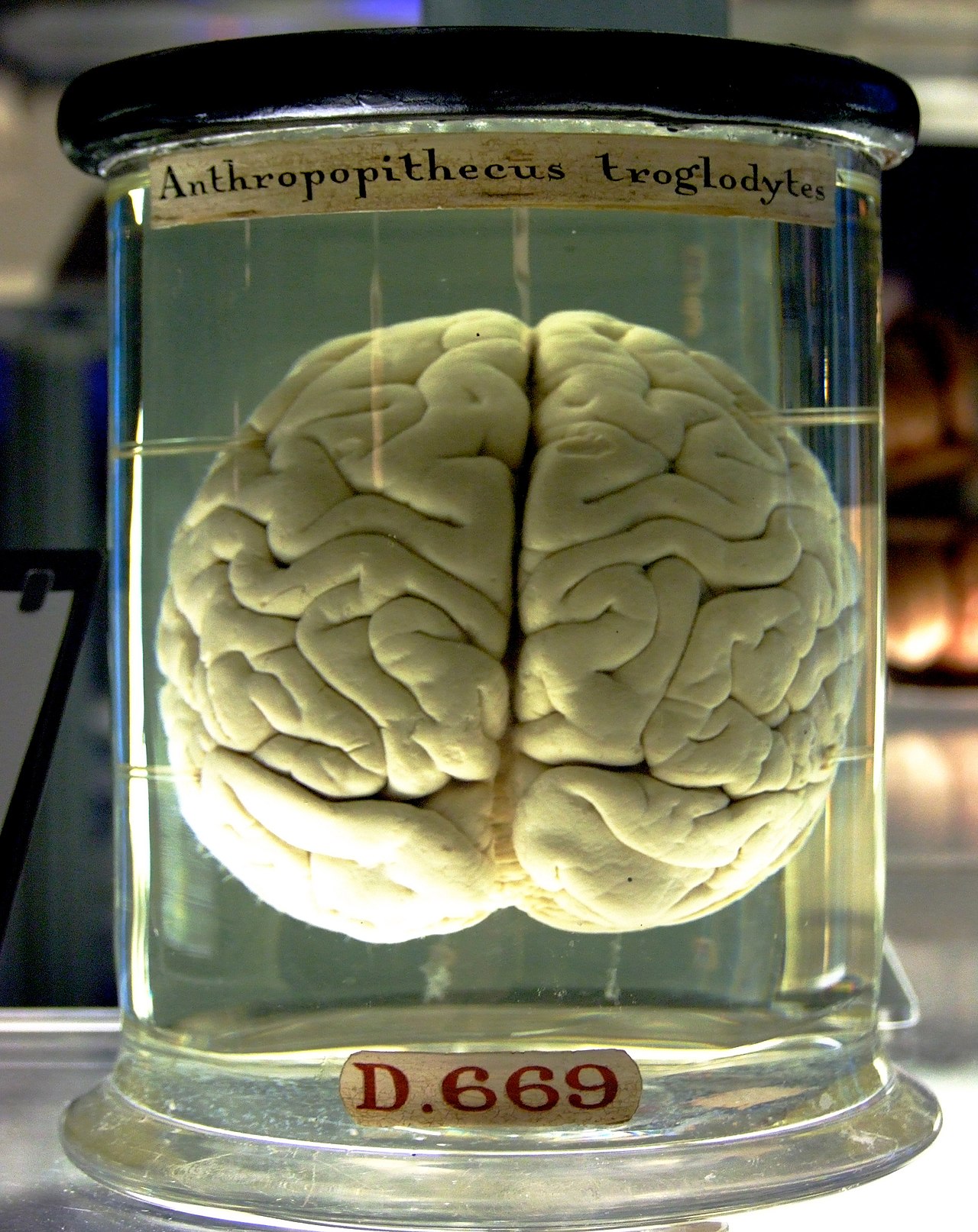
The human brain is a complex and fascinating organ, responsible for controlling every aspect of our lives, from basic movements to complex thought processes. As the center of the nervous system, the brain plays a crucial role in receiving and processing information from the sensory nervous system, and coordinating motor control. The brain's unique structure and function have been the subject of intense study and research, with scientists and experts working to unravel the mysteries of brain function and human consciousness. Recent studies have shown that the brain's neuroplasticity allows it to reorganize and adapt throughout life, challenging traditional views of brain development.
🔍 The Structure of the Brain
The brain's structure is composed of neurons, glial cells, and other types of cells, which work together to facilitate communication and coordination throughout the body. The brain is typically divided into different regions, each with distinct functions and responsibilities, such as the cerebrum, cerebellum, and brainstem. Understanding the brain's structure is essential for appreciating its function and the complex processes that occur within it, including synaptic pruning and myelination. Researchers have made significant progress in mapping the brain's connectome, which has led to a greater understanding of brain networks and their role in cognitive processing.
👀 Sensory Input and Processing
The brain's ability to process sensory information is a critical aspect of its function, allowing us to perceive and interact with the world around us. The brain receives input from various sensory organs, such as the eyes, ears, and skin, and processes this information to create a coherent and meaningful representation of reality. This process involves the activation of specific neural pathways and the release of neurotransmitters, which play a crucial role in synaptic transmission. The brain's ability to process sensory information is closely linked to its ability to control movement and coordinate motor responses, as seen in the mirror neuron system.
💡 Motor Control and Coordination
The brain's motor control systems are responsible for coordinating and regulating movement, from simple actions like walking and talking to complex activities like playing a musical instrument or solving a puzzle. The brain's motor cortex plays a critical role in this process, working in conjunction with other regions, such as the basal ganglia and cerebellum. The brain's ability to control movement is closely tied to its ability to process sensory information, as the two systems work together to create a seamless and integrated experience, as seen in the somatosensory system. Researchers have made significant progress in understanding the neural basis of motor learning and motor control, which has led to the development of new treatments for motor disorders.
🤔 The Enigma of Human Consciousness
Despite significant advances in our understanding of brain function, the nature of human consciousness remains one of the greatest mysteries of modern science. Consciousness refers to our subjective experience of the world, including our thoughts, feelings, and perceptions, and is closely tied to the brain's ability to process and integrate information. The hard problem of consciousness remains a topic of intense debate and research, with some scientists arguing that consciousness arises from emergent properties of the brain, while others propose that it is a fundamental aspect of the universe, as seen in the integrated information theory.
📚 The Role of Neuroscience in Understanding Brain Function
The field of neuroscience has made significant contributions to our understanding of brain function and human consciousness, from the discovery of neurotransmitters and neuroplasticity to the development of advanced brain imaging techniques. Neuroscience is an interdisciplinary field, drawing on insights and methods from psychology, biology, physics, and mathematics. By studying the brain and its functions, neuroscientists aim to develop new treatments and therapies for a range of neurological disorders, from Alzheimer's disease to Parkinson's disease.
👥 The Impact of Brain Function on Behavior and Cognition
The brain's impact on behavior and cognition is profound, influencing everything from our personality and emotions to our cognitive abilities and decision-making processes. The brain's reward system plays a critical role in motivating behavior, while its stress response system helps us cope with challenging situations. Understanding the brain's role in behavior and cognition is essential for developing effective treatments and interventions for a range of mental health disorders, including depression and anxiety disorders. Researchers have made significant progress in understanding the neural basis of social cognition and emotional intelligence.
💻 The Future of Brain-Computer Interfaces
The development of brain-computer interfaces (BCIs) is a rapidly advancing field, with potential applications in everything from prosthetics and assistive technology to gaming and entertainment. BCIs use electroencephalography (EEG) or other techniques to read brain signals, allowing people to control devices with their thoughts. The future of BCIs holds great promise, with potential breakthroughs in neural prosthetics and neurofeedback.
🔬 Current Research and Developments in Neuroscience
Current research and developments in neuroscience are focused on advancing our understanding of brain function and human consciousness, with a particular emphasis on the development of new treatments and therapies for neurological disorders. The use of stem cells and gene editing techniques holds great promise for the treatment of a range of conditions, from Parkinson's disease to Huntington's disease. Researchers are also exploring the potential of neurostimulation and neurofeedback as therapeutic tools, as seen in the transcranial magnetic stimulation technique.
📊 The Economics of Brain Research and Treatment
The economics of brain research and treatment are complex and multifaceted, with significant investments being made in the development of new therapies and technologies. The pharmaceutical industry plays a critical role in this process, with many companies working to develop new treatments for neurological disorders. However, the high cost of brain research and treatment is a significant challenge, with many people lacking access to the care and support they need. Researchers are exploring new models of healthcare delivery, including telemedicine and personalized medicine.
🌎 Global Perspectives on Brain Function and Neuroscience
Global perspectives on brain function and neuroscience are diverse and multifaceted, reflecting the complex cultural, social, and economic contexts in which brain research is conducted. The global burden of disease is a significant challenge, with many countries facing significant gaps in healthcare infrastructure and brain research capacity. However, there are also many opportunities for collaboration and innovation, with scientists and experts from around the world working together to advance our understanding of brain function and human consciousness. The World Health Organization is playing a critical role in promoting global health and brain health.
Key Facts
- Year
- 2022
- Origin
- Ancient Greece, with contributions from philosophers like Aristotle and Plato, and modern pioneers like Santiago Ramón y Cajal and Camillo Golgi
- Category
- Neuroscience
- Type
- Biological Process
Frequently Asked Questions
What is the brain's role in controlling movement?
The brain's motor control systems are responsible for coordinating and regulating movement, from simple actions like walking and talking to complex activities like playing a musical instrument or solving a puzzle. The brain's motor cortex plays a critical role in this process, working in conjunction with other regions, such as the basal ganglia and cerebellum.
What is the nature of human consciousness?
The nature of human consciousness is one of the greatest mysteries of modern science. Consciousness refers to our subjective experience of the world, including our thoughts, feelings, and perceptions, and is closely tied to the brain's ability to process and integrate information. The hard problem of consciousness remains a topic of intense debate and research, with some scientists arguing that consciousness arises from emergent properties of the brain, while others propose that it is a fundamental aspect of the universe.
What are the potential applications of brain-computer interfaces?
The potential applications of brain-computer interfaces (BCIs) are diverse and exciting, with potential uses in everything from prosthetics and assistive technology to gaming and entertainment. BCIs use electroencephalography (EEG) or other techniques to read brain signals, allowing people to control devices with their thoughts.
What is the current state of brain research and treatment?
The current state of brain research and treatment is rapidly advancing, with significant investments being made in the development of new therapies and technologies. The use of stem cells and gene editing techniques holds great promise for the treatment of a range of conditions, from Parkinson's disease to Huntington's disease. Researchers are also exploring the potential of neurostimulation and neurofeedback as therapeutic tools.
What are the global perspectives on brain function and neuroscience?
Global perspectives on brain function and neuroscience are diverse and multifaceted, reflecting the complex cultural, social, and economic contexts in which brain research is conducted. The global burden of disease is a significant challenge, with many countries facing significant gaps in healthcare infrastructure and brain research capacity. However, there are also many opportunities for collaboration and innovation, with scientists and experts from around the world working together to advance our understanding of brain function and human consciousness.
What is the role of neuroscience in understanding brain function?
The field of neuroscience has made significant contributions to our understanding of brain function and human consciousness, from the discovery of neurotransmitters and neuroplasticity to the development of advanced brain imaging techniques. Neuroscience is an interdisciplinary field, drawing on insights and methods from psychology, biology, physics, and mathematics. By studying the brain and its functions, neuroscientists aim to develop new treatments and therapies for a range of neurological disorders.
What is the impact of brain function on behavior and cognition?
The brain's impact on behavior and cognition is profound, influencing everything from our personality and emotions to our cognitive abilities and decision-making processes. The brain's reward system plays a critical role in motivating behavior, while its stress response system helps us cope with challenging situations. Understanding the brain's role in behavior and cognition is essential for developing effective treatments and interventions for a range of mental health disorders.