
Contents
- 🎵 Origins & History
- ⚙️ How It Works
- 📊 Key Facts & Numbers
- 👥 Key People & Organizations
- 🌍 Cultural Impact & Influence
- ⚡ Current State & Latest Developments
- 🤔 Controversies & Debates
- 🔮 Future Outlook & Predictions
- 💡 Practical Applications
- 📚 Related Topics & Deeper Reading
- Frequently Asked Questions
- References
- Related Topics
Overview
Neurotransmitters are signaling molecules secreted by neurons to communicate with other cells across synapses, playing a crucial role in regulating various physiological and psychological processes. With over 100 identified neurotransmitters, these chemical messengers are essential for the functioning of complex neural systems. Neurotransmitters such as glutamate, GABA, acetylcholine, glycine, and dopamine are synthesized from amino acids and interact with specific receptors on target cells to produce a wide range of effects. Dysregulation of neurotransmitters has been implicated in various neurological and psychiatric disorders, including depression, anxiety, and Parkinson's disease. Research on neurotransmitters continues to advance our understanding of brain function and behavior, with potential applications in the development of novel therapeutic strategies. According to the National Institute of Mental Health (NIMH), imbalances in neurotransmitters can significantly impact mental health, highlighting the importance of continued research in this field. The Mayo Clinic notes that neurotransmitters play a key role in regulating mood, appetite, and sleep, among other functions. As our understanding of neurotransmitters evolves, we may uncover new avenues for treating neurological and psychiatric conditions, as discussed by experts like Dr. David Suzuki and organizations such as the World Health Organization (WHO).
🎵 Origins & History
The concept of neurotransmitters dates back to the early 20th century, when scientists like Otto Loewi and Henry Hallett Dale first discovered the role of chemical messengers in neural communication. The term 'neurotransmitter' was coined in the 1960s, and since then, our understanding of these molecules has expanded significantly. Today, we know that neurotransmitters are synthesized from amino acids and other precursors, and that they interact with specific receptors on target cells to produce a wide range of effects. For example, the neurotransmitter dopamine plays a key role in regulating movement, motivation, and reward processing, as discussed by researchers at the National Institutes of Health (NIH).
⚙️ How It Works
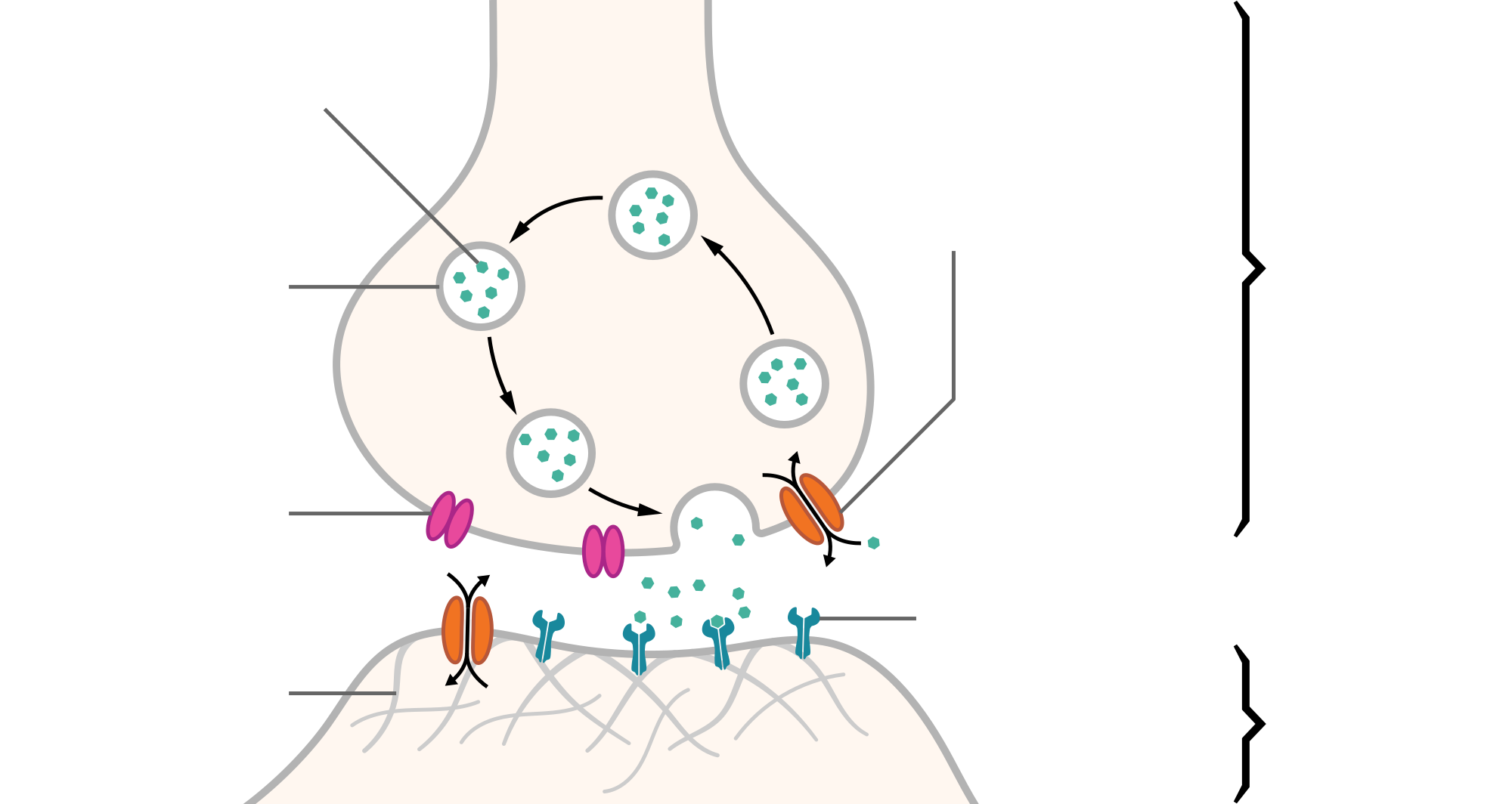
Neurotransmitters are released from synaptic vesicles into the synaptic cleft, where they bind to specific receptors on the target cell. This binding process triggers a cascade of downstream effects, which can either excite or inhibit the target cell. The exact mechanism of neurotransmitter action is complex and involves multiple molecular players, including receptors, ion channels, and signaling pathways. Researchers at the University of California have made significant contributions to our understanding of neurotransmitter signaling pathways. The neurotransmitter serotonin, for instance, plays a crucial role in regulating mood, appetite, and sleep, and is often targeted by medications like selective serotonin reuptake inhibitors (SSRIs).
📊 Key Facts & Numbers
There are over 100 identified neurotransmitters, each with unique functions and mechanisms of action. Some of the most well-known neurotransmitters include glutamate, GABA, acetylcholine, glycine, and dopamine. These molecules play critical roles in regulating various physiological and psychological processes, including movement, mood, appetite, and sleep. According to the World Health Organization (WHO), imbalances in neurotransmitters can have significant impacts on mental health. For example, dysregulation of serotonin has been implicated in depression, while imbalances in dopamine have been linked to schizophrenia. The Mayo Clinic notes that neurotransmitters play a key role in regulating mood, appetite, and sleep, among other functions.
👥 Key People & Organizations
Key people and organizations have made significant contributions to our understanding of neurotransmitters. Researchers like Eric Kandel and Arvid Carlsson have been awarded the Nobel Prize for their work on neurotransmitters and neural signaling. Organizations like the National Institute of Mental Health (NIMH) and the World Health Organization (WHO) have also played critical roles in advancing our understanding of neurotransmitters and their role in human health. The American Psychological Association (APA) has published numerous studies on the role of neurotransmitters in mental health. Additionally, companies like Pfizer and Merck have developed medications that target neurotransmitter systems, such as selective serotonin reuptake inhibitors (SSRIs).
🌍 Cultural Impact & Influence
Neurotransmitters have had a significant cultural impact, influencing our understanding of human behavior and mental health. The concept of neurotransmitters has been featured in popular media, including films like The Bourne Series and Limitless. Neurotransmitters have also been the subject of numerous books and documentaries, including The Tell-Tale Brain by V.S. Ramachandran. The New York Times has published numerous articles on the role of neurotransmitters in mental health. Furthermore, neurotransmitters have been the focus of various art projects, such as the Neurotransmitter Art Project, which aims to raise awareness about the importance of neurotransmitters in human health.
⚡ Current State & Latest Developments
Current research on neurotransmitters is focused on understanding their role in various neurological and psychiatric disorders. Studies have shown that dysregulation of neurotransmitters can contribute to conditions like depression, anxiety, and Parkinson's disease. Researchers are also exploring the potential of neurotransmitter-based therapies, including medications that target specific neurotransmitter systems. For example, deep brain stimulation has been shown to be effective in treating Parkinson's disease by modulating dopamine release. The Food and Drug Administration (FDA) has approved several medications that target neurotransmitter systems, including selective serotonin reuptake inhibitors (SSRIs).
🤔 Controversies & Debates
Despite the significant progress made in understanding neurotransmitters, there are still many controversies and debates in the field. One of the main controversies surrounds the use of medications that target neurotransmitter systems, such as antidepressants and antipsychotics. Some researchers argue that these medications can have significant side effects and may not be effective for all patients. Others argue that the benefits of these medications outweigh the risks and that they can be a valuable tool in treating mental health disorders. The National Alliance on Mental Illness (NAMI) has published numerous reports on the effectiveness of medications that target neurotransmitter systems. Additionally, there is ongoing debate about the role of neurotransmitters in mental health, with some researchers arguing that they play a critical role in regulating mood and behavior, while others argue that their role is more complex and multifaceted.
🔮 Future Outlook & Predictions
The future of neurotransmitter research is exciting and holds much promise. Advances in technology, such as brain-computer interfaces and neuroimaging, are allowing researchers to study neurotransmitters in greater detail than ever before. Additionally, the development of new medications and therapies that target specific neurotransmitter systems is ongoing. For example, researchers are exploring the potential of ketamine as a treatment for depression, which has been shown to rapidly increase glutamate release in the brain. The National Institutes of Health (NIH) has funded numerous studies on the development of new medications that target neurotransmitter systems.
💡 Practical Applications
Neurotransmitters have many practical applications in fields such as medicine, psychology, and neuroscience. Understanding how neurotransmitters work and how they are regulated can help researchers develop new treatments for neurological and psychiatric disorders. Additionally, knowledge of neurotransmitters can inform the development of new medications and therapies that target specific neurotransmitter systems. For example, cognitive-behavioral therapy (CBT) has been shown to be effective in treating depression by modifying serotonin release in the brain. The American Psychological Association (APA) has published numerous reports on the effectiveness of CBT in treating mental health disorders.
Key Facts
- Year
- 1960s
- Origin
- Neuroscience and Psychology
- Category
- mental-health
- Type
- concept
Frequently Asked Questions
What are neurotransmitters?
Neurotransmitters are chemical messengers that play a crucial role in regulating various physiological and psychological processes. They are released by neurons and bind to specific receptors on target cells, producing a wide range of effects. For example, the neurotransmitter dopamine plays a key role in regulating movement, motivation, and reward processing, as discussed by researchers at the National Institutes of Health (NIH).
How do neurotransmitters work?
Neurotransmitters are released from synaptic vesicles into the synaptic cleft, where they bind to specific receptors on the target cell. This binding process triggers a cascade of downstream effects, which can either excite or inhibit the target cell. The exact mechanism of neurotransmitter action is complex and involves multiple molecular players, including receptors, ion channels, and signaling pathways. Researchers at the University of California have made significant contributions to our understanding of neurotransmitter signaling pathways.
What are some common neurotransmitters?
Some of the most well-known neurotransmitters include glutamate, GABA, acetylcholine, glycine, and dopamine. These molecules play critical roles in regulating various physiological and psychological processes, including movement, mood, appetite, and sleep. According to the World Health Organization (WHO), imbalances in neurotransmitters can have significant impacts on mental health.
How do neurotransmitters relate to mental health?
Dysregulation of neurotransmitters can contribute to neurological and psychiatric disorders, including depression, anxiety, and Parkinson's disease. Understanding how neurotransmitters work and how they are regulated can provide insights into the neural mechanisms underlying these disorders. Additionally, knowledge of neurotransmitters can inform the development of new treatments for mental health disorders, such as cognitive-behavioral therapy (CBT) and medications that target specific neurotransmitter systems.
What are some potential applications of neurotransmitter research?
Neurotransmitter research has many practical applications in fields such as medicine, psychology, and neuroscience. Understanding how neurotransmitters work and how they are regulated can help researchers develop new treatments for neurological and psychiatric disorders. Additionally, knowledge of neurotransmitters can inform the development of new medications and therapies that target specific neurotransmitter systems. For example, deep brain stimulation has been shown to be effective in treating Parkinson's disease by modulating dopamine release in the brain.
How do neurotransmitters relate to other concepts in neuroscience?
Neurotransmitters are related to a wide range of topics, including neuroplasticity, synaptic pruning, and neurogenesis. Understanding how neurotransmitters work and how they are regulated can provide insights into the neural mechanisms underlying these processes. Additionally, knowledge of neurotransmitters can inform the development of new treatments for neurological and psychiatric disorders, such as Alzheimer's disease and Parkinson's disease.
What are some current debates and controversies in the field of neurotransmitters?
Despite the significant progress made in understanding neurotransmitters, there are still many controversies and debates in the field. One of the main controversies surrounds the use of medications that target neurotransmitter systems, such as antidepressants and antipsychotics. Some researchers argue that these medications can have significant side effects and may not be effective for all patients. Others argue that the benefits of these medications outweigh the risks and that they can be a valuable tool in treating mental health disorders.
How do neurotransmitters relate to brain function and behavior?
Neurotransmitters play a critical role in regulating various physiological and psychological processes, including movement, mood, appetite, and sleep. Dysregulation of neurotransmitters can contribute to neurological and psychiatric disorders, including depression, anxiety, and Parkinson's disease. Understanding how neurotransmitters work and how they are regulated can provide insights into the neural mechanisms underlying these disorders. Additionally, knowledge of neurotransmitters can inform the development of new treatments for mental health disorders, such as cognitive-behavioral therapy (CBT) and medications that target specific neurotransmitter systems.
What are some potential future developments in the field of neurotransmitters?
The future of neurotransmitter research is exciting and holds much promise. Advances in technology, such as brain-computer interfaces and neuroimaging, are allowing researchers to study neurotransmitters in greater detail than ever before. Additionally, the development of new medications and therapies that target specific neurotransmitter systems is ongoing. For example, researchers are exploring the potential of ketamine as a treatment for depression, which has been shown to rapidly increase glutamate release in the brain.
How do neurotransmitters relate to other fields of study, such as psychology and medicine?
Neurotransmitters are related to a wide range of topics, including psychology, medicine, and neuroscience. Understanding how neurotransmitters work and how they are regulated can provide insights into the neural mechanisms underlying various physiological and psychological processes. Additionally, knowledge of neurotransmitters can inform the development of new treatments for neurological and psychiatric disorders, such as cognitive-behavioral therapy (CBT) and medications that target specific neurotransmitter systems.