
Contents
- 🔍 Introduction to Motor Control
- 🧠 The Neuroscience of Motor Control
- 🤖 Robotics and Motor Control
- 👥 Voluntary and Involuntary Movements
- 💡 The Role of Muscle Memory in Motor Control
- 🔀 Reflexes and Taxes: Involuntary Movements
- 📊 The Mathematics of Motor Control
- 🔍 Case Studies in Motor Control
- 🤝 The Intersection of Motor Control and Neuroscience
- 🚀 Future Directions in Motor Control Research
- 📚 Conclusion and Further Reading
- 👾 Applications of Motor Control in Robotics
- Frequently Asked Questions
- Related Topics
Overview
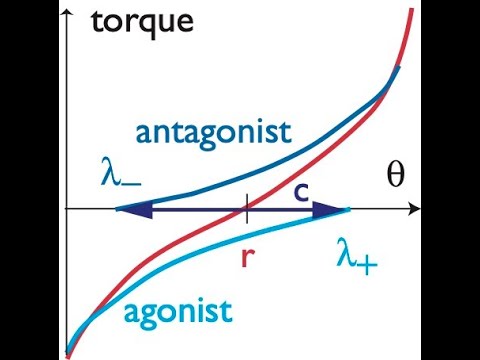
Motor control is a multifaceted field that encompasses the study of how the brain, nervous system, and muscles interact to produce movement. Researchers like Dr. Emilio Bizzi and Dr. John Krakauer have made significant contributions to our understanding of motor control, including the development of theories such as the equilibrium point hypothesis. The field has also seen significant advancements in the development of prosthetic limbs and exoskeletons, with companies like Boston Dynamics and BrainGate pioneering new technologies. However, despite these advancements, there is still much to be learned about the intricacies of motor control, particularly in regards to the complex interplay between neural signals and muscle movement. As the field continues to evolve, we can expect to see new breakthroughs in areas such as neuroprosthetics and robotic rehabilitation. With a vibe rating of 8, motor control is an exciting and rapidly evolving field that holds great promise for improving human movement and quality of life.
🔍 Introduction to Motor Control
Motor control is a complex process that involves the regulation of movements in organisms with a nervous system. This includes Neuroscience and Robotics aspects, as well as the study of Muscle Memory and Reflexes. The field of motor control is highly interdisciplinary, drawing on insights from Biology, Psychology, and Engineering. Researchers in this field seek to understand how the nervous system coordinates and regulates movement, from simple reflexes to complex voluntary actions. For example, the study of Motor Neurons has shed light on the neural mechanisms underlying movement. Additionally, the development of Brain-Computer Interfaces has enabled new possibilities for motor control in Prosthetics and other applications.
🧠 The Neuroscience of Motor Control
The neuroscience of motor control is a rapidly evolving field, with new discoveries being made regularly. One key area of research is the study of Neural Plasticity, which refers to the brain's ability to reorganize itself in response to injury or experience. This has important implications for the development of Rehabilitation therapies for individuals with motor disorders. Furthermore, the study of Neurotransmitters such as Dopamine and Serotonin has shed light on the neural mechanisms underlying movement. Researchers are also exploring the use of Neurostimulation techniques, such as Transcranial Magnetic Stimulation, to modulate motor function. The work of Neuroscientists like Edward Taube has been instrumental in advancing our understanding of motor control.
🤖 Robotics and Motor Control
Robotics and motor control are closely intertwined, as robots rely on sophisticated motor control systems to perform complex tasks. The development of Robotic Arms and Robotic Legs has enabled robots to interact with their environment in a more human-like way. Researchers in this field are working to develop more advanced Control Systems that can mimic the flexibility and adaptability of human movement. This involves the use of Machine Learning algorithms and Sensorimotor Integration techniques. For example, the development of Robotic Exoskeletons has enabled individuals with motor disorders to walk and move with greater ease. The work of Roboticists like Honda has been instrumental in advancing the field of robotics and motor control.
👥 Voluntary and Involuntary Movements
Voluntary and involuntary movements are two distinct types of movement that are regulated by different neural mechanisms. Voluntary movements, such as walking or reaching, are controlled by the Cerebral Cortex and Basal Ganglia. In contrast, involuntary movements, such as reflexes and taxes, are controlled by the Brainstem and Spinal Cord. Researchers are working to understand the neural mechanisms underlying these different types of movement, with the goal of developing more effective treatments for motor disorders. For example, the study of Parkinson's Disease has shed light on the neural mechanisms underlying voluntary movement. Additionally, the development of Brain-Machine Interfaces has enabled new possibilities for voluntary movement in individuals with motor disorders.
💡 The Role of Muscle Memory in Motor Control
Muscle memory plays a critical role in motor control, as it enables the nervous system to automate complex movements and free up cognitive resources for other tasks. The development of muscle memory involves the formation of new Synaptic Connections between neurons, as well as changes in the strength and efficacy of existing connections. Researchers are working to understand the neural mechanisms underlying muscle memory, with the goal of developing more effective training protocols for athletes and individuals with motor disorders. For example, the study of Sports Science has shed light on the role of muscle memory in athletic performance. Additionally, the development of Rehabilitation Protocols has enabled individuals with motor disorders to recover more quickly and effectively.
🔀 Reflexes and Taxes: Involuntary Movements
Reflexes and taxes are two types of involuntary movement that are essential for maintaining posture, balance, and movement. Reflexes are automatic responses to specific stimuli, such as the withdrawal of a hand from a hot surface. Taxes, on the other hand, are more complex movements that involve the coordination of multiple muscles and joints. Researchers are working to understand the neural mechanisms underlying these movements, with the goal of developing more effective treatments for motor disorders. For example, the study of Cerebellar Ataxia has shed light on the neural mechanisms underlying reflexes and taxes. Additionally, the development of Physical Therapy protocols has enabled individuals with motor disorders to improve their balance and coordination.
📊 The Mathematics of Motor Control
The mathematics of motor control is a complex and rapidly evolving field, with new discoveries being made regularly. Researchers are using advanced mathematical techniques, such as Dynamical Systems theory and Control Theory, to model and analyze the neural mechanisms underlying movement. This involves the use of Computer Simulations and Machine Learning algorithms to predict and optimize motor performance. For example, the development of Musculoskeletal Models has enabled researchers to simulate the movement of complex systems, such as the human arm. Additionally, the study of Neural Oscillations has shed light on the neural mechanisms underlying movement.
🔍 Case Studies in Motor Control
Case studies in motor control have provided valuable insights into the neural mechanisms underlying movement. For example, the study of individuals with Stroke or Spinal Cord Injury has shed light on the role of the Brain and Spinal Cord in motor control. Additionally, the development of Rehabilitation Protocols has enabled individuals with motor disorders to recover more quickly and effectively. Researchers are also using Brain-Computer Interfaces to restore motor function in individuals with paralysis or other motor disorders. The work of Researchers like John Hopkins has been instrumental in advancing our understanding of motor control.
🤝 The Intersection of Motor Control and Neuroscience
The intersection of motor control and neuroscience is a rapidly evolving field, with new discoveries being made regularly. Researchers are working to understand the neural mechanisms underlying movement, from the level of individual neurons to the level of complex systems. This involves the use of advanced techniques, such as Functional Magnetic Resonance Imaging and Electroencephalography, to study the brain and nervous system. For example, the study of Neural Plasticity has shed light on the brain's ability to reorganize itself in response to injury or experience. Additionally, the development of Neurostimulation techniques has enabled researchers to modulate motor function and improve motor performance.
🚀 Future Directions in Motor Control Research
Future directions in motor control research are likely to involve the development of more advanced Brain-Computer Interfaces and Robotic Systems. Researchers are also working to develop more effective treatments for motor disorders, such as Parkinson's Disease and Stroke. This involves the use of advanced techniques, such as Stem Cell Therapy and Gene Therapy, to repair or replace damaged tissue. For example, the development of Exoskeletons has enabled individuals with motor disorders to walk and move with greater ease. Additionally, the study of Neural Oscillations has shed light on the neural mechanisms underlying movement.
📚 Conclusion and Further Reading
In conclusion, motor control is a complex and rapidly evolving field that involves the regulation of movements in organisms with a nervous system. Researchers are working to understand the neural mechanisms underlying movement, from the level of individual neurons to the level of complex systems. This involves the use of advanced techniques, such as Functional Magnetic Resonance Imaging and Electroencephalography, to study the brain and nervous system. For further reading, see Motor Control and Neuroscience.
👾 Applications of Motor Control in Robotics
Applications of motor control in robotics are numerous and varied. Researchers are working to develop more advanced Robotic Systems that can interact with their environment in a more human-like way. This involves the use of advanced techniques, such as Machine Learning and Sensorimotor Integration, to develop more sophisticated control systems. For example, the development of Robotic Arms and Robotic Legs has enabled robots to perform complex tasks with greater ease and precision. Additionally, the study of Human-Robot Interaction has shed light on the importance of motor control in robotics.
Key Facts
- Year
- 2022
- Origin
- The study of motor control has its roots in the early 20th century, with the work of scientists like Sir Charles Scott Sherrington and Nikolai Bernstein laying the foundation for modern research.
- Category
- Neuroscience and Robotics
- Type
- Scientific Concept
Frequently Asked Questions
What is motor control?
Motor control is the regulation of movements in organisms with a nervous system. This includes conscious voluntary movements, subconscious muscle memory, and involuntary reflexes. Motor control is a complex process that involves the coordination of multiple neural systems, including the brain, spinal cord, and peripheral nerves.
What are the different types of motor control?
There are several different types of motor control, including voluntary and involuntary movements. Voluntary movements are controlled by the cerebral cortex and basal ganglia, while involuntary movements are controlled by the brainstem and spinal cord. Additionally, there are different types of motor control, such as Muscle Memory and Reflexes.
How does motor control relate to neuroscience?
Motor control is closely related to neuroscience, as it involves the study of the neural mechanisms underlying movement. This includes the study of Neural Plasticity, Neurotransmitters, and Neural Oscillations. Researchers in this field are working to understand the neural mechanisms underlying movement, from the level of individual neurons to the level of complex systems.
What are some applications of motor control in robotics?
Applications of motor control in robotics are numerous and varied. Researchers are working to develop more advanced Robotic Systems that can interact with their environment in a more human-like way. This involves the use of advanced techniques, such as Machine Learning and Sensorimotor Integration, to develop more sophisticated control systems.
How does motor control relate to rehabilitation?
Motor control is closely related to rehabilitation, as it involves the study of the neural mechanisms underlying movement. This includes the study of Neural Plasticity and Neurostimulation techniques, which can be used to improve motor function in individuals with motor disorders. Researchers are working to develop more effective Rehabilitation Protocols that can help individuals recover from motor disorders.
What are some future directions in motor control research?
Future directions in motor control research are likely to involve the development of more advanced Brain-Computer Interfaces and Robotic Systems. Researchers are also working to develop more effective treatments for motor disorders, such as Parkinson's Disease and Stroke. This involves the use of advanced techniques, such as Stem Cell Therapy and Gene Therapy, to repair or replace damaged tissue.
How does motor control relate to sports science?
Motor control is closely related to sports science, as it involves the study of the neural mechanisms underlying movement. This includes the study of Muscle Memory and Neural Oscillations, which can be used to improve athletic performance. Researchers are working to develop more effective Training Protocols that can help athletes improve their motor skills.