
Contents
- 🔍 Introduction to Brain-Computer Interfaces
- 💻 History of Brain-Computer Interfaces
- 🔌 Types of Brain-Computer Interfaces
- 📊 Applications of Brain-Computer Interfaces
- 👥 Benefits and Limitations of Brain-Computer Interfaces
- 🚀 Future Developments in Brain-Computer Interfaces
- 🤖 Ethical Considerations of Brain-Computer Interfaces
- 📈 Market Trends and Investments in Brain-Computer Interfaces
- 📚 Research and Development in Brain-Computer Interfaces
- 🎯 Challenges and Opportunities in Brain-Computer Interfaces
- Frequently Asked Questions
- Related Topics
Overview
Brain-Computer Interfaces (BCIs) have been a topic of fascination since the 1970s, with pioneers like Jacques Vidal and Emanuel Donchin laying the groundwork. Today, BCIs are being developed by companies like Neuralink, founded by Elon Musk in 2016, and Kernel, founded by Bryan Johnson in 2016. These interfaces have the potential to treat paralysis, depression, and anxiety, with a projected market size of $1.72 billion by 2027, growing at a CAGR of 14.5%. However, concerns surrounding data privacy, neural hacking, and the ethics of brain enhancement have sparked intense debates, with a controversy spectrum rating of 6/10. As BCIs continue to advance, with a vibe score of 8/10, we can expect to see significant breakthroughs in fields like neuroprosthetics, exoskeletons, and brain-controlled drones, with key players like the University of California, Berkeley and the Massachusetts Institute of Technology (MIT) driving innovation.
🔍 Introduction to Brain-Computer Interfaces
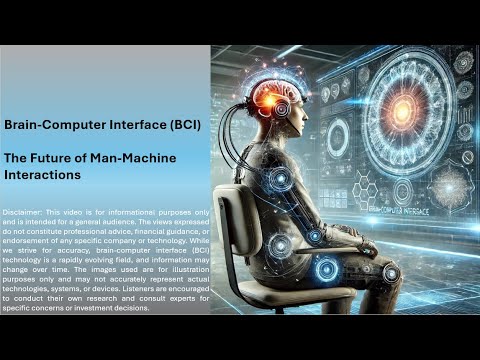
Brain-Computer Interfaces (BCIs) are systems that enable people to control devices or communicate with others using only their brain signals. This technology has been rapidly advancing in recent years, with significant contributions from researchers in the fields of Neuroscience and Computer Science. BCIs have the potential to revolutionize the way we interact with machines, and could potentially improve the lives of people with disabilities. For example, Brain-Controlled Prosthetics are being developed to help individuals with paralysis or amputations. The development of BCIs is also closely tied to the field of Artificial Intelligence, as AI algorithms are often used to decode brain signals.
💻 History of Brain-Computer Interfaces
The history of BCIs dates back to the 1970s, when researchers first began exploring the possibility of using brain signals to control devices. One of the key figures in the development of BCIs is John Donoghue, a neuroscientist who has made significant contributions to the field. In the 1990s, the first BCIs were developed, using techniques such as Electroencephalography (EEG) to record brain activity. Since then, the field has rapidly advanced, with the development of new technologies such as Functional Magnetic Resonance Imaging (fMRI) and Electrocorticography (ECoG). These technologies have enabled researchers to develop more sophisticated BCIs, such as Brain-Controlled Robots.
🔌 Types of Brain-Computer Interfaces
There are several types of BCIs, each with its own advantages and limitations. Invasive BCIs, such as those that use Depth Electrodes, are able to record brain activity with high spatial resolution, but require surgery to implant. Partially invasive BCIs, such as those that use Electrocorticography (ECoG), are less invasive, but still require surgery to implant electrodes on the surface of the brain. Non-invasive BCIs, such as those that use Electroencephalography (EEG), are the least invasive, but have lower spatial resolution. For example, Non-Invasive BCI systems are being developed for use in Gaming and Virtual Reality applications.
📊 Applications of Brain-Computer Interfaces
BCIs have a wide range of applications, from Assistive Technology to Gaming and Entertainment. For example, BCIs are being used to develop Brain-Controlled Wheelchairs for individuals with paralysis. BCIs are also being used in the field of Neuroscience to study the brain and develop new treatments for neurological disorders. Additionally, BCIs are being used in the field of Education to develop new teaching methods and tools. The use of BCIs in Education is closely tied to the field of Cognitive Science, as researchers seek to understand how the brain learns and processes information.
👥 Benefits and Limitations of Brain-Computer Interfaces
The benefits of BCIs are numerous, including the potential to improve the lives of people with disabilities and to enhance human-machine interaction. However, there are also limitations and challenges to the development of BCIs, such as the need for more advanced algorithms and the potential risks associated with invasive procedures. For example, the use of Invasive BCI systems requires careful consideration of the potential risks and benefits. Additionally, the development of BCIs raises important ethical considerations, such as the potential for Neurosecurity risks and the need for Informed Consent. These concerns are closely tied to the field of Bioethics, as researchers seek to balance the potential benefits of BCIs with the potential risks and challenges.
🚀 Future Developments in Brain-Computer Interfaces
The future of BCIs is likely to be shaped by advances in technology and our understanding of the brain. For example, the development of more advanced Neural Networks and Machine Learning algorithms is likely to improve the accuracy and speed of BCIs. Additionally, the use of Nanotechnology and Neuroengineering is likely to enable the development of more sophisticated and invasive BCIs. The future of BCIs is also closely tied to the field of Artificial General Intelligence, as researchers seek to develop more advanced AI systems that can interact with humans in a more natural and intuitive way.
🤖 Ethical Considerations of Brain-Computer Interfaces
The development of BCIs raises important ethical considerations, such as the potential for Neurosecurity risks and the need for Informed Consent. For example, the use of BCIs in Surveillance and National Security applications raises concerns about the potential for Privacy violations and the misuse of Personal Data. Additionally, the development of BCIs for use in Gaming and Entertainment applications raises concerns about the potential for Addiction and the impact on Mental Health. These concerns are closely tied to the field of Media Studies, as researchers seek to understand the impact of BCIs on society and culture.
📈 Market Trends and Investments in Brain-Computer Interfaces
The market for BCIs is rapidly growing, with significant investments being made in the development of new technologies and applications. For example, companies such as Neuralink and Kernel are developing new BCIs for use in a wide range of applications, from Assistive Technology to Gaming and Entertainment. The market for BCIs is also closely tied to the field of Healthcare, as researchers seek to develop new treatments and therapies for neurological disorders. Additionally, the market for BCIs is closely tied to the field of Education, as researchers seek to develop new teaching methods and tools.
📚 Research and Development in Brain-Computer Interfaces
Research and development in BCIs is a rapidly advancing field, with significant contributions being made by researchers in academia and industry. For example, researchers at Stanford University and Massachusetts Institute of Technology are developing new BCIs for use in a wide range of applications, from Assistive Technology to Gaming and Entertainment. The development of BCIs is also closely tied to the field of Neuroscience, as researchers seek to understand the brain and develop new treatments for neurological disorders. Additionally, the development of BCIs is closely tied to the field of Computer Science, as researchers seek to develop more advanced algorithms and systems for decoding brain signals.
🎯 Challenges and Opportunities in Brain-Computer Interfaces
The development of BCIs is not without challenges and opportunities. For example, the development of more advanced algorithms and systems for decoding brain signals is a significant challenge, but also an opportunity for innovation and advancement. Additionally, the development of BCIs raises important ethical considerations, such as the potential for Neurosecurity risks and the need for Informed Consent. These concerns are closely tied to the field of Bioethics, as researchers seek to balance the potential benefits of BCIs with the potential risks and challenges. The development of BCIs is also closely tied to the field of Policy, as researchers seek to develop new regulations and guidelines for the use of BCIs in a wide range of applications.
Key Facts
- Year
- 2023
- Origin
- United States
- Category
- Neurotechnology
- Type
- Technology
Frequently Asked Questions
What is a Brain-Computer Interface (BCI)?
A Brain-Computer Interface (BCI) is a system that enables people to control devices or communicate with others using only their brain signals. BCIs have the potential to revolutionize the way we interact with machines, and could potentially improve the lives of people with disabilities. For example, BCIs are being used to develop Brain-Controlled Prosthetics for individuals with paralysis or amputations. The development of BCIs is also closely tied to the field of Artificial Intelligence, as AI algorithms are often used to decode brain signals.
What are the benefits of BCIs?
The benefits of BCIs are numerous, including the potential to improve the lives of people with disabilities and to enhance human-machine interaction. For example, BCIs are being used to develop Brain-Controlled Wheelchairs for individuals with paralysis. BCIs are also being used in the field of Neuroscience to study the brain and develop new treatments for neurological disorders. Additionally, BCIs are being used in the field of Education to develop new teaching methods and tools.
What are the limitations of BCIs?
The limitations of BCIs include the need for more advanced algorithms and the potential risks associated with invasive procedures. For example, the use of Invasive BCI systems requires careful consideration of the potential risks and benefits. Additionally, the development of BCIs raises important ethical considerations, such as the potential for Neurosecurity risks and the need for Informed Consent. These concerns are closely tied to the field of Bioethics, as researchers seek to balance the potential benefits of BCIs with the potential risks and challenges.
What is the future of BCIs?
The future of BCIs is likely to be shaped by advances in technology and our understanding of the brain. For example, the development of more advanced Neural Networks and Machine Learning algorithms is likely to improve the accuracy and speed of BCIs. Additionally, the use of Nanotechnology and Neuroengineering is likely to enable the development of more sophisticated and invasive BCIs. The future of BCIs is also closely tied to the field of Artificial General Intelligence, as researchers seek to develop more advanced AI systems that can interact with humans in a more natural and intuitive way.
What are the ethical considerations of BCIs?
The development of BCIs raises important ethical considerations, such as the potential for Neurosecurity risks and the need for Informed Consent. For example, the use of BCIs in Surveillance and National Security applications raises concerns about the potential for Privacy violations and the misuse of Personal Data. Additionally, the development of BCIs for use in Gaming and Entertainment applications raises concerns about the potential for Addiction and the impact on Mental Health. These concerns are closely tied to the field of Media Studies, as researchers seek to understand the impact of BCIs on society and culture.
What is the market for BCIs?
The market for BCIs is rapidly growing, with significant investments being made in the development of new technologies and applications. For example, companies such as Neuralink and Kernel are developing new BCIs for use in a wide range of applications, from Assistive Technology to Gaming and Entertainment. The market for BCIs is also closely tied to the field of Healthcare, as researchers seek to develop new treatments and therapies for neurological disorders. Additionally, the market for BCIs is closely tied to the field of Education, as researchers seek to develop new teaching methods and tools.
What is the current state of research and development in BCIs?
Research and development in BCIs is a rapidly advancing field, with significant contributions being made by researchers in academia and industry. For example, researchers at Stanford University and Massachusetts Institute of Technology are developing new BCIs for use in a wide range of applications, from Assistive Technology to Gaming and Entertainment. The development of BCIs is also closely tied to the field of Neuroscience, as researchers seek to understand the brain and develop new treatments for neurological disorders. Additionally, the development of BCIs is closely tied to the field of Computer Science, as researchers seek to develop more advanced algorithms and systems for decoding brain signals.