
Contents
- 🎯 Introduction to Neurons
- 🔍 Structure and Function
- 📊 Key Facts and Statistics
- 👥 Key Researchers and Organizations
- 🌎 Cultural Impact and Influence
- ⚡ Current State and Latest Developments
- 🤔 Controversies and Debates
- 🔮 Future Outlook and Predictions
- 💡 Practical Applications
- 📚 Related Topics and Deeper Reading
- Frequently Asked Questions
- References
- Related Topics
Overview
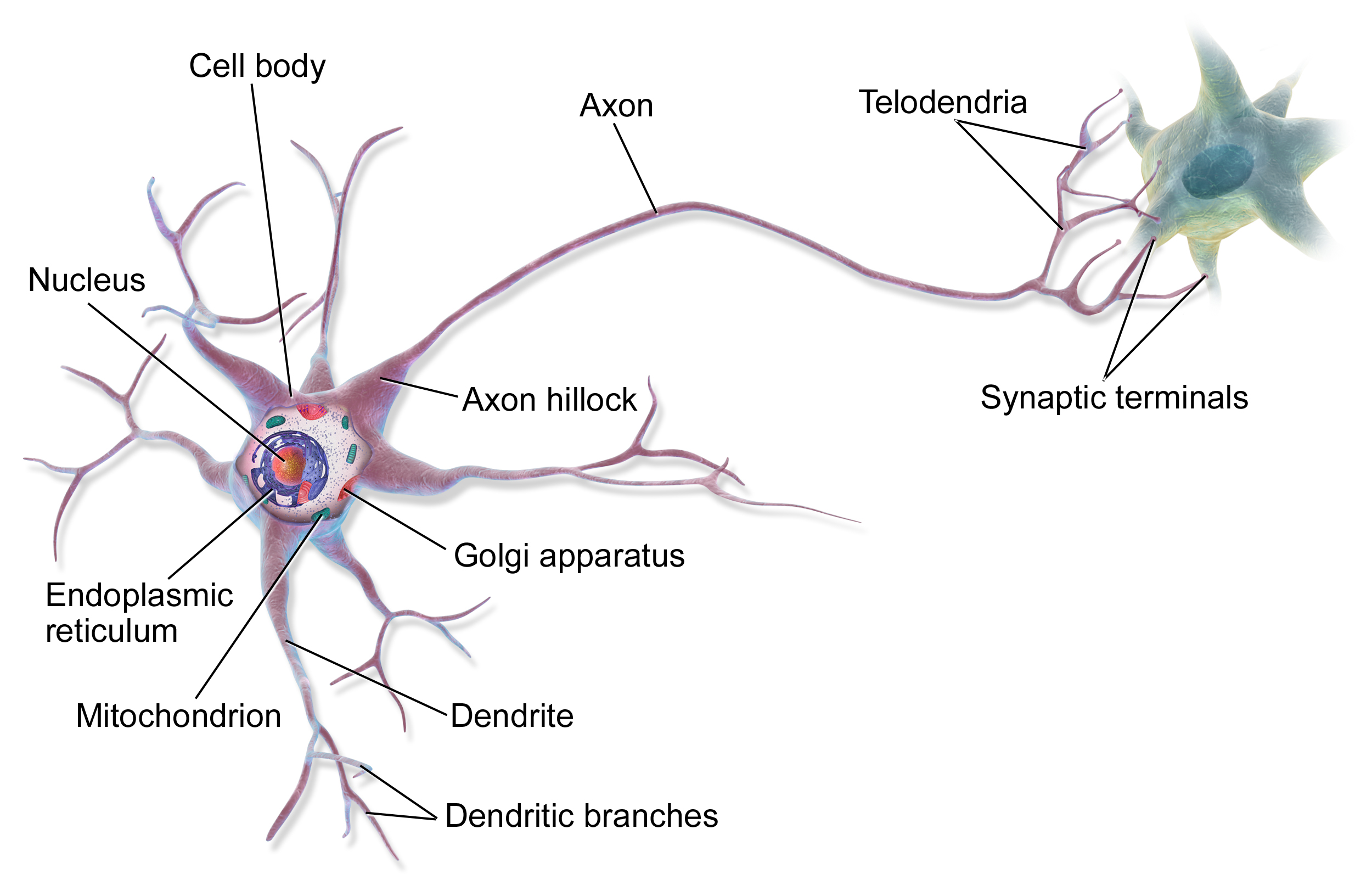
Neurons, also known as nerve cells, are the fundamental components of the nervous system, responsible for transmitting and processing information through electrical and chemical signals. With their unique structure and function, neurons enable us to think, move, and experience the world around us. From the simplest reflexes to the most complex cognitive processes, neurons play a crucial role in our daily lives. According to the National Institute of Mental Health (NIMH), neurons are estimated to number around 86 billion in the human brain, with each neuron capable of forming thousands of connections with other neurons. The study of neurons has led to a deeper understanding of neurological and psychiatric disorders, such as Alzheimer's disease, Parkinson's disease, and depression, which affect millions of people worldwide. For instance, research by the Mayo Clinic has shown that neurons in the brain's hippocampus are affected in individuals with Alzheimer's disease, leading to memory loss and cognitive decline. Furthermore, the development of new treatments and therapies, such as deep brain stimulation and transcranial magnetic stimulation, has been made possible by our understanding of neuronal function and dysfunction.
🎯 Introduction to Neurons
Neurons have a rich history, with the concept of the 'neuron doctrine' emerging in the late 19th century through the work of Ramon y Cajal and Camillo Golgi. This doctrine posits that neurons are the fundamental units of the nervous system, and that they communicate with each other through synapses. The discovery of neurons has been instrumental in our understanding of the nervous system, and has led to numerous breakthroughs in the field of neuroscience. For example, the work of Eric Kandel on the molecular basis of memory has led to a deeper understanding of how neurons store and retrieve information. Additionally, the development of new technologies, such as functional magnetic resonance imaging (fMRI), has enabled researchers to study neuronal activity in real-time, providing valuable insights into the neural basis of cognition and behavior.
🔍 Structure and Function
The structure and function of neurons are complex and fascinating, with different types of neurons specializing in various tasks, such as sensory perception, motor control, and cognitive processing. Neurons communicate with each other through electrical and chemical signals, with the strength and timing of these signals determining the nature of the communication. The process of synaptic plasticity, which allows neurons to reorganize and strengthen their connections, is thought to be the cellular basis for learning and memory. Research by the National Institutes of Health (NIH) has shown that synaptic plasticity is impaired in individuals with neurological and psychiatric disorders, highlighting the importance of understanding neuronal function and dysfunction.
📊 Key Facts and Statistics
Some key facts and statistics about neurons include: there are an estimated 86 billion neurons in the human brain, with each neuron capable of forming thousands of connections with other neurons. The speed of neuronal signaling can reach up to 200 miles per hour, making it one of the fastest forms of communication in the body. Neurons are responsible for controlling everything from our heart rate and blood pressure to our thoughts and emotions. According to a study published in the journal Nature, the human brain contains over 100 trillion synapses, highlighting the complexity and sophistication of neuronal communication.
👥 Key Researchers and Organizations
Key researchers and organizations in the field of neuroscience include the National Institute of Mental Health (NIMH), the National Institutes of Health (NIH), and the Allen Institute for Brain Science. These organizations have made significant contributions to our understanding of neurons and the nervous system, and continue to drive innovation and discovery in the field. For example, the Allen Institute for Brain Science has developed a range of tools and resources for neuroscience research, including the Allen Brain Atlas, which provides a comprehensive map of the mouse brain.
🌎 Cultural Impact and Influence
The cultural impact and influence of neurons can be seen in the many references to them in art, literature, and popular culture. From the 'neuron' sculptures of Damien Hirst to the 'brain-based' theories of Daniel Kahneman, neurons have become a cultural touchstone, symbolizing the power and complexity of the human mind. The concept of neurons has also been used in fields such as education and business, with the idea of 'neural networking' being applied to everything from social media to marketing strategies. For instance, the Harvard Business Review has published articles on the application of neural networking principles to business and management.
⚡ Current State and Latest Developments
The current state of neuronal research is rapidly evolving, with new technologies and techniques being developed to study and manipulate neurons. From optogenetics to CRISPR gene editing, these tools are enabling researchers to probe the neural basis of behavior and cognition in unprecedented detail. The latest developments in the field include the use of brain-computer interfaces (BCIs) to restore motor function in individuals with paralysis, and the development of new treatments for neurological and psychiatric disorders, such as deep brain stimulation and transcranial magnetic stimulation. For example, a study published in the journal Neuron has shown that BCIs can be used to restore motor function in individuals with paralysis, highlighting the potential of neuronal research to improve human health and quality of life.
🤔 Controversies and Debates
Despite the many advances in our understanding of neurons, there are still many controversies and debates in the field. One of the most significant is the question of how neurons give rise to conscious experience, with some researchers arguing that consciousness arises from the integrated activity of many neurons, while others propose that it is an emergent property of complex systems. Another area of debate is the role of neurons in neurological and psychiatric disorders, with some researchers arguing that these conditions are primarily due to neuronal dysfunction, while others propose that they are the result of more complex interactions between neurons and other factors. For instance, the World Health Organization (WHO) has recognized the importance of understanding the neural basis of mental health disorders, and has launched initiatives to promote research and awareness in this area.
🔮 Future Outlook and Predictions
Looking to the future, it is likely that our understanding of neurons will continue to evolve and deepen, with new technologies and techniques being developed to study and manipulate these cells. One area of prediction is the development of new treatments for neurological and psychiatric disorders, such as gene therapy and stem cell therapy. Another area of prediction is the use of neurons in artificial intelligence and machine learning, with the development of 'neural networks' that mimic the structure and function of the brain. For example, the Google Brain team has developed a range of neural network architectures that have achieved state-of-the-art performance in tasks such as image recognition and natural language processing.
💡 Practical Applications
The practical applications of neurons are numerous and varied, from the development of new treatments for neurological and psychiatric disorders to the creation of artificial intelligence and machine learning systems. Neurons are also being used in a range of other fields, including education and business, with the idea of 'neural networking' being applied to everything from social media to marketing strategies. For instance, the Stanford University has developed a range of courses and programs that apply neuronal principles to business and management, highlighting the potential of neuronal research to improve human performance and productivity.
Key Facts
- Year
- 1890s
- Origin
- Spain
- Category
- mental-health
- Type
- concept
Frequently Asked Questions
What is the function of neurons?
Neurons are responsible for transmitting and processing information through electrical and chemical signals, and are the fundamental units of the nervous system. They play a crucial role in controlling everything from heart rate and blood pressure to thought and emotion. According to the National Institutes of Health (NIH), neurons are estimated to number around 86 billion in the human brain, with each neuron capable of forming thousands of connections with other neurons.
How do neurons communicate with each other?
Neurons communicate with each other through synapses, which are specialized connections that use chemical neurotransmitters to pass signals from one neuron to another. The strength and timing of these signals determine the nature of the communication. Research by the University of California, Los Angeles (UCLA) has shown that synaptic plasticity, which allows neurons to reorganize and strengthen their connections, is thought to be the cellular basis for learning and memory.
What is the current state of neuronal research?
The current state of neuronal research is rapidly evolving, with new technologies and techniques being developed to study and manipulate neurons. From optogenetics to CRISPR gene editing, these tools are enabling researchers to probe the neural basis of behavior and cognition in unprecedented detail. The latest developments in the field include the use of brain-computer interfaces (BCIs) to restore motor function in individuals with paralysis, and the development of new treatments for neurological and psychiatric disorders, such as deep brain stimulation and transcranial magnetic stimulation.
What are some potential applications of neuronal research?
The practical applications of neurons are numerous and varied, from the development of new treatments for neurological and psychiatric disorders to the creation of artificial intelligence and machine learning systems. Neurons are also being used in a range of other fields, including education and business, with the idea of 'neural networking' being applied to everything from social media to marketing strategies. For instance, the Stanford University has developed a range of courses and programs that apply neuronal principles to business and management, highlighting the potential of neuronal research to improve human performance and productivity.
What are some of the key challenges and controversies in the field of neuroscience?
Despite the many advances in our understanding of neurons, there are still many challenges and controversies in the field. One of the most significant is the question of how neurons give rise to conscious experience, with some researchers arguing that consciousness arises from the integrated activity of many neurons, while others propose that it is an emergent property of complex systems. Another area of debate is the role of neurons in neurological and psychiatric disorders, with some researchers arguing that these conditions are primarily due to neuronal dysfunction, while others propose that they are the result of more complex interactions between neurons and other factors. For example, the World Health Organization (WHO) has recognized the importance of understanding the neural basis of mental health disorders, and has launched initiatives to promote research and awareness in this area.
How can I learn more about neurons and neuroscience?
There are many resources available for learning more about neurons and neuroscience, including online courses, books, and research articles. Some recommended resources include the Allen Institute for Brain Science, the National Institutes of Health (NIH), and the Stanford University. Additionally, there are many online communities and forums dedicated to neuroscience and neuronal research, such as the Reddit community r/neuroscience.
What are some of the latest breakthroughs in neuronal research?
Some of the latest breakthroughs in neuronal research include the development of new technologies for studying and manipulating neurons, such as optogenetics and CRISPR gene editing. These tools are enabling researchers to probe the neural basis of behavior and cognition in unprecedented detail, and are leading to new insights into the causes and treatments of neurological and psychiatric disorders. For example, a study published in the journal Neuron has shown that optogenetics can be used to restore motor function in individuals with paralysis, highlighting the potential of neuronal research to improve human health and quality of life.
How can I get involved in neuronal research?
There are many ways to get involved in neuronal research, including pursuing a career in neuroscience, volunteering for research studies, and participating in online communities and forums dedicated to neuroscience and neuronal research. Additionally, there are many organizations and initiatives that support neuronal research, such as the BRAIN Initiative and the National Institutes of Health (NIH). For instance, the Allen Institute for Brain Science offers a range of research opportunities and fellowships for students and postdoctoral researchers.
What are some of the potential risks and challenges associated with neuronal research?
Some of the potential risks and challenges associated with neuronal research include the potential for unintended consequences, such as the development of new treatments that have unforeseen side effects. Additionally, there are ethical considerations surrounding the use of neuronal research for non-therapeutic purposes, such as the development of brain-computer interfaces for military or commercial applications. For example, the World Health Organization (WHO) has recognized the importance of addressing the ethical implications of neuronal research, and has launched initiatives to promote responsible and ethical research practices.