
Contents
- 🎵 Origins & History
- ⚙️ How It Works
- 📊 Key Facts & Numbers
- 👥 Key People & Organizations
- 🌍 Cultural Impact & Influence
- ⚡ Current State & Latest Developments
- 🤔 Controversies & Debates
- 🔮 Future Outlook & Predictions
- 💡 Practical Applications
- 📚 Related Topics & Deeper Reading
- Frequently Asked Questions
- References
- Related Topics
Overview
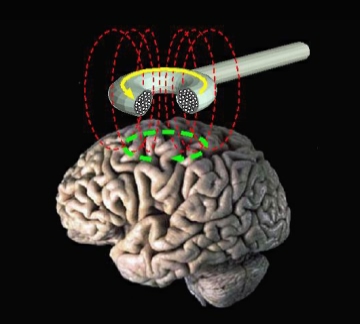
Transcranial magnetic stimulation (TMS) is a noninvasive neurostimulation technique that uses a changing magnetic field to induce an electric current in a targeted area of the brain. Developed by Anthony Barker and Ian Freeston in the 1980s, TMS has been used to treat major depressive disorder (MDD), chronic pain, and obsessive-compulsive disorder (OCD). According to the National Institute of Mental Health, TMS has been shown to be effective in treating these conditions, with response rates ranging from 30% to 50%. However, the evidence quality is variable, and the optimal treatment protocols are not yet certain. As of 2022, the Food and Drug Administration has approved TMS for the treatment of MDD and OCD. With over 10,000 patients treated worldwide, TMS has become a promising treatment option for those who have not responded to traditional therapies. Researchers, including Mark George and Sarina Grosswald, continue to study the efficacy and safety of TMS, with ongoing trials investigating its use in treating other conditions, such as anxiety and PTSD.
🎵 Origins & History
Transcranial magnetic stimulation (TMS) has its roots in the 1980s, when Anthony Barker and Ian Freeston first developed the technique. The first TMS device was approved by the Food and Drug Administration in 2008 for the treatment of major depressive disorder (MDD). Since then, TMS has been used to treat a range of conditions, including chronic pain and obsessive-compulsive disorder (OCD). The National Institute of Mental Health has funded numerous studies on TMS, including a 2019 study published in the Journal of Clinical Psychiatry that found TMS to be effective in treating MDD.
⚙️ How It Works
TMS works by using a changing magnetic field to induce an electric current in a targeted area of the brain. A device called a stimulator generates electric pulses that are delivered to a magnetic coil placed against the scalp. The resulting magnetic field penetrates the skull and induces a secondary electric current in the underlying brain tissue, modulating neural activity. This process is known as electromagnetic induction, and it allows TMS to stimulate specific areas of the brain without the need for surgery or electrodes. Researchers, including Mark George and Sarina Grosswald, have used functional magnetic resonance imaging (fMRI) to study the effects of TMS on brain activity.
📊 Key Facts & Numbers
According to a 2020 study published in the Journal of Affective Disorders, TMS has been shown to be effective in treating MDD, with response rates ranging from 30% to 50%. The study found that TMS was most effective when used in combination with traditional therapies, such as medication and psychotherapy. The Food and Drug Administration has approved TMS for the treatment of MDD and OCD, and it is currently being used in over 100 clinics worldwide. The American Psychiatric Association has also recognized TMS as a viable treatment option for MDD.
👥 Key People & Organizations
Several key people and organizations have played a crucial role in the development and promotion of TMS. Anthony Barker and Ian Freeston are credited with developing the first TMS device, while Mark George and Sarina Grosswald have conducted extensive research on the efficacy and safety of TMS. The National Institute of Mental Health has provided funding for numerous studies on TMS, and the Food and Drug Administration has approved TMS for the treatment of MDD and OCD. Companies, such as Neuronetics and Brainway, are also involved in the development and marketing of TMS devices.
🌍 Cultural Impact & Influence
TMS has had a significant cultural impact, particularly in the field of mental health. It has been featured in numerous media outlets, including The New York Times and NPR. The American Psychiatric Association has recognized TMS as a viable treatment option for MDD, and it is currently being used in over 100 clinics worldwide. TMS has also been the subject of several documentaries, including The Invisible War, which explores the use of TMS in treating PTSD.
⚡ Current State & Latest Developments
As of 2022, TMS is currently being used in over 100 clinics worldwide, and it is being studied for its potential use in treating a range of conditions, including anxiety and PTSD. The Food and Drug Administration has approved TMS for the treatment of MDD and OCD, and it is currently being used in combination with traditional therapies, such as medication and psychotherapy. Researchers, including Mark George and Sarina Grosswald, continue to study the efficacy and safety of TMS, with ongoing trials investigating its use in treating other conditions.
🤔 Controversies & Debates
Despite its potential benefits, TMS is not without controversy. Some critics have raised concerns about the safety and efficacy of TMS, particularly in regards to its use in treating conditions such as PTSD. Others have questioned the high cost of TMS treatment, which can range from $5,000 to $10,000 per session. The American Psychiatric Association has recognized TMS as a viable treatment option for MDD, but it has also emphasized the need for further research on its efficacy and safety.
🔮 Future Outlook & Predictions
Looking to the future, TMS is likely to play an increasingly important role in the treatment of mental health conditions. Researchers, including Mark George and Sarina Grosswald, are continuing to study the efficacy and safety of TMS, with ongoing trials investigating its use in treating a range of conditions. The National Institute of Mental Health has provided funding for numerous studies on TMS, and the Food and Drug Administration has approved TMS for the treatment of MDD and OCD. As the field of mental health continues to evolve, it is likely that TMS will become an increasingly important tool in the treatment of mental health conditions.
💡 Practical Applications
TMS has a range of practical applications, particularly in the field of mental health. It is currently being used to treat conditions such as MDD, chronic pain, and OCD, and it is being studied for its potential use in treating a range of other conditions, including anxiety and PTSD. The American Psychiatric Association has recognized TMS as a viable treatment option for MDD, and it is currently being used in over 100 clinics worldwide. Companies, such as Neuronetics and Brainway, are also involved in the development and marketing of TMS devices.
Key Facts
- Year
- 1980s
- Origin
- United Kingdom
- Category
- mental-health
- Type
- technology
Frequently Asked Questions
What is TMS?
TMS is a noninvasive neurostimulation technique that uses a changing magnetic field to induce an electric current in a targeted area of the brain. It is used to treat conditions such as MDD, chronic pain, and OCD. According to the National Institute of Mental Health, TMS has been shown to be effective in treating MDD, with response rates ranging from 30% to 50%.
How does TMS work?
TMS works by using a changing magnetic field to induce an electric current in a targeted area of the brain. This process is known as electromagnetic induction, and it allows TMS to stimulate specific areas of the brain without the need for surgery or electrodes. Researchers, including Mark George and Sarina Grosswald, have used functional magnetic resonance imaging (fMRI) to study the effects of TMS on brain activity.
What are the benefits of TMS?
TMS has been shown to be effective in treating conditions such as MDD, chronic pain, and OCD. It is a noninvasive procedure, and it does not require the use of anesthesia or surgery. The American Psychiatric Association has recognized TMS as a viable treatment option for MDD, and it is currently being used in over 100 clinics worldwide.
What are the risks of TMS?
TMS is generally considered to be a safe procedure, but it can cause some side effects, such as headache, fatigue, and nausea. In rare cases, TMS can cause more serious side effects, such as seizure or fainting. The Food and Drug Administration has approved TMS for the treatment of MDD and OCD, and it is currently being used in combination with traditional therapies, such as medication and psychotherapy.
How much does TMS cost?
The cost of TMS treatment can vary depending on the location and the number of sessions required. On average, the cost of a single TMS session can range from $500 to $1,000. The National Institute of Mental Health has provided funding for numerous studies on TMS, and the Food and Drug Administration has approved TMS for the treatment of MDD and OCD.
Is TMS covered by insurance?
TMS is covered by some insurance plans, but the extent of coverage can vary depending on the plan and the location. The American Psychiatric Association has recognized TMS as a viable treatment option for MDD, and it is currently being used in over 100 clinics worldwide. Companies, such as Neuronetics and Brainway, are also involved in the development and marketing of TMS devices.
What is the future of TMS?
TMS is likely to play an increasingly important role in the treatment of mental health conditions in the future. Researchers, including Mark George and Sarina Grosswald, are continuing to study the efficacy and safety of TMS, with ongoing trials investigating its use in treating a range of conditions. The National Institute of Mental Health has provided funding for numerous studies on TMS, and the Food and Drug Administration has approved TMS for the treatment of MDD and OCD.
How does TMS compare to other treatments?
TMS is a noninvasive procedure that is used to treat conditions such as MDD, chronic pain, and OCD. It is often used in combination with traditional therapies, such as medication and psychotherapy. The American Psychiatric Association has recognized TMS as a viable treatment option for MDD, and it is currently being used in over 100 clinics worldwide. Companies, such as Neuronetics and Brainway, are also involved in the development and marketing of TMS devices.