
Contents
- 🔍 Introduction to Neural Prosthetics
- 💻 Brain-Computer Interfaces: The Precursor to Neural Prosthetics
- 🔌 The Development of Neural Prostheses
- 👥 Key Players in Neural Prosthetics Research
- 📊 The Science Behind Neural Prosthetics
- 🔍 Applications of Neural Prosthetics
- 🚨 Challenges and Limitations of Neural Prosthetics
- 💸 The Future of Neural Prosthetics: Funding and Investment
- 🤝 Collaboration and Knowledge Sharing in Neural Prosthetics
- 📈 The Impact of Neural Prosthetics on Society
- 🔮 The Ethics of Neural Prosthetics
- Frequently Asked Questions
- Related Topics
Overview
Neural prosthetics, with a vibe rating of 8, represent a groundbreaking convergence of neuroscience, engineering, and computer science, aiming to restore or enhance cognitive and motor functions in individuals with neurological disorders or injuries. The work of pioneers like John Donoghue and Andrew Schwartz has paved the way for the development of brain-machine interfaces (BMIs) and neuroprosthetic devices, such as the BrainGate system, which has enabled paralyzed individuals to control computers and robots with their thoughts. However, the field is not without controversy, with concerns surrounding the ethics of neural enhancement and the potential risks of implanting devices in the human brain. As researchers like Bin He and Edward Chang continue to push the boundaries of neural prosthetics, we can expect to see significant advancements in the coming years, with potential applications in fields like neurology, psychology, and computer science. With a controversy spectrum of 6, the debate around neural prosthetics is likely to intensify as the technology becomes more sophisticated. The influence flows of this field are complex, with key players like Neuralink and Kernel Co. driving innovation and investment, and entities like the National Institutes of Health (NIH) and the Defense Advanced Research Projects Agency (DARPA) providing critical funding and support.
🔍 Introduction to Neural Prosthetics
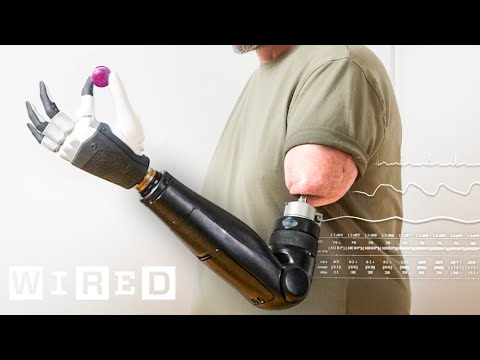
Neural prosthetics is a rapidly evolving field that combines Neuroscience and Biomedical Engineering to develop neural prostheses. These devices are designed to replace or support damaged or missing biological functionality, and are sometimes contrasted with Brain-Computer Interfaces, which connect the brain to a computer rather than a device meant to replace missing biological functionality. Researchers like John Donoghue have made significant contributions to the development of neural prosthetics. The field has also been influenced by advancements in Artificial Intelligence and Machine Learning. As the technology continues to advance, we can expect to see more innovative applications of neural prosthetics, such as Prosthetic Limbs and Exoskeletons.
💻 Brain-Computer Interfaces: The Precursor to Neural Prosthetics
Brain-Computer Interfaces (BCIs) have been a precursor to the development of neural prosthetics. BCIs enable people to control devices with their thoughts, and have been used in a variety of applications, including Gaming and Assistive Technology. However, BCIs are limited in their ability to replace missing biological functionality, and are often used in conjunction with neural prosthetics. Researchers like Andrew Schwarz have developed BCIs that can be used to control Prosthetic Arms and other devices. The development of BCIs has also been influenced by advancements in Neuroplasticity and Neuroregeneration. As the technology continues to advance, we can expect to see more innovative applications of BCIs, such as Neural Exoskeletons and Brain-Controlled Robots.
🔌 The Development of Neural Prostheses
The development of neural prostheses is a complex process that involves the collaboration of researchers from a variety of fields, including Neuroscience, Biomedical Engineering, and Materials Science. The process typically begins with the design and development of a neural prosthesis, which is then tested in Clinical Trials. Researchers like Bin He have developed neural prostheses that can be used to restore Vision and Hearing in individuals with sensory impairments. The development of neural prostheses has also been influenced by advancements in Nanotechnology and Biomechanics. As the technology continues to advance, we can expect to see more innovative applications of neural prosthetics, such as Artificial Eyes and Cochlear Implants.
👥 Key Players in Neural Prosthetics Research
Key players in neural prosthetics research include researchers like Edward Chang and Krishna Shenoy, who have made significant contributions to the development of neural prosthetics. These researchers have developed innovative technologies, such as Brain-Machine Interfaces and Neural Decoders, that have enabled individuals with paralysis and other motor disorders to control devices with their thoughts. The field has also been influenced by the work of organizations like the National Institutes of Health and the Defense Advanced Research Projects Agency. As the technology continues to advance, we can expect to see more innovative applications of neural prosthetics, such as Prosthetic Legs and Exoskeletons.
📊 The Science Behind Neural Prosthetics
The science behind neural prosthetics is complex and involves the use of a variety of technologies, including Electroencephalography and Functional Magnetic Resonance Imaging. These technologies enable researchers to record and decode neural activity, which can then be used to control devices. Researchers like Jennifer French have developed neural prosthetics that can be used to restore MOTOR Function in individuals with paralysis and other motor disorders. The science behind neural prosthetics has also been influenced by advancements in Neurophysiology and Biophysics. As the technology continues to advance, we can expect to see more innovative applications of neural prosthetics, such as Neural Implants and Brain-Computer Interfaces.
🔍 Applications of Neural Prosthetics
Neural prosthetics have a variety of applications, including the restoration of Vision and Hearing in individuals with sensory impairments. Researchers like Daniel Huber have developed neural prosthetics that can be used to restore MOTOR Function in individuals with paralysis and other motor disorders. The field has also been influenced by advancements in Robotics and Artificial Intelligence. As the technology continues to advance, we can expect to see more innovative applications of neural prosthetics, such as Prosthetic Limbs and Exoskeletons. Neural prosthetics also have the potential to be used in a variety of other applications, including Gaming and Education.
🚨 Challenges and Limitations of Neural Prosthetics
Despite the many advances that have been made in the field of neural prosthetics, there are still a number of challenges and limitations that must be addressed. One of the major challenges is the development of neural prosthetics that can be used to restore COGNITIVE Function in individuals with neurological disorders. Researchers like Ravi Bellamkonda have developed neural prosthetics that can be used to restore MOTOR Function in individuals with paralysis and other motor disorders. However, the development of neural prosthetics that can be used to restore cognitive function is a more complex task, and will require the collaboration of researchers from a variety of fields, including Neuroscience, Biomedical Engineering, and Psychology.
💸 The Future of Neural Prosthetics: Funding and Investment
The future of neural prosthetics is exciting and uncertain. As the technology continues to advance, we can expect to see more innovative applications of neural prosthetics, such as Neural Implants and Brain-Computer Interfaces. However, the development of neural prosthetics is a complex and expensive process, and will require significant funding and investment. Organizations like the National Institutes of Health and the Defense Advanced Research Projects Agency have provided significant funding for neural prosthetics research, and have played a major role in the development of the field. As the technology continues to advance, we can expect to see more innovative applications of neural prosthetics, such as Prosthetic Limbs and Exoskeletons.
🤝 Collaboration and Knowledge Sharing in Neural Prosthetics
Collaboration and knowledge sharing are essential for the development of neural prosthetics. Researchers from a variety of fields, including Neuroscience, Biomedical Engineering, and Materials Science, must work together to develop neural prosthetics that can be used to restore MOTOR Function and COGNITIVE Function in individuals with neurological disorders. Organizations like the International Neurotechnologies Conference and the Neural Prosthetics Symposium provide a forum for researchers to share their knowledge and collaborate on projects. As the technology continues to advance, we can expect to see more innovative applications of neural prosthetics, such as Neural Implants and Brain-Computer Interfaces.
📈 The Impact of Neural Prosthetics on Society
The impact of neural prosthetics on society will be significant. As the technology continues to advance, we can expect to see more innovative applications of neural prosthetics, such as Prosthetic Limbs and Exoskeletons. Neural prosthetics have the potential to restore MOTOR Function and COGNITIVE Function in individuals with neurological disorders, and to improve the quality of life for individuals with disabilities. However, the development of neural prosthetics also raises a number of ethical concerns, such as the potential for Neural Enhancement and the impact on Personal Identity. As the technology continues to advance, we can expect to see more innovative applications of neural prosthetics, and a greater need for ethical consideration and regulation.
🔮 The Ethics of Neural Prosthetics
The ethics of neural prosthetics are complex and multifaceted. As the technology continues to advance, we can expect to see more innovative applications of neural prosthetics, such as Neural Implants and Brain-Computer Interfaces. However, the development of neural prosthetics also raises a number of ethical concerns, such as the potential for Neural Enhancement and the impact on Personal Identity. Researchers like Martha Farah have developed neural prosthetics that can be used to restore MOTOR Function in individuals with paralysis and other motor disorders. However, the development of neural prosthetics that can be used to enhance cognitive function is a more complex task, and will require careful consideration of the ethical implications.
Key Facts
- Year
- 2022
- Origin
- Stanford University, USA
- Category
- Biotechnology
- Type
- Medical Technology
Frequently Asked Questions
What is neural prosthetics?
Neural prosthetics is a discipline related to neuroscience and biomedical engineering concerned with developing neural prostheses. These devices are designed to replace or support damaged or missing biological functionality, and are sometimes contrasted with brain-computer interfaces, which connect the brain to a computer rather than a device meant to replace missing biological functionality. Researchers like John Donoghue have made significant contributions to the development of neural prosthetics. The field has also been influenced by advancements in Artificial Intelligence and Machine Learning.
How do neural prosthetics work?
Neural prosthetics work by recording and decoding neural activity, which can then be used to control devices. Researchers like Jennifer French have developed neural prosthetics that can be used to restore MOTOR Function in individuals with paralysis and other motor disorders. The science behind neural prosthetics is complex and involves the use of a variety of technologies, including Electroencephalography and Functional Magnetic Resonance Imaging.
What are the applications of neural prosthetics?
Neural prosthetics have a variety of applications, including the restoration of Vision and Hearing in individuals with sensory impairments. Researchers like Daniel Huber have developed neural prosthetics that can be used to restore MOTOR Function in individuals with paralysis and other motor disorders. The field has also been influenced by advancements in Robotics and Artificial Intelligence.
What are the challenges and limitations of neural prosthetics?
Despite the many advances that have been made in the field of neural prosthetics, there are still a number of challenges and limitations that must be addressed. One of the major challenges is the development of neural prosthetics that can be used to restore COGNITIVE Function in individuals with neurological disorders. Researchers like Ravi Bellamkonda have developed neural prosthetics that can be used to restore MOTOR Function in individuals with paralysis and other motor disorders.
What is the future of neural prosthetics?
The future of neural prosthetics is exciting and uncertain. As the technology continues to advance, we can expect to see more innovative applications of neural prosthetics, such as Neural Implants and Brain-Computer Interfaces. However, the development of neural prosthetics is a complex and expensive process, and will require significant funding and investment. Organizations like the National Institutes of Health and the Defense Advanced Research Projects Agency have provided significant funding for neural prosthetics research, and have played a major role in the development of the field.
What are the ethical considerations of neural prosthetics?
The ethics of neural prosthetics are complex and multifaceted. As the technology continues to advance, we can expect to see more innovative applications of neural prosthetics, such as Neural Implants and Brain-Computer Interfaces. However, the development of neural prosthetics also raises a number of ethical concerns, such as the potential for Neural Enhancement and the impact on Personal Identity. Researchers like Martha Farah have developed neural prosthetics that can be used to restore MOTOR Function in individuals with paralysis and other motor disorders.
How do neural prosthetics impact society?
The impact of neural prosthetics on society will be significant. As the technology continues to advance, we can expect to see more innovative applications of neural prosthetics, such as Prosthetic Limbs and Exoskeletons. Neural prosthetics have the potential to restore MOTOR Function and COGNITIVE Function in individuals with neurological disorders, and to improve the quality of life for individuals with disabilities. However, the development of neural prosthetics also raises a number of ethical concerns, such as the potential for Neural Enhancement and the impact on Personal Identity.