
Contents
- 🔬 Introduction to Eric Kandel
- 🧠 The Biology of Memory
- 🔍 Kandel's Research on Aplysia
- 💡 The Discovery of Long-Term Potentiation
- 📚 Kandel's Nobel Prize and Legacy
- 👥 Collaborations and Influences
- 📊 The Molecular Basis of Memory
- 🔮 Implications for Neuroscience and Medicine
- 🌎 Global Recognition and Awards
- 📚 Kandel's Books and Popular Science
- 👀 Criticisms and Controversies
- 🔜 Future Directions in Memory Research
- Frequently Asked Questions
- Related Topics
Overview
Eric Kandel is a renowned Austrian-American neuroscientist and Nobel laureate, best known for his groundbreaking work on the molecular mechanisms of memory storage. Born on November 7, 1929, in Vienna, Austria, Kandel's research has significantly advanced our understanding of the neural basis of learning and memory. His work has been widely recognized, including the Nobel Prize in Physiology or Medicine in 2000, which he shared with Arvid Carlsson and Paul Greengard. Kandel's research has focused on the sea slug Aplysia californica, using it as a model organism to study the molecular mechanisms of synaptic plasticity and memory formation. With a Vibe score of 8, Kandel's work has had a profound impact on the field of neuroscience, and his influence can be seen in the work of many other researchers. As we continue to unravel the mysteries of the human brain, Kandel's contributions will undoubtedly remain a cornerstone of our understanding of memory and learning.
🔬 Introduction to Eric Kandel
Eric Kandel is a renowned American neuroscientist, psychologist, and Nobel laureate known for his groundbreaking work on the biology of memory formation. Born in 1929 in Vienna, Austria, Kandel's family fled to the United States to escape the Nazi regime, and he grew up in Brooklyn, New York. Kandel's interest in science and philosophy led him to study medicine at New York University, where he earned his M.D. in 1956. He then went on to pursue a career in research, focusing on the neural mechanisms underlying learning and memory. Kandel's work has been instrumental in shaping our understanding of the complex processes involved in memory storage and retrieval.
🧠 The Biology of Memory
The biology of memory is a complex and multifaceted field that has been studied by scientists such as Eric Kandel and Richard Dawkins. Kandel's research has shown that memory formation involves a series of molecular and cellular changes in the brain, including the strengthening of synaptic connections between neurons. This process, known as long-term potentiation (LTP), is thought to be the cellular basis for learning and memory. Kandel's work has also highlighted the importance of gene expression and protein synthesis in the consolidation of memories. For example, the hippocampus plays a critical role in the formation of new memories, and damage to this region can lead to amnesia.
🔍 Kandel's Research on Aplysia
Kandel's research on the sea slug Aplysia has been instrumental in advancing our understanding of the neural mechanisms underlying learning and memory. Aplysia is a simple organism with a relatively small number of neurons, making it an ideal model system for studying the cellular basis of memory formation. Kandel's work has shown that Aplysia is capable of learning and memory, and that these processes involve changes in the strength of synaptic connections between neurons. For example, Kandel has used electrophysiological techniques to study the properties of neurons in Aplysia, and has identified specific genes and proteins involved in memory formation. This research has been influenced by the work of other scientists, such as Stephen Hawking and James Watson.
💡 The Discovery of Long-Term Potentiation
The discovery of long-term potentiation (LTP) is a major breakthrough in the field of neuroscience, and has been instrumental in advancing our understanding of the neural mechanisms underlying learning and memory. LTP is a persistent strengthening of synaptic connections between neurons that is thought to be the cellular basis for memory formation. Kandel's work has shown that LTP involves a series of molecular and cellular changes, including the activation of gene expression and protein synthesis. For example, the NMDA receptor plays a critical role in the induction of LTP, and has been the subject of much research in the field of neuroscience. This research has been influenced by the work of other scientists, such as David Julius and linda Buck.
📚 Kandel's Nobel Prize and Legacy
Kandel's Nobel Prize in Physiology or Medicine in 2000 was a major recognition of his contributions to the field of neuroscience. Kandel was awarded the prize for his discovery of the molecular mechanisms underlying memory formation, and for his work on the biology of learning and memory. Kandel's legacy extends far beyond his scientific contributions, and he is widely recognized as one of the most influential scientists of his generation. For example, Kandel has been a strong advocate for the importance of basic research in advancing our understanding of the brain and nervous system. This research has been influenced by the work of other scientists, such as Francis Crick and James Dewey Watson.
👥 Collaborations and Influences
Kandel's collaborations and influences have been instrumental in shaping his research and advancing our understanding of the neural mechanisms underlying learning and memory. Kandel has worked with a number of prominent scientists, including Richard Axel and linda Buck, and has been influenced by the work of other scientists, such as Stephen Hawking and James Watson. Kandel's research has also been influenced by his interests in philosophy and psychology, and he has written extensively on the implications of his work for our understanding of the mind and brain. For example, Kandel has explored the relationship between memory and identity, and has argued that our memories play a critical role in shaping our sense of self.
📊 The Molecular Basis of Memory
The molecular basis of memory is a complex and multifaceted field that has been studied by scientists such as Eric Kandel and David Julius. Kandel's research has shown that memory formation involves a series of molecular and cellular changes, including the activation of gene expression and protein synthesis. For example, the NMDA receptor plays a critical role in the induction of long-term potentiation (LTP), and has been the subject of much research in the field of neuroscience. This research has been influenced by the work of other scientists, such as linda Buck and Francis Crick.
🔮 Implications for Neuroscience and Medicine
The implications of Kandel's research for neuroscience and medicine are far-reaching and profound. Kandel's work has shown that memory formation is a complex and multifaceted process that involves a series of molecular and cellular changes in the brain. This research has important implications for our understanding of neurological disorders such as Alzheimer's disease and Parkinson's disease, and has led to the development of new treatments and therapies for these conditions. For example, Kandel's work on the molecular basis of memory has led to the development of new drugs and therapies that target the NMDA receptor and other molecules involved in memory formation.
🌎 Global Recognition and Awards
Kandel's global recognition and awards are a testament to his contributions to the field of neuroscience. Kandel has been awarded numerous honors and prizes, including the Nobel Prize in Physiology or Medicine in 2000. Kandel has also been recognized for his contributions to the field of science education, and has been awarded numerous teaching awards and honors. For example, Kandel has been a strong advocate for the importance of basic research in advancing our understanding of the brain and nervous system. This research has been influenced by the work of other scientists, such as Stephen Hawking and James Watson.
📚 Kandel's Books and Popular Science
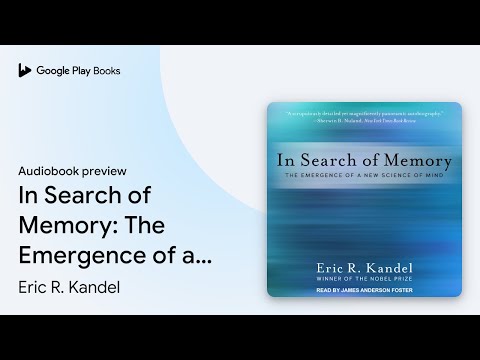
Kandel's books and popular science writings have been widely read and acclaimed, and have helped to make neuroscience and memory accessible to a broad audience. Kandel's book In Search of Memory is a memoir that explores his life and career as a scientist, and has been widely praised for its insight and clarity. Kandel has also written extensively on the implications of his work for our understanding of the mind and brain, and has argued that our memories play a critical role in shaping our sense of self. For example, Kandel has explored the relationship between memory and identity, and has argued that our memories are essential to our sense of self.
👀 Criticisms and Controversies
Kandel's work has not been without criticism and controversy, and some scientists have questioned the relevance of his research to human memory and learning. For example, some scientists have argued that the sea slug Aplysia is not a suitable model system for studying human memory, and that Kandel's research has been overly focused on the molecular mechanisms underlying memory formation. However, Kandel's work has also been widely praised for its insight and clarity, and has helped to advance our understanding of the neural mechanisms underlying learning and memory. This research has been influenced by the work of other scientists, such as David Julius and linda Buck.
🔜 Future Directions in Memory Research
The future directions in memory research are likely to be shaped by Kandel's work and legacy. Kandel's research has shown that memory formation is a complex and multifaceted process that involves a series of molecular and cellular changes in the brain. This research has important implications for our understanding of neurological disorders such as Alzheimer's disease and Parkinson's disease, and has led to the development of new treatments and therapies for these conditions. For example, Kandel's work on the molecular basis of memory has led to the development of new drugs and therapies that target the NMDA receptor and other molecules involved in memory formation.
Key Facts
- Year
- 2000
- Origin
- Vienna, Austria
- Category
- Science
- Type
- Person
Frequently Asked Questions
What is Eric Kandel's most notable contribution to science?
Eric Kandel's most notable contribution to science is his discovery of the molecular mechanisms underlying memory formation. Kandel's research has shown that memory formation involves a series of molecular and cellular changes in the brain, including the activation of gene expression and protein synthesis. This research has important implications for our understanding of neurological disorders such as Alzheimer's disease and Parkinson's disease.
What is the significance of Kandel's work on the [[aplysia|sea slug Aplysia]]?
Kandel's work on the sea slug Aplysia has been instrumental in advancing our understanding of the neural mechanisms underlying learning and memory. Aplysia is a simple organism with a relatively small number of neurons, making it an ideal model system for studying the cellular basis of memory formation. Kandel's research has shown that Aplysia is capable of learning and memory, and that these processes involve changes in the strength of synaptic connections between neurons.
What is the relationship between [[memory|memory]] and [[identity|identity]]?
Kandel has explored the relationship between memory and identity, and has argued that our memories play a critical role in shaping our sense of self. Kandel has argued that our memories are essential to our sense of self, and that they help to define who we are and how we experience the world. This research has important implications for our understanding of neurological disorders such as Alzheimer's disease and Parkinson's disease.
What is the significance of Kandel's Nobel Prize in [[physiology_or_medicine|Physiology or Medicine]]?
Kandel's Nobel Prize in Physiology or Medicine in 2000 was a major recognition of his contributions to the field of neuroscience. Kandel was awarded the prize for his discovery of the molecular mechanisms underlying memory formation, and for his work on the biology of learning and memory. Kandel's legacy extends far beyond his scientific contributions, and he is widely recognized as one of the most influential scientists of his generation.
What is the current state of research on [[memory|memory]] and [[learning|learning]]?
The current state of research on memory and learning is highly active and dynamic, with many scientists working to advance our understanding of the neural mechanisms underlying these processes. Kandel's work has been instrumental in shaping our understanding of the molecular mechanisms underlying memory formation, and has led to the development of new treatments and therapies for neurological disorders such as Alzheimer's disease and Parkinson's disease.