
Contents
- 🏥 Introduction to Medicine
- 🧬 The Science of Medicine
- 🏥 History of Medicine
- 💊 Pharmaceutical Advances
- 👨⚕️ Medical Specialties and Subspecialties
- 🤖 Medical Technology and Innovation
- 📊 Personalized Medicine and Genomics
- 🌎 Global Health and Medicine
- 📚 Medical Education and Training
- 💸 Healthcare Economics and Policy
- 👥 Patient-Centered Care and Communication
- 🔬 Medical Research and Development
- Frequently Asked Questions
- Related Topics
Overview
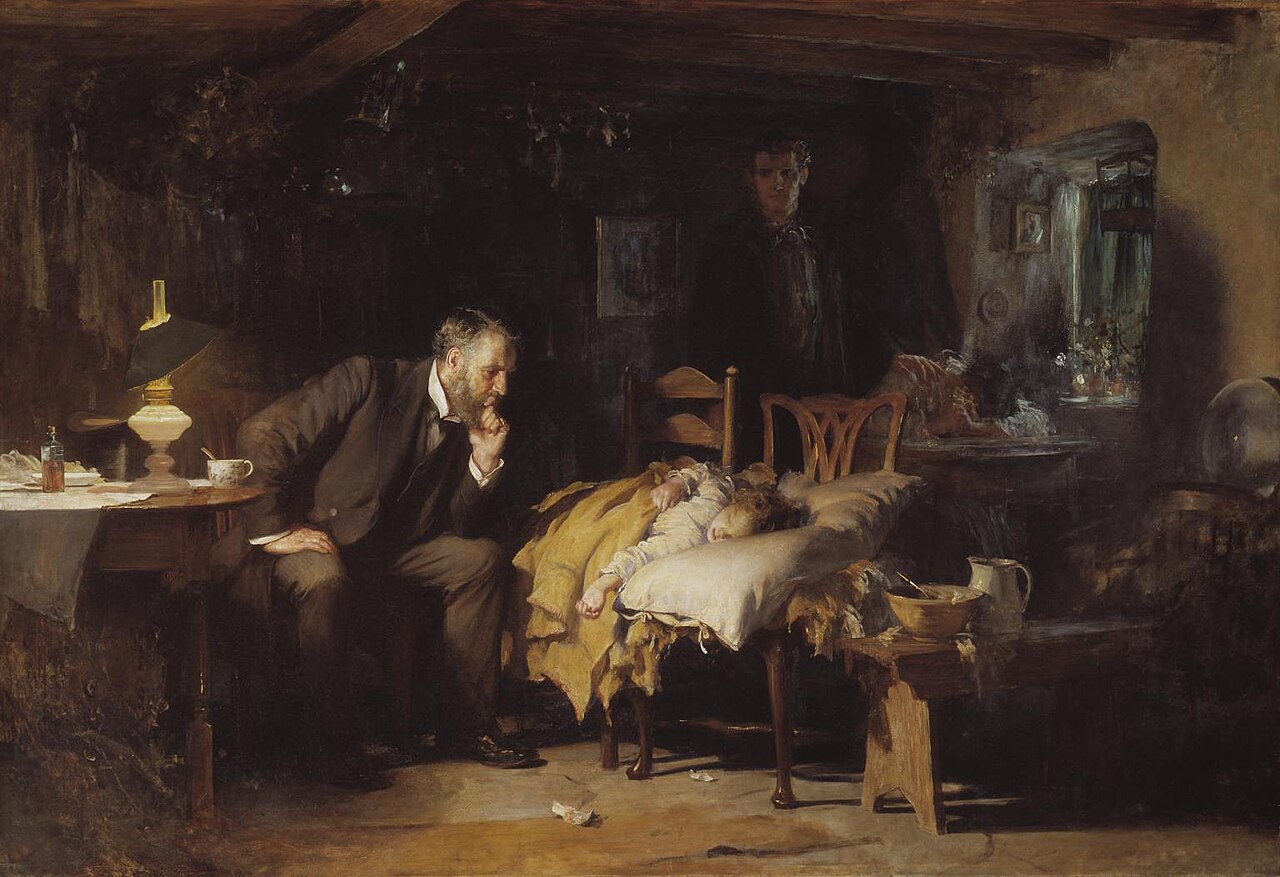
The field of medicine is a complex and multifaceted pursuit, encompassing the Science of caring for patients and managing the diagnosis, prognosis, prevention, treatment, and palliation of their injury or disease. As a practice, medicine has evolved significantly over time, with History of Medicine dating back to ancient civilizations. Today, contemporary medicine applies Biomedical Sciences, Biomedical Research, Genetics, and Medical Technology to diagnose, treat, and prevent injury and disease. This includes the use of various Pharmaceuticals, Surgery, and Psychotherapy, amongst other therapies. The goal of medicine is to promote Health and Wellness, while also addressing the social and economic factors that influence health outcomes.
🧬 The Science of Medicine
The science of medicine is rooted in the Biological Sciences, with a focus on understanding the underlying mechanisms of human disease. This includes the study of Anatomy, Physiology, and Pathology, as well as the application of Epidemiology and Biostatistics to understand the distribution and determinants of health and disease. By applying these scientific principles, healthcare professionals can develop effective Treatment Options and Prevention Strategies to address a wide range of health conditions. For example, the use of Vaccines has been instrumental in preventing the spread of infectious diseases, while Screening Tests have improved early detection and treatment of chronic diseases.
🏥 History of Medicine
The history of medicine is a rich and fascinating topic, with contributions from ancient civilizations such as Ancient Egypt and Ancient Greece. The development of Traditional Chinese Medicine and Ayurvedic Medicine also highlights the diversity of medical practices and philosophies across different cultures. Throughout history, medicine has evolved in response to advances in Medical Technology and changes in societal needs and values. For instance, the discovery of Antibiotics revolutionized the treatment of bacterial infections, while the development of Organ Transplantation has improved outcomes for patients with end-stage organ failure. Today, the field of medicine continues to evolve, with a growing emphasis on Personalized Medicine and Genomics.
💊 Pharmaceutical Advances
Pharmaceutical advances have played a crucial role in the development of modern medicine, with the discovery of new Drugs and Therapies transforming the treatment of various diseases. For example, the introduction of Insulin has improved the management of Diabetes, while the development of Antiretroviral Therapy has significantly reduced the mortality rate associated with HIV/AIDS. The use of Biologics and Gene Therapy has also opened up new avenues for the treatment of complex diseases such as Cancer and Genetic Disorders. However, the development and use of pharmaceuticals also raises important questions about Drug Safety, Pharmacovigilance, and Health Economics.
👨⚕️ Medical Specialties and Subspecialties
The field of medicine encompasses a wide range of Medical Specialties and Subspecialties, each with its own unique set of knowledge, skills, and practices. For instance, Cardiology and Oncology are two medical specialties that have seen significant advances in recent years, with the development of new Diagnostic Tools and Treatment Options. The growth of Telemedicine and Digital Health has also expanded the scope of medical practice, enabling healthcare professionals to reach patients remotely and provide more convenient and accessible care. Furthermore, the increasing importance of Preventive Medicine and Public Health highlights the need for a more holistic approach to healthcare, one that addresses the social and environmental determinants of health.
🤖 Medical Technology and Innovation
Medical technology and innovation have transformed the field of medicine, enabling healthcare professionals to diagnose, treat, and manage a wide range of health conditions more effectively. The development of Medical Imaging technologies such as MRI and CT Scan has improved diagnostic accuracy, while the use of Robotic Surgery and Minimally Invasive Procedures has reduced recovery times and improved patient outcomes. The growth of Health Informatics and Medical Informatics has also enabled the development of more sophisticated Electronic Health Records and Clinical Decision Support Systems. However, the increasing reliance on medical technology also raises important questions about Medical Error, Patient Safety, and Healthcare Quality.
📊 Personalized Medicine and Genomics
The field of personalized medicine and genomics has the potential to revolutionize the practice of medicine, enabling healthcare professionals to tailor treatment to an individual's unique genetic profile. The development of Genetic Testing and Genomic Medicine has already improved the diagnosis and treatment of various genetic disorders, while the use of Precision Medicine has enabled healthcare professionals to develop more targeted and effective treatment strategies. However, the growth of personalized medicine also raises important questions about Genetic Privacy, Genetic Discrimination, and Health Disparities. For instance, the use of Genetic Data to guide treatment decisions may exacerbate existing health disparities, particularly in populations with limited access to genetic testing and counseling.
🌎 Global Health and Medicine
Global health and medicine are inextricably linked, with the spread of infectious diseases and the increasing burden of chronic diseases highlighting the need for a more coordinated and collaborative approach to healthcare. The development of Global Health Initiatives such as the World Health Organization and the Centres for Disease Control and Prevention has improved our ability to respond to global health crises, while the growth of International Health Regulations has enabled the development of more effective strategies for preventing and controlling the spread of infectious diseases. However, the increasing globalization of healthcare also raises important questions about Health Equity, Health Security, and Human Rights. For example, the use of Travel Restrictions to control the spread of infectious diseases may disproportionately affect vulnerable populations, such as refugees and migrants.
📚 Medical Education and Training
Medical education and training are critical components of the healthcare system, enabling healthcare professionals to develop the knowledge, skills, and competencies necessary to provide high-quality patient care. The development of Medical Schools and Residency Programs has improved the training and education of healthcare professionals, while the growth of Continuing Medical Education has enabled healthcare professionals to stay up-to-date with the latest advances in medical knowledge and practice. However, the increasing complexity of healthcare also raises important questions about Medical Education, Clinical Competence, and Professional Development. For instance, the use of Simulation-Based Education and Virtual Reality may improve the training and education of healthcare professionals, while the development of Interprofessional Education may enhance collaboration and teamwork among healthcare professionals.
💸 Healthcare Economics and Policy
Healthcare economics and policy are critical components of the healthcare system, influencing the delivery, financing, and organization of healthcare services. The development of Healthcare Systems and Health Insurance has improved access to healthcare, while the growth of Health Economics has enabled the development of more effective strategies for allocating healthcare resources. However, the increasing complexity of healthcare also raises important questions about Healthcare Policy, Healthcare Reform, and Healthcare Financing. For example, the use of Value-Based Payment models may improve the quality and efficiency of healthcare, while the development of Accountable Care Organizations may enhance coordination and collaboration among healthcare providers.
👥 Patient-Centered Care and Communication
Patient-centered care and communication are critical components of the healthcare system, influencing patient outcomes, satisfaction, and engagement. The development of Patient-Centered Care and Shared Decision Making has improved the quality and safety of healthcare, while the growth of Health Literacy has enabled patients to take a more active role in their healthcare. However, the increasing complexity of healthcare also raises important questions about Patient Engagement, Patient Activation, and Patient Outcomes. For instance, the use of Patient-Reported Outcomes and Patient Experience may improve the quality and safety of healthcare, while the development of Patient Portal and Telehealth may enhance patient access and convenience.
🔬 Medical Research and Development
Medical research and development are critical components of the healthcare system, driving innovation and improvement in healthcare. The development of Clinical Trials and Translational Research has improved our understanding of human disease and the development of new treatments, while the growth of Basic Science has enabled the discovery of new biological mechanisms and therapeutic targets. However, the increasing complexity of medical research also raises important questions about Research Ethics, Research Regulation, and Research Funding. For example, the use of Animal Models and Human Subjects may raise important ethical concerns, while the development of Public-Private Partnerships may enhance collaboration and innovation in medical research.
Key Facts
- Year
- 2023
- Origin
- Ancient Civilizations
- Category
- Health and Wellness
- Type
- Field of Study
Frequently Asked Questions
What is the definition of medicine?
Medicine is the science and practice of caring for patients, managing the diagnosis, prognosis, prevention, treatment, and palliation of their injury or disease, while promoting their health. It encompasses a variety of health care practices which evolved to maintain and restore health through the prevention and treatment of illness. Contemporary medicine applies biomedical sciences, biomedical research, genetics, and medical technology to diagnose, treat, and prevent injury and disease.
What are the different types of medical specialties?
There are many different types of medical specialties, including cardiology, oncology, neurology, and pediatrics, amongst others. Each specialty has its own unique set of knowledge, skills, and practices, and healthcare professionals may pursue additional training and education to become specialists in a particular area.
What is personalized medicine?
Personalized medicine, also known as precision medicine, is an approach to healthcare that involves tailoring treatment to an individual's unique genetic profile. This may involve the use of genetic testing and genomic medicine to guide treatment decisions, and may enable healthcare professionals to develop more targeted and effective treatment strategies.
What is the importance of patient-centered care?
Patient-centered care is a critical component of the healthcare system, influencing patient outcomes, satisfaction, and engagement. It involves a focus on the patient's unique needs, values, and preferences, and may involve the use of shared decision making and patient-reported outcomes to improve the quality and safety of healthcare.
What is the role of medical research in healthcare?
Medical research plays a critical role in driving innovation and improvement in healthcare. It involves the use of clinical trials, translational research, and basic science to develop new treatments and improve our understanding of human disease. Medical research may also involve the use of animal models and human subjects, and raises important questions about research ethics, regulation, and funding.
What is the impact of globalization on healthcare?
Globalization has had a significant impact on healthcare, with the spread of infectious diseases and the increasing burden of chronic diseases highlighting the need for a more coordinated and collaborative approach to healthcare. The development of global health initiatives and international health regulations has improved our ability to respond to global health crises, but also raises important questions about health equity, health security, and human rights.
What is the importance of healthcare economics and policy?
Healthcare economics and policy are critical components of the healthcare system, influencing the delivery, financing, and organization of healthcare services. The development of healthcare systems and health insurance has improved access to healthcare, while the growth of health economics has enabled the development of more effective strategies for allocating healthcare resources. However, the increasing complexity of healthcare also raises important questions about healthcare policy, reform, and financing.