
Contents
- 🔍 Introduction to Neurotransmitter Release
- 📦 The Mechanism of Exocytosis
- 🔝 The Role of Porosomes in Neurotransmitter Release
- 📈 Energy Requirements for Exocytosis
- 👥 Cell Membrane and Transport Mechanisms
- 🚪 Endocytosis and Exocytosis: A Balancing Act
- 📊 Bulk Transport and Secretory Vesicles
- 🔬 The Importance of Neurotransmitter Release in Neuroscience
- 👀 Controversies and Debates in Neurotransmitter Release
- 🔜 Future Directions in Neurotransmitter Release Research
- 📚 Conclusion and Key Takeaways
- Frequently Asked Questions
- Related Topics
Overview
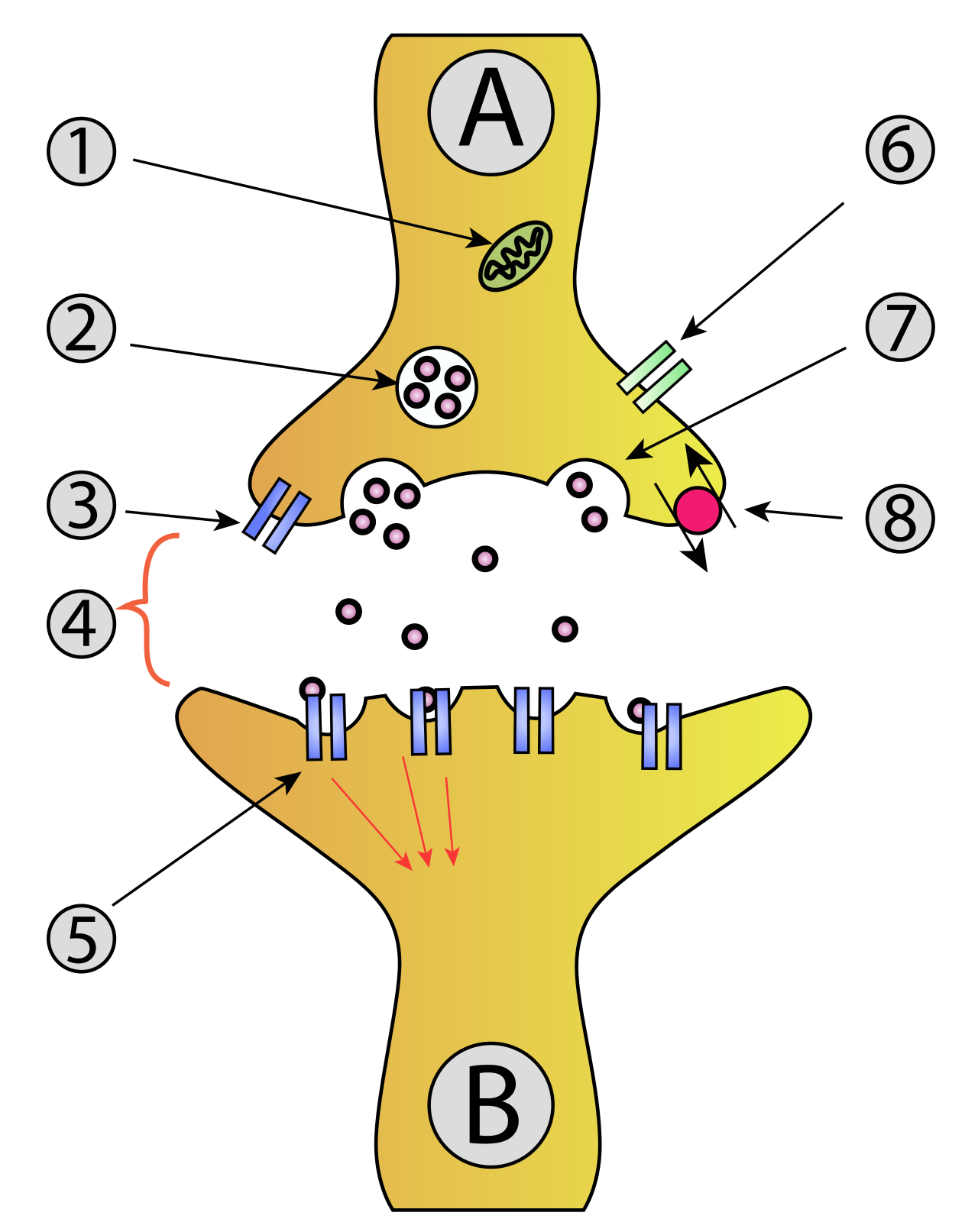
Neurotransmitter release is the crucial process by which neurons communicate with each other, facilitating the exchange of information across synapses. This complex mechanism involves the fusion of vesicles containing neurotransmitters with the presynaptic membrane, releasing the neurotransmitters into the synaptic cleft. According to a study published in the journal Neuron in 2019, the release of neurotransmitters is regulated by a multitude of factors, including calcium ions, synaptic proteins, and neuronal activity. For instance, research by Dr. Thomas Südhof, a Nobel laureate, has shown that the protein complexin plays a critical role in regulating neurotransmitter release. With a vibe score of 8, neurotransmitter release is a highly energetic and dynamic field, with ongoing research aiming to elucidate the underlying mechanisms and their implications for neurological disorders. As Dr. Robert Malenka, a prominent neuroscientist, notes, 'Understanding neurotransmitter release is essential for developing effective treatments for neurological and psychiatric disorders, such as Parkinson's disease and depression, which affect millions of people worldwide, with the global economic burden estimated to be over $2 trillion annually.
🔍 Introduction to Neurotransmitter Release
Neurotransmitter release is a complex process that involves the coordination of multiple cellular mechanisms. At the heart of this process is exocytosis, a form of active transport that allows cells to release large amounts of molecules into the extracellular space. This process is crucial for neurotransmission and cell signaling, and is mediated by porosomes, specialized structures at the cell plasma membrane. The study of neurotransmitter release has been an active area of research in neuroscience for decades, with significant contributions from scientists such as Eric Kandel and Roger Nicoll.
📦 The Mechanism of Exocytosis
The mechanism of exocytosis involves the fusion of secretory vesicles with the cell plasma membrane, resulting in the release of intra-vesicular contents. This process is highly regulated and requires the use of energy to transport material. Exocytosis is a form of bulk transport, and is used by all cells to release large amounts of molecules into the extracellular space. In contrast, endocytosis is the process by which cells take in molecules from the extracellular space. The balance between exocytosis and endocytosis is crucial for maintaining proper cell homeostasis.
🔝 The Role of Porosomes in Neurotransmitter Release
Porosomes are permanent cup-shaped lipoprotein structures at the cell plasma membrane, where secretory vesicles transiently dock and fuse to release intra-vesicular contents. The study of porosomes has been an active area of research in recent years, with significant contributions from scientists such as Bhanu Pratap Singh. Porosomes play a critical role in neurotransmitter release, and are involved in the regulation of synaptic plasticity and neurotransmission. The structure and function of porosomes is still not fully understood, and is the subject of ongoing research in cell biology.
📈 Energy Requirements for Exocytosis
Exocytosis requires the use of energy to transport material, and is an active transport mechanism. The energy requirements for exocytosis are significant, and involve the use of ATP and other energy-rich molecules. The regulation of energy metabolism is critical for maintaining proper cell function, and is involved in the regulation of exocytosis and other cellular processes. The study of energy metabolism has been an active area of research in biochemistry and cell biology, with significant contributions from scientists such as luis Lardy.
👥 Cell Membrane and Transport Mechanisms
The cell membrane is a critical component of the exocytosis process, and plays a key role in the regulation of cell signaling and neurotransmission. The cell membrane is a complex structure that is composed of lipids and proteins, and is involved in the regulation of ion channels and other cellular processes. The study of the cell membrane has been an active area of research in cell biology and biochemistry, with significant contributions from scientists such as S.J. Singer.
🚪 Endocytosis and Exocytosis: A Balancing Act
Endocytosis and exocytosis are two complementary processes that are involved in the regulation of cell homeostasis. Endocytosis is the process by which cells take in molecules from the extracellular space, while exocytosis is the process by which cells release molecules into the extracellular space. The balance between endocytosis and exocytosis is critical for maintaining proper cell function, and is involved in the regulation of neurotransmission and other cellular processes. The study of endocytosis and exocytosis has been an active area of research in cell biology and biochemistry, with significant contributions from scientists such as George Palade.
📊 Bulk Transport and Secretory Vesicles
Bulk transport is a critical component of the exocytosis process, and involves the release of large amounts of molecules into the extracellular space. Secretory vesicles play a key role in bulk transport, and are involved in the regulation of neurotransmitter release and other cellular processes. The study of bulk transport has been an active area of research in cell biology and biochemistry, with significant contributions from scientists such as James Rothman.
🔬 The Importance of Neurotransmitter Release in Neuroscience
Neurotransmitter release is a critical component of neuroscience, and is involved in the regulation of neurotransmission and other cellular processes. The study of neurotransmitter release has been an active area of research in neuroscience for decades, with significant contributions from scientists such as Eric Kandel and Roger Nicoll. Neurotransmitter release is involved in the regulation of synaptic plasticity and other cellular processes, and is critical for maintaining proper brain function.
👀 Controversies and Debates in Neurotransmitter Release
There are several controversies and debates in the field of neurotransmitter release, including the role of porosomes in neurotransmitter release and the regulation of exocytosis. The study of neurotransmitter release is an active area of research, and new discoveries are continually being made. The regulation of neurotransmitter release is critical for maintaining proper brain function, and is involved in the regulation of neurotransmission and other cellular processes.
🔜 Future Directions in Neurotransmitter Release Research
Future directions in neurotransmitter release research include the study of the role of porosomes in neurotransmitter release and the regulation of exocytosis. The development of new technologies and techniques, such as single molecule microscopy, will be critical for advancing our understanding of neurotransmitter release. The study of neurotransmitter release is an active area of research, and new discoveries are continually being made.
📚 Conclusion and Key Takeaways
In conclusion, neurotransmitter release is a complex process that involves the coordination of multiple cellular mechanisms. The study of neurotransmitter release has been an active area of research in neuroscience for decades, with significant contributions from scientists such as Eric Kandel and Roger Nicoll. The regulation of neurotransmitter release is critical for maintaining proper brain function, and is involved in the regulation of neurotransmission and other cellular processes.
Key Facts
- Year
- 2019
- Origin
- Neuroscientific Community
- Category
- Neuroscience
- Type
- Biological Process
Frequently Asked Questions
What is neurotransmitter release?
Neurotransmitter release is the process by which neurons release chemical signals, known as neurotransmitters, into the synapse. This process is critical for maintaining proper brain function and is involved in the regulation of neurotransmission and other cellular processes. The study of neurotransmitter release has been an active area of research in neuroscience for decades, with significant contributions from scientists such as Eric Kandel and Roger Nicoll.
What is the role of porosomes in neurotransmitter release?
Porosomes are permanent cup-shaped lipoprotein structures at the cell plasma membrane, where secretory vesicles transiently dock and fuse to release intra-vesicular contents. The study of porosomes has been an active area of research in recent years, with significant contributions from scientists such as Bhanu Pratap Singh. Porosomes play a critical role in neurotransmitter release, and are involved in the regulation of synaptic plasticity and neurotransmission.
What is the difference between exocytosis and endocytosis?
Exocytosis is the process by which cells release molecules into the extracellular space, while endocytosis is the process by which cells take in molecules from the extracellular space. The balance between exocytosis and endocytosis is critical for maintaining proper cell function, and is involved in the regulation of neurotransmission and other cellular processes.
What is the energy requirement for exocytosis?
Exocytosis requires the use of energy to transport material, and is an active transport mechanism. The energy requirements for exocytosis are significant, and involve the use of ATP and other energy-rich molecules. The regulation of energy metabolism is critical for maintaining proper cell function, and is involved in the regulation of exocytosis and other cellular processes.
What is the role of secretory vesicles in bulk transport?
Secretory vesicles play a key role in bulk transport, and are involved in the regulation of neurotransmitter release and other cellular processes. The study of bulk transport has been an active area of research in cell biology and biochemistry, with significant contributions from scientists such as James Rothman.
What is the importance of neurotransmitter release in neuroscience?
Neurotransmitter release is a critical component of neuroscience, and is involved in the regulation of neurotransmission and other cellular processes. The study of neurotransmitter release has been an active area of research in neuroscience for decades, with significant contributions from scientists such as Eric Kandel and Roger Nicoll. Neurotransmitter release is involved in the regulation of synaptic plasticity and other cellular processes, and is critical for maintaining proper brain function.
What are the future directions in neurotransmitter release research?
Future directions in neurotransmitter release research include the study of the role of porosomes in neurotransmitter release and the regulation of exocytosis. The development of new technologies and techniques, such as single molecule microscopy, will be critical for advancing our understanding of neurotransmitter release. The study of neurotransmitter release is an active area of research, and new discoveries are continually being made.