
Contents
- 🌟 Introduction to Exocytosis
- 🔍 The Mechanism of Exocytosis
- 📦 The Role of Porosomes in Exocytosis
- 🔝 The Importance of Exocytosis in Cellular Function
- 👀 The Relationship Between Exocytosis and Endocytosis
- 🚪 The Energy Requirements of Exocytosis
- 🌈 The Diversity of Molecules Transported by Exocytosis
- 🔬 The Study of Exocytosis in Cell Biology
- 📊 The Quantification of Exocytosis
- 🔮 The Future of Exocytosis Research
- Frequently Asked Questions
- Related Topics
Overview
Exocytosis, a fundamental process in cell biology, involves the fusion of vesicles with the cell membrane to release molecules such as hormones, neurotransmitters, and waste products. This process is crucial for various physiological functions, including neuronal communication, immune response, and waste removal. However, dysregulation of exocytosis has been implicated in several diseases, including diabetes, neurodegenerative disorders, and cancer. Researchers like James Rothman and Randy Schekman, who were awarded the 2013 Nobel Prize in Physiology or Medicine, have made significant contributions to our understanding of exocytosis. Despite the progress, there are still debates about the exact mechanisms and regulation of exocytosis, with some studies suggesting that it may be more complex and dynamic than previously thought. With a Vibe score of 82, exocytosis is an area of ongoing research, with scientists like Pietro De Camilli and Reinhard Jahn continuing to advance our knowledge of this critical cellular process, which could lead to the development of new therapeutic strategies for various diseases, affecting millions of people worldwide, with estimated annual costs exceeding $1 trillion.
🌟 Introduction to Exocytosis
Exocytosis is a vital cellular process that allows cells to transport molecules out of the cell, playing a crucial role in maintaining cellular homeostasis. As an active transport mechanism, exocytosis requires the use of energy to transport material, making it an essential process for cellular function. Exocytosis is closely related to cell membrane structure and function, and is often studied in conjunction with endocytosis, the process by which cells take in molecules. The study of exocytosis has led to a greater understanding of cell signaling pathways and the importance of cell communication in maintaining tissue homeostasis. For example, the process of exocytosis is critical in the release of hormones from endocrine cells, and defects in exocytosis have been implicated in various diseases, including diabetes.
🔍 The Mechanism of Exocytosis
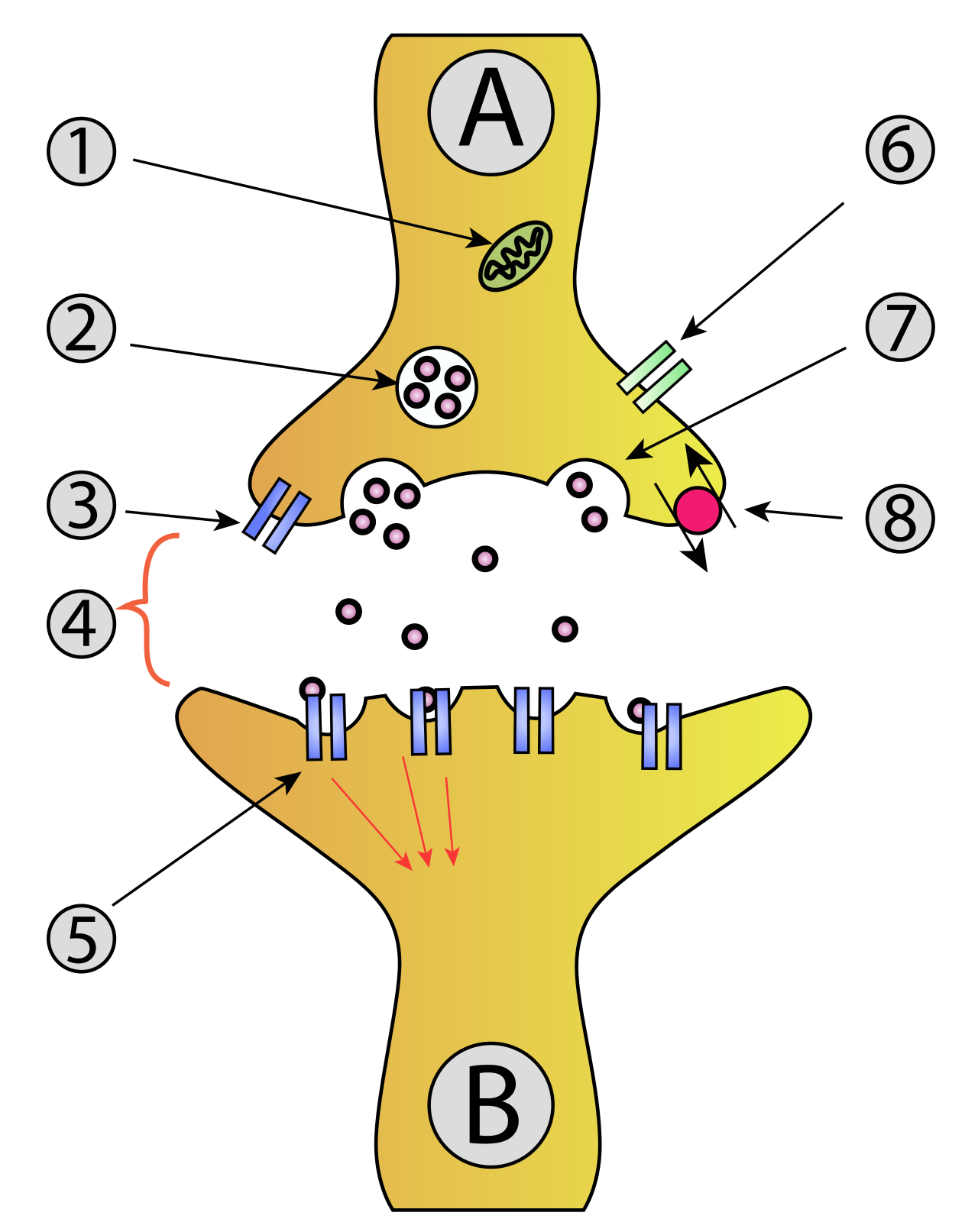
The mechanism of exocytosis involves the use of secretory portals at the cell plasma membrane called porosomes. Porosomes are permanent cup-shaped lipoprotein structures that allow secretory vesicles to transiently dock and fuse, releasing intra-vesicular contents from the cell. This process is tightly regulated and involves the coordination of multiple proteins and lipids. The study of exocytosis has led to a greater understanding of the importance of vesicle transport in maintaining cellular homeostasis, and has implications for our understanding of neurotransmission and muscle contraction. For example, the process of exocytosis is critical in the release of neurotransmitters from neurons, and defects in exocytosis have been implicated in various neurological disorders, including Parkinson's disease. Exocytosis is also closely related to cell adhesion and cell migration, and plays a critical role in maintaining tissue structure and function.
📦 The Role of Porosomes in Exocytosis
Porosomes are a critical component of the exocytosis machinery, and their structure and function have been the subject of intense study. Porosomes are composed of a complex mixture of proteins and lipids, and their cup-shaped structure allows them to facilitate the docking and fusion of secretory vesicles. The study of porosomes has led to a greater understanding of the importance of lipid rafts in maintaining cellular membrane structure and function, and has implications for our understanding of cell signaling pathways. For example, the process of exocytosis is critical in the release of growth factors from cells, and defects in exocytosis have been implicated in various diseases, including cancer. Porosomes are also closely related to caveolae, and play a critical role in maintaining cellular membrane structure and function.
🔝 The Importance of Exocytosis in Cellular Function
Exocytosis plays a critical role in maintaining cellular function, and is involved in a wide range of cellular processes, including cell signaling, cell communication, and cell migration. The process of exocytosis is critical in the release of hormones from endocrine cells, and defects in exocytosis have been implicated in various diseases, including diabetes. Exocytosis is also closely related to endocytosis, the process by which cells take in molecules, and the two processes are often studied together. For example, the process of exocytosis is critical in the release of neurotransmitters from neurons, and defects in exocytosis have been implicated in various neurological disorders, including Parkinson's disease. The study of exocytosis has led to a greater understanding of the importance of vesicle transport in maintaining cellular homeostasis, and has implications for our understanding of tissue homeostasis.
👀 The Relationship Between Exocytosis and Endocytosis
The relationship between exocytosis and endocytosis is complex and multifaceted. Both processes are involved in the transport of molecules across the cell membrane, but they involve different mechanisms and have different functions. Exocytosis is the process by which cells release molecules, while endocytosis is the process by which cells take in molecules. The two processes are often studied together, and defects in either process have been implicated in various diseases. For example, the process of exocytosis is critical in the release of hormones from endocrine cells, and defects in exocytosis have been implicated in various diseases, including diabetes. The study of exocytosis and endocytosis has led to a greater understanding of the importance of cell membrane structure and function, and has implications for our understanding of cell signaling pathways.
🚪 The Energy Requirements of Exocytosis
Exocytosis requires the use of energy to transport material, making it an active transport mechanism. The energy requirements of exocytosis are complex and multifaceted, and involve the coordination of multiple proteins and lipids. The study of exocytosis has led to a greater understanding of the importance of ATP in maintaining cellular homeostasis, and has implications for our understanding of cell metabolism. For example, the process of exocytosis is critical in the release of neurotransmitters from neurons, and defects in exocytosis have been implicated in various neurological disorders, including Parkinson's disease. Exocytosis is also closely related to cell respiration, and plays a critical role in maintaining cellular energy homeostasis.
🌈 The Diversity of Molecules Transported by Exocytosis
Exocytosis is involved in the transport of a wide range of molecules, including proteins, lipids, and hormones. The diversity of molecules transported by exocytosis is vast, and includes molecules involved in cell signaling, cell communication, and cell migration. The study of exocytosis has led to a greater understanding of the importance of vesicle transport in maintaining cellular homeostasis, and has implications for our understanding of tissue homeostasis. For example, the process of exocytosis is critical in the release of growth factors from cells, and defects in exocytosis have been implicated in various diseases, including cancer. Exocytosis is also closely related to cell adhesion and cell migration, and plays a critical role in maintaining tissue structure and function.
🔬 The Study of Exocytosis in Cell Biology
The study of exocytosis has led to a greater understanding of the importance of cell biology in maintaining cellular homeostasis. Exocytosis is a critical component of cellular function, and is involved in a wide range of cellular processes, including cell signaling, cell communication, and cell migration. The study of exocytosis has implications for our understanding of tissue homeostasis and organ function, and has led to the development of new therapies for various diseases. For example, the process of exocytosis is critical in the release of hormones from endocrine cells, and defects in exocytosis have been implicated in various diseases, including diabetes. Exocytosis is also closely related to cell therapy, and plays a critical role in the development of new therapies for various diseases.
📊 The Quantification of Exocytosis
The quantification of exocytosis is a complex and multifaceted process, and involves the use of a wide range of techniques, including microscopy and biochemistry. The study of exocytosis has led to a greater understanding of the importance of vesicle transport in maintaining cellular homeostasis, and has implications for our understanding of tissue homeostasis. For example, the process of exocytosis is critical in the release of neurotransmitters from neurons, and defects in exocytosis have been implicated in various neurological disorders, including Parkinson's disease. Exocytosis is also closely related to cell respiration, and plays a critical role in maintaining cellular energy homeostasis.
🔮 The Future of Exocytosis Research
The future of exocytosis research is exciting and rapidly evolving, with new technologies and techniques being developed to study this critical cellular process. The study of exocytosis has implications for our understanding of tissue homeostasis and organ function, and has led to the development of new therapies for various diseases. For example, the process of exocytosis is critical in the release of hormones from endocrine cells, and defects in exocytosis have been implicated in various diseases, including diabetes. Exocytosis is also closely related to cell therapy, and plays a critical role in the development of new therapies for various diseases. The study of exocytosis will continue to be an important area of research in the field of cell biology, and will likely lead to new discoveries and therapies in the coming years.
Key Facts
- Year
- 2013
- Origin
- Cell Biology
- Category
- Cell Biology
- Type
- Biological Process
Frequently Asked Questions
What is exocytosis?
Exocytosis is a vital cellular process that allows cells to transport molecules out of the cell, playing a crucial role in maintaining cellular homeostasis. As an active transport mechanism, exocytosis requires the use of energy to transport material, making it an essential process for cellular function. Exocytosis is closely related to cell membrane structure and function, and is often studied in conjunction with endocytosis, the process by which cells take in molecules.
What is the role of porosomes in exocytosis?
Porosomes are permanent cup-shaped lipoprotein structures at the cell plasma membrane, where secretory vesicles transiently dock and fuse to release intra-vesicular contents from the cell. Porosomes are a critical component of the exocytosis machinery, and their structure and function have been the subject of intense study. The study of porosomes has led to a greater understanding of the importance of lipid rafts in maintaining cellular membrane structure and function, and has implications for our understanding of cell signaling pathways.
What is the relationship between exocytosis and endocytosis?
The relationship between exocytosis and endocytosis is complex and multifaceted. Both processes are involved in the transport of molecules across the cell membrane, but they involve different mechanisms and have different functions. Exocytosis is the process by which cells release molecules, while endocytosis is the process by which cells take in molecules. The two processes are often studied together, and defects in either process have been implicated in various diseases.
What is the energy requirement of exocytosis?
Exocytosis requires the use of energy to transport material, making it an active transport mechanism. The energy requirements of exocytosis are complex and multifaceted, and involve the coordination of multiple proteins and lipids. The study of exocytosis has led to a greater understanding of the importance of ATP in maintaining cellular homeostasis, and has implications for our understanding of cell metabolism.
What is the diversity of molecules transported by exocytosis?
Exocytosis is involved in the transport of a wide range of molecules, including proteins, lipids, and hormones. The diversity of molecules transported by exocytosis is vast, and includes molecules involved in cell signaling, cell communication, and cell migration. The study of exocytosis has led to a greater understanding of the importance of vesicle transport in maintaining cellular homeostasis, and has implications for our understanding of tissue homeostasis.