
Contents
- 🎵 Origins & History
- ⚙️ How It Works
- 📊 Key Facts & Numbers
- 👥 Key People & Organizations
- 🌍 Cultural Impact & Influence
- ⚡ Current State & Latest Developments
- 🤔 Controversies & Debates
- 🔮 Future Outlook & Predictions
- 💡 Practical Applications
- 📚 Related Topics & Deeper Reading
- Frequently Asked Questions
- References
- Related Topics
Overview
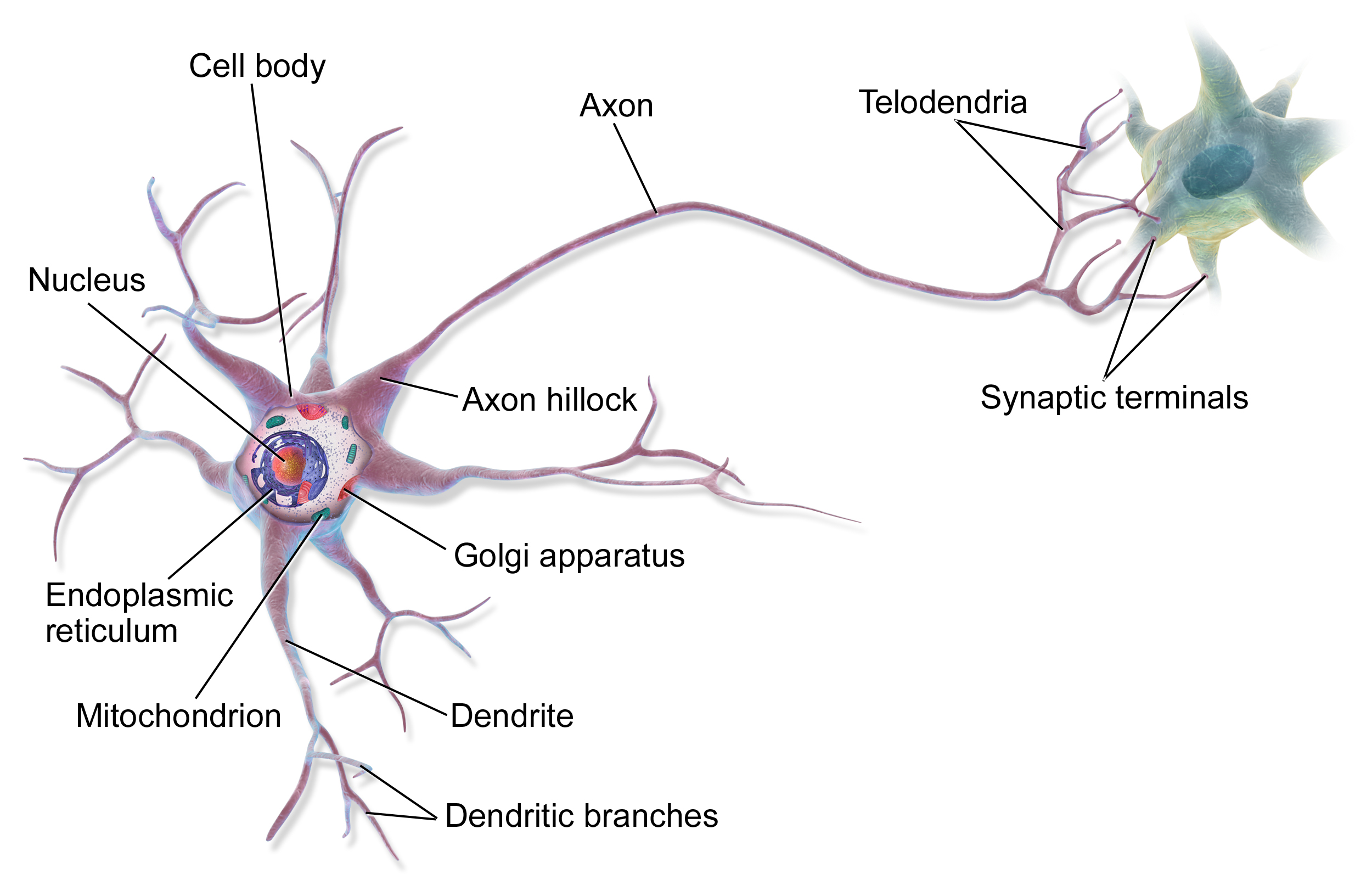
A neuron, also known as a nerve cell, is a specialized cell that plays a crucial role in the nervous system, responsible for receiving, integrating, and transmitting information through electrical and chemical signals. With an estimated 86 billion neurons in the human brain, these cells are the primary components of nervous tissue in animals, excluding sponges and placozoans. The evolution of neurons dates back to around 700-800 million years ago, during the Tonian period, with molecular evidence suggesting that peptidergic secretory cells were the predecessors of modern neurons. Today, neurons are a vital area of study in fields such as neuroscience, neurology, and psychology, with researchers like Eric Kandel and Roger Sperry making significant contributions to our understanding of neural function and behavior. As our understanding of neurons and their role in the nervous system continues to grow, so does the potential for breakthroughs in the treatment of neurological disorders, such as Alzheimer's disease and Parkinson's disease.
🎵 Origins & History
The concept of neurons has been around for centuries, with early scientists like Galen and Rene Descartes proposing various theories about the nature of the nervous system. However, it wasn't until the 19th century that the modern understanding of neurons began to take shape, with the work of Camillo Golgi and Santiago Ramon y Cajal. Their discoveries, including the development of the Golgi stain, allowed for a greater understanding of neural structure and function, and paved the way for future research in the field. Today, researchers continue to build on this foundation, with advances in techniques like functional magnetic resonance imaging (fMRI) and electroencephalography (EEG) enabling a more detailed understanding of neural activity and behavior.
⚙️ How It Works
Neurons are complex cells that are capable of generating and transmitting electrical signals, known as action potentials, across a neural network. This process is made possible by the presence of specialized structures, such as dendrites and axons, which allow neurons to communicate with other cells via synapses. The synapse is a critical component of neural function, with chemical neurotransmitters playing a key role in the transmission of signals from the presynaptic neuron to the target cell. As researchers like Eric Kandel have shown, the strength and efficiency of synaptic transmission can be modified through experience and learning, a process known as synaptic plasticity. This has significant implications for our understanding of neural development and function, and highlights the importance of continued research in this area.
📊 Key Facts & Numbers
There are an estimated 86 billion neurons in the human brain, with each neuron capable of forming thousands of synapses with other cells. This complex network of neurons and synapses is responsible for a wide range of functions, from basic sensory perception to higher-level cognitive processes like thought and emotion. The study of neurons and their role in the nervous system is a vital area of research, with significant implications for our understanding of neurological disorders and the development of effective treatments. For example, research on neuroplasticity has shown that the brain is capable of reorganizing itself in response to injury or disease, a process that can be harnessed through techniques like cognitive-behavioral therapy.
👥 Key People & Organizations
Key people in the field of neuroscience include Eric Kandel, who was awarded the Nobel Prize in Physiology or Medicine in 2000 for his work on the molecular mechanisms of memory storage. Other notable researchers include Roger Sperry, who was awarded the Nobel Prize in Physiology or Medicine in 1981 for his work on the split-brain, and Oliver Sacks, who was a renowned neurologist and author. Organizations like the National Institutes of Health and the Howard Hughes Medical Institute also play a critical role in supporting research in this field, and have funded numerous studies on neural function and behavior.
🌍 Cultural Impact & Influence
The study of neurons has had a significant impact on our understanding of the nervous system and its role in human behavior. For example, research on neurotransmitters like serotonin and dopamine has led to the development of new treatments for depression and other mood disorders. Additionally, the study of neurons has led to a greater understanding of the neural basis of cognitive processes like attention and memory, and has significant implications for the development of new treatments for neurological disorders. As researchers like Vittorio Gallese have shown, the study of neurons and their role in the nervous system can also provide insights into the neural basis of social cognition and behavior, and can inform the development of new treatments for disorders like autism spectrum disorder.
⚡ Current State & Latest Developments
Current research in the field of neuroscience is focused on a range of topics, including the development of new treatments for neurological disorders, the study of neural plasticity and its role in learning and memory, and the development of new technologies for imaging and manipulating neural activity. For example, researchers like Ed Boyden are working on the development of new optogenetic techniques for controlling neural activity, while others, like Andrew Huberman, are studying the neural basis of vision and its relationship to perception and behavior. As our understanding of neurons and their role in the nervous system continues to grow, so does the potential for breakthroughs in the treatment of neurological disorders and the development of new technologies for improving human health and well-being.
🤔 Controversies & Debates
Despite the significant progress that has been made in the field of neuroscience, there are still many controversies and debates surrounding the study of neurons and their role in the nervous system. For example, there is ongoing debate about the role of neuroplasticity in learning and memory, with some researchers arguing that it is a critical component of neural function, while others argue that its importance has been overstated. Additionally, there are concerns about the potential risks and benefits of new technologies like brain-computer interfaces, which have the potential to revolutionize the treatment of neurological disorders but also raise significant ethical concerns. As researchers like Nita Farahany have shown, the development of these technologies must be carefully considered in light of their potential impact on human health and well-being.
🔮 Future Outlook & Predictions
Looking to the future, it is clear that the study of neurons and their role in the nervous system will continue to be a vital area of research, with significant implications for our understanding of human health and behavior. As new technologies and techniques are developed, we can expect to see significant advances in our understanding of neural function and behavior, and the development of new treatments for neurological disorders. For example, researchers like David Eagleman are working on the development of new brain-machine interfaces, which have the potential to revolutionize the treatment of paralysis and other motor disorders. As our understanding of neurons and their role in the nervous system continues to grow, so does the potential for breakthroughs in the treatment of neurological disorders and the development of new technologies for improving human health and well-being.
💡 Practical Applications
The study of neurons has a wide range of practical applications, from the development of new treatments for neurological disorders to the creation of new technologies for improving human health and well-being. For example, research on neuroplasticity has led to the development of new techniques for improving cognitive function and promoting neural recovery after injury or disease. Additionally, the study of neurons has significant implications for our understanding of the neural basis of behavior, and can inform the development of new treatments for disorders like addiction and depression. As researchers like Judith Grill have shown, the study of neurons and their role in the nervous system can also provide insights into the neural basis of social cognition and behavior, and can inform the development of new treatments for disorders like autism spectrum disorder.
Key Facts
- Year
- 2023
- Origin
- Ancient Greece
- Category
- mental-health
- Type
- concept
Frequently Asked Questions
What is a neuron?
A neuron, also known as a nerve cell, is a specialized cell that plays a crucial role in the nervous system. It is responsible for receiving, integrating, and transmitting information through electrical and chemical signals. Neurons are the primary components of nervous tissue in animals, and are capable of forming complex networks with other cells. As researchers like Eric Kandel have shown, neurons are highly specialized cells that are capable of generating and transmitting electrical signals, known as action potentials, across a neural network.
How do neurons communicate with other cells?
Neurons communicate with other cells via synapses, which are specialized connections that use chemical neurotransmitters to pass the electric signal from the presynaptic neuron to the target cell. This process is critical for the transmission of information across the nervous system, and is essential for a wide range of functions, from basic sensory perception to higher-level cognitive processes like thought and emotion. As researchers like Roger Sperry have shown, the study of synaptic transmission is a vital area of research, with significant implications for our understanding of neural function and behavior.
What is the role of neuroplasticity in learning and memory?
Neuroplasticity refers to the ability of the brain to reorganize itself in response to experience and learning. It is a critical component of neural function, and is essential for the formation of new memories and the adaptation to new situations. As researchers like Ed Boyden have shown, neuroplasticity is a highly dynamic process that is influenced by a wide range of factors, including experience, environment, and genetics.
What are the potential risks and benefits of brain-computer interfaces?
Brain-computer interfaces (BCIs) are devices that allow people to control technology with their thoughts. They have the potential to revolutionize the treatment of neurological disorders, such as paralysis and epilepsy, but also raise significant ethical concerns. As researchers like Nita Farahany have shown, the development of BCIs must be carefully considered in light of their potential impact on human health and well-being.
How do neurons develop and mature?
Neurons develop and mature through a complex process that involves the coordinated action of multiple cell types and signaling pathways. As researchers like Andrew Huberman have shown, the development of neurons is a highly dynamic process that is influenced by a wide range of factors, including genetics, environment, and experience.
What is the relationship between neurons and glial cells?
Glial cells, also known as glia, are non-neuronal cells that play a critical role in supporting and maintaining neural function. They are responsible for providing nutrients and oxygen to neurons, and for removing waste products. As researchers like Ben Barres have shown, the relationship between neurons and glial cells is highly complex and dynamic, and is essential for the proper functioning of the nervous system.
How do neurons respond to injury or disease?
Neurons can respond to injury or disease in a variety of ways, including through the activation of immune cells and the release of chemical signals. As researchers like Lisa Feldman Barrett have shown, the response of neurons to injury or disease is highly complex and dynamic, and is influenced by a wide range of factors, including the type and severity of the injury, as well as the individual's overall health and well-being.