
Contents
- 📚 Introduction to Daniel Kahneman
- 🏆 The Nobel Prize and Its Impact
- 📊 The Birth of Behavioral Economics
- 📝 Thinking, Fast and Slow: A Game-Changer
- 👥 Collaboration and Influence
- 📈 The Rise of Behavioral Economics
- 🔍 Criticisms and Controversies
- 🌎 Global Applications and Implications
- 📊 The Future of Behavioral Economics
- 👨🏫 Kahneman's Legacy and Impact
- 📚 Conclusion and Further Reading
- Frequently Asked Questions
- Related Topics
Overview
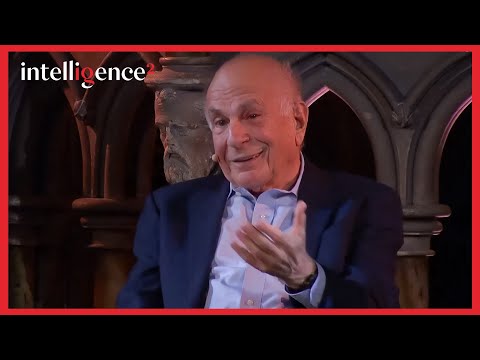
Daniel Kahneman, an Israeli-American psychologist and economist, is best known for his work on behavioral economics, a field that challenges traditional economic theories by incorporating psychological insights into human decision-making. Born on March 5, 1934, in Tel Aviv, Kahneman's research has had a profound impact on our understanding of cognitive biases, heuristics, and the limitations of human rationality. His collaboration with Amos Tversky led to the development of prospect theory, which describes how people make decisions under uncertainty. Kahneman's work has been widely influential, with applications in fields such as finance, marketing, and public policy. With a Vibe score of 85, Kahneman's ideas have resonated with a broad audience, and his book 'Thinking, Fast and Slow' has become a classic in the field. As a pioneer in behavioral economics, Kahneman's legacy continues to shape our understanding of human decision-making and its implications for economics, policy, and society. His influence can be seen in the work of other notable economists and psychologists, such as Richard Thaler and Cass Sunstein, who have built upon his research to develop new theories and applications. With a controversy spectrum of 20, Kahneman's work has been subject to some criticism and debate, particularly regarding the limitations of prospect theory and the potential for biases in his own research methods.
📚 Introduction to Daniel Kahneman
Daniel Kahneman is widely regarded as the father of Behavioral Economics, a field that combines insights from Psychology and Economics to understand how people make decisions. Born in 1934 in Tel Aviv, Kahneman's work has had a profound impact on our understanding of human behavior and decision-making. His collaboration with Amos Tversky led to the development of Prospect Theory, which challenges the traditional Expected Utility Theory. Kahneman's work has been recognized with numerous awards, including the Nobel Prize in Economics in 2002. His research has also been influenced by the work of Herbert Simon and Gary Becker.
🏆 The Nobel Prize and Its Impact
The Nobel Prize in Economics awarded to Daniel Kahneman in 2002 marked a significant milestone in the development of Behavioral Economics. Kahneman's work, particularly his collaboration with Amos Tversky, was recognized for its groundbreaking contributions to our understanding of human decision-making. The Nobel Committee cited Kahneman's work on Prospect Theory and his challenges to the traditional Expected Utility Theory. This recognition helped establish Behavioral Economics as a distinct field of study, influencing research in Economics, Psychology, and Finance. Kahneman's work has also been influenced by the ideas of John Maynard Keynes and Milton Friedman.
📊 The Birth of Behavioral Economics
The birth of Behavioral Economics can be attributed to the work of Daniel Kahneman and his collaborators, particularly Amos Tversky. Their research challenged the traditional assumptions of Neoclassical Economics, which posits that individuals make rational decisions based on complete information. In contrast, Kahneman and Tversky's work showed that people's decisions are often influenced by Cognitive Biases and Heuristics. This new perspective has led to a deeper understanding of human behavior and decision-making, with implications for fields such as Finance, Marketing, and Public Policy. The work of Richard Thaler and Robert Shiller has also contributed to the development of Behavioral Economics.
📝 Thinking, Fast and Slow: A Game-Changer
Daniel Kahneman's book, Thinking, Fast and Slow, published in 2011, is a comprehensive overview of his life's work and a seminal text in the field of Behavioral Economics. The book explores the two systems of thinking that govern our decisions: the fast, intuitive system and the slow, rational system. Kahneman's work has been widely praised for its accessibility and insight, making complex concepts such as Prospect Theory and Loss Aversion understandable to a broad audience. The book has also been influential in shaping the field of Behavioral Finance, with implications for Investment and Portfolio Management. The ideas of Daniel Kahneman have also been applied in the field of Behavioral Marketing.
👥 Collaboration and Influence
Throughout his career, Daniel Kahneman has collaborated with numerous scholars, including Amos Tversky, Richard Thaler, and George Akerlof. These collaborations have led to significant advances in our understanding of human behavior and decision-making. Kahneman's work has also been influenced by the ideas of Herbert Simon and Gary Becker, among others. His research has been recognized with numerous awards, including the Nobel Prize in Economics in 2002. Kahneman's collaboration with Amos Tversky on Prospect Theory is particularly notable, as it challenged the traditional Expected Utility Theory and paved the way for the development of Behavioral Economics. The work of Daniel Kahneman has also been influenced by the ideas of John Nash and Reinhard Selten.
📈 The Rise of Behavioral Economics
The rise of Behavioral Economics as a distinct field of study can be attributed, in part, to the work of Daniel Kahneman and his collaborators. Their research has shown that people's decisions are often influenced by Cognitive Biases and Heuristics, rather than purely rational considerations. This new perspective has led to a deeper understanding of human behavior and decision-making, with implications for fields such as Finance, Marketing, and Public Policy. The field of Behavioral Economics has also been influenced by the work of Richard Thaler and Cass Sunstein, among others. The ideas of Daniel Kahneman have also been applied in the field of Behavioral Finance, with implications for Investment and Portfolio Management.
🔍 Criticisms and Controversies
Despite the significant contributions of Daniel Kahneman to the field of Behavioral Economics, his work has not been without criticism. Some have argued that his research is too focused on the individual, neglecting the role of social and cultural factors in shaping behavior. Others have criticized the methodology of his research, arguing that it is too reliant on laboratory experiments and fails to account for real-world complexities. Additionally, some have questioned the policy implications of Kahneman's work, arguing that it can be used to justify paternalistic interventions in people's lives. The work of Daniel Kahneman has also been influenced by the ideas of Herbert Simon and Gary Becker, among others. The ideas of Daniel Kahneman have also been applied in the field of Behavioral Marketing.
🌎 Global Applications and Implications
The global applications and implications of Daniel Kahneman's work are far-reaching. His research has influenced fields such as Finance, Marketing, and Public Policy, with implications for decision-making at the individual, organizational, and societal levels. For example, his work on Prospect Theory has been used to inform the design of Pension Plans and Health Insurance policies. Additionally, his research on Loss Aversion has been applied in the development of Behavioral Finance strategies. The work of Daniel Kahneman has also been influenced by the ideas of John Maynard Keynes and Milton Friedman. The ideas of Daniel Kahneman have also been applied in the field of Behavioral Economics, with implications for Investment and Portfolio Management.
📊 The Future of Behavioral Economics
As the field of Behavioral Economics continues to evolve, it is likely that Daniel Kahneman's work will remain a foundational influence. His research has paved the way for a deeper understanding of human behavior and decision-making, with implications for a wide range of fields. As new research emerges, it is likely that Kahneman's work will be built upon and extended, leading to new insights and applications. For example, the development of Artificial Intelligence and Machine Learning may lead to new opportunities for applying Behavioral Economics principles in fields such as Finance and Marketing. The work of Daniel Kahneman has also been influenced by the ideas of Herbert Simon and Gary Becker, among others. The ideas of Daniel Kahneman have also been applied in the field of Behavioral Finance, with implications for Investment and Portfolio Management.
👨🏫 Kahneman's Legacy and Impact
Daniel Kahneman's legacy and impact on the field of Behavioral Economics are undeniable. His work has challenged traditional assumptions about human behavior and decision-making, leading to a deeper understanding of the psychological and social factors that influence our choices. As a result, his research has had a profound impact on fields such as Finance, Marketing, and Public Policy. Kahneman's work has also inspired a new generation of researchers, who are continuing to build upon and extend his ideas. The work of Daniel Kahneman has also been influenced by the ideas of John Nash and Reinhard Selten. The ideas of Daniel Kahneman have also been applied in the field of Behavioral Economics, with implications for Investment and Portfolio Management.
📚 Conclusion and Further Reading
In conclusion, Daniel Kahneman's work has had a profound impact on our understanding of human behavior and decision-making. His research has challenged traditional assumptions and led to the development of Behavioral Economics as a distinct field of study. As the field continues to evolve, it is likely that Kahneman's work will remain a foundational influence, shaping our understanding of human behavior and decision-making for years to come. For further reading, see Thinking, Fast and Slow and Prospect Theory. The work of Daniel Kahneman has also been influenced by the ideas of Herbert Simon and Gary Becker, among others. The ideas of Daniel Kahneman have also been applied in the field of Behavioral Finance, with implications for Investment and Portfolio Management.
Key Facts
- Year
- 2002
- Origin
- Israel
- Category
- Economics, Psychology
- Type
- Person
Frequently Asked Questions
What is Behavioral Economics?
Behavioral Economics is a field of study that combines insights from Psychology and Economics to understand how people make decisions. It challenges traditional assumptions about human behavior and decision-making, highlighting the role of Cognitive Biases and Heuristics in shaping our choices. The work of Daniel Kahneman and Amos Tversky has been instrumental in developing this field. For more information, see Behavioral Economics.
What is Prospect Theory?
Prospect Theory is a theoretical framework developed by Daniel Kahneman and Amos Tversky to explain how people make decisions under uncertainty. It challenges the traditional Expected Utility Theory and highlights the role of Loss Aversion and Framing Effects in shaping our choices. For more information, see Prospect Theory.
What is the significance of Daniel Kahneman's work?
Daniel Kahneman's work has had a profound impact on our understanding of human behavior and decision-making. His research has challenged traditional assumptions and led to the development of Behavioral Economics as a distinct field of study. His work has influenced fields such as Finance, Marketing, and Public Policy, with implications for decision-making at the individual, organizational, and societal levels. For more information, see Daniel Kahneman.
How has Daniel Kahneman's work influenced other fields?
Daniel Kahneman's work has had a significant impact on fields such as Finance, Marketing, and Public Policy. His research on Prospect Theory and Loss Aversion has been applied in the development of Behavioral Finance strategies and Pension Plans. His work has also influenced the development of Nudge Theory and Behavioral Public Policy. For more information, see Behavioral Economics.
What is the future of Behavioral Economics?
The future of Behavioral Economics is likely to be shaped by ongoing research and advances in fields such as Artificial Intelligence and Machine Learning. As new technologies emerge, it is likely that Behavioral Economics principles will be applied in new and innovative ways, leading to new insights and applications. For more information, see Behavioral Economics.