
Contents
- 🔍 Introduction to Muscarinic Receptors
- 🧬 Structure and Function of Muscarinic Receptors
- 🔬 Methods for Studying Muscarinic Receptor Structure
- 📈 The Role of Muscarinic Receptors in the Nervous System
- 💡 Muscarinic Receptors and Neurological Disorders
- 👥 Key Players in Muscarinic Receptor Research
- 📊 Muscarinic Receptor Structure and Ligand Binding
- 🔑 The Future of Muscarinic Receptor Research
- 🌐 Muscarinic Receptors and Their Role in the Body
- 💻 Computational Models of Muscarinic Receptor Structure
- 📚 Current Research and Developments in Muscarinic Receptor Structure
- Frequently Asked Questions
- Related Topics
Overview
The study of muscarinic receptors is a crucial aspect of neuroscience, as these receptors play a significant role in various physiological processes. Muscarinic receptors are a type of acetylcholine receptor that responds to the neurotransmitter acetylcholine, which is involved in many functions, including muscle contraction, heart rate, and cognitive processes. To understand the structure and function of muscarinic receptors, researchers have employed various techniques, including X-ray crystallography and molecular dynamics simulations. These methods have allowed scientists to gain insights into the molecular mechanisms underlying muscarinic receptor function, as discussed in neurotransmitter research. Furthermore, the study of muscarinic receptors has important implications for the development of treatments for neurological disorders, such as Alzheimer's disease and Parkinson's disease.
🧬 Structure and Function of Muscarinic Receptors
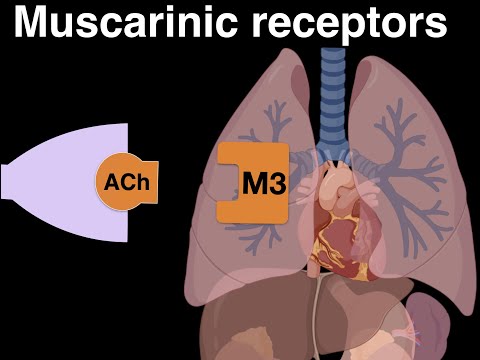
Muscarinic receptors are G protein-coupled receptors that consist of seven transmembrane alpha-helices. The structure of muscarinic receptors is characterized by a binding pocket that recognizes acetylcholine, which triggers a signaling cascade that ultimately leads to various physiological responses. The binding of acetylcholine to muscarinic receptors is a complex process that involves the interaction of multiple amino acid residues, as described in protein structure research. Understanding the structure and function of muscarinic receptors is essential for the development of therapeutic agents that target these receptors, such as anticholinergic medications. Additionally, research on muscarinic receptors has led to a greater understanding of the role of these receptors in various diseases, including schizophrenia and depression. The study of muscarinic receptors also involves the use of bioinformatics tools and systems biology approaches.
🔬 Methods for Studying Muscarinic Receptor Structure
To study the structure and function of muscarinic receptors, researchers employ a range of experimental and computational techniques. These methods include site-directed mutagenesis, which allows scientists to introduce specific mutations into the receptor and study the effects on receptor function. Other techniques, such as fluorescence microscopy and electrophysiology, enable researchers to visualize and measure the activity of muscarinic receptors in real-time. Furthermore, computational models, such as molecular docking and quantum mechanics, can be used to predict the binding of ligands to muscarinic receptors and simulate the dynamics of receptor-ligand interactions. These approaches have been used to study the structure and function of muscarinic receptors in various contexts, including neuroplasticity and synaptic transmission.
📈 The Role of Muscarinic Receptors in the Nervous System
Muscarinic receptors play a critical role in the nervous system, where they are involved in various physiological processes, including the regulation of heart rate, blood pressure, and cognitive functions. The activation of muscarinic receptors by acetylcholine can lead to the stimulation of various signaling pathways, including the PI3K/Akt signaling pathway and the MAPK/ERK signaling pathway. These pathways can have various effects on cellular processes, including cell growth, differentiation, and survival. Additionally, muscarinic receptors are involved in the regulation of inflammation and immune response, which are critical for maintaining tissue homeostasis. The study of muscarinic receptors has important implications for the development of treatments for neurological disorders, such as multiple sclerosis and amyotrophic lateral sclerosis.
💡 Muscarinic Receptors and Neurological Disorders
Muscarinic receptors have been implicated in various neurological disorders, including Alzheimer's disease, Parkinson's disease, and schizophrenia. The dysfunction of muscarinic receptors has been linked to the pathogenesis of these diseases, and the development of therapeutic agents that target muscarinic receptors is an active area of research. For example, cholinesterase inhibitors are used to treat Alzheimer's disease by increasing the levels of acetylcholine in the brain, which can stimulate muscarinic receptors and improve cognitive function. Additionally, research on muscarinic receptors has led to a greater understanding of the role of these receptors in pain perception and mood disorders. The study of muscarinic receptors also involves the use of animal models and clinical trials.
👥 Key Players in Muscarinic Receptor Research
Several key players have contributed to our understanding of muscarinic receptor structure and function. These include scientists such as Henry Dale and Otto Loewi, who were awarded the Nobel Prize in Physiology or Medicine in 1936 for their discovery of the chemical transmission of nerve impulses. Other researchers, such as Paul Greengard and Eric Kandel, have made significant contributions to our understanding of the molecular mechanisms underlying muscarinic receptor function. Additionally, research institutions, such as the National Institutes of Health and the Howard Hughes Medical Institute, have provided critical funding and support for research on muscarinic receptors. The study of muscarinic receptors also involves collaboration with pharmaceutical companies and biotechnology companies.
📊 Muscarinic Receptor Structure and Ligand Binding
The structure of muscarinic receptors is characterized by a binding pocket that recognizes acetylcholine. The binding of acetylcholine to muscarinic receptors is a complex process that involves the interaction of multiple amino acid residues. Understanding the structure and function of muscarinic receptors is essential for the development of therapeutic agents that target these receptors. Additionally, research on muscarinic receptors has led to a greater understanding of the role of these receptors in various diseases, including autism and bipolar disorder. The study of muscarinic receptors also involves the use of crystallography and NMR spectroscopy to determine the three-dimensional structure of these receptors. Furthermore, computational models, such as molecular mechanics and quantum chemistry, can be used to predict the binding of ligands to muscarinic receptors and simulate the dynamics of receptor-ligand interactions.
🔑 The Future of Muscarinic Receptor Research
The future of muscarinic receptor research holds much promise for the development of new therapeutic agents and a greater understanding of the role of these receptors in various physiological processes. The use of advanced technologies, such as CRISPR/Cas9 and single-cell analysis, will enable researchers to study muscarinic receptors with greater precision and accuracy. Additionally, the development of new computational models and algorithms will facilitate the prediction of ligand binding and the simulation of receptor-ligand interactions. The study of muscarinic receptors also involves the use of machine learning and artificial intelligence to analyze large datasets and identify patterns. Furthermore, research on muscarinic receptors has important implications for the development of treatments for neurological disorders, such as Huntington's disease and stroke.
🌐 Muscarinic Receptors and Their Role in the Body
Muscarinic receptors play a critical role in various physiological processes, including the regulation of heart rate, blood pressure, and cognitive functions. The activation of muscarinic receptors by acetylcholine can lead to the stimulation of various signaling pathways, including the cAMP signaling pathway and the PKC signaling pathway. These pathways can have various effects on cellular processes, including cell growth, differentiation, and survival. Additionally, muscarinic receptors are involved in the regulation of apoptosis and cell cycle, which are critical for maintaining tissue homeostasis. The study of muscarinic receptors has important implications for the development of treatments for neurological disorders, such as epilepsy and multiple system atrophy.
💻 Computational Models of Muscarinic Receptor Structure
Computational models of muscarinic receptor structure have been developed to predict the binding of ligands and simulate the dynamics of receptor-ligand interactions. These models have been used to study the structure and function of muscarinic receptors in various contexts, including neurodegenerative diseases and psychiatric disorders. Additionally, computational models have been used to predict the efficacy and safety of therapeutic agents that target muscarinic receptors. The development of computational models of muscarinic receptor structure has been facilitated by advances in computational power and algorithm development. Furthermore, the use of cloud computing and high-performance computing has enabled researchers to analyze large datasets and simulate complex systems.
📚 Current Research and Developments in Muscarinic Receptor Structure
Current research and developments in muscarinic receptor structure are focused on understanding the molecular mechanisms underlying muscarinic receptor function and developing new therapeutic agents that target these receptors. The use of advanced technologies, such as single-molecule microscopy and super-resolution microscopy, has enabled researchers to study muscarinic receptors with greater precision and accuracy. Additionally, the development of new computational models and algorithms has facilitated the prediction of ligand binding and the simulation of receptor-ligand interactions. The study of muscarinic receptors also involves the use of systems pharmacology and personalized medicine to develop targeted therapies for neurological disorders.
Key Facts
- Year
- 2022
- Origin
- Vibepedia.wiki
- Category
- Neuroscience
- Type
- Biological Structure
Frequently Asked Questions
What is the role of muscarinic receptors in the nervous system?
Muscarinic receptors play a critical role in the nervous system, where they are involved in various physiological processes, including the regulation of heart rate, blood pressure, and cognitive functions. The activation of muscarinic receptors by acetylcholine can lead to the stimulation of various signaling pathways, including the PI3K/Akt signaling pathway and the MAPK/ERK signaling pathway. These pathways can have various effects on cellular processes, including cell growth, differentiation, and survival. Additionally, muscarinic receptors are involved in the regulation of inflammation and immune response, which are critical for maintaining tissue homeostasis.
What are the implications of muscarinic receptor research for the development of treatments for neurological disorders?
The study of muscarinic receptors has important implications for the development of treatments for neurological disorders, such as Alzheimer's disease, Parkinson's disease, and schizophrenia. The development of therapeutic agents that target muscarinic receptors is an active area of research, and several key players have contributed to our understanding of muscarinic receptor structure and function. Additionally, research on muscarinic receptors has led to a greater understanding of the role of these receptors in various diseases, including autism and bipolar disorder.
What are the current challenges and limitations in muscarinic receptor research?
The current challenges and limitations in muscarinic receptor research include the complexity of muscarinic receptor structure and function, the limited availability of high-resolution crystal structures, and the need for more advanced computational models and algorithms. Additionally, the development of therapeutic agents that target muscarinic receptors is a challenging task, and several key players have contributed to our understanding of muscarinic receptor structure and function. Furthermore, research on muscarinic receptors has led to a greater understanding of the role of these receptors in various diseases, including epilepsy and multiple system atrophy.
What are the potential applications of muscarinic receptor research in the field of neuroscience?
The potential applications of muscarinic receptor research in the field of neuroscience include the development of new therapeutic agents for the treatment of neurological disorders, such as Alzheimer's disease, Parkinson's disease, and schizophrenia. Additionally, research on muscarinic receptors has led to a greater understanding of the role of these receptors in various physiological processes, including the regulation of heart rate, blood pressure, and cognitive functions. The study of muscarinic receptors also involves the use of advanced technologies, such as single-molecule microscopy and super-resolution microscopy, to study muscarinic receptors with greater precision and accuracy.
What are the future directions of muscarinic receptor research?
The future directions of muscarinic receptor research include the development of new computational models and algorithms to predict the binding of ligands and simulate the dynamics of receptor-ligand interactions. Additionally, the use of advanced technologies, such as CRISPR/Cas9 and single-cell analysis, will enable researchers to study muscarinic receptors with greater precision and accuracy. The study of muscarinic receptors also involves the use of machine learning and artificial intelligence to analyze large datasets and identify patterns. Furthermore, research on muscarinic receptors has important implications for the development of treatments for neurological disorders, such as Huntington's disease and stroke.