
Contents
- 🎵 Origins & History
- ⚙️ How It Works
- 📊 Key Facts & Numbers
- 👥 Key People & Organizations
- 🌍 Cultural Impact & Influence
- ⚡ Current State & Latest Developments
- 🤔 Controversies & Debates
- 🔮 Future Outlook & Predictions
- 💡 Practical Applications
- 📚 Related Topics & Deeper Reading
- Frequently Asked Questions
- References
- Related Topics
Overview
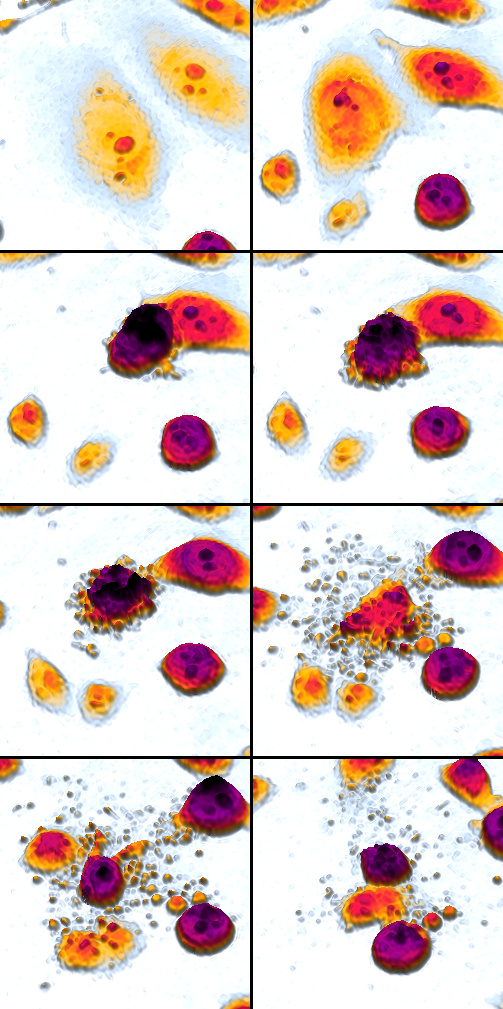
Apoptosis, also known as programmed cell death, is a vital process in multicellular organisms where cells are intentionally killed off to promote the health and development of the body. This process is highly regulated and controlled, involving a series of biochemical events that lead to characteristic cell changes and death. Apoptosis plays a crucial role in various biological processes, including embryonic development, tissue homeostasis, and the elimination of damaged or unwanted cells. For instance, the separation of fingers and toes in a developing human embryo occurs due to apoptosis, and the average adult human loses 50 to 70 billion cells each day to this process. Understanding apoptosis is essential for comprehending various diseases, including cancer, where the regulation of cell death is often disrupted. Research on apoptosis has been conducted by numerous scientists, including Douglas Green and Peter Meier, who have made significant contributions to the field. The study of apoptosis is closely related to other topics, such as cell biology and molecular biology.
🎵 Origins & History
Apoptosis has its roots in ancient Greek, with the term 'apoptosis' derived from the words 'apo' meaning 'away from' and 'ptosis' meaning 'falling'. The concept of programmed cell death was first introduced by John Kerr and colleagues in the 1970s. Since then, research on apoptosis has expanded rapidly, with significant contributions from scientists such as Alfred Lasker and Craig Thompson. The history of apoptosis research is closely tied to the development of cancer research and cell biology.
⚙️ How It Works
The process of apoptosis involves a series of biochemical events that lead to characteristic cell changes and death. These changes include blebbing, cell shrinkage, nuclear fragmentation, chromatin condensation, DNA fragmentation, and mRNA decay. The process is highly regulated and controlled, involving various signaling pathways and molecular mechanisms. For example, the Bcl-2 family of proteins plays a crucial role in regulating apoptosis, and the caspase family of enzymes is involved in the execution of cell death. Apoptosis is also closely related to other cellular processes, such as autophagy and necrosis.
📊 Key Facts & Numbers
Apoptosis is a widespread process that occurs in various tissues and cell types. The average adult human loses 50 to 70 billion cells each day to apoptosis, while the average human child between 8 and 14 years old loses 20 to 30 billion cells per day. Apoptosis plays a crucial role in maintaining tissue homeostasis and preventing disease. For instance, the elimination of damaged or unwanted cells through apoptosis helps to prevent the development of cancer. The study of apoptosis has led to the development of various therapies, including cancer therapy and regenerative medicine.
👥 Key People & Organizations
Several key people and organizations have contributed to the understanding of apoptosis. These include Douglas Green, a renowned expert in the field of apoptosis, and Peter Meier, who has made significant contributions to the study of apoptosis regulation. The National Institutes of Health (NIH) and the American Cancer Society are among the organizations that have supported research on apoptosis. The study of apoptosis is closely related to other fields, such as molecular biology and cell biology.
🌍 Cultural Impact & Influence
Apoptosis has had a significant impact on our understanding of various diseases, including cancer, neurodegenerative disorders, and autoimmune diseases. The process of apoptosis has also been implicated in the development of various therapies, including cancer therapy and regenerative medicine. The cultural impact of apoptosis is closely tied to the development of modern medicine and our understanding of the human body. For example, the discovery of apoptosis has led to the development of new treatments for cancer, such as immunotherapy.
⚡ Current State & Latest Developments
Current research on apoptosis is focused on understanding the molecular mechanisms that regulate the process and developing new therapies that target apoptosis. Recent developments include the discovery of new signaling pathways and molecular mechanisms that regulate apoptosis, as well as the development of new therapies that target apoptosis in cancer and other diseases. The study of apoptosis is closely related to other fields, such as genomics and proteomics.
🤔 Controversies & Debates
Despite the significant progress that has been made in understanding apoptosis, there are still several controversies and debates in the field. These include the role of apoptosis in cancer development and the potential therapeutic applications of targeting apoptosis in cancer. The study of apoptosis is closely related to other fields, such as cancer research and cell biology.
🔮 Future Outlook & Predictions
The future outlook for apoptosis research is promising, with significant potential for the development of new therapies that target apoptosis in various diseases. The study of apoptosis is closely related to other fields, such as regenerative medicine and tissue engineering.
💡 Practical Applications
Apoptosis has several practical applications, including the development of new therapies for cancer and other diseases. The process of apoptosis is also closely related to other cellular processes, such as autophagy and necrosis. The study of apoptosis is essential for understanding various diseases and developing new treatments. For example, the discovery of apoptosis has led to the development of new treatments for cancer, such as targeted therapy.
Key Facts
- Year
- 1970s
- Origin
- Ancient Greece
- Category
- chronic-conditions
- Type
- concept
Frequently Asked Questions
What is apoptosis?
Apoptosis is a highly regulated process of programmed cell death that occurs in multicellular organisms and in some eukaryotic, single-celled microorganisms. The process involves a series of biochemical events that lead to characteristic cell changes and death. Apoptosis plays a crucial role in maintaining tissue homeostasis and preventing disease. For example, the elimination of damaged or unwanted cells through apoptosis helps to prevent the development of cancer. The study of apoptosis has led to the development of various therapies, including cancer therapy and regenerative medicine.
What is the role of apoptosis in cancer development?
Apoptosis plays a complex role in cancer development, with both pro-tumorigenic and anti-tumorigenic effects. The process of apoptosis can help to eliminate damaged or unwanted cells, which can prevent the development of cancer. However, cancer cells often develop mechanisms to evade apoptosis, which can contribute to tumor growth and progression. The study of apoptosis in cancer has led to the development of new treatments, such as targeted therapy and immunotherapy.
What are the potential therapeutic applications of targeting apoptosis in cancer?
Targeting apoptosis in cancer has several potential therapeutic applications, including the development of new cancer therapies that induce apoptosis in cancer cells. For example, the use of chemotherapy and radiation therapy can induce apoptosis in cancer cells, leading to tumor shrinkage and improved patient outcomes. Additionally, the development of new therapies that target apoptosis regulators, such as the Bcl-2 family of proteins, may provide new treatment options for cancer patients. The study of apoptosis is closely related to other fields, such as genomics and proteomics.
How does apoptosis relate to other cellular processes, such as autophagy and necrosis?
Apoptosis is closely related to other cellular processes, such as autophagy and necrosis. Autophagy is a process by which cells recycle damaged or dysfunctional cellular components, while necrosis is a form of traumatic cell death that results from acute cellular injury. Apoptosis, autophagy, and necrosis are all interconnected processes that play important roles in maintaining cellular homeostasis and preventing disease. The study of apoptosis is essential for understanding various diseases and developing new treatments. For example, the discovery of apoptosis has led to the development of new treatments for cancer, such as immunotherapy.
What are the current challenges and future directions in apoptosis research?
The current challenges in apoptosis research include understanding the complex regulation of apoptosis and developing new therapies that target apoptosis in cancer and other diseases. Future directions in apoptosis research include the development of new therapies that target apoptosis regulators, such as the Bcl-2 family of proteins, and the study of apoptosis in other diseases, such as neurodegenerative disorders and autoimmune diseases. The study of apoptosis is closely related to other fields, such as regenerative medicine and tissue engineering.
How does apoptosis impact our understanding of various diseases?
Apoptosis has a significant impact on our understanding of various diseases, including cancer, neurodegenerative disorders, and autoimmune diseases. The process of apoptosis plays a crucial role in maintaining tissue homeostasis and preventing disease, and dysregulation of apoptosis can contribute to disease development and progression. The study of apoptosis has led to the development of new treatments, such as targeted therapy and immunotherapy.
What are the potential applications of apoptosis in regenerative medicine?
Apoptosis has several potential applications in regenerative medicine, including the development of new therapies that promote tissue regeneration and repair. For example, the use of stem cells and gene therapy may promote tissue regeneration and repair by inducing apoptosis in damaged or unwanted cells. The study of apoptosis is closely related to other fields, such as tissue engineering and biomaterials.