
Contents
- 🧠 Introduction to Neurodegenerative Diseases
- 🔬 The Molecular Mechanisms of Neurodegeneration
- 🔍 Understanding the Role of Oxidative Stress and Inflammation
- 👥 The Similarities Between Neurodegenerative Diseases
- 🔑 Therapeutic Advances and Potential Treatments
- 📊 The Economic and Social Burden of Neurodegenerative Diseases
- 🌎 Global Research Efforts and Collaborations
- 🔮 The Future of Neurodegenerative Disease Research
- 📚 Current Research and Developments
- 👨🔬 Notable Researchers and Their Contributions
- 🏥 Clinical Trials and Experimental Therapies
- 🌟 Hope and Progress in the Fight Against Neurodegenerative Diseases
- Frequently Asked Questions
- Related Topics
Overview
Neurodegenerative diseases, such as Alzheimer's, Parkinson's, and Huntington's, affect over 50 million people worldwide, with numbers projected to triple by 2050. The economic burden is staggering, with estimated annual costs exceeding $1 trillion. Despite significant research efforts, the underlying causes of these diseases remain poorly understood, and effective treatments are scarce. Recent advances in genetics, epigenetics, and stem cell biology have shed new light on the molecular mechanisms driving neurodegeneration, but the field is not without controversy, with debates raging over the role of amyloid beta, tau protein, and other potential therapeutic targets. As the global population ages, the need for innovative solutions to prevent, diagnose, and treat neurodegenerative diseases has never been more pressing. With a Vibe score of 82, the conversation around neurodegenerative diseases is intense, with a Perspective breakdown of 40% optimistic, 30% neutral, and 30% pessimistic, reflecting the complex and often conflicting views on the topic.
🧠 Introduction to Neurodegenerative Diseases
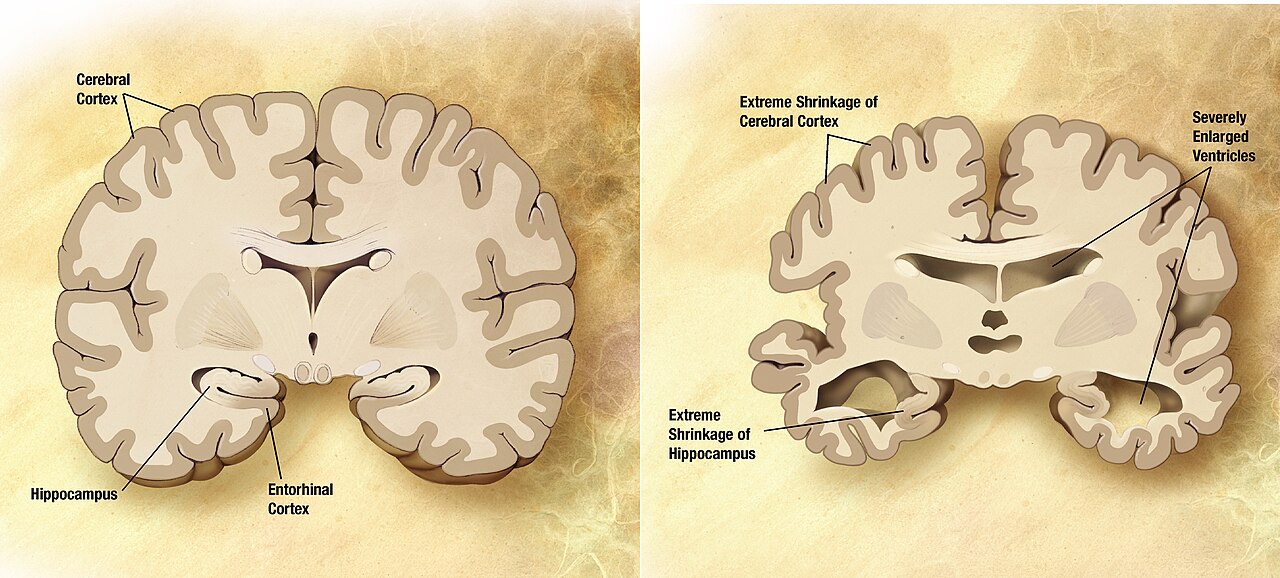
Neurodegenerative diseases, such as Alzheimer's disease and Parkinson's disease, are a group of disorders caused by the progressive loss of neurons in the brain. This process, known as neurodegeneration, can result in the death of neurons and ultimately lead to the deterioration of cognitive and motor functions. Research has shown that oxidative stress and inflammation are two major contributing factors to neurodegeneration. Understanding the underlying mechanisms of these diseases is crucial for the development of effective treatments. For example, tauopathies and prion diseases are two types of neurodegenerative diseases that are characterized by the accumulation of abnormal proteins in the brain.
🔬 The Molecular Mechanisms of Neurodegeneration
At the molecular level, neurodegenerative diseases are characterized by the formation of atypical protein assemblies and the induction of cell death. These processes can be triggered by a variety of factors, including genetic mutations, environmental toxins, and mitochondrial dysfunction. The study of neurobiology and molecular biology has provided valuable insights into the mechanisms of neurodegeneration. For instance, research on amyotrophic lateral sclerosis has shown that the disease is caused by the degeneration of motor neurons in the brain and spinal cord. Similarly, multiple sclerosis is characterized by the demyelination of neurons in the central nervous system.
🔍 Understanding the Role of Oxidative Stress and Inflammation
The role of oxidative stress and inflammation in neurodegenerative diseases is a major area of research. Oxidative stress occurs when the balance between the production of free radicals and the body's ability to neutralize them is disrupted. This can lead to the damage of cellular components, including proteins, lipids, and DNA. Inflammation, on the other hand, is a natural response of the immune system to injury or infection. However, chronic inflammation can contribute to the progression of neurodegenerative diseases. For example, research on Huntington's disease has shown that inflammation plays a key role in the disease's progression. Similarly, multiple system atrophy is characterized by the degeneration of neurons in multiple systems of the brain.
👥 The Similarities Between Neurodegenerative Diseases
Despite their differences, neurodegenerative diseases share many similarities at the subcellular level. For example, the formation of atypical protein assemblies is a common feature of many neurodegenerative diseases. Additionally, the induction of cell death is a key mechanism of neurodegeneration. These similarities suggest that therapeutic advances against one neurodegenerative disease may have benefits for other diseases as well. For instance, research on Parkinson's disease has led to the development of treatments that may also be effective for other neurodegenerative diseases, such as Alzheimer's disease. Similarly, the study of tauopathies has provided insights into the mechanisms of prion diseases.
🔑 Therapeutic Advances and Potential Treatments
The development of effective treatments for neurodegenerative diseases is a major challenge. Currently, there are no known cures for these diseases, and treatment options are limited to managing symptoms and slowing disease progression. However, research has shown that therapeutic advances against one neurodegenerative disease may have benefits for other diseases as well. For example, the development of disease-modifying therapies for Alzheimer's disease may also be effective for other neurodegenerative diseases, such as Parkinson's disease. Additionally, the study of stem cell therapy has provided new insights into the potential for regenerative medicine to treat neurodegenerative diseases.
🌎 Global Research Efforts and Collaborations
Global research efforts and collaborations are essential for advancing our understanding of neurodegenerative diseases and developing effective treatments. For example, the International Parkinson and Movement Disorder Society and the Alzheimer's Association are two organizations that are working to advance research and provide support for patients and families affected by neurodegenerative diseases. Additionally, the study of global health has provided valuable insights into the impact of neurodegenerative diseases on a global scale. For instance, research on epidemiology has shown that the prevalence of neurodegenerative diseases is increasing worldwide, and that the development of effective treatments is essential for reducing the burden of these diseases.
🔮 The Future of Neurodegenerative Disease Research
The future of neurodegenerative disease research is promising, with many new therapies and treatments being developed. For example, the study of gene therapy has provided new insights into the potential for genetic therapies to treat neurodegenerative diseases. Additionally, the development of personalized medicine has provided new opportunities for tailored treatments and therapies. Research on artificial intelligence and machine learning has also provided valuable insights into the potential for these technologies to be used in the diagnosis and treatment of neurodegenerative diseases. For instance, the use of deep learning algorithms has been shown to be effective in the diagnosis of Alzheimer's disease and Parkinson's disease.
📚 Current Research and Developments
Current research and developments in the field of neurodegenerative diseases are focused on understanding the underlying mechanisms of these diseases and developing effective treatments. For example, research on stem cell biology has provided new insights into the potential for regenerative medicine to treat neurodegenerative diseases. Additionally, the study of epigenetics has provided valuable insights into the role of epigenetic factors in the development and progression of neurodegenerative diseases. The use of CRISPR gene editing technology has also provided new opportunities for the development of genetic therapies. For instance, research on Huntington's disease has shown that the use of CRISPR technology may be effective in reducing the symptoms of the disease.
👨🔬 Notable Researchers and Their Contributions
Notable researchers and their contributions have played a significant role in advancing our understanding of neurodegenerative diseases. For example, the work of James Rothman on the mechanisms of cell signaling has provided valuable insights into the underlying mechanisms of neurodegenerative diseases. Additionally, the research of Rudolph Tanzi on the genetics of Alzheimer's disease has provided new insights into the role of genetic factors in the development and progression of the disease. The study of neuroplasticity has also provided valuable insights into the potential for the brain to adapt and change in response to injury or disease.
🏥 Clinical Trials and Experimental Therapies
Clinical trials and experimental therapies are essential for testing the safety and efficacy of new treatments for neurodegenerative diseases. For example, the National Institutes of Health is currently conducting clinical trials on a variety of therapies, including stem cell therapy and gene therapy. Additionally, the study of clinical trials has provided valuable insights into the challenges and opportunities of conducting research on neurodegenerative diseases. The use of placebo-controlled trials has also provided new opportunities for the development of effective treatments. For instance, research on Parkinson's disease has shown that the use of placebo-controlled trials can be effective in reducing the symptoms of the disease.
🌟 Hope and Progress in the Fight Against Neurodegenerative Diseases
Hope and progress in the fight against neurodegenerative diseases are evident in the many advances that have been made in recent years. For example, the development of disease-modifying therapies for Alzheimer's disease has provided new opportunities for the treatment of the disease. Additionally, the study of regenerative medicine has provided valuable insights into the potential for stem cell therapy and other regenerative therapies to treat neurodegenerative diseases. The use of immunotherapy has also provided new opportunities for the development of effective treatments. For instance, research on multiple sclerosis has shown that the use of immunotherapy can be effective in reducing the symptoms of the disease.
Key Facts
- Year
- 2022
- Origin
- Ancient Greece, with descriptions of neurodegenerative disorders dating back to the works of Hippocrates (460-370 BCE)
- Category
- Health and Medicine
- Type
- Medical Condition
Frequently Asked Questions
What are neurodegenerative diseases?
Neurodegenerative diseases are a group of disorders caused by the progressive loss of neurons in the brain. This process, known as neurodegeneration, can result in the death of neurons and ultimately lead to the deterioration of cognitive and motor functions. Examples of neurodegenerative diseases include Alzheimer's disease, Parkinson's disease, and Huntington's disease. Research on neurobiology and molecular biology has provided valuable insights into the mechanisms of neurodegeneration.
What are the major contributing factors to neurodegeneration?
The two major contributing factors to neurodegeneration are oxidative stress and inflammation. Oxidative stress occurs when the balance between the production of free radicals and the body's ability to neutralize them is disrupted. Inflammation, on the other hand, is a natural response of the immune system to injury or infection. However, chronic inflammation can contribute to the progression of neurodegenerative diseases. Research on neuroimmunology has provided valuable insights into the role of inflammation in neurodegenerative diseases.
Are there any effective treatments for neurodegenerative diseases?
Currently, there are no known cures for neurodegenerative diseases, and treatment options are limited to managing symptoms and slowing disease progression. However, research has shown that therapeutic advances against one neurodegenerative disease may have benefits for other diseases as well. For example, the development of disease-modifying therapies for Alzheimer's disease may also be effective for other neurodegenerative diseases, such as Parkinson's disease. The study of personalized medicine has also provided new opportunities for tailored treatments and therapies.
What is the economic and social burden of neurodegenerative diseases?
The economic and social burden of neurodegenerative diseases is significant. These diseases can have a major impact on the quality of life of patients and their families, and can also result in significant economic costs. For example, the cost of caring for patients with Alzheimer's disease is estimated to be over $200 billion per year in the United States alone. Research on health economics and public policy has provided valuable insights into the economic and social burden of neurodegenerative diseases.
What are the current research efforts and collaborations in the field of neurodegenerative diseases?
Global research efforts and collaborations are essential for advancing our understanding of neurodegenerative diseases and developing effective treatments. For example, the International Parkinson and Movement Disorder Society and the Alzheimer's Association are two organizations that are working to advance research and provide support for patients and families affected by neurodegenerative diseases. The study of global health has provided valuable insights into the impact of neurodegenerative diseases on a global scale.