
Contents
- 🌟 Introduction to Hormones
- 🧬 The Biology of Hormones
- 🌿 Plant Hormones: A Key to Growth
- 🐝 Animal Hormones: Regulating Physiology
- 🧬 The Role of Hormones in Human Development
- 🏥 Hormonal Imbalance: Causes and Consequences
- 💡 The Future of Hormone Research
- 📊 Hormone-Related Disorders: Diagnosis and Treatment
- 👥 Hormones and Behavior: The Mind-Body Connection
- 🌎 Environmental Impact on Hormone Regulation
- 🔬 Hormone Research: Current Trends and Breakthroughs
- Frequently Asked Questions
- Related Topics
Overview
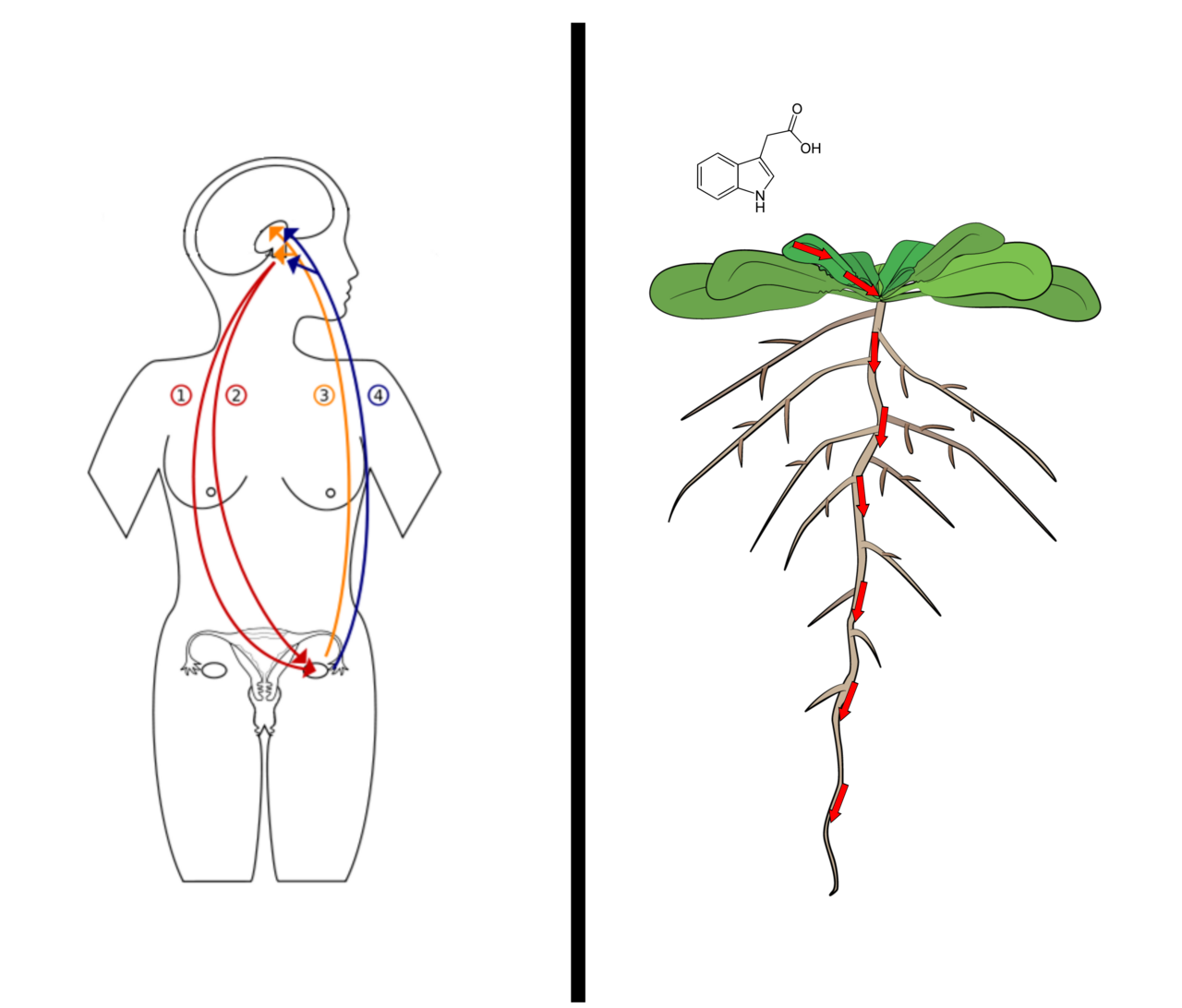
Hormones are chemical messengers produced by glands in the endocrine system that regulate various bodily functions, including growth, metabolism, reproduction, and mood. The discovery of hormones dates back to the early 20th century, with scientists like Ernest Starling and William Bayliss identifying the first hormone, secretin, in 1902. Today, we know of over 200 hormones, each with unique roles and mechanisms of action. Hormonal imbalances can lead to conditions like diabetes, thyroid disorders, and polycystic ovary syndrome (PCOS), affecting millions worldwide. The study of hormones has also led to the development of numerous treatments, including hormone replacement therapy (HRT) and contraceptives. As research continues to uncover the intricacies of hormonal regulation, we are poised to make significant strides in understanding and addressing hormonal disorders, with potential breakthroughs on the horizon, such as personalized hormone therapy and novel diagnostic tools, which could revolutionize the field of endocrinology and improve the lives of countless individuals.
🌟 Introduction to Hormones
Hormones are the body's messengers, playing a crucial role in regulating various physiological processes. As signaling molecules, they are produced by endocrine glands and travel through the bloodstream to reach their target organs. Hormones are essential for the normal development and functioning of multicellular organisms, including animals, plants, and fungi. The study of hormones is a vital aspect of biology and health sciences. Researchers like Dr. Barbara McClintock have made significant contributions to our understanding of hormone regulation. For more information on hormone-related topics, visit the Hormone Wiki page.
🧬 The Biology of Hormones
The biology of hormones is complex and fascinating. Hormones are produced by endocrine glands, such as the pituitary gland, thyroid gland, and adrenal gland. These glands release hormones into the bloodstream, which then travel to their target organs to regulate various physiological processes. Hormones can be classified into different types, including peptide hormones, steroid hormones, and amine hormones. Each type of hormone has a unique mechanism of action and plays a specific role in regulating physiology and behavior. The Endocrine Society provides valuable resources on hormone biology and research.
🌿 Plant Hormones: A Key to Growth
Plant hormones, also known as phytohormones, play a crucial role in regulating plant growth and development. There are several types of plant hormones, including auxins, gibberellins, and cytokinins. These hormones regulate various physiological processes, such as cell elongation, cell division, and phototropism. Plant hormones are essential for plant growth and development, and their regulation is critical for agriculture and horticulture. Researchers like Dr. Julia Morton have made significant contributions to our understanding of plant hormone regulation. For more information on plant hormones, visit the Plant Hormone Wiki page.
🐝 Animal Hormones: Regulating Physiology
Animal hormones, including human hormones, regulate various physiological processes, such as growth, development, and metabolism. Hormones like insulin and glucagon regulate blood sugar levels, while hormones like thyroxine and triiodothyronine regulate metabolic rate. Animal hormones are essential for maintaining homeostasis and overall health. The American Diabetes Association provides valuable resources on hormone-related disorders, such as diabetes.
🧬 The Role of Hormones in Human Development
Hormones play a crucial role in human development, from embryonic development to adulthood. Hormones like estrogen and testosterone regulate reproduction and sexual differentiation. Hormones like growth hormone and thyroid-stimulating hormone regulate growth and development. Hormonal imbalances during critical periods of development can have significant consequences for health and well-being. The World Health Organization provides guidelines on hormone-related health issues, such as hormone disorders.
🏥 Hormonal Imbalance: Causes and Consequences
Hormonal imbalance can have significant consequences for health and well-being. Hormonal imbalances can be caused by various factors, including genetic disorders, environmental factors, and lifestyle choices. Hormonal imbalances can lead to various health problems, such as thyroid disorders, adrenal insufficiency, and reproductive disorders. The hormone replacement therapy is a common treatment for hormonal imbalances. For more information on hormonal imbalances, visit the Hormonal Imbalance Wiki page.
💡 The Future of Hormone Research
The future of hormone research holds much promise. Advances in genomics and proteomics are providing new insights into hormone regulation and function. Researchers are exploring new treatments for hormone-related disorders, such as gene therapy and stem cell therapy. The development of new technologies, such as hormone sensors and hormone delivery systems, is also expected to revolutionize the field of hormone research. The National Institutes of Health provides funding for hormone-related research and development.
👥 Hormones and Behavior: The Mind-Body Connection
Hormones play a significant role in regulating behavior, including mood, cognition, and motivation. Hormones like serotonin and dopamine regulate mood and motivation, while hormones like cortisol and adrenaline regulate stress response. The study of hormones and behavior is a vital aspect of psychology and neuroscience. Researchers like Dr. Francis Crick have made significant contributions to our understanding of hormone-behavior interactions. For more information on hormone-behavior interactions, visit the Hormone-Behavior Wiki page.
🌎 Environmental Impact on Hormone Regulation
Environmental factors, such as pollution and climate change, can have significant impacts on hormone regulation. Exposure to endocrine disruptors, such as bisphenol A and phthalates, can disrupt hormone function and lead to various health problems. The study of environmental impacts on hormone regulation is a vital aspect of environmental health and ecology. The Environmental Protection Agency provides guidelines on environmental health and safety.
🔬 Hormone Research: Current Trends and Breakthroughs
Hormone research is a rapidly evolving field, with new breakthroughs and discoveries being made regularly. Current trends in hormone research include the study of epigenetics and gene-environment interactions. Researchers are also exploring new technologies, such as CRISPR gene editing, to develop new treatments for hormone-related disorders. The National Science Foundation provides funding for hormone-related research and development.
Key Facts
- Year
- 1902
- Origin
- Endocrinology
- Category
- Biology, Health
- Type
- Biological Concept
Frequently Asked Questions
What are hormones?
Hormones are signaling molecules produced by endocrine glands that regulate various physiological processes. They play a crucial role in maintaining homeostasis and overall health. Hormones can be classified into different types, including peptide hormones, steroid hormones, and amine hormones. For more information on hormone types, visit the Hormone Types page.
What are the functions of hormones?
Hormones regulate various physiological processes, including growth, development, metabolism, and reproduction. They also play a role in maintaining homeostasis and overall health. Hormones can be classified into different types, each with specific functions and mechanisms of action. The Hormone Function page provides more information on hormone functions.
What are the different types of hormones?
There are several types of hormones, including peptide hormones, steroid hormones, and amine hormones. Each type of hormone has a unique mechanism of action and plays a specific role in regulating physiology and behavior. The Hormone Classification page provides more information on hormone types and classification.
What are the consequences of hormonal imbalance?
Hormonal imbalance can have significant consequences for health and well-being. Hormonal imbalances can lead to various health problems, such as thyroid disorders, adrenal insufficiency, and reproductive disorders. The Hormonal Imbalance page provides more information on the consequences of hormonal imbalance.
How are hormone-related disorders diagnosed and treated?
Diagnosis of hormone-related disorders involves blood tests and imaging studies to determine hormone levels and identify any underlying conditions. Treatment options include hormone replacement therapy, medications, and lifestyle changes. The Hormone Disorders page provides more information on diagnosis and treatment options.
What is the future of hormone research?
The future of hormone research holds much promise, with advances in genomics and proteomics providing new insights into hormone regulation and function. Researchers are exploring new treatments for hormone-related disorders, such as gene therapy and stem cell therapy. The Hormone Research page provides more information on current trends and future directions in hormone research.
How do environmental factors impact hormone regulation?
Environmental factors, such as pollution and climate change, can have significant impacts on hormone regulation. Exposure to endocrine disruptors can disrupt hormone function and lead to various health problems. The Environmental Impact page provides more information on the effects of environmental factors on hormone regulation.