
Contents
- 🌾 Introduction to Agriculture
- 🌿 History of Agricultural Development
- 🐄 Livestock Production and Domestication
- 🌻 Crop Cultivation and Plant Domestication
- 🌴 Forestry and Aquaculture in Agriculture
- 🏙️ The Rise of Sedentary Human Civilization
- 📈 Industrial Agriculture and Its Impact
- 🌎 Global Agricultural Practices and Diversity
- 🚜 Modern Agricultural Technologies and Innovations
- 🌟 Future of Agriculture and Food Security
- 🤝 Sustainable Agriculture and Environmental Concerns
- 🌐 Global Agricultural Trade and Economy
- Frequently Asked Questions
- Related Topics
Overview
Agriculture is the practice of cultivating the soil, planting, raising, and harvesting both food and non-food crops, as well as Livestock Production and Forestry management. The history of agriculture dates back to the rise of sedentary human civilization, whereby farming of domesticated plants and animals created food surpluses that enabled people to live in the cities. As discussed in History of Agriculture, humans started gathering grains at least 105,000 years ago, but nascent farmers only began planting them around 11,500 years ago. This marked the beginning of a new era in human history, with significant implications for Food Security and Population Growth. The development of agriculture also led to the domestication of Sheep, Goats, Pigs, and Cattle around 10,000 years ago. Today, agriculture is a vital part of the global economy, with Agricultural Trade playing a crucial role in feeding the world's growing population.
🌿 History of Agricultural Development
The history of agricultural development is a long and complex one, spanning thousands of years and multiple continents. As explored in Agricultural History, plants were independently cultivated in at least 11 regions of the world, including Mesopotamia, Egypt, and China. The development of agriculture in these regions was often driven by the need for food security and the desire to settle in one place. The rise of sedentary human civilization was closely tied to the development of agriculture, as City-States and Empires emerged to manage and govern the newly formed agricultural societies. The impact of agriculture on human history cannot be overstated, with significant effects on Population Growth, Urbanization, and Economic Development.
🐄 Livestock Production and Domestication
Livestock production and domestication have played a crucial role in the development of agriculture, with Sheep Farming, Goat Farming, Pig Farming, and Cattle Farming becoming essential components of many agricultural systems. As discussed in Livestock Production, the domestication of animals around 10,000 years ago marked a significant turning point in human history, enabling the production of meat, dairy products, and other essential goods. Today, livestock production is a major contributor to the global economy, with Meat Industry and Dairy Industry playing important roles in feeding the world's growing population. However, the environmental impact of livestock production is a growing concern, with Greenhouse Gas Emissions and Deforestation posing significant challenges to Sustainable Agriculture.
🌻 Crop Cultivation and Plant Domestication
Crop cultivation and plant domestication have been essential components of agriculture since its inception, with Wheat, Maize, and Rice becoming staple crops in many parts of the world. As explored in Crop Cultivation, the independent cultivation of plants in at least 11 regions of the world has led to a diverse range of agricultural practices and traditions. Today, crop cultivation is a vital part of the global food system, with Agricultural Trade playing a crucial role in feeding the world's growing population. However, the challenges facing crop cultivation are significant, with Climate Change, Soil Degradation, and Water Scarcity posing major threats to Food Security.
🌴 Forestry and Aquaculture in Agriculture
Forestry and aquaculture are often overlooked components of agriculture, but they play a vital role in the global food system. As discussed in Forestry, the management of forests for timber, fuelwood, and other forest products is essential for maintaining Ecosystem Services and promoting Sustainable Development. Aquaculture, on the other hand, involves the cultivation of aquatic plants and animals, such as Fish Farming and Shellfish Farming. The integration of forestry and aquaculture into agricultural systems can help promote Biodiversity and Ecosystem Resilience, while also providing essential goods and services for human well-being.
🏙️ The Rise of Sedentary Human Civilization
The rise of sedentary human civilization is closely tied to the development of agriculture, as farming of domesticated plants and animals created food surpluses that enabled people to live in the cities. As explored in Sedentary Civilization, the emergence of City-States and Empires was driven by the need to manage and govern the newly formed agricultural societies. The impact of agriculture on human history has been profound, with significant effects on Population Growth, Urbanization, and Economic Development. Today, the legacy of sedentary human civilization can be seen in the modern cities and towns that dot the globe, with Agricultural Trade playing a crucial role in feeding the world's growing population.
📈 Industrial Agriculture and Its Impact
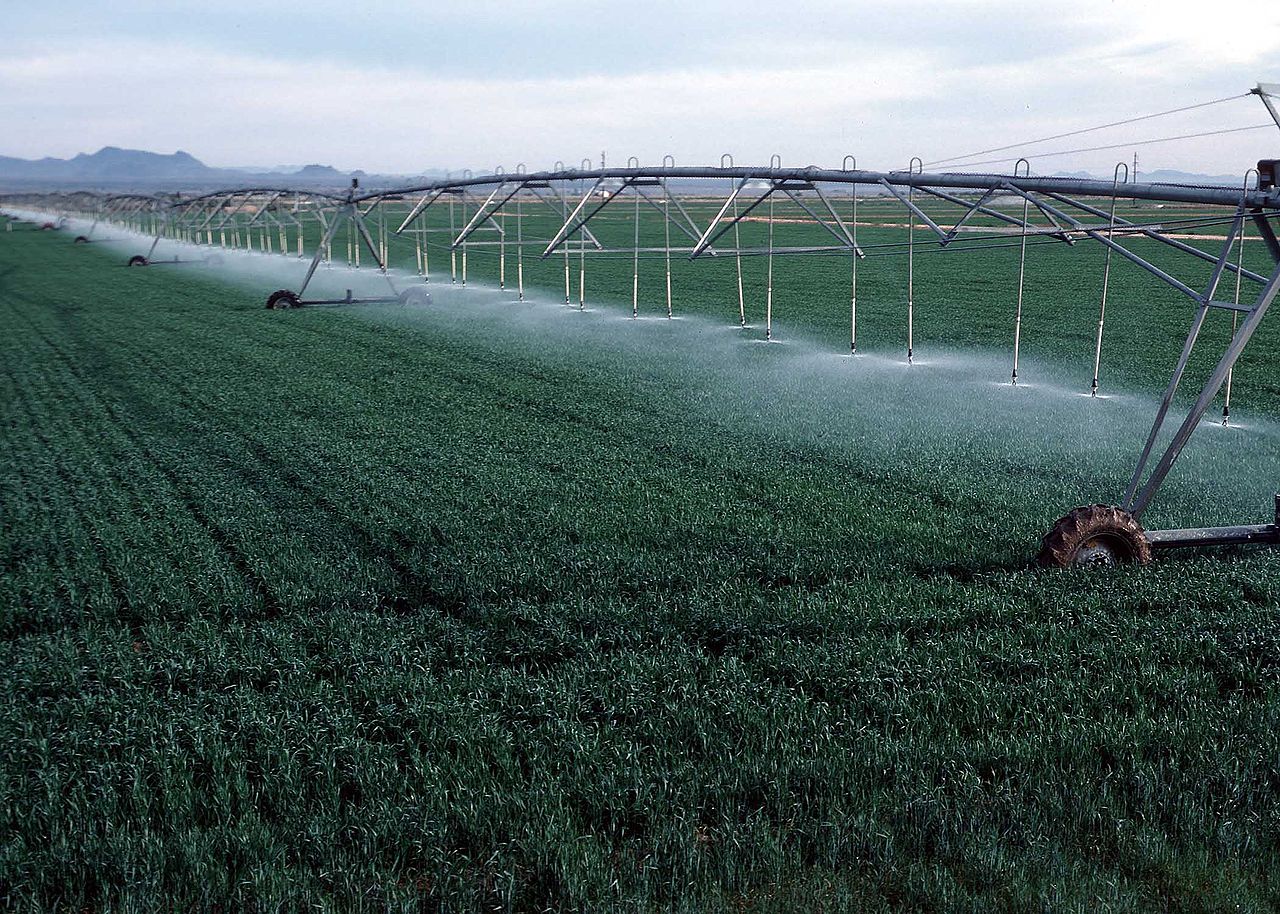
Industrial agriculture based on large-scale monocultures has come to dominate agricultural output in the 20th century, with significant implications for Food Security and Environmental Sustainability. As discussed in Industrial Agriculture, the use of Synthetic Fertilizers, Pesticides, and Irrigation has enabled the production of high-yielding crops, but has also led to significant environmental degradation and social inequality. The challenges facing industrial agriculture are significant, with Climate Change, Soil Degradation, and Water Scarcity posing major threats to Food Security.
🌎 Global Agricultural Practices and Diversity
Global agricultural practices and diversity are essential components of the global food system, with Traditional Agriculture and Indigenous Knowledge playing vital roles in promoting Biodiversity and Ecosystem Resilience. As explored in Agricultural Diversity, the independent cultivation of plants in at least 11 regions of the world has led to a diverse range of agricultural practices and traditions. Today, the preservation of agricultural diversity is essential for maintaining Ecosystem Services and promoting Sustainable Development.
🚜 Modern Agricultural Technologies and Innovations
Modern agricultural technologies and innovations are transforming the way we produce food, with significant implications for Food Security and Environmental Sustainability. As discussed in Agricultural Technology, the use of Precision Agriculture, Genetic Engineering, and Vertical Farming is enabling the production of high-yielding crops, while also reducing environmental degradation and promoting social equality. The challenges facing modern agricultural technologies are significant, with Climate Change, Soil Degradation, and Water Scarcity posing major threats to Food Security.
🌟 Future of Agriculture and Food Security
The future of agriculture and food security is uncertain, with significant challenges facing the global food system. As explored in Future of Agriculture, the impact of Climate Change, Soil Degradation, and Water Scarcity on agricultural productivity and food security will be profound. The preservation of agricultural diversity and the promotion of Sustainable Agriculture will be essential for maintaining Ecosystem Services and promoting Sustainable Development.
🤝 Sustainable Agriculture and Environmental Concerns
Sustainable agriculture and environmental concerns are increasingly important in the modern world, with significant implications for Food Security and Environmental Sustainability. As discussed in Sustainable Agriculture, the use of Organic Farming, Permaculture, and Regenerative Agriculture is enabling the production of high-yielding crops, while also reducing environmental degradation and promoting social equality. The challenges facing sustainable agriculture are significant, with Climate Change, Soil Degradation, and Water Scarcity posing major threats to Food Security.
🌐 Global Agricultural Trade and Economy
Global agricultural trade and economy are essential components of the global food system, with significant implications for Food Security and Economic Development. As explored in Agricultural Trade, the exchange of agricultural goods and services between nations is vital for maintaining Ecosystem Services and promoting Sustainable Development. The challenges facing global agricultural trade are significant, with Trade Barriers, Tariffs, and Non-Tariff Barriers posing major threats to Food Security.
Key Facts
- Year
- 2023
- Origin
- Fertile Crescent, circa 10,000 BCE
- Category
- Agriculture
- Type
- Industry
Frequently Asked Questions
What is agriculture?
Agriculture is the practice of cultivating the soil, planting, raising, and harvesting both food and non-food crops, as well as livestock production. It involves the management of natural resources, such as water and soil, to produce goods and services that meet human needs. As discussed in Agriculture, the history of agriculture dates back to the rise of sedentary human civilization, whereby farming of domesticated plants and animals created food surpluses that enabled people to live in the cities.
What are the different types of agriculture?
There are several types of agriculture, including Subsistence Agriculture, Commercial Agriculture, Organic Agriculture, and Industrial Agriculture. Each type of agriculture has its own unique characteristics and challenges, and the choice of which type to use depends on factors such as climate, soil, and market demand. As explored in Agricultural Diversity, the preservation of agricultural diversity is essential for maintaining Ecosystem Services and promoting Sustainable Development.
What are the benefits of agriculture?
Agriculture provides several benefits, including Food Security, Economic Development, and Environmental Sustainability. It also provides employment opportunities and contributes to the overall well-being of society. As discussed in Agricultural Importance, the impact of agriculture on human history has been profound, with significant effects on Population Growth, Urbanization, and Economic Development.
What are the challenges facing agriculture?
Agriculture faces several challenges, including Climate Change, Soil Degradation, and Water Scarcity. These challenges can have significant impacts on agricultural productivity and food security, and require innovative solutions to address them. As explored in Agricultural Challenges, the preservation of agricultural diversity and the promotion of Sustainable Agriculture will be essential for maintaining Ecosystem Services and promoting Sustainable Development.
How can agriculture be made more sustainable?
Agriculture can be made more sustainable by using practices such as Organic Farming, Permaculture, and Regenerative Agriculture. These practices can help reduce environmental degradation and promote social equality, while also maintaining agricultural productivity. As discussed in Sustainable Agriculture, the use of sustainable agricultural practices is essential for maintaining Ecosystem Services and promoting Sustainable Development.
What is the future of agriculture?
The future of agriculture is uncertain, but it is likely to be shaped by factors such as Climate Change, Population Growth, and Technological Innovation. As explored in Future of Agriculture, the impact of these factors on agricultural productivity and food security will be profound, and will require innovative solutions to address the challenges facing the global food system. The preservation of agricultural diversity and the promotion of Sustainable Agriculture will be essential for maintaining Ecosystem Services and promoting Sustainable Development.
How can agriculture contribute to economic development?
Agriculture can contribute to economic development by providing employment opportunities, generating income, and stimulating economic growth. As discussed in Agricultural Economics, the impact of agriculture on economic development is significant, with agricultural productivity and trade playing crucial roles in promoting Economic Development. The use of Agricultural Technology and Agricultural Innovation can also help increase agricultural productivity and efficiency, leading to increased economic growth and development.