
Contents
- 🎵 Origins & History
- ⚙️ How It Works
- 📊 Key Facts & Numbers
- 👥 Key People & Organizations
- 🌍 Cultural Impact & Influence
- ⚡ Current State & Latest Developments
- 🤔 Controversies & Debates
- 🔮 Future Outlook & Predictions
- 💡 Practical Applications
- 📚 Related Topics & Deeper Reading
- Frequently Asked Questions
- References
- Related Topics
Overview
Proteomics is the large-scale study of proteins, covering their composition, structure, and activity. This interdisciplinary field has greatly benefited from genetic information from genome projects, including the Human Genome Project. Proteomics is crucial for understanding the functions of proteins, which are vital macromolecules in all living organisms, and has numerous applications in fields such as medicine, biotechnology, and agriculture. With the help of mass spectrometry, proteomics can analyze proteomes from millions of cells or single cells, providing valuable insights into protein functions and interactions. The study of proteomics has led to significant advancements in our understanding of various diseases, including cancer, diabetes, and Alzheimer's disease, and has the potential to revolutionize the field of personalized medicine. According to the National Institutes of Health (NIH), proteomics has the potential to improve our understanding of disease mechanisms and develop new diagnostic and therapeutic strategies. As of 2022, the global proteomics market size was valued at $25.7 billion and is expected to grow at a compound annual growth rate (CAGR) of 13.5% from 2023 to 2030.
🎵 Origins & History
Proteomics has its roots in the 1990s, when the Human Genome Project was initiated. The project's goal was to sequence the entire human genome, which led to a vast amount of genetic information. However, it soon became clear that the function of genes could not be fully understood without studying the proteins they encoded. This led to the emergence of proteomics as a distinct field of research. Key figures such as John Walker and Don Hunt made significant contributions to the development of proteomics. The first proteomics conference was held in 1998, and the field has since grown rapidly, with the establishment of organizations such as the Proteome Society and the Human Proteome Organisation.
⚙️ How It Works
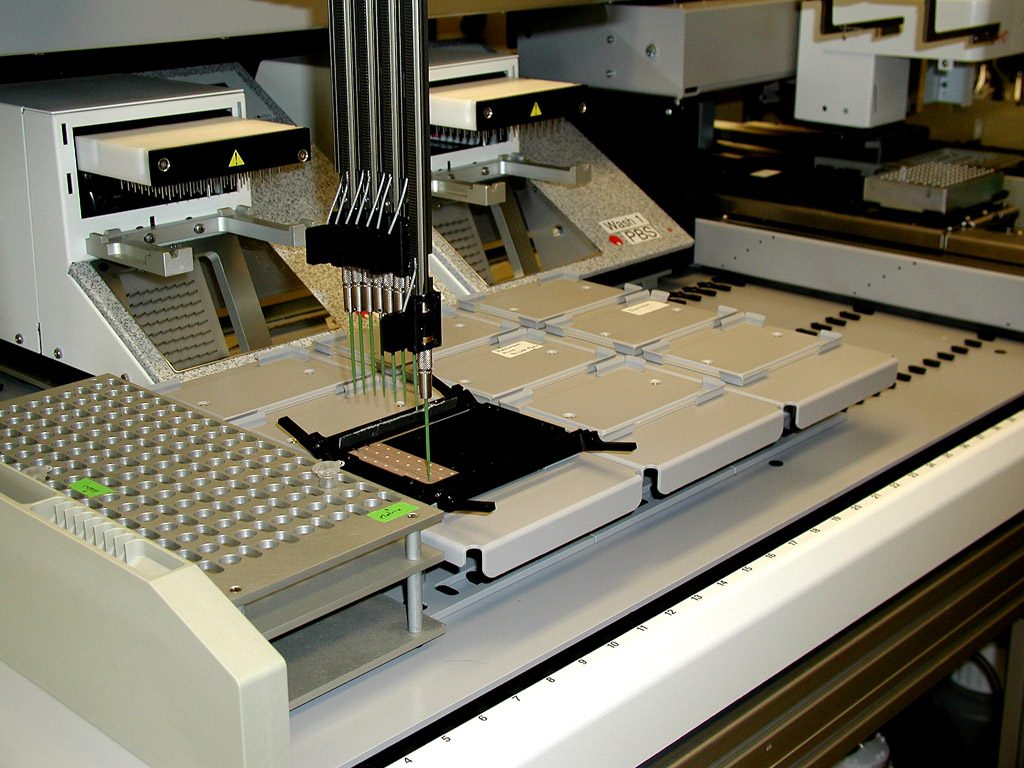
Proteomics involves the large-scale experimental analysis of proteins and proteomes. The most powerful method for analyzing proteomes is mass spectrometry, which can be used to study proteins in large samples composed of millions of cells or in single cells. Other techniques used in proteomics include protein purification, gel electrophoresis, and Western blotting. Companies such as Thermo Fisher Scientific and Agilent Technologies provide a range of instruments and reagents for proteomics research. For example, the Orbitrap mass spectrometer, developed by Thermo Fisher Scientific, has revolutionized the field of proteomics with its high resolution and accuracy.
📊 Key Facts & Numbers
Proteomics has led to numerous significant discoveries and advancements. For example, the study of protein-protein interactions has revealed the complex networks of interactions that occur within cells. The analysis of protein modifications, such as phosphorylation and ubiquitination, has provided insights into the regulation of protein function. According to a study published in the journal Nature, the human proteome consists of approximately 20,000 protein-coding genes, and the analysis of protein expression levels has revealed significant differences between healthy and diseased tissues. The National Institutes of Health (NIH) has established the Proteomics Standards Initiative to promote the standardization of proteomics data and methods.
👥 Key People & Organizations
Key people in the field of proteomics include John Walker, who was awarded the Nobel Prize in Chemistry in 1997 for his work on the mechanism of ATP synthesis. Other notable researchers include Don Hunt, who developed the technique of tandem mass spectrometry, and Matthias Mann, who has made significant contributions to the development of mass spectrometry-based proteomics. Organizations such as the Proteome Society and the Human Proteome Organisation play important roles in promoting the field of proteomics and providing a platform for researchers to share their findings. For example, the Human Proteome Organisation has established the Human Proteome Project, which aims to map the entire human proteome.
🌍 Cultural Impact & Influence
Proteomics has had a significant impact on our understanding of various diseases, including cancer, diabetes, and Alzheimer's disease. The analysis of protein expression levels and protein modifications has revealed significant differences between healthy and diseased tissues. This information can be used to develop new diagnostic and therapeutic strategies. For example, the National Cancer Institute has established the Clinical Proteomic Tumor Analysis Consortium to promote the development of proteomics-based cancer diagnostics. The World Health Organization (WHO) has also recognized the importance of proteomics in the diagnosis and treatment of diseases, and has established the WHO Specialised Agency for Health to promote the use of proteomics in global health.
⚡ Current State & Latest Developments
The current state of proteomics is one of rapid advancement, with new technologies and methods being developed continuously. The increasing availability of high-throughput sequencing data has enabled the analysis of proteomes on a large scale. The development of new mass spectrometry instruments and methods has improved the sensitivity and accuracy of proteomics analyses. For example, the Sciex company has developed the Sciex TripleTOF 5600 mass spectrometer, which has improved the speed and accuracy of proteomics analyses. The Proteomics Standards Initiative has also promoted the standardization of proteomics data and methods, which has facilitated the sharing and comparison of data between different laboratories.
🤔 Controversies & Debates
Despite the many advances in proteomics, there are still several challenges and controversies in the field. One of the main challenges is the complexity of proteomes, which can consist of thousands of different proteins. The analysis of proteomes requires sophisticated instrumentation and computational methods, which can be time-consuming and expensive. There is also a need for standardization of proteomics data and methods, which can facilitate the sharing and comparison of data between different laboratories. The Proteome Society and the Human Proteome Organisation have established guidelines for the standardization of proteomics data and methods, which has helped to address these challenges.
🔮 Future Outlook & Predictions
The future of proteomics is likely to be shaped by advances in technology and the increasing availability of high-throughput sequencing data. The development of new mass spectrometry instruments and methods will continue to improve the sensitivity and accuracy of proteomics analyses. The increasing use of artificial intelligence and machine learning algorithms will also facilitate the analysis of large proteomics datasets. According to a report by MarketsandMarkets, the global proteomics market is expected to reach $44.4 billion by 2027, growing at a CAGR of 13.5% from 2023 to 2027. The National Institutes of Health (NIH) has also established the National Center for Advancing Translational Sciences to promote the translation of proteomics research into clinical applications.
💡 Practical Applications
Proteomics has numerous practical applications in fields such as medicine, biotechnology, and agriculture. The analysis of protein expression levels and protein modifications can be used to develop new diagnostic and therapeutic strategies. Proteomics can also be used to study the effects of environmental factors on protein function and to develop new biomarkers for disease diagnosis. For example, the Food and Drug Administration (FDA) has approved several proteomics-based diagnostic tests for diseases such as cancer and diabetes. The United States Department of Agriculture (USDA) has also used proteomics to study the effects of environmental factors on crop yields and to develop new biomarkers for disease diagnosis in animals.
Key Facts
- Year
- 1998
- Origin
- Global
- Category
- chronic-conditions
- Type
- concept
Frequently Asked Questions
What is proteomics?
Proteomics is the large-scale study of proteins, covering their composition, structure, and activity. It is an interdisciplinary field that has greatly benefited from genetic information from genome projects, including the Human Genome Project. Proteomics is crucial for understanding the functions of proteins, which are vital macromolecules in all living organisms. According to the National Institutes of Health (NIH), proteomics has the potential to improve our understanding of disease mechanisms and develop new diagnostic and therapeutic strategies.
What are the applications of proteomics?
Proteomics has numerous applications in fields such as medicine, biotechnology, and agriculture. The analysis of protein expression levels and protein modifications can be used to develop new diagnostic and therapeutic strategies. Proteomics can also be used to study the effects of environmental factors on protein function and to develop new biomarkers for disease diagnosis. For example, the Food and Drug Administration (FDA) has approved several proteomics-based diagnostic tests for diseases such as cancer and diabetes.
What is the current state of proteomics?
The current state of proteomics is one of rapid advancement, with new technologies and methods being developed continuously. The increasing availability of high-throughput sequencing data has enabled the analysis of proteomes on a large scale. The development of new mass spectrometry instruments and methods has improved the sensitivity and accuracy of proteomics analyses. According to a report by MarketsandMarkets, the global proteomics market is expected to reach $44.4 billion by 2027, growing at a CAGR of 13.5% from 2023 to 2027.
What are the challenges in proteomics?
Despite the many advances in proteomics, there are still several challenges and controversies in the field. One of the main challenges is the complexity of proteomes, which can consist of thousands of different proteins. The analysis of proteomes requires sophisticated instrumentation and computational methods, which can be time-consuming and expensive. There is also a need for standardization of proteomics data and methods, which can facilitate the sharing and comparison of data between different laboratories. The Proteome Society and the Human Proteome Organisation have established guidelines for the standardization of proteomics data and methods, which has helped to address these challenges.
What is the future of proteomics?
The future of proteomics is likely to be shaped by advances in technology and the increasing availability of high-throughput sequencing data. The development of new mass spectrometry instruments and methods will continue to improve the sensitivity and accuracy of proteomics analyses. The increasing use of artificial intelligence and machine learning algorithms will also facilitate the analysis of large proteomics datasets. According to a report by MarketsandMarkets, the global proteomics market is expected to reach $44.4 billion by 2027, growing at a CAGR of 13.5% from 2023 to 2027.
How does proteomics relate to other fields?
Proteomics is closely related to other fields such as genomics, transcriptomics, and metabolomics. The analysis of proteomes can provide insights into the functions of genes and the regulation of gene expression. The study of protein-protein interactions can also reveal the complex networks of interactions that occur within cells. For example, the National Human Genome Research Institute has established the Genome Sequencing Program to promote the analysis of genomic data and its application to proteomics research.
What are the potential applications of proteomics in medicine?
Proteomics has the potential to revolutionize the field of personalized medicine. The analysis of protein expression levels and protein modifications can be used to develop new diagnostic and therapeutic strategies. Proteomics can also be used to study the effects of environmental factors on protein function and to develop new biomarkers for disease diagnosis. For example, the National Cancer Institute has established the Clinical Proteomic Tumor Analysis Consortium to promote the development of proteomics-based cancer diagnostics.
How does proteomics impact our understanding of disease?
Proteomics has led to significant advancements in our understanding of various diseases, including cancer, diabetes, and Alzheimer's disease. The analysis of protein expression levels and protein modifications has revealed significant differences between healthy and diseased tissues. This information can be used to develop new diagnostic and therapeutic strategies. For example, the World Health Organization (WHO) has recognized the importance of proteomics in the diagnosis and treatment of diseases, and has established the WHO Specialised Agency for Health to promote the use of proteomics in global health.