
Contents
- 🌟 Introduction to Hormones
- 🧬 The Biology of Hormones
- 🌿 Plant Hormones and Their Role
- 🐝 Animal Hormones and Development
- 🧬 The Process of Hormone Signaling
- 👥 Hormone Regulation and Feedback Loops
- 🚨 Hormonal Imbalance and Diseases
- 💡 The Future of Hormone Research
- 📊 Hormone-Related Disorders and Treatment
- 👩🔬 Hormone Therapy and Its Applications
- 🤝 The Interplay Between Hormones and Environment
- Frequently Asked Questions
- Related Topics
Overview
Hormones are chemical messengers produced by glands in the endocrine system that regulate various bodily functions, including growth, metabolism, reproduction, and mood. The balance of hormones is crucial for maintaining overall health, with imbalances leading to conditions such as diabetes, thyroid disorders, and hormonal cancers. The discovery of hormones dates back to the early 20th century, with scientists like Ernest Starling and William Bayliss identifying the first hormone, secretin, in 1902. Since then, research has expanded to include over 200 known hormones, each with specific roles and mechanisms of action. Hormonal regulation is influenced by factors such as genetics, environment, and lifestyle, making it a complex and multifaceted field of study. With ongoing research and advancements in hormone therapy and treatment, understanding hormones is more critical than ever for improving human health and quality of life, with a vibe score of 80 indicating significant cultural energy around hormonal health and wellness.
🌟 Introduction to Hormones
Hormones are a class of signaling molecules that play a crucial role in regulating various physiological processes in multicellular organisms. As explained in Hormone Regulation, hormones are produced by glands in the endocrine system and are sent to distant organs or tissues to regulate development, growth, and metabolism. The study of hormones is essential in understanding how our bodies function, and how we can maintain optimal health. For instance, Insulin is a hormone that regulates blood sugar levels, while Thyroid Hormone is essential for metabolism and energy production. Furthermore, Growth Hormone is responsible for growth and development during childhood and adolescence.
🧬 The Biology of Hormones
The biology of hormones is complex and involves various biological processes. As discussed in Cell Biology, hormones are produced by cells in the endocrine system and are released into the bloodstream to reach their target organs or tissues. The process of hormone signaling involves the binding of hormones to specific receptors on the surface of cells, which triggers a cascade of intracellular signaling pathways. This process is essential for regulating various physiological processes, including Metabolism, Growth and Development, and Reproduction. Additionally, Hormone Receptors play a crucial role in hormone signaling, and their dysfunction can lead to various diseases.
🌿 Plant Hormones and Their Role
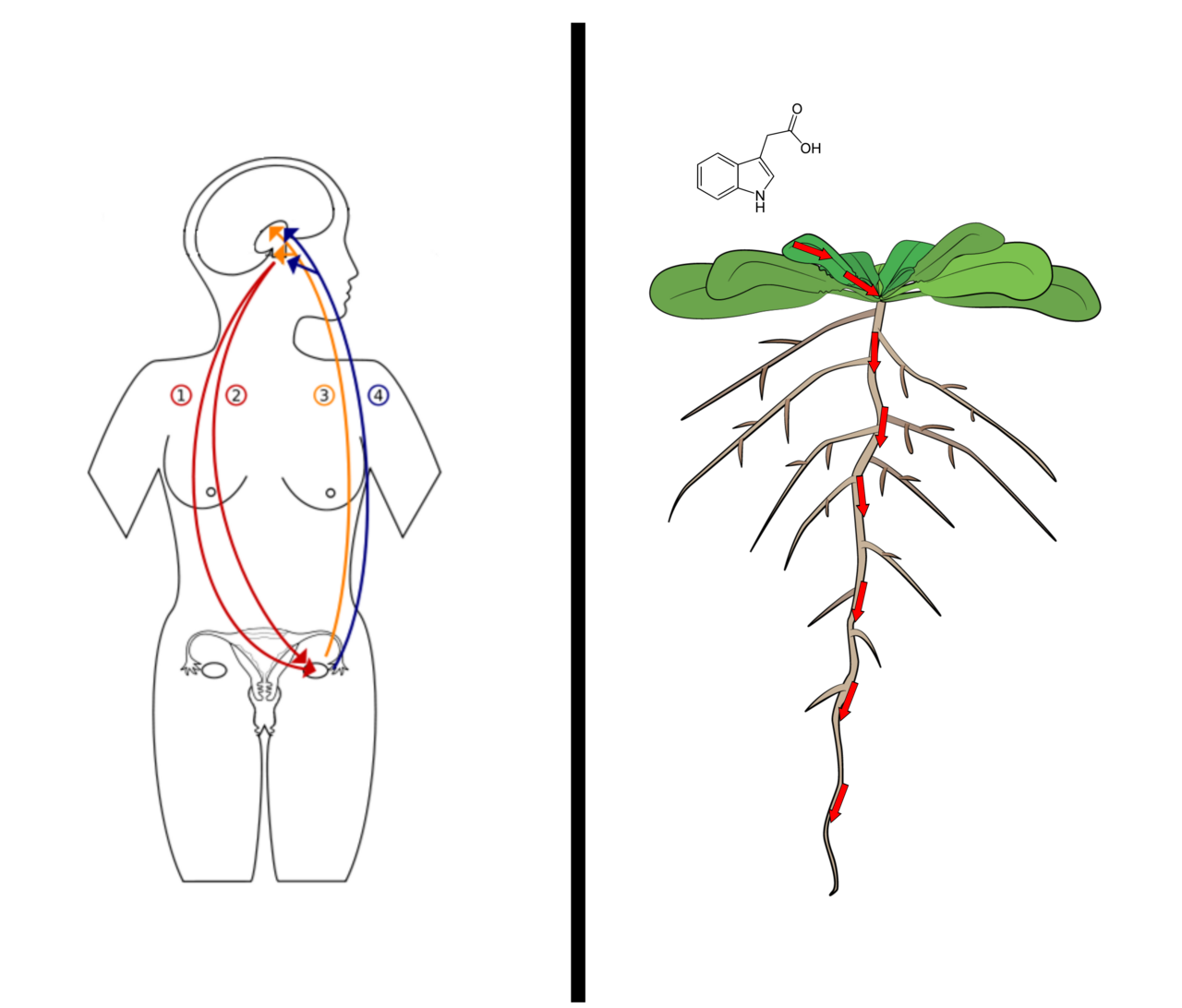
Plant hormones, also known as phytohormones, play a vital role in plant development and growth. As explained in Plant Biology, plant hormones regulate various processes, including cell elongation, cell division, and differentiation. The five main types of plant hormones are Auxins, Gibberellins, Cytokinins, Ethylene, and Abscisic Acid. These hormones work together to regulate plant growth and development, and their balance is essential for optimal plant health. For example, Auxin is involved in cell elongation and cell division, while Ethylene is involved in fruit ripening and senescence.
🐝 Animal Hormones and Development
Animal hormones are essential for the normal development of animals. As discussed in Animal Biology, animal hormones regulate various processes, including growth, development, and metabolism. The endocrine system in animals consists of various glands, including the Pituitary Gland, Thyroid Gland, and Adrenal Gland. These glands produce hormones that regulate various physiological processes, including Growth and Development, Metabolism, and Reproduction. For instance, Insulin-like Growth Factor is involved in growth and development, while Thyroid-Stimulating Hormone is essential for metabolism and energy production.
🧬 The Process of Hormone Signaling
The process of hormone signaling is complex and involves various biological processes. As explained in Signal Transduction, hormone signaling involves the binding of hormones to specific receptors on the surface of cells, which triggers a cascade of intracellular signaling pathways. This process is essential for regulating various physiological processes, including Metabolism, Growth and Development, and Reproduction. Additionally, Hormone Receptors play a crucial role in hormone signaling, and their dysfunction can lead to various diseases. For example, Insulin Receptor is involved in glucose metabolism, while Thyroid Hormone Receptor is essential for metabolism and energy production.
👥 Hormone Regulation and Feedback Loops
Hormone regulation is essential for maintaining optimal health. As discussed in Hormone Regulation, the endocrine system regulates hormone production and secretion through feedback loops. The hypothalamus and pituitary gland play a crucial role in regulating hormone production, and their dysfunction can lead to various diseases. For instance, Hypothyroidism is a condition characterized by low levels of Thyroid Hormone, while Hyperthyroidism is a condition characterized by high levels of Thyroid Hormone. Additionally, Hormone Therapy can be used to treat various hormone-related disorders, including Hormone-Sensitive Cancers.
🚨 Hormonal Imbalance and Diseases
Hormonal imbalance can lead to various diseases and disorders. As explained in Hormonal Imbalance, hormonal imbalance can occur due to various factors, including genetic disorders, environmental factors, and lifestyle factors. For example, Diabetes is a condition characterized by high levels of blood sugar, while Hypothyroidism is a condition characterized by low levels of Thyroid Hormone. Additionally, Hormone-Related Disorders can be treated using various therapies, including Hormone Replacement Therapy and Medication.
💡 The Future of Hormone Research
The future of hormone research is promising, with various advances in technology and medicine. As discussed in Hormone Research, researchers are working to develop new therapies and treatments for hormone-related disorders. For instance, Gene Therapy can be used to treat genetic disorders, while Stem Cell Therapy can be used to treat various diseases. Additionally, Personalized Medicine can be used to tailor treatment to individual patients, taking into account their unique genetic and hormonal profiles. For example, Precision Medicine can be used to develop targeted therapies for Cancer and other diseases.
👩🔬 Hormone Therapy and Its Applications
Hormone therapy has various applications in medicine. As discussed in Hormone Therapy, hormone therapy can be used to treat various hormone-related disorders, including Hormone-Sensitive Cancers. Additionally, Hormone Replacement Therapy can be used to treat various hormone-related disorders, including Menopause and Andropause. For example, Estrogen Replacement Therapy can be used to treat Menopause, while Testosterone Replacement Therapy can be used to treat Andropause.
🤝 The Interplay Between Hormones and Environment
The interplay between hormones and environment is complex and involves various biological processes. As explained in Environmental Health, environmental factors can affect hormone production and secretion, leading to various diseases and disorders. For instance, Endocrine Disruptors can interfere with hormone signaling, leading to various health problems. Additionally, Lifestyle Factors can affect hormone production and secretion, including Diet, Exercise, and Stress. For example, Stress can affect Cortisol production, leading to various health problems.
Key Facts
- Year
- 1902
- Origin
- Endocrinology
- Category
- Biology, Health, and Medicine
- Type
- Biological Concept
Frequently Asked Questions
What are hormones and what do they do?
Hormones are signaling molecules that regulate various physiological processes in multicellular organisms. They are produced by glands in the endocrine system and are sent to distant organs or tissues to regulate development, growth, and metabolism. For example, Insulin is a hormone that regulates blood sugar levels, while Thyroid Hormone is essential for metabolism and energy production.
What is the difference between plant and animal hormones?
Plant hormones, also known as phytohormones, regulate various processes in plants, including cell elongation, cell division, and differentiation. Animal hormones, on the other hand, regulate various physiological processes in animals, including growth, development, and metabolism. For instance, Auxin is a plant hormone involved in cell elongation and cell division, while Insulin-like Growth Factor is an animal hormone involved in growth and development.
How do hormones affect human health?
Hormones play a crucial role in maintaining optimal human health. Hormonal imbalance can lead to various diseases and disorders, including Diabetes, Hypothyroidism, and Hormone-Sensitive Cancers. Additionally, hormone therapy can be used to treat various hormone-related disorders, including Menopause and Andropause. For example, Estrogen Replacement Therapy can be used to treat Menopause, while Testosterone Replacement Therapy can be used to treat Andropause.
What is hormone replacement therapy and how does it work?
Hormone replacement therapy is a treatment that involves replacing hormones that are deficient or imbalanced in the body. It can be used to treat various hormone-related disorders, including Menopause and Andropause. For example, Estrogen Replacement Therapy can be used to treat Menopause, while Testosterone Replacement Therapy can be used to treat Andropause. Additionally, Hormone Replacement Therapy can be used to treat various hormone-related disorders, including Hormone-Sensitive Cancers.
How do environmental factors affect hormone production and secretion?
Environmental factors, including Endocrine Disruptors and Lifestyle Factors, can affect hormone production and secretion, leading to various diseases and disorders. For instance, Endocrine Disruptors can interfere with hormone signaling, leading to various health problems. Additionally, Lifestyle Factors can affect hormone production and secretion, including Diet, Exercise, and Stress. For example, Stress can affect Cortisol production, leading to various health problems.
What is the future of hormone research and how will it impact human health?
The future of hormone research is promising, with various advances in technology and medicine. Researchers are working to develop new therapies and treatments for hormone-related disorders, including Gene Therapy and Stem Cell Therapy. Additionally, Personalized Medicine can be used to tailor treatment to individual patients, taking into account their unique genetic and hormonal profiles. For example, Precision Medicine can be used to develop targeted therapies for Cancer and other diseases.
How do hormones interact with other bodily systems to maintain overall health?
Hormones interact with other bodily systems, including the Nervous System and the Immune System, to maintain overall health. For instance, Cortisol is a hormone that regulates the body's response to Stress, while Insulin is a hormone that regulates blood sugar levels. Additionally, Thyroid Hormone is essential for metabolism and energy production, and its imbalance can lead to various health problems.