
Contents
Overview
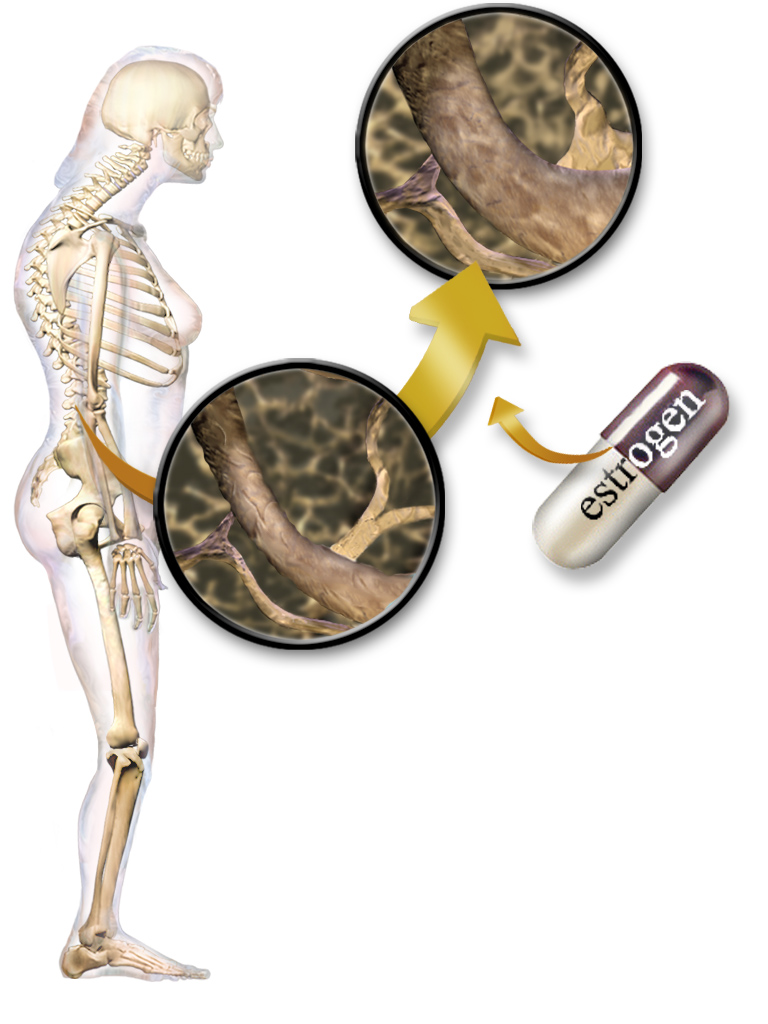
Hormone replacement therapy (HRT) is a form of hormone therapy used to treat symptoms associated with female menopause, as recommended by the American College of Obstetricians and Gynecologists (ACOG). The effects of menopause can include symptoms such as hot flashes, accelerated skin aging, vaginal dryness, decreased muscle mass, and complications such as osteoporosis (bone loss), sexual dysfunction, and vaginal atrophy. These symptoms are mostly caused by low levels of female sex hormones (e.g., estrogens) that occur during menopause. Johns Hopkins Medicine provides valuable resources on menopause and HRT, including information on the latest research and treatment options.
⚖️ Benefits and Risks
Estrogens and progestogens are the main hormone drugs used in HRT. Progesterone is the main female sex hormone that occurs naturally and is also manufactured into a drug that is used in menopausal hormone therapy. Although both classes of hormones can have symptomatic benefit, progestogen is specifically added to estrogen regimens, unless the uterus has been removed, to avoid the increased risk of endometrial cancer. Unopposed estrogen therapy promotes endometrial hyperplasia, which can lead to cancer. The World Health Organization (WHO) emphasizes the importance of careful consideration and monitoring when using HRT, particularly in regards to the risk of endometrial cancer.
👩⚕️ Types of HRT
The decision to use HRT should be made after careful consideration of the benefits and risks, as outlined by the Food and Drug Administration (FDA). HRT can be an effective way to manage menopause symptoms, but it's essential to weigh the benefits against the potential risks, such as blood clots, stroke, and breast cancer. The North American Menopause Society (NAMS) provides guidance on HRT, including information on the different types of HRT and the importance of individualized treatment plans.
📊 Treatment Options and Guidelines
There are different types of HRT, including systemic HRT, which is taken orally or transdermally, and local HRT, which is applied directly to the vagina. Systemic HRT is used to treat symptoms such as hot flashes and night sweats, while local HRT is used to treat vaginal dryness and other vaginal symptoms. The American Heart Association (AHA) notes that HRT may increase the risk of blood clots and stroke, particularly in older women or those with a history of cardiovascular disease.
Key Facts
- Year
- 2002
- Origin
- United States
- Category
- chronic-conditions
- Type
- concept
Frequently Asked Questions
What is hormone replacement therapy?
Hormone replacement therapy (HRT) is a treatment used to alleviate symptoms associated with female menopause, such as hot flashes and osteoporosis, by supplementing the body with estrogens and progestogens. According to the Hormone Health Network, HRT can be an effective way to manage menopause symptoms, but it's essential to weigh the benefits and risks.
What are the benefits and risks of HRT?
The benefits of HRT include relief from menopause symptoms such as hot flashes and vaginal dryness, as well as the prevention of osteoporosis and fractures. However, HRT can also increase the risk of blood clots, stroke, and breast cancer, as noted by the National Cancer Institute.
What are the different types of HRT?
There are different types of HRT, including systemic HRT, which is taken orally or transdermally, and local HRT, which is applied directly to the vagina. Systemic HRT is used to treat symptoms such as hot flashes and night sweats, while local HRT is used to treat vaginal dryness and other vaginal symptoms, as explained by the American Academy of Family Physicians.
Who is a good candidate for HRT?
A good candidate for HRT is a woman who is experiencing severe menopause symptoms, such as hot flashes and vaginal dryness, and who has not responded to other treatments. According to the Endocrine Society, HRT may also be recommended for women who are at risk of osteoporosis or fractures.
What are the potential side effects of HRT?
The potential side effects of HRT include breast tenderness, bloating, and mood changes, as well as an increased risk of blood clots, stroke, and breast cancer. The Centers for Disease Control and Prevention (CDC) provides guidance on the potential side effects of HRT and how to minimize risks.