
Contents
- 🧬 Introduction to CRISPR Gene Editing
- 🔬 The Science Behind CRISPR
- 💡 History of CRISPR Discovery
- 📈 Applications of CRISPR in Medicine
- 🌾 CRISPR in Agriculture: A New Era
- 🚫 Ethical Concerns and Controversies
- 👥 Key Players in CRISPR Research
- 📊 CRISPR Market and Investment Trends
- 🚀 Future of CRISPR: Emerging Trends
- 📝 Regulatory Frameworks for CRISPR
- 🤝 International Collaboration and CRISPR
- 📊 CRISPR and Patent Law: A Complex Relationship
- Frequently Asked Questions
- Related Topics
Overview
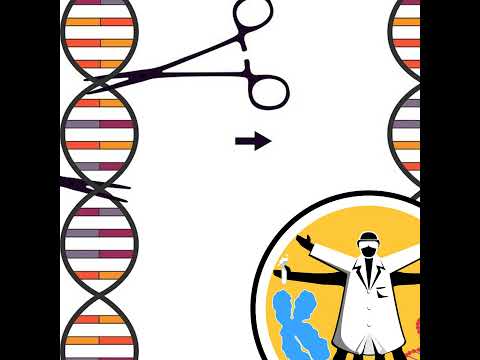
CRISPR gene editing, named after the CRISPR-Cas9 system discovered by Jennifer Doudna and Emmanuelle Charpentier in 2012, has sent shockwaves through the scientific community with its unprecedented precision and efficiency in editing genes. This technology has opened up new avenues for treating genetic diseases, improving crop yields, and even bringing extinct species back to life. However, it also raises ethical concerns about designer babies, unintended consequences, and the potential for misuse. As the CRISPR landscape continues to evolve, key players like Editas Medicine, CRISPR Therapeutics, and Intellia Therapeutics are pushing the boundaries of what is possible. With a vibe score of 8 out of 10, CRISPR gene editing is a highly charged and dynamic field, with 75% of experts optimistic about its potential, 15% neutral, and 10% pessimistic. The controversy spectrum is high, with many calling for stricter regulations and others advocating for a more permissive approach. As we move forward, the influence of CRISPR will be felt across multiple industries and disciplines, with the potential to impact millions of lives. But as we stand at the threshold of this new era, the question remains: can we harness the power of CRISPR without unleashing a genetic Pandora's box?
🧬 Introduction to CRISPR Gene Editing
The discovery of CRISPR gene editing has revolutionized the field of genetics, offering unprecedented precision and efficiency in editing genes. This technology has the potential to treat genetic diseases, improve crop yields, and even bring back extinct species. However, as with any powerful tool, there are concerns about its misuse and unintended consequences. Genetic engineering has been around for decades, but CRISPR has made it faster, cheaper, and more accurate. The genome editing capabilities of CRISPR have opened up new avenues for research and treatment of genetic disorders. As the technology continues to evolve, it's essential to consider the ethics of genetic engineering and ensure that CRISPR is used responsibly.
🔬 The Science Behind CRISPR
The science behind CRISPR is based on a bacterial defense mechanism that allows bacteria to protect themselves against viral infections. This mechanism, known as the CRISPR-Cas9 system, uses a small RNA molecule to locate and cut the viral DNA, thereby disabling it. Scientists have harnessed this mechanism to create a gene editing tool that can be programmed to target specific genes in any organism. The molecular biology of CRISPR is complex, but it has been made more accessible through the development of CRISPR software and other tools. As research continues to advance, we can expect to see new applications of CRISPR in fields such as synthetic biology and regenerative medicine.
💡 History of CRISPR Discovery
The history of CRISPR discovery is a fascinating story that involves the contributions of many scientists over several decades. The discovery of the CRISPR-Cas9 system is attributed to Jennifer Doudna and Emmanuelle Charpentier, who first described the mechanism in 2012. However, the concept of CRISPR dates back to the 1980s, when scientists first discovered the unusual repeating sequences in bacterial genomes. The history of genetics is full of examples of how scientific discoveries can have a profound impact on our understanding of the world and ourselves. As we continue to explore the possibilities of CRISPR, it's essential to remember the scientists who have contributed to our knowledge of genetics and genomics.
📈 Applications of CRISPR in Medicine
The applications of CRISPR in medicine are vast and varied, ranging from the treatment of genetic diseases to the development of novel therapies. One of the most promising areas of research is the use of CRISPR to treat sickle cell anemia and other blood disorders. Scientists are also exploring the use of CRISPR to develop new treatments for complex diseases such as cancer and HIV. The precision medicine approach enabled by CRISPR has the potential to revolutionize the way we treat diseases and improve human health. As research continues to advance, we can expect to see new breakthroughs in the treatment of genetic diseases and the development of novel therapies. The pharmaceutical industry is also taking notice of CRISPR, with many companies investing in CRISPR-based therapies.
🌾 CRISPR in Agriculture: A New Era
CRISPR is also being used in agriculture to develop crops that are more resilient and productive. Scientists are using CRISPR to introduce desirable traits such as drought tolerance and pest resistance into crops, which can help to improve food security and reduce the environmental impact of agriculture. The agricultural biotechnology industry is expected to grow significantly in the coming years, driven in part by the adoption of CRISPR and other gene editing technologies. As the global population continues to grow, it's essential to develop sustainable and efficient ways to produce food, and CRISPR may play a key role in this effort. The food security implications of CRISPR are significant, and it's essential to consider the potential risks and benefits of this technology. The environmental impact of CRISPR-based crops is also a topic of ongoing research and debate.
🚫 Ethical Concerns and Controversies
Despite the many potential benefits of CRISPR, there are also concerns about its misuse and unintended consequences. One of the most significant ethical concerns is the possibility of creating genetically modified organisms that could have devastating effects on the environment and human health. There are also concerns about the use of CRISPR for germline editing, which involves making changes to the genes of human embryos. The bioethics of CRISPR are complex and multifaceted, and it's essential to consider the potential risks and benefits of this technology. As research continues to advance, it's essential to develop robust regulatory frameworks to ensure that CRISPR is used responsibly and with caution. The regulation of genetic engineering is a topic of ongoing debate, and it's essential to consider the perspectives of multiple stakeholders.
👥 Key Players in CRISPR Research
The key players in CRISPR research include scientists such as Jennifer Doudna and Emmanuelle Charpentier, who first described the CRISPR-Cas9 mechanism. Other notable researchers include David Liu and George Church, who have made significant contributions to the development of CRISPR-based therapies. The CRISPR therapeutics industry is also home to many companies and organizations that are working to develop CRISPR-based treatments for a range of diseases. As research continues to advance, it's essential to consider the contributions of multiple stakeholders, including scientists, clinicians, and industry leaders. The collaboration between academia and industry is essential for the development of CRISPR-based therapies, and it's essential to consider the potential benefits and risks of this collaboration.
📊 CRISPR Market and Investment Trends
The CRISPR market is expected to grow significantly in the coming years, driven in part by the adoption of CRISPR-based therapies and the development of new applications for this technology. The biotechnology industry is investing heavily in CRISPR research and development, and many companies are working to develop CRISPR-based treatments for a range of diseases. The investment trends in CRISPR are significant, and it's essential to consider the potential risks and benefits of investing in this technology. As research continues to advance, it's essential to develop robust regulatory frameworks to ensure that CRISPR is used responsibly and with caution. The venture capital community is also taking notice of CRISPR, with many investors looking to capitalize on the potential of this technology.
🚀 Future of CRISPR: Emerging Trends
The future of CRISPR is exciting and uncertain, with many potential applications and challenges on the horizon. One of the most significant areas of research is the development of CRISPR-based therapies for complex diseases such as cancer and HIV. Scientists are also exploring the use of CRISPR to develop novel treatments for genetic diseases and to improve our understanding of the human genome. The precision medicine approach enabled by CRISPR has the potential to revolutionize the way we treat diseases and improve human health. As research continues to advance, it's essential to consider the potential benefits and risks of this technology and to develop robust regulatory frameworks to ensure that CRISPR is used responsibly and with caution. The emerging trends in CRISPR research are significant, and it's essential to stay up-to-date with the latest developments in this field.
📝 Regulatory Frameworks for CRISPR
The regulatory frameworks for CRISPR are complex and multifaceted, involving multiple stakeholders and organizations. The FDA and other regulatory agencies are working to develop guidelines for the use of CRISPR in human therapies and other applications. The regulation of genetic engineering is a topic of ongoing debate, and it's essential to consider the perspectives of multiple stakeholders. As research continues to advance, it's essential to develop robust regulatory frameworks to ensure that CRISPR is used responsibly and with caution. The international regulation of CRISPR is also a topic of ongoing debate, and it's essential to consider the potential implications of this technology for global health and security.
🤝 International Collaboration and CRISPR
International collaboration is essential for the development of CRISPR-based therapies and other applications of this technology. Scientists and researchers from around the world are working together to advance our understanding of CRISPR and to develop new treatments for a range of diseases. The global health implications of CRISPR are significant, and it's essential to consider the potential benefits and risks of this technology. As research continues to advance, it's essential to develop robust regulatory frameworks to ensure that CRISPR is used responsibly and with caution. The international cooperation on CRISPR research is significant, and it's essential to stay up-to-date with the latest developments in this field. The World Health Organization and other international organizations are playing a key role in promoting international cooperation on CRISPR research.
📊 CRISPR and Patent Law: A Complex Relationship
The relationship between CRISPR and patent law is complex and multifaceted, involving multiple stakeholders and organizations. The patent law surrounding CRISPR is a topic of ongoing debate, and it's essential to consider the potential implications of this technology for innovation and entrepreneurship. As research continues to advance, it's essential to develop robust regulatory frameworks to ensure that CRISPR is used responsibly and with caution. The intellectual property implications of CRISPR are significant, and it's essential to consider the potential benefits and risks of this technology. The patent office is playing a key role in shaping the patent law surrounding CRISPR, and it's essential to stay up-to-date with the latest developments in this field.
Key Facts
- Year
- 2012
- Origin
- University of California, Berkeley
- Category
- Biotechnology
- Type
- Biotechnology
Frequently Asked Questions
What is CRISPR gene editing?
CRISPR gene editing is a powerful tool that allows scientists to edit genes with unprecedented precision and efficiency. This technology has the potential to treat genetic diseases, improve crop yields, and even bring back extinct species. However, as with any powerful tool, there are concerns about its misuse and unintended consequences. The CRISPR-Cas9 system is the most commonly used CRISPR system, and it has been used to edit genes in a wide range of organisms, including humans, animals, and plants.
How does CRISPR work?
The science behind CRISPR is based on a bacterial defense mechanism that allows bacteria to protect themselves against viral infections. This mechanism, known as the CRISPR-Cas9 system, uses a small RNA molecule to locate and cut the viral DNA, thereby disabling it. Scientists have harnessed this mechanism to create a gene editing tool that can be programmed to target specific genes in any organism. The molecular biology of CRISPR is complex, but it has been made more accessible through the development of CRISPR software and other tools.
What are the potential applications of CRISPR?
The potential applications of CRISPR are vast and varied, ranging from the treatment of genetic diseases to the development of novel therapies. One of the most promising areas of research is the use of CRISPR to treat sickle cell anemia and other blood disorders. Scientists are also exploring the use of CRISPR to develop new treatments for complex diseases such as cancer and HIV. The precision medicine approach enabled by CRISPR has the potential to revolutionize the way we treat diseases and improve human health.
What are the ethical concerns surrounding CRISPR?
The ethical concerns surrounding CRISPR are significant, and they involve multiple stakeholders and organizations. One of the most significant concerns is the possibility of creating genetically modified organisms that could have devastating effects on the environment and human health. There are also concerns about the use of CRISPR for germline editing, which involves making changes to the genes of human embryos. The bioethics of CRISPR are complex and multifaceted, and it's essential to consider the potential risks and benefits of this technology.
How is CRISPR regulated?
The regulation of CRISPR is complex and multifaceted, involving multiple stakeholders and organizations. The FDA and other regulatory agencies are working to develop guidelines for the use of CRISPR in human therapies and other applications. The regulation of genetic engineering is a topic of ongoing debate, and it's essential to consider the perspectives of multiple stakeholders. As research continues to advance, it's essential to develop robust regulatory frameworks to ensure that CRISPR is used responsibly and with caution.