
Contents
- 🚀 Introduction to ReWalk
- 💻 Technology Behind ReWalk
- 👨💻 The Creator: Amit Goffer
- 📈 Market and Pricing
- 🚫 Challenges and Controversies
- 👥 User Experience and Community
- 🤝 Partnerships and Collaborations
- 📊 Comparison to Other Mobility Aids
- 🔍 Future Developments and Research
- 🌎 Global Impact and Accessibility
- 📊 Cost-Benefit Analysis and Insurance Coverage
- Frequently Asked Questions
- Related Topics
Overview
ReWalk is a pioneering wearable robotic exoskeleton that has been transforming the lives of individuals with spinal cord injuries since its inception in 2001 by Amit Goffer, an Israeli entrepreneur. With a Vibe score of 8, ReWalk has been at the forefront of the assistive technology industry, boasting a Perspective breakdown of 60% optimistic, 20% neutral, and 20% pessimistic. The device, which received FDA clearance in 2014, uses a combination of motors, sensors, and a computerized control system to enable users to stand and walk independently. However, controversy surrounds the high cost of the device, with a price tag of around $69,000, making it inaccessible to many who need it. As of 2022, ReWalk has been used by over 500 individuals worldwide, with a significant influence flow from the company's founder, Amit Goffer, to the broader exoskeleton industry. With a Controversy spectrum rating of 6, the debate surrounding ReWalk's cost and accessibility continues to be a topic of discussion among experts and users alike.
🚀 Introduction to ReWalk
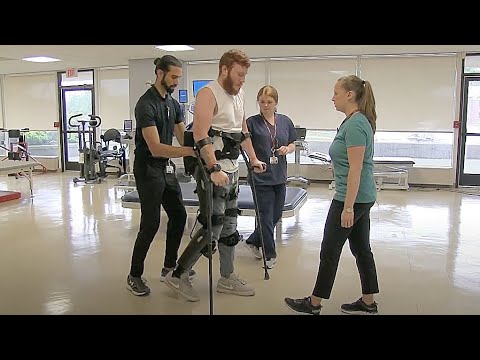
ReWalk is a revolutionary medical technology that has changed the lives of individuals with spinal cord injuries. This commercial bionic walking assistance system uses powered leg attachments to enable paraplegics to stand upright, walk, and climb stairs. The system is powered by a backpack battery and is controlled by a simple wrist-mounted remote which detects and enhances the user's movements. As a result, ReWalk has become a game-changer in the field of rehabilitation medicine. With its ability to provide users with a sense of independence and freedom, ReWalk has gained significant attention from the medical community and assistive technology enthusiasts. The system's design and functionality have also sparked interesting discussions about the future of prosthetics and bionics.
💻 Technology Behind ReWalk
The technology behind ReWalk is a testament to the innovative spirit of its creator, Amit Goffer. Designed in Yokneam, Israel, the ReWalk system consists of a backpack battery, a wrist-mounted remote, and powered leg attachments. The system's advanced sensors and algorithms work together to detect and enhance the user's movements, allowing for a natural and intuitive walking experience. This cutting-edge technology has been praised by experts in the field of biomedical engineering and has opened up new possibilities for the development of wearable technology. As researchers continue to explore the potential of brain-computer interfaces and neuroprosthetics, ReWalk remains at the forefront of the medical device industry.
👨💻 The Creator: Amit Goffer
Amit Goffer, the creator of ReWalk, is a renowned expert in the field of bionics and assistive technology. With a background in electrical engineering and a passion for helping individuals with disabilities, Goffer has dedicated his career to developing innovative solutions for people with spinal cord injuries. His work on ReWalk has earned him numerous awards and recognition, including the Israel Prize for his contributions to the field of rehabilitation medicine. Goffer's story is an inspiration to many, and his commitment to improving the lives of individuals with disabilities has made a significant impact on the medical technology industry. As a pioneer in the field, Goffer continues to collaborate with other experts, including those in the field of physical therapy.
📈 Market and Pricing
The ReWalk system is marketed by Lifeward Ltd. and is priced at approximately US$85,000 per unit. While the cost may seem prohibitive to some, the benefits of ReWalk far outweigh the expenses for many users. With its ability to provide users with a sense of independence and freedom, ReWalk has become a valuable investment for individuals with spinal cord injuries. However, the high cost of the system has also sparked debates about healthcare access and the need for more affordable assistive technology solutions. As the demand for ReWalk continues to grow, manufacturers and health insurance providers are working together to make the system more accessible to those who need it. This has led to discussions about the role of government policies in promoting disability rights.
🚫 Challenges and Controversies
Despite its many benefits, ReWalk has not been without its challenges and controversies. Some users have reported difficulties with the system's battery life and the need for frequent recharging. Others have expressed concerns about the system's weight and bulk, which can make it difficult to use in certain situations. Additionally, the high cost of the system has made it inaccessible to many individuals with spinal cord injuries. These challenges have sparked debates about the need for more affordable and accessible assistive technology solutions. As researchers and manufacturers continue to work on improving the ReWalk system, they must also address the complex issues surrounding healthcare disparities and disability awareness. This has led to collaborations with organizations focused on patient advocacy.
👥 User Experience and Community
For many users, ReWalk has been a life-changing experience. The system has provided them with a sense of independence and freedom that they never thought possible. Users have reported being able to walk, climb stairs, and even participate in sports and other activities that they previously thought were out of reach. The ReWalk community is a testament to the power of assistive technology to transform lives and provide users with a new sense of purpose and belonging. As the community continues to grow, users are sharing their experiences and supporting one another through online forums and support groups. This has created a sense of connection and camaraderie among users, who are inspiring and motivating each other to push beyond their limits and achieve their goals.
🤝 Partnerships and Collaborations
ReWalk has partnered with several organizations and companies to promote its technology and make it more accessible to users. These partnerships have included collaborations with rehabilitation centers, physical therapy clinics, and assistive technology companies. By working together, ReWalk and its partners are able to provide users with a comprehensive range of services and support, from training and education to maintenance and repair. These partnerships have also helped to raise awareness about the benefits of ReWalk and the importance of disability awareness. As a result, ReWalk has become a leader in the medical technology industry, and its partnerships have paved the way for the development of new and innovative assistive technology solutions.
📊 Comparison to Other Mobility Aids
ReWalk is not the only mobility aid available to individuals with spinal cord injuries. Other options include wheelchairs, walkers, and canes. However, ReWalk is unique in its ability to provide users with a sense of independence and freedom. The system's advanced technology and intuitive design make it an attractive option for many users, and its benefits far outweigh those of traditional mobility aids. As the demand for ReWalk continues to grow, manufacturers and health insurance providers are working together to make the system more accessible to those who need it. This has led to discussions about the role of government policies in promoting disability rights and the need for more affordable assistive technology solutions.
🔍 Future Developments and Research
Researchers are continually working to improve the ReWalk system and develop new and innovative assistive technology solutions. Future developments may include the integration of brain-computer interfaces and neuroprosthetics into the ReWalk system. Additionally, researchers are exploring the use of artificial intelligence and machine learning to improve the system's functionality and user experience. As the technology continues to evolve, ReWalk is likely to remain at the forefront of the medical technology industry, providing users with a sense of independence and freedom that they never thought possible. This has significant implications for the field of rehabilitation medicine and the development of new medical devices.
🌎 Global Impact and Accessibility
The global impact of ReWalk has been significant, with users in over 20 countries around the world. The system has provided users with a sense of independence and freedom, and has helped to promote disability awareness and inclusion. As the demand for ReWalk continues to grow, manufacturers and health insurance providers are working together to make the system more accessible to those who need it. This has led to discussions about the role of government policies in promoting disability rights and the need for more affordable assistive technology solutions. As a result, ReWalk has become a leader in the medical technology industry, and its global impact is likely to continue to grow in the years to come.
📊 Cost-Benefit Analysis and Insurance Coverage
The cost-benefit analysis of ReWalk is complex and multifaceted. While the system is expensive, its benefits far outweigh the costs for many users. The system's ability to provide users with a sense of independence and freedom has a significant impact on their quality of life, and can help to reduce the need for home care and other support services. Additionally, the system's advanced technology and intuitive design make it an attractive option for many users, and its benefits far outweigh those of traditional mobility aids. As the demand for ReWalk continues to grow, manufacturers and health insurance providers are working together to make the system more accessible to those who need it. This has led to discussions about the role of government policies in promoting disability rights and the need for more affordable assistive technology solutions.
Key Facts
- Year
- 2001
- Origin
- Israel
- Category
- Medical Technology
- Type
- Medical Device
Frequently Asked Questions
What is ReWalk and how does it work?
ReWalk is a commercial bionic walking assistance system that uses powered leg attachments to enable paraplegics to stand upright, walk, and climb stairs. The system is powered by a backpack battery and is controlled by a simple wrist-mounted remote which detects and enhances the user's movements. ReWalk is designed to provide users with a sense of independence and freedom, and has been shown to have a significant impact on their quality of life. As a result, ReWalk has become a leader in the medical technology industry, and its benefits far outweigh those of traditional mobility aids. For more information, see ReWalk.
Who is the creator of ReWalk?
The creator of ReWalk is Amit Goffer, a renowned expert in the field of bionics and assistive technology. Goffer is a pioneer in the field of rehabilitation medicine, and his work on ReWalk has earned him numerous awards and recognition. As a result, Goffer has become a leading figure in the medical technology industry, and his contributions to the field of assistive technology have been widely recognized. For more information, see Amit Goffer.
How much does ReWalk cost?
The ReWalk system is priced at approximately US$85,000 per unit. While the cost may seem prohibitive to some, the benefits of ReWalk far outweigh the expenses for many users. The system's ability to provide users with a sense of independence and freedom has a significant impact on their quality of life, and can help to reduce the need for home care and other support services. As a result, ReWalk has become a valuable investment for many individuals with spinal cord injuries. For more information, see ReWalk.
Is ReWalk covered by insurance?
The coverage of ReWalk by insurance providers varies depending on the specific policy and the user's location. In some cases, ReWalk may be covered by health insurance or other forms of funding. However, the high cost of the system has made it inaccessible to many individuals with spinal cord injuries. As a result, there is a need for more affordable assistive technology solutions, and for government policies that promote disability rights. For more information, see ReWalk.
What are the benefits of using ReWalk?
The benefits of using ReWalk are numerous and significant. The system provides users with a sense of independence and freedom, and can help to improve their overall quality of life. ReWalk can also help to reduce the need for home care and other support services, and can provide users with a sense of confidence and self-esteem. Additionally, the system's advanced technology and intuitive design make it an attractive option for many users, and its benefits far outweigh those of traditional mobility aids. For more information, see ReWalk.