
Contents
- 🏥 Introduction to Spinal Cord Injuries
- 💔 Understanding the Impact of SCI
- 🔬 The Science Behind Spinal Cord Damage
- 👥 Living with Spinal Cord Injuries
- 🏋️♀️ Rehabilitation and Recovery
- 🚑 Emergency Response and Treatment
- 🤝 Support Systems for SCI Patients
- 🔮 Future Directions in SCI Research
- 📊 Statistics and Demographics of SCI
- 🌎 Global Efforts to Address SCI
- 📝 Personal Stories of Resilience and Hope
- Frequently Asked Questions
- Related Topics
Overview
Spinal cord injuries (SCIs) affect over 290,000 people in the United States alone, with approximately 17,000 new cases each year. The most common causes of SCIs are motor vehicle accidents, falls, and sports injuries, with the average age of injury being 42 years old. According to the National Spinal Cord Injury Statistical Center, the total lifetime cost for an individual with a spinal cord injury can range from $1.1 million to $4.7 million. Researchers like Dr. Wise Young and Dr. Stephen Davies are working on innovative treatments, including stem cell therapies and epidural stimulation. Despite the challenges, advancements in medical technology and rehabilitation techniques have improved the quality of life for individuals with SCIs. As scientists continue to explore new avenues for treatment, the future of SCI care looks promising, with potential breakthroughs on the horizon, such as the use of exoskeletons and brain-computer interfaces, which could revolutionize the lives of those affected, with companies like ReWalk and Ekso Bionics leading the charge.
🏥 Introduction to Spinal Cord Injuries
Spinal cord injuries (SCI) are a devastating and complex condition that affects millions of people worldwide. According to the National Spinal Cord Injury Statistical Center, there are approximately 17,810 new spinal cord injuries each year in the United States alone. The impact of SCI can be severe, causing paralysis, loss of sensation, and autonomic dysfunction. As researchers and medical professionals, it is essential to understand the underlying causes of SCI and develop effective treatments to improve the quality of life for those affected. The spinal cord injury research community is working tirelessly to advance our knowledge of SCI and find new ways to prevent and treat this condition.
💔 Understanding the Impact of SCI
The effects of SCI can be far-reaching, affecting not only the individual but also their loved ones. The emotional and psychological toll of SCI should not be underestimated, as patients often experience depression, anxiety, and post-traumatic stress disorder. Furthermore, SCI can have significant economic and social implications, including loss of income and social isolation. It is crucial to address these issues through comprehensive rehabilitation programs that incorporate physical therapy, occupational therapy, and psychological counseling. By providing access to these resources, we can help individuals with SCI to regain their independence and reintegrate into their communities.
🔬 The Science Behind Spinal Cord Damage
The science behind spinal cord damage is complex and multifaceted. Research has shown that SCI can result from a variety of mechanisms, including trauma, infection, and tumor growth. The pathophysiology of SCI involves a cascade of events, including inflammation, oxidative stress, and apoptosis. Understanding these underlying mechanisms is essential for the development of effective treatments, such as stem cell therapy and gene therapy. Additionally, researchers are exploring the use of robotics and brain-computer interfaces to restore motor function and improve the quality of life for individuals with SCI.
👥 Living with Spinal Cord Injuries
Living with a spinal cord injury can be challenging, but it is not impossible. Many individuals with SCI lead active and fulfilling lives, thanks to advances in medical technology and rehabilitation techniques. Assistive technology, such as wheelchairs and prosthetic limbs, can greatly enhance mobility and independence. Moreover, support groups and peer mentoring programs can provide emotional support and connection to others who have experienced similar challenges. By promoting awareness and understanding of SCI, we can work to break down barriers and create a more inclusive and accessible society for all.
🏋️♀️ Rehabilitation and Recovery
Rehabilitation and recovery are critical components of the treatment process for individuals with SCI. A comprehensive rehabilitation program should include a multidisciplinary team of healthcare professionals, including physical therapists, occupational therapists, and psychologists. The goal of rehabilitation is to maximize functional ability and promote independence, while also addressing any underlying medical or psychological issues. Rehabilitation centers and home care services can provide individuals with SCI with the support and resources they need to achieve their goals and regain their independence.
🚑 Emergency Response and Treatment
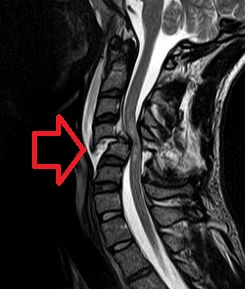
Emergency response and treatment are critical in the aftermath of a spinal cord injury. Prompt medical attention can significantly improve outcomes and reduce the risk of complications. Emergency medical technicians and trauma centers play a vital role in providing initial care and stabilization. The use of magnetic resonance imaging and computed tomography scans can help to diagnose and assess the extent of the injury. Additionally, surgery may be necessary to relieve pressure on the spinal cord and stabilize the spine.
🤝 Support Systems for SCI Patients
Support systems for SCI patients are essential for promoting recovery and well-being. Family support and social support can make a significant difference in an individual's ability to cope with their injury. Moreover, mental health services and counseling can help to address any underlying emotional or psychological issues. The spinal cord injury community is also an important resource, providing individuals with SCI with a sense of connection and belonging. By fostering a sense of community and support, we can help individuals with SCI to thrive and reach their full potential.
🔮 Future Directions in SCI Research
Future directions in SCI research hold great promise for improving our understanding and treatment of this condition. Researchers are exploring new and innovative approaches, such as regenerative medicine and neuroprosthetics. The use of stem cells and gene therapy may also hold potential for repairing or replacing damaged spinal cord tissue. Furthermore, advances in robotics and brain-computer interfaces are being developed to restore motor function and improve the quality of life for individuals with SCI. As research continues to advance, we can expect to see new and innovative treatments emerge that will improve the lives of individuals with SCI.
📊 Statistics and Demographics of SCI
Statistics and demographics of SCI can provide valuable insights into the scope and impact of this condition. According to the National Spinal Cord Injury Statistical Center, the majority of SCI cases are caused by trauma, with motor vehicle accidents being the leading cause. Additionally, SCI affects individuals of all ages, with the majority of cases occurring in young adults. Understanding the demographics and statistics of SCI can help to inform prevention and treatment strategies, as well as promote awareness and education about this condition.
🌎 Global Efforts to Address SCI
Global efforts to address SCI are underway, with organizations and researchers working together to promote awareness, education, and research. The World Health Organization and the International Spinal Cord Society are just a few examples of organizations that are working to address the global burden of SCI. Moreover, researchers and clinicians are collaborating to develop new and innovative treatments, such as stem cell therapy and gene therapy. By working together, we can make significant progress in our understanding and treatment of SCI, and improve the lives of individuals with this condition.
📝 Personal Stories of Resilience and Hope
Personal stories of resilience and hope can be a powerful inspiration for individuals with SCI and their loved ones. Many individuals with SCI have gone on to lead active and fulfilling lives, despite the challenges they face. Inspiring stories of individuals such as Nick Newell, a professional mixed martial artist with SCI, can provide motivation and encouragement for others. Moreover, support groups and peer mentoring programs can provide individuals with SCI with a sense of connection and community, and help them to navigate the challenges of living with this condition.
Key Facts
- Year
- 2022
- Origin
- United States
- Category
- Health and Medicine
- Type
- Medical Condition
Frequently Asked Questions
What is the most common cause of spinal cord injuries?
The most common cause of spinal cord injuries is trauma, with motor vehicle accidents being the leading cause. According to the National Spinal Cord Injury Statistical Center, approximately 39% of SCI cases are caused by motor vehicle accidents. Other common causes of SCI include falls, sports injuries, and violence.
What are the different types of spinal cord injuries?
There are several different types of spinal cord injuries, including complete spinal cord injuries and incomplete spinal cord injuries. Complete spinal cord injuries result in a complete loss of function below the level of the injury, while incomplete spinal cord injuries result in some preservation of function. Additionally, SCI can be classified as either tetraplegia or paraplegia, depending on the level of the injury.
What are the symptoms of a spinal cord injury?
The symptoms of a spinal cord injury can vary depending on the level and severity of the injury. Common symptoms include loss of motor function, loss of sensation, and autonomic dysfunction. Additionally, individuals with SCI may experience pain, fatigue, and emotional distress. It is essential to seek medical attention immediately if you suspect that you or someone else has suffered a spinal cord injury.
How can spinal cord injuries be prevented?
Spinal cord injuries can be prevented by taking certain precautions, such as wearing a seatbelt while driving, using protective gear while participating in sports, and avoiding risky behaviors such as diving into shallow water. Additionally, individuals can reduce their risk of SCI by maintaining a healthy weight, exercising regularly, and managing any underlying medical conditions. By taking these precautions, individuals can significantly reduce their risk of suffering a spinal cord injury.
What is the prognosis for individuals with spinal cord injuries?
The prognosis for individuals with spinal cord injuries can vary depending on the level and severity of the injury. With prompt medical attention and comprehensive rehabilitation, many individuals with SCI are able to regain some or all of their functional ability. Additionally, advances in medical technology and rehabilitation techniques have improved significantly in recent years, offering new hope for individuals with SCI. However, the prognosis for individuals with SCI can be uncertain, and it is essential to work closely with a healthcare team to develop a personalized treatment plan.
What resources are available for individuals with spinal cord injuries?
There are many resources available for individuals with spinal cord injuries, including rehabilitation centers, support groups, and online forums. The National Spinal Cord Injury Statistical Center and the Spinal Cord Injury Association are just a few examples of organizations that provide resources and support for individuals with SCI. Additionally, many hospitals and healthcare systems offer specialized SCI programs and services, including physical therapy, occupational therapy, and psychological counseling.
How can I get involved in spinal cord injury research and advocacy?
There are many ways to get involved in spinal cord injury research and advocacy, including participating in clinical trials, volunteering with organizations such as the Spinal Cord Injury Association, and advocating for policy changes that support individuals with SCI. Additionally, individuals can donate to organizations that fund SCI research and provide support services for individuals with SCI. By getting involved, individuals can make a significant difference in the lives of those affected by SCI and help to advance our understanding and treatment of this condition.