
Contents
- 🎵 Origins & History
- ⚙️ How It Works
- 📊 Key Facts & Numbers
- 👥 Key People & Organizations
- 🌍 Cultural Impact & Influence
- ⚡ Current State & Latest Developments
- 🤔 Controversies & Debates
- 🔮 Future Outlook & Predictions
- 💡 Practical Applications
- 📚 Related Topics & Deeper Reading
- Frequently Asked Questions
- References
- Related Topics
Overview
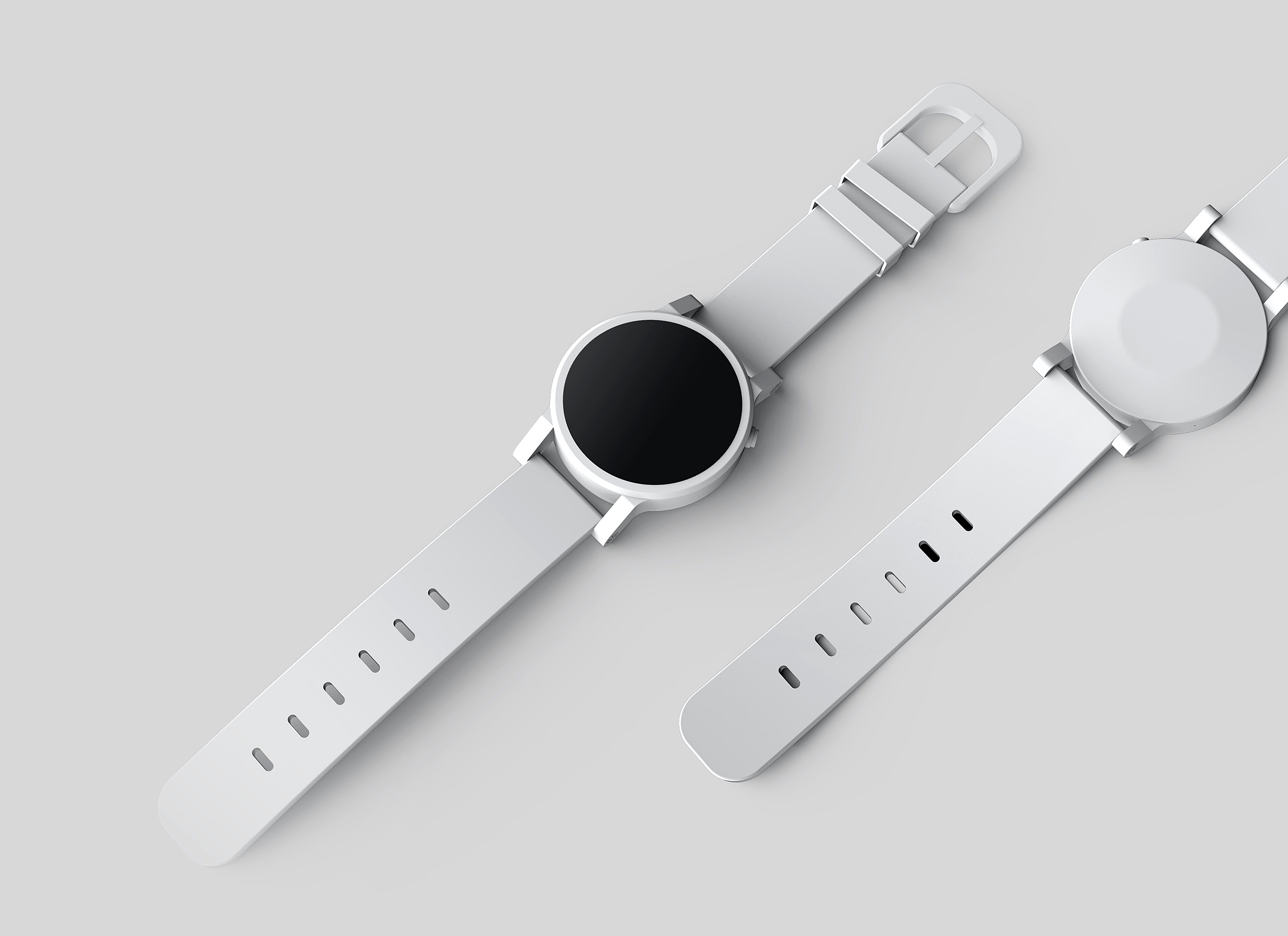
Wearable technology encompasses a broad range of small, mobile devices that are designed to be worn on the body, incorporating wireless communication capabilities. These devices, such as smartwatches, fitness trackers, and smartglasses, are equipped with sensors that monitor vital signs, track physical activity, and provide immediate biofeedback. With the ability to collect vast amounts of data, wearable technology has become an integral part of the Internet of Things (IoT), bridging the gap between technology and human health. According to a report by IDC, the global wearable technology market is projected to reach 637.6 million units by 2025, with a compound annual growth rate (CAGR) of 15.5%. As of 2022, the market was dominated by Apple with a 40.4% market share, followed by Xiaomi and Samsung. The impact of wearable technology extends beyond personal health, with applications in fields such as sports, medicine, and fashion, as seen with collaborations between Nike and Apple on wearable devices. Furthermore, wearable technology has also been explored in the context of mental health, with devices like Fitbit incorporating features to track sleep patterns and stress levels.
🎵 Origins & History
The concept of wearable technology dates back to the 1960s, with the development of the first wearable computer by Edward O. Thorpe, a mathematician who created a device to predict the outcome of roulette games. However, it wasn't until the 2010s that wearable technology began to gain mainstream popularity, with the release of devices such as the Fitbit and the Apple Watch. Today, wearable technology is a rapidly growing industry, with a wide range of devices available, from basic fitness trackers to advanced smartwatches with cellular connectivity, such as those offered by Samsung and Huawei.
⚙️ How It Works
Wearable devices operate using a combination of sensors, software, and wireless communication technologies. These sensors can track a variety of physiological and behavioral metrics, including heart rate, steps taken, and sleep quality. The data collected by these sensors is then transmitted to a connected device, such as a smartphone or computer, where it can be analyzed and used to provide insights into the wearer's health and activity levels. For example, Google Fit and Apple Health provide platforms for users to track their fitness and health data, while Strava focuses on athletic performance.
📊 Key Facts & Numbers
The wearable technology market is projected to reach 637.6 million units by 2025, with a CAGR of 15.5%, according to IDC. The market is dominated by Apple, with a 40.4% market share, followed by Xiaomi and Samsung. The average price of a wearable device is around $200, although prices can range from under $50 for basic fitness trackers to over $1,000 for advanced smartwatches. In terms of sales, Amazon and Best Buy are among the top retailers for wearable devices.
👥 Key People & Organizations
Key players in the wearable technology industry include Apple, Samsung, Xiaomi, and Fitbit. These companies are driving innovation in the industry, with advancements in areas such as sensor technology, artificial intelligence, and user interface design. For example, Google has developed Google Assistant for wearable devices, while Amazon has introduced Alexa for wearable devices.
🌍 Cultural Impact & Influence
Wearable technology has had a significant impact on popular culture, with devices such as smartwatches and fitness trackers becoming increasingly common. The technology has also been incorporated into fashion, with designers such as Ralph Lauren and Diane von Furstenberg creating wearable technology-enabled clothing and accessories. Furthermore, wearable technology has been used in various artistic projects, such as those by Refik Anadol, who uses data from wearable devices to create interactive installations.
⚡ Current State & Latest Developments
The current state of wearable technology is one of rapid innovation and growth. New devices and features are being released regularly, and the industry is expanding into new areas, such as augmented reality and artificial intelligence. For example, Magic Leap has developed an augmented reality headset, while Oculus VR has introduced virtual reality headsets. However, the industry is also facing challenges, such as concerns over data privacy and security, as well as the need for greater standardization and interoperability between devices.
🤔 Controversies & Debates
One of the main controversies surrounding wearable technology is the issue of data privacy. Many wearable devices collect sensitive personal data, including health and fitness information, which can be vulnerable to hacking and misuse. There are also concerns over the potential for wearable technology to be used for surveillance or tracking, as seen with the use of GPS tracking devices. Additionally, there are debates over the accuracy and reliability of wearable devices, with some devices being criticized for providing inaccurate or inconsistent data.
🔮 Future Outlook & Predictions
The future of wearable technology is likely to be shaped by advancements in areas such as artificial intelligence, augmented reality, and the Internet of Things. We can expect to see the development of more sophisticated and integrated wearable devices, such as smart contact lenses and implantable devices. For example, Mojo Vision is developing smart contact lenses with a built-in microelectromechanical systems (MEMS) display, while Neuralink is working on implantable brain–machine interfaces (BMIs).
💡 Practical Applications
Wearable technology has a wide range of practical applications, from fitness and health tracking to navigation and communication. Devices such as smartwatches and fitness trackers can provide users with valuable insights into their physical activity and health, while also offering features such as GPS tracking and mobile payments. For instance, Garmin offers wearable devices with GPS tracking and heart rate monitoring, while PayPal provides mobile payment services for wearable devices.
Key Facts
- Year
- 2022
- Origin
- Global
- Category
- fitness
- Type
- technology
Frequently Asked Questions
What is wearable technology?
Wearable technology refers to small electronic devices that are designed to be worn on the body, such as smartwatches, fitness trackers, and smartglasses. These devices are equipped with sensors that track physiological and behavioral metrics, and can provide users with valuable insights into their health and activity levels.
What are the benefits of wearable technology?
The benefits of wearable technology include improved health and fitness tracking, increased convenience, and enhanced navigation and communication capabilities. Wearable devices can also provide users with valuable insights into their physical activity and health, and can offer features such as GPS tracking and mobile payments.
What are the concerns surrounding wearable technology?
Concerns surrounding wearable technology include data privacy and security, as well as the potential for devices to be used for surveillance or tracking. There are also debates over the accuracy and reliability of wearable devices, with some devices being criticized for providing inaccurate or inconsistent data.
What is the future of wearable technology?
The future of wearable technology is likely to be shaped by advancements in areas such as artificial intelligence, augmented reality, and the Internet of Things. We can expect to see the development of more sophisticated and integrated wearable devices, such as smart contact lenses and implantable devices.
How does wearable technology relate to other technologies?
Wearable technology is closely related to other technologies, such as the Internet of Things, artificial intelligence, and augmented reality. These technologies are driving innovation and growth in the wearable technology industry, and are enabling the development of more sophisticated and integrated wearable devices.
What are some examples of wearable technology?
Examples of wearable technology include smartwatches, fitness trackers, smartglasses, and wearable devices with GPS tracking and mobile payments. Companies such as Apple, Samsung, and Fitbit are major players in the wearable technology industry, and offer a wide range of devices with various features and capabilities.
How does wearable technology impact society?
Wearable technology has a significant impact on society, with applications in fields such as healthcare, sports, and fashion. The technology has also been used in various artistic projects, and has the potential to enhance our daily lives and improve our overall well-being.