
Contents
- 🏰 Introduction to English Architecture
- 🏛️ Medieval Architecture in England
- 🏰 Tudor and Stuart Architecture
- 🌆 Georgian Architecture and the Rise of Urbanization
- 🏞️ Victorian Architecture: A Mix of Styles
- 🏗️ 20th-Century English Architecture: Modernism and Beyond
- 🌎 English Influence on Global Architecture
- 👥 Key Figures in English Architecture
- 📚 Preservation and Conservation of English Buildings
- 🔍 Challenges Facing English Architecture Today
- 🔮 The Future of English Architecture: Trends and Innovations
- 📸 Conclusion: The Enduring Legacy of English Architecture
- Frequently Asked Questions
- Related Topics
Overview
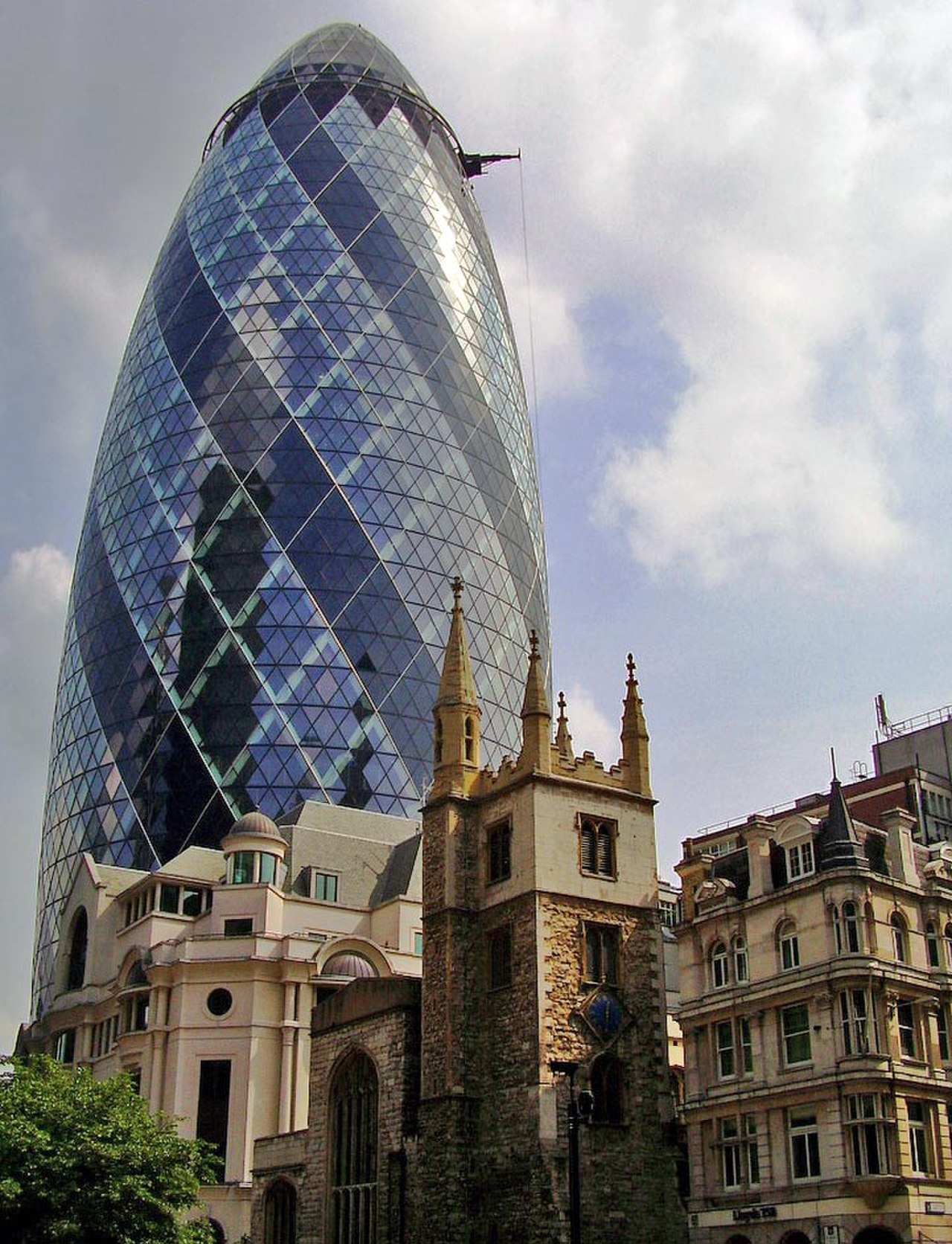
English architecture is a diverse and complex entity, spanning centuries and incorporating various styles, including Medieval, Gothic, Tudor, and Modern. The country's architectural landscape has been shaped by its history, with notable examples such as the Tower of London, Buckingham Palace, and the iconic St Paul's Cathedral. The influence of prominent architects like Christopher Wren and Inigo Jones can be seen in many English buildings. With a vibe score of 8, English architecture is a significant part of the country's cultural heritage, attracting millions of visitors each year. The controversy surrounding modern architectural developments, such as the Gherkin and the Shard, highlights the ongoing debate about the role of architecture in preserving national identity. As English architecture continues to evolve, it will be interesting to see how it balances tradition with innovation, with potential future developments including the incorporation of sustainable materials and designs.
🏰 Introduction to English Architecture
English architecture is a rich and diverse field, spanning centuries and incorporating various styles. From the medieval period to the present day, English architecture has been shaped by a complex array of historical, cultural, and social factors. The English Heritage organization plays a crucial role in preserving and promoting England's architectural heritage. The country's architecture has also been influenced by its British Empire history, with many buildings created under English influence or by English architects in other parts of the world. For example, the Indian architecture of the British Raj period reflects English architectural styles. The Commonwealth of Nations also continues to be influenced by English architecture.
🏛️ Medieval Architecture in England
Medieval architecture in England is characterized by the use of local materials, such as stone and timber, and the development of distinctive styles, such as the Gothic and Romanesque. The Canterbury Cathedral is a prime example of medieval English architecture, with its stunning stained-glass windows and intricate stone carvings. The Oxford University colleges also feature medieval architecture, with many buildings dating back to the 12th century. The influence of Norman Conquest can be seen in the architecture of this period, with the introduction of new building techniques and styles.
🏰 Tudor and Stuart Architecture
The Tudor and Stuart periods saw the emergence of new architectural styles, such as the Tudor and Stuart styles. The Hampton Court Palace is a notable example of Tudor architecture, with its distinctive red-brick façade and ornate chimneys. The Whitehall Palace also features Tudor architecture, although much of it was destroyed by a fire in 1698. The influence of Italian Renaissance architecture can be seen in the work of English architects, such as Inigo Jones. The English Civil War also had an impact on English architecture, with the destruction of many buildings and the emergence of new styles.
🌆 Georgian Architecture and the Rise of Urbanization
The Georgian period saw the rise of urbanization and the development of new architectural styles, such as the Georgian style. The Bath architecture of this period is particularly notable, with its elegant crescents and terraces. The London architecture of this period also features many examples of Georgian style, with buildings such as the Somerset House. The influence of Palladian architecture can be seen in the work of English architects, such as Robert Adam. The Industrial Revolution also had an impact on English architecture, with the development of new building materials and techniques.
🏞️ Victorian Architecture: A Mix of Styles
Victorian architecture is a mix of styles, reflecting the eclectic tastes of the Victorian era. The Victorian style is characterized by the use of new materials, such as iron and glass, and the development of distinctive styles, such as the Gothic Revival and Arts and Crafts. The Crystal Palace is a notable example of Victorian architecture, with its stunning glass and iron façade. The London Victorian architecture of this period also features many examples of Gothic Revival style, with buildings such as the St Pancras Station. The influence of Augustus Pugin can be seen in the work of English architects, such as Charles Barry.
🏗️ 20th-Century English Architecture: Modernism and Beyond
20th-century English architecture saw the emergence of new styles, such as the Modernist and Brutalist styles. The Barbican Estate is a notable example of modernist architecture, with its striking concrete façade and innovative design. The National Theatre also features modernist architecture, with its distinctive fly tower and brutalist design. The influence of Le Corbusier can be seen in the work of English architects, such as Erno Goldfinger. The English architecture in the 20th century was also shaped by the post-war reconstruction efforts.
🌎 English Influence on Global Architecture
English influence on global architecture can be seen in many parts of the world, particularly in the English overseas possessions and the later British Empire. The Indian architecture of the British Raj period reflects English architectural styles, with buildings such as the Victoria Terminus in Mumbai. The Australian architecture of the 19th century also features many examples of English styles, with buildings such as the Sydney Opera House. The influence of English architects can be seen in the work of architects in other countries, such as Frank Lloyd Wright in the United States.
👥 Key Figures in English Architecture
Key figures in English architecture include Christopher Wren, who designed many iconic buildings in London, such as St Paul's Cathedral. The Inigo Jones was also a prominent English architect, who introduced Italian Renaissance styles to England. The Robert Adam was a leading architect of the Georgian period, who designed many elegant buildings in London and elsewhere. The Augustus Pugin was a key figure in the Gothic Revival movement, who designed many iconic buildings, such as the Big Ben clock tower.
📚 Preservation and Conservation of English Buildings
The preservation and conservation of English buildings is a complex and ongoing process, with many organizations, such as the English Heritage and the Historic England, working to protect and promote the country's architectural heritage. The listed buildings system is used to categorize and protect buildings of special architectural or historical interest. The conservation areas are also designated to protect areas of special architectural or historical interest. The influence of sustainability can be seen in the work of English architects, with a focus on environmentally friendly design and materials.
🔍 Challenges Facing English Architecture Today
Challenges facing English architecture today include the need to balance preservation and conservation with the demands of modern development and urbanization. The urban sprawl and the loss of historic buildings are major concerns, with many iconic buildings being demolished or altered beyond recognition. The influence of climate change can be seen in the work of English architects, with a focus on sustainable design and materials. The English architecture and urban planning are also shaped by the government policies and the public opinion.
🔮 The Future of English Architecture: Trends and Innovations
The future of English architecture is likely to be shaped by a range of factors, including technological innovation, sustainability, and cultural exchange. The green architecture and the sustainable design are becoming increasingly important, with a focus on environmentally friendly materials and energy-efficient systems. The influence of globalization can be seen in the work of English architects, with a focus on international collaboration and exchange. The English architecture in the 21st century is likely to be shaped by the digital technologies and the innovative materials.
📸 Conclusion: The Enduring Legacy of English Architecture
In conclusion, English architecture is a rich and diverse field, spanning centuries and incorporating various styles. From the medieval period to the present day, English architecture has been shaped by a complex array of historical, cultural, and social factors. The English architecture continues to evolve, with new styles and technologies emerging all the time. The influence of English culture can be seen in the work of English architects, with a focus on innovation, sustainability, and cultural exchange.
Key Facts
- Year
- 1066
- Origin
- England, UK
- Category
- Architecture
- Type
- Architectural Style
Frequently Asked Questions
What are the main styles of English architecture?
The main styles of English architecture include the medieval, Tudor, Stuart, Georgian, Victorian, and modernist styles. Each style reflects the historical, cultural, and social context of its time, with distinctive features such as the use of local materials, the development of new building techniques, and the influence of international styles. The English architecture is a rich and diverse field, with many iconic buildings and landmarks. The influence of English history can be seen in the work of English architects, with a focus on preserving and promoting the country's architectural heritage.
Who are some notable English architects?
Some notable English architects include Christopher Wren, Inigo Jones, Robert Adam, and Augustus Pugin. These architects have made significant contributions to the development of English architecture, with iconic buildings such as St Paul's Cathedral, St James Palace, and Big Ben clock tower. The influence of English architects can be seen in the work of architects in other countries, such as Frank Lloyd Wright in the United States.
What is the significance of English architecture?
English architecture is significant because it reflects the country's rich history, cultural heritage, and social context. The English architecture has been shaped by a complex array of historical, cultural, and social factors, with many iconic buildings and landmarks. The influence of English culture can be seen in the work of English architects, with a focus on innovation, sustainability, and cultural exchange. The English architecture continues to evolve, with new styles and technologies emerging all the time.
How has English architecture influenced global architecture?
English architecture has had a significant influence on global architecture, particularly in the English overseas possessions and the later British Empire. The Indian architecture of the British Raj period reflects English architectural styles, with buildings such as the Victoria Terminus in Mumbai. The Australian architecture of the 19th century also features many examples of English styles, with buildings such as the Sydney Opera House. The influence of English architects can be seen in the work of architects in other countries, such as Frank Lloyd Wright in the United States.
What are some of the challenges facing English architecture today?
Some of the challenges facing English architecture today include the need to balance preservation and conservation with the demands of modern development and urbanization. The urban sprawl and the loss of historic buildings are major concerns, with many iconic buildings being demolished or altered beyond recognition. The influence of climate change can be seen in the work of English architects, with a focus on sustainable design and materials. The English architecture and urban planning are also shaped by the government policies and the public opinion.
What is the future of English architecture?
The future of English architecture is likely to be shaped by a range of factors, including technological innovation, sustainability, and cultural exchange. The green architecture and the sustainable design are becoming increasingly important, with a focus on environmentally friendly materials and energy-efficient systems. The influence of globalization can be seen in the work of English architects, with a focus on international collaboration and exchange. The English architecture in the 21st century is likely to be shaped by the digital technologies and the innovative materials.
How can I learn more about English architecture?
You can learn more about English architecture by visiting the English Heritage website, which provides a wealth of information on the country's architectural heritage. You can also visit the Historic England website, which provides information on the conservation and preservation of English buildings. The RIBA website is also a useful resource, with information on the latest developments and trends in English architecture. The influence of English culture can be seen in the work of English architects, with a focus on innovation, sustainability, and cultural exchange.