
Contents
- 🌆 Introduction to Urban Sprawl
- 🚗 The Rise of Car-Dependent Cities
- 🏠 Low-Density Residential Housing
- 📈 Economic Impacts of Urban Sprawl
- 🌳 Environmental Consequences
- 🚫 The Debate Over Zoning Regulations
- 👥 Social Implications of Urban Sprawl
- 🔮 Innovative Solutions for Sustainable Cities
- 📊 Measuring the Effects of Urban Sprawl
- 👀 Case Studies of Successful Urban Planning
- 🤝 Collaborative Efforts to Combat Urban Sprawl
- 🔜 The Future of Urban Development
- Frequently Asked Questions
- Related Topics
Overview
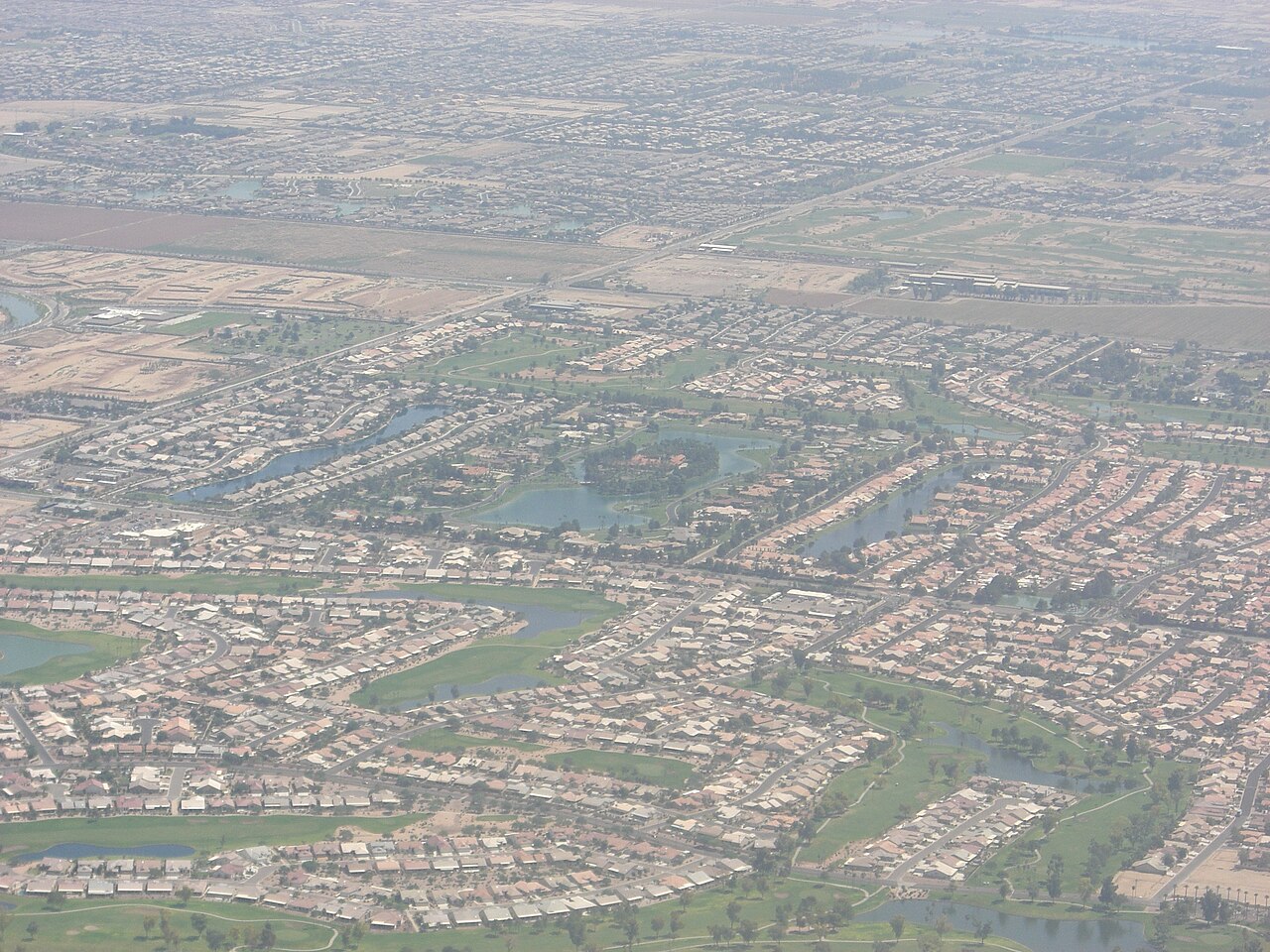
Urban sprawl refers to the uncontrolled growth of cities, characterized by low-density development, single-use zoning, and a lack of pedestrian-friendly infrastructure. This phenomenon has been observed in many cities worldwide, including Los Angeles, Mexico City, and Beijing, with a significant impact on the environment, public health, and social equity. According to a study by the United Nations, the global urban population is projected to reach 6.5 billion by 2050, with 90% of this growth occurring in Africa and Asia. The consequences of urban sprawl are multifaceted, including increased air pollution, traffic congestion, and social segregation. For instance, a study by the American Lung Association found that the Los Angeles-Long Beach-Anaheim area has the worst ozone pollution in the United States, with 137 days of unhealthy air quality in 2020. Furthermore, urban sprawl can also lead to the displacement of low-income and minority communities, as seen in the case of the Atlanta BeltLine project, which has been criticized for its potential to gentrify surrounding neighborhoods. As cities continue to grow and expand, it is essential to adopt sustainable urban planning strategies that prioritize density, mixed-use development, and public transportation, such as the ones implemented in cities like Copenhagen and Vancouver, which have achieved a high level of sustainability and livability.
🌆 Introduction to Urban Sprawl
Urban sprawl, a phenomenon characterized by the rapid expansion of cities and towns, has become a pressing concern in the field of Urban Planning. The unrestricted growth of housing, commercial development, and roads over large expanses of land has led to a multitude of problems, including increased reliance on the private automobile for transportation. As cities continue to grow, it is essential to understand the causes and consequences of urban sprawl, as well as the potential solutions. For instance, the concept of New Urbanism emphasizes the importance of compact, walkable, and mixed-use communities. Furthermore, the implementation of Smart Growth strategies can help mitigate the effects of urban sprawl by promoting more efficient use of land and resources.
🚗 The Rise of Car-Dependent Cities
The rise of car-dependent cities has been a significant contributor to urban sprawl. As cities have expanded, the lack of effective public transportation systems has led to an increased reliance on personal vehicles, resulting in Traffic Congestion and decreased air quality. The development of Suburbanization has also played a role in the growth of urban sprawl, as people have moved away from city centers in search of more affordable housing and larger living spaces. However, this has led to the creation of Urban Sprawl, characterized by low-density residential housing and single-use zoning. To address these issues, cities can adopt Transit-Oriented Development strategies, which prioritize the creation of compact, walkable communities centered around public transportation hubs.
🏠 Low-Density Residential Housing
Low-density residential housing has been a hallmark of urban sprawl, with many cities experiencing a surge in the development of single-family homes on large lots. While this type of housing may be desirable for some, it has significant implications for the environment, including increased Energy Consumption and Greenhouse Gas Emissions. Additionally, the lack of Mixed-Use Development in these areas can lead to a lack of community engagement and social interaction. To mitigate these effects, cities can encourage the development of Infill Development, which involves the redevelopment of underutilized or vacant parcels of land within existing urban areas. This approach can help reduce the pressure to develop greenfield sites and promote more sustainable urban growth.
📈 Economic Impacts of Urban Sprawl
The economic impacts of urban sprawl are far-reaching and complex. On one hand, the expansion of cities can lead to increased economic growth and development, as new businesses and industries emerge to meet the needs of a growing population. However, this growth can also lead to increased costs for Infrastructure Development, including the construction of new roads, utilities, and public services. Furthermore, the lack of Density in urban sprawl areas can make it difficult to support Public Transportation systems, leading to increased costs for individuals and society as a whole. To address these challenges, cities can adopt Value Capture strategies, which involve capturing a portion of the increased land value generated by public investments in infrastructure and using it to fund further development.
🌳 Environmental Consequences
The environmental consequences of urban sprawl are significant, with the expansion of cities leading to the destruction of natural habitats and the loss of Biodiversity. The increased reliance on personal vehicles has also led to a surge in Air Pollution, which can have serious health impacts for urban residents. Additionally, the lack of Green Spaces in urban sprawl areas can exacerbate the Urban Heat Island effect, leading to increased temperatures and heat-related illnesses. To mitigate these effects, cities can implement Green Infrastructure strategies, such as the creation of parks, green roofs, and urban forests, to help reduce the urban heat island effect and improve air quality.
🚫 The Debate Over Zoning Regulations
The debate over zoning regulations has been a contentious issue in the context of urban sprawl. While some argue that zoning regulations are necessary to protect the character of neighborhoods and prevent over-development, others argue that they can limit the supply of affordable housing and exacerbate urban sprawl. The concept of Inclusionary Zoning has been proposed as a potential solution, requiring developers to include a certain percentage of affordable housing units in new construction projects. However, this approach has been met with resistance from some developers, who argue that it can increase the cost of development and limit the viability of projects. To address these concerns, cities can adopt Form-Based Codes, which focus on the physical form and character of buildings, rather than their use.
🔮 Innovative Solutions for Sustainable Cities
Innovative solutions for sustainable cities are being developed and implemented around the world. The concept of Smart Cities has emerged as a potential solution, with a focus on using technology and data to improve the efficiency and sustainability of urban systems. Additionally, the development of Green Buildings and Sustainable Infrastructure can help reduce the environmental impacts of urban sprawl. The implementation of Congestion Pricing schemes can also help reduce traffic congestion and promote more sustainable transportation options. To support these efforts, cities can establish Sustainability Offices, which can coordinate and implement sustainability initiatives across different city departments.
📊 Measuring the Effects of Urban Sprawl
Measuring the effects of urban sprawl is a complex task, requiring the use of a range of indicators and metrics. The concept of Urban Sprawl Index has been proposed as a potential tool for measuring the extent of urban sprawl, with a focus on factors such as population density, land use mix, and transportation options. Additionally, the use of Geographic Information Systems (GIS) can help analyze and visualize the spatial patterns of urban sprawl, allowing for more effective planning and decision-making. To support these efforts, cities can establish Data Analytics platforms, which can provide real-time insights into urban systems and support data-driven decision-making.
👀 Case Studies of Successful Urban Planning
Case studies of successful urban planning can provide valuable lessons for cities looking to address the challenges of urban sprawl. The city of Curitiba, Brazil, is often cited as an example of successful urban planning, with a focus on compact, walkable neighborhoods and a comprehensive public transportation system. The city of Vancouver, Canada, is another example, with a focus on mixed-use development and green spaces. These cities demonstrate that it is possible to create sustainable, livable cities, even in the face of rapid urbanization. To support these efforts, cities can establish Urban Planning Departments, which can coordinate and implement urban planning initiatives across different city departments.
🤝 Collaborative Efforts to Combat Urban Sprawl
Collaborative efforts to combat urban sprawl are essential, requiring the involvement of a range of stakeholders, including government agencies, private developers, and community organizations. The concept of Public-Private Partnerships has been proposed as a potential solution, with a focus on leveraging private investment to support public goals and objectives. Additionally, the development of Community Engagement strategies can help build support for urban planning initiatives and ensure that the needs and concerns of all members of the community are taken into account. To support these efforts, cities can establish Stakeholder Engagement platforms, which can facilitate communication and collaboration among different stakeholders.
🔜 The Future of Urban Development
The future of urban development is uncertain, but it is clear that cities will continue to play a critical role in shaping the trajectory of human history. The concept of Sustainable Development has emerged as a potential framework for addressing the challenges of urban sprawl, with a focus on balancing economic, social, and environmental considerations. As cities continue to grow and evolve, it will be essential to prioritize sustainability, equity, and community engagement, and to develop innovative solutions to the complex challenges posed by urban sprawl. To support these efforts, cities can establish Futures Planning initiatives, which can help anticipate and prepare for future challenges and opportunities.
Key Facts
- Year
- 1950
- Origin
- United States
- Category
- Urban Planning
- Type
- Concept
Frequently Asked Questions
What is urban sprawl?
Urban sprawl refers to the rapid expansion of the geographic extent of cities and towns, often characterized by low-density residential housing, single-use zoning, and increased reliance on the private automobile for transportation. This can lead to a range of problems, including increased traffic congestion, air pollution, and loss of natural habitats. To address these issues, cities can adopt Smart Growth strategies, which prioritize compact, walkable, and mixed-use development. Additionally, the implementation of Green Infrastructure can help reduce the environmental impacts of urban sprawl.
What are the causes of urban sprawl?
The causes of urban sprawl are complex and multifaceted, but can include factors such as population growth, economic development, and lack of effective urban planning. The rise of car-dependent cities has also played a significant role in the growth of urban sprawl, as has the development of suburbanization. To address these issues, cities can adopt Transit-Oriented Development strategies, which prioritize the creation of compact, walkable communities centered around public transportation hubs. Additionally, the implementation of Inclusionary Zoning can help promote more affordable and equitable housing options.
What are the consequences of urban sprawl?
The consequences of urban sprawl are far-reaching and can include increased traffic congestion, air pollution, and loss of natural habitats. Urban sprawl can also lead to social isolation, decreased community engagement, and increased costs for individuals and society as a whole. To mitigate these effects, cities can implement Congestion Pricing schemes, which can help reduce traffic congestion and promote more sustainable transportation options. Additionally, the development of Green Spaces can help reduce the urban heat island effect and improve air quality.
How can urban sprawl be addressed?
Urban sprawl can be addressed through a range of strategies, including the development of compact, walkable, and mixed-use communities, the implementation of effective public transportation systems, and the promotion of green infrastructure and sustainable development. The use of zoning regulations, such as inclusionary zoning, can also help promote more affordable and equitable housing options. To support these efforts, cities can establish Urban Planning Departments, which can coordinate and implement urban planning initiatives across different city departments.
What is the role of urban planning in addressing urban sprawl?
Urban planning plays a critical role in addressing urban sprawl, as it can help shape the physical form and character of cities, and promote more sustainable and equitable development. Urban planners can work to create compact, walkable, and mixed-use communities, and to implement effective public transportation systems and green infrastructure. To support these efforts, cities can adopt Form-Based Codes, which focus on the physical form and character of buildings, rather than their use. Additionally, the implementation of Community Engagement strategies can help build support for urban planning initiatives and ensure that the needs and concerns of all members of the community are taken into account.
What are some examples of successful urban planning initiatives?
There are many examples of successful urban planning initiatives around the world, including the city of Curitiba, Brazil, and the city of Vancouver, Canada. These cities demonstrate that it is possible to create sustainable, livable cities, even in the face of rapid urbanization. To support these efforts, cities can establish Sustainability Offices, which can coordinate and implement sustainability initiatives across different city departments. Additionally, the implementation of Data Analytics platforms can provide real-time insights into urban systems and support data-driven decision-making.
How can community engagement be used to address urban sprawl?
Community engagement can play a critical role in addressing urban sprawl, as it can help build support for urban planning initiatives and ensure that the needs and concerns of all members of the community are taken into account. The use of community engagement strategies, such as public meetings and participatory planning processes, can help promote more inclusive and equitable development. To support these efforts, cities can establish Stakeholder Engagement platforms, which can facilitate communication and collaboration among different stakeholders. Additionally, the implementation of Community Land Trusts can help ensure that community interests are represented in the development process.
👥 Social Implications of Urban Sprawl
The social implications of urban sprawl are complex and multifaceted. On one hand, the expansion of cities can lead to increased social isolation and decreased community engagement, as people become more dispersed and reliant on personal vehicles. However, urban sprawl can also lead to increased opportunities for social mobility, as people are able to access new job opportunities and educational resources. The concept of Social Equity has been proposed as a framework for addressing these issues, with a focus on ensuring that all members of society have access to the resources and opportunities they need to thrive. To promote social equity, cities can implement Community Land Trusts, which allow community organizations to acquire and hold land for the benefit of the community, rather than private developers.