
Contents
- 🏛️ Introduction to RIBA
- 📜 History of the Royal Institute of British Architects
- 👑 Royal Charter and Supplemental Charters
- 🌎 International Presence and Influence
- 🏢 Architectural Styles and Movements
- 📚 Education and Training
- 🏆 Awards and Competitions
- 📊 Membership and Benefits
- 🤝 Collaborations and Partnerships
- 📈 Challenges and Controversies
- 🔮 Future of Architecture and RIBA's Role
- Frequently Asked Questions
- Related Topics
Overview
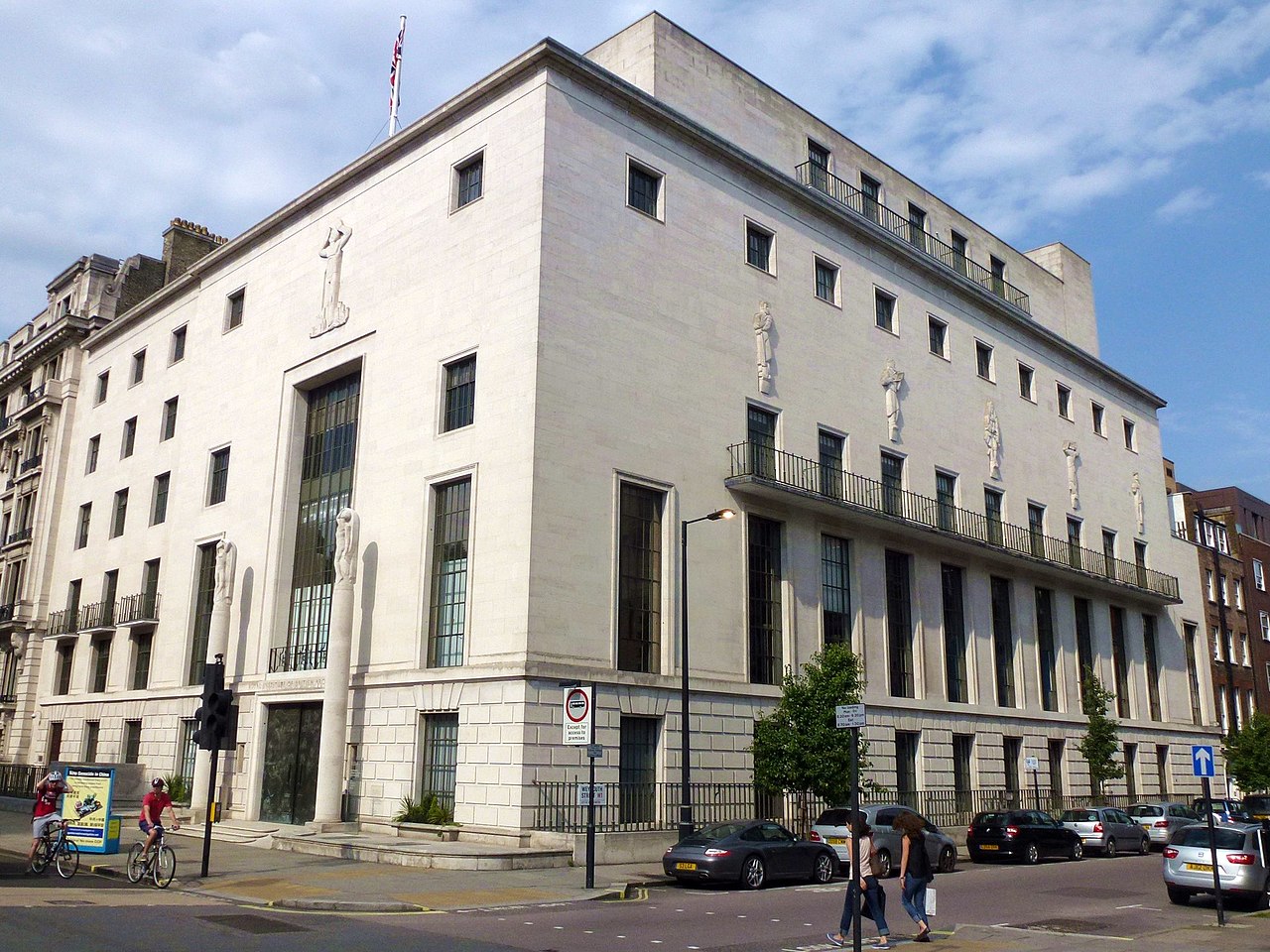
The Royal Institute of British Architects (RIBA) is a professional body for architects in the United Kingdom, founded in 1834 by several prominent architects, including Decimus Burton, Philip Hardwick, and Thomas Leverton Donaldson. With over 44,000 members, RIBA is one of the largest and most influential architectural institutions in the world, promoting excellence in architecture and providing support for its members through training, events, and advocacy. RIBA's work has a significant impact on the built environment, with its members responsible for designing some of the most iconic buildings in the UK, such as the Shard and the Gherkin. The institution has also been at the forefront of debates on sustainability, accessibility, and social housing, with many of its members pushing the boundaries of innovative design. According to a 2020 survey, 71% of RIBA members reported that they had incorporated sustainable design principles into their work, highlighting the institution's commitment to environmental responsibility. As the built environment continues to evolve, RIBA's influence will be crucial in shaping the future of architecture and design, with its members expected to play a key role in addressing the challenges of climate change, urbanization, and social inequality.
🏛️ Introduction to RIBA
The Royal Institute of British Architects (RIBA) is a professional body for architects primarily in the United Kingdom, but also internationally, founded for the advancement of architecture under its royal charter granted in 1837, three supplemental charters and a new charter granted in 1971. As a leading organization in the field of architecture, RIBA has been instrumental in promoting architecture and design excellence. With a rich history spanning over 180 years, RIBA has played a significant role in shaping the built environment in the UK and beyond. The organization has also been involved in various sustainability initiatives, aiming to reduce the environmental impact of buildings and promote green building practices.
📜 History of the Royal Institute of British Architects
The history of RIBA dates back to 1837 when it was founded by a group of architects who were passionate about promoting the art and science of architecture. Over the years, the organization has undergone significant changes, including the granting of supplemental charters in 1909, 1925, and 1959. These charters have helped to expand RIBA's role and influence, both in the UK and internationally. Today, RIBA is a global organization with members from over 100 countries, working together to advance the profession of architecture and promote urban planning excellence. RIBA has also been involved in various heritage conservation initiatives, aiming to preserve historic buildings and promote cultural heritage.
👑 Royal Charter and Supplemental Charters
The royal charter granted to RIBA in 1837 marked an important milestone in the organization's history. The charter recognized RIBA as a professional body for architects and gave it the authority to regulate the profession. The supplemental charters granted in subsequent years have further expanded RIBA's role and responsibilities, including the promotion of architectural education and the development of professional standards for architects. Today, RIBA is a leading voice in the architectural profession, promoting innovation and excellence in design and construction. RIBA has also been involved in various research and development initiatives, aiming to advance the field of architecture and promote technological advancements.
🌎 International Presence and Influence
RIBA's international presence and influence are significant, with members from over 100 countries. The organization has established partnerships with other architectural organizations around the world, promoting the exchange of ideas and best practices. RIBA has also been involved in various international initiatives, including the development of sustainable development goals and the promotion of disaster relief efforts. As a global organization, RIBA is well-positioned to address the challenges facing the architectural profession, including climate change and urbanization. RIBA has also been involved in various community development initiatives, aiming to promote social sustainability and environmental sustainability.
🏢 Architectural Styles and Movements
RIBA has played a significant role in promoting various architectural styles and movements, including modernism and postmodernism. The organization has also been involved in the development of building codes and zoning regulations, aiming to promote public safety and environmental protection. Today, RIBA continues to promote innovative design and sustainable architecture, recognizing the importance of energy efficiency and renewable energy in building design. RIBA has also been involved in various historic preservation initiatives, aiming to preserve historic buildings and promote cultural heritage.
📚 Education and Training
Education and training are critical components of RIBA's mission, with the organization offering a range of architectural courses and professional development programs. RIBA has also established partnerships with universities and other educational institutions, promoting the development of architectural education and research in the field. Today, RIBA is a leading provider of continuing education programs for architects, recognizing the importance of lifelong learning in the profession. RIBA has also been involved in various mentorship initiatives, aiming to promote professional development and career advancement.
🏆 Awards and Competitions
RIBA has established a range of awards and competitions to recognize excellence in architecture and design. The organization's most prestigious award is the RIBA Royal Gold Medal, which is awarded annually to an individual who has made a significant contribution to the profession. RIBA has also established the RIBA President's Medals, which recognize outstanding achievement in architectural design. Today, RIBA's awards and competitions are recognized as among the most prestigious in the architectural profession, promoting innovation and excellence in design and construction. RIBA has also been involved in various publication initiatives, aiming to promote architectural knowledge and design inspiration.
📊 Membership and Benefits
RIBA offers a range of benefits to its members, including access to professional development programs, networking opportunities, and exclusive events. Members also receive subscriptions to RIBA's publications, including the RIBA Journal and the RIBA Directory. Today, RIBA has over 40,000 members worldwide, making it one of the largest and most influential architectural organizations in the world. RIBA has also been involved in various community engagement initiatives, aiming to promote public awareness and education about architecture and design.
🤝 Collaborations and Partnerships
RIBA has established partnerships with other organizations in the architectural profession, including the American Institute of Architects and the International Union of Architects. These partnerships promote the exchange of ideas and best practices, recognizing the importance of global cooperation in addressing the challenges facing the profession. RIBA has also been involved in various research collaborations, aiming to advance the field of architecture and promote innovation. Today, RIBA is a leading voice in the global architectural community, promoting sustainability and resilience in the built environment.
📈 Challenges and Controversies
Despite its many achievements, RIBA has faced challenges and controversies over the years, including criticism of its membership fees and its governance structure. The organization has also been involved in debates about the role of architecture in society, including the impact of urbanization and climate change on the built environment. Today, RIBA continues to evolve and adapt to the changing needs of the profession, recognizing the importance of innovation and excellence in design and construction. RIBA has also been involved in various policy development initiatives, aiming to promote sustainable development and environmental protection.
🔮 Future of Architecture and RIBA's Role
As the architectural profession continues to evolve, RIBA is well-positioned to play a leading role in shaping the future of architecture. The organization is committed to promoting sustainability and resilience in the built environment, recognizing the importance of energy efficiency and renewable energy in building design. Today, RIBA is a global organization with a strong voice and a clear vision for the future of architecture, promoting innovation and excellence in design and construction. RIBA has also been involved in various future planning initiatives, aiming to promote long-term thinking and strategic planning in the architectural profession.
Key Facts
- Year
- 1834
- Origin
- London, United Kingdom
- Category
- Architecture and Design
- Type
- Professional Organization
Frequently Asked Questions
What is the Royal Institute of British Architects?
The Royal Institute of British Architects (RIBA) is a professional body for architects primarily in the United Kingdom, but also internationally. It was founded for the advancement of architecture under its royal charter granted in 1837, three supplemental charters and a new charter granted in 1971. RIBA is a leading organization in the field of architecture, promoting architecture and design excellence. With a rich history spanning over 180 years, RIBA has played a significant role in shaping the built environment in the UK and beyond.
What are the benefits of RIBA membership?
RIBA offers a range of benefits to its members, including access to professional development programs, networking opportunities, and exclusive events. Members also receive subscriptions to RIBA's publications, including the RIBA Journal and the RIBA Directory. Today, RIBA has over 40,000 members worldwide, making it one of the largest and most influential architectural organizations in the world.
What is the RIBA Royal Gold Medal?
The RIBA Royal Gold Medal is the organization's most prestigious award, which is awarded annually to an individual who has made a significant contribution to the profession. The medal is recognized as one of the most prestigious awards in the architectural profession, promoting innovation and excellence in design and construction.
How does RIBA promote sustainability?
RIBA promotes sustainability through various initiatives, including the development of sustainable development goals and the promotion of energy efficiency and renewable energy in building design. The organization also provides resources and guidance to its members on sustainable design and construction practices, recognizing the importance of environmental sustainability and social sustainability.
What is the role of RIBA in the global architectural community?
RIBA is a leading voice in the global architectural community, promoting sustainability and resilience in the built environment. The organization has established partnerships with other architectural organizations around the world, recognizing the importance of global cooperation in addressing the challenges facing the profession. Today, RIBA is a global organization with a strong voice and a clear vision for the future of architecture, promoting innovation and excellence in design and construction.
How does RIBA support architectural education?
RIBA supports architectural education through various initiatives, including the provision of architectural courses and professional development programs. The organization has also established partnerships with universities and other educational institutions, promoting the development of architectural education and research in the field. Today, RIBA is a leading provider of continuing education programs for architects, recognizing the importance of lifelong learning in the profession.
What are the challenges facing RIBA?
RIBA faces various challenges, including criticism of its membership fees and its governance structure. The organization has also been involved in debates about the role of architecture in society, including the impact of urbanization and climate change on the built environment. Today, RIBA continues to evolve and adapt to the changing needs of the profession, recognizing the importance of innovation and excellence in design and construction.