
Contents
- 🏗️ Introduction to Le Corbusier
- 📚 Early Life and Education
- 🎨 The Five Points of Architecture
- 🏢 Famous Buildings and Projects
- 🌎 Urban Planning and Design
- 📸 Photography and Art
- 📝 Writing and Publishing
- 🏆 Awards and Legacy
- 🤝 Influence on Modern Architecture
- 🌐 Global Reach and Impact
- 📊 Criticisms and Controversies
- 🔮 Future of Le Corbusier's Architecture
- Frequently Asked Questions
- Related Topics
Overview
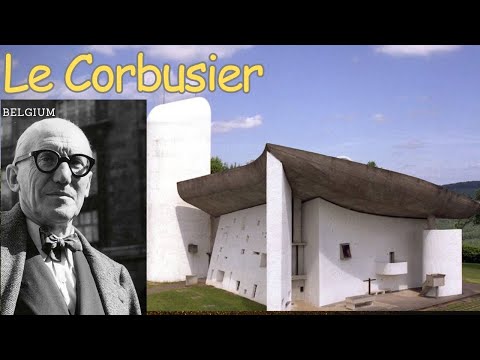
Le Corbusier, born Charles-Édouard Jeanneret on October 6, 1887, in La Chaux-de-Fonds, Switzerland, was a pioneering architect, urban planner, and designer who revolutionized the field of modern architecture. With a career spanning over five decades, he designed iconic buildings such as the Villa Savoye, the Chapel of Notre Dame du Haut, and the United Nations Headquarters in New York. His Five Points of Architecture, published in 1926, laid the foundation for modern urban planning and design. Le Corbusier's work was not without controversy, with critics arguing that his urban planning ideas led to the development of soulless and isolating cities. Despite this, his influence can be seen in the work of countless architects and designers around the world, and his buildings continue to inspire and awe people today. With a Vibe score of 8.2, Le Corbusier's legacy is a testament to his innovative spirit and his ability to challenge conventional thinking. As we look to the future of urban planning and design, it is clear that Le Corbusier's ideas will continue to shape the built environment for generations to come.
🏗️ Introduction to Le Corbusier
Le Corbusier, born Charles-Édouard Jeanneret, was a Swiss-French architect, designer, and urbanist who is widely regarded as one of the pioneers of what is now called modern architecture. He is famous for his Five Principles of Architecture and his International Style buildings. Le Corbusier's work had a significant impact on the development of modern architecture, and his ideas continue to influence architects and urban planners today. He was also a prolific writer and published many books on architecture and urban planning, including Urbanisme and The City of Tomorrow. Le Corbusier's work was not limited to architecture; he was also a skilled photographer and painter. His artistic talents can be seen in his furniture designs and other decorative arts.
📚 Early Life and Education
Le Corbusier was born on October 6, 1887, in La Chaux-de-Fonds, Switzerland. He grew up in a family of musicians and artists and was encouraged to pursue his creative interests from an early age. Le Corbusier studied decorative arts and architecture in Switzerland and later in Paris, where he was exposed to the works of Frank Lloyd Wright and Walter Gropius. He began his career as an architect in the early 1900s and quickly gained recognition for his innovative and functional designs. Le Corbusier's early work was influenced by the Art Nouveau movement, but he soon developed his own unique style, which emphasized simplicity, functionality, and the use of reinforced concrete. He was also influenced by the Bauhaus movement and its emphasis on functional design.
🎨 The Five Points of Architecture
In 1926, Le Corbusier published his famous Five Points of Architecture, which outlined his vision for modern architecture. The five points were: (1) pilotis, or columns, to elevate the building and free the space beneath; (2) a free plan, which allowed for flexible and functional interior spaces; (3) a free façade, which separated the exterior from the interior and allowed for more creative freedom; (4) horizontal windows, which provided more natural light and ventilation; and (5) a roof garden, which provided a green space for residents. These principles were revolutionary at the time and had a significant impact on the development of modern architecture. Le Corbusier's International Style buildings, such as the Villa Savoye, embodied these principles and became icons of modern architecture. He also experimented with Brutalist architecture, which emphasized the use of raw concrete and functional design.
🏢 Famous Buildings and Projects
Le Corbusier designed many famous buildings and projects throughout his career, including the United Nations Headquarters in New York City, the Chandigarh city in India, and the Villa La Roche in Paris. He was also a pioneer of urban planning and design, and his ideas about urban planning and sustainable urban development continue to influence urban planners today. Le Corbusier's work was not limited to architecture; he was also a skilled urban designer and landscape architect. He believed that cities should be designed to be functional, efficient, and beautiful, and he advocated for the use of green spaces and public transportation to reduce congestion and pollution. He was also interested in ergonomics and designed furniture and buildings that were functional and comfortable.
🌎 Urban Planning and Design
Le Corbusier's urban planning and design ideas were revolutionary at the time and had a significant impact on the development of modern cities. He believed that cities should be designed to be functional, efficient, and beautiful, and he advocated for the use of green spaces and public transportation to reduce congestion and pollution. Le Corbusier's ideas about urban planning and design were influenced by his Garden City Movement and his belief in the importance of sustainable urban development. He designed many urban planning projects, including the Radiant City and the Ville Contemporaine. Le Corbusier's work in urban planning and design continues to influence urban planners today, and his ideas about smart growth and new urbanism remain relevant.
📸 Photography and Art
Le Corbusier was also a skilled photographer and artist, and his artistic talents can be seen in his furniture designs and other decorative arts. He believed that art and architecture should be functional and beautiful, and he advocated for the use of industrial design principles to create efficient and functional buildings. Le Corbusier's photography and art were influenced by his cubist and purist styles, and his work in these areas continues to influence artists and designers today. He was also interested in typography and designed many fonts and graphic designs. Le Corbusier's artistic talents were not limited to visual arts; he was also a skilled musician and poet.
📝 Writing and Publishing
Le Corbusier was a prolific writer and published many books on architecture and urban planning, including Urbanisme and The City of Tomorrow. His writing was influential in shaping the development of modern architecture and urban planning, and his ideas continue to influence architects and urban planners today. Le Corbusier's writing was characterized by his modernist and functionalist perspectives, and he advocated for the use of sustainable design principles to create efficient and functional buildings. He was also interested in philosophy and wrote about the relationship between architecture and philosophy. Le Corbusier's writing continues to be widely read and studied today, and his ideas about architecture and society remain relevant.
🏆 Awards and Legacy
Le Corbusier received many awards and honors for his work, including the Frank P. Brown Medal and the Royal Gold Medal. He was also a member of the Académie Française and the American Academy of Arts and Sciences. Le Corbusier's legacy continues to be felt today, and his ideas about modern architecture and urban planning remain influential. He is widely regarded as one of the most important architects of the 20th century, and his work continues to inspire architects and urban planners around the world. Le Corbusier's influence can be seen in the work of many other architects, including Ludwig Mies van der Rohe and Walter Gropius.
🤝 Influence on Modern Architecture
Le Corbusier's influence on modern architecture cannot be overstated. His ideas about functionalism, International Style, and Brutalism continue to shape the development of modern architecture, and his buildings remain iconic examples of modernist design. Le Corbusier's influence can be seen in the work of many other architects, including Ludwig Mies van der Rohe and Walter Gropius. His ideas about urban planning and design continue to influence urban planners today, and his advocacy for sustainable urban development and green spaces remains relevant. Le Corbusier's influence extends beyond architecture; his ideas about industrial design and functionalism have influenced designers and artists across a range of disciplines.
🌐 Global Reach and Impact
Le Corbusier's work had a global reach and impact, and his ideas about modern architecture and urban planning continue to influence architects and urban planners around the world. His buildings can be found in many countries, including the United States, France, and India. Le Corbusier's influence can be seen in the development of modern cities, and his ideas about sustainable urban development and green spaces remain relevant. He was a true pioneer of modern architecture, and his work continues to inspire architects and urban planners today. Le Corbusier's global reach and impact are a testament to the power of his ideas and the influence of his work.
📊 Criticisms and Controversies
Despite his many contributions to modern architecture, Le Corbusier's work has not been without criticism and controversy. Some have criticized his Brutalist style as being cold and uninviting, while others have argued that his urban planning ideas were overly simplistic and failed to account for the complexities of human experience. Le Corbusier's work has also been criticized for being overly focused on functionality and efficiency, and for neglecting the importance of aesthetics and human experience. However, Le Corbusier's defenders argue that his work was visionary and groundbreaking, and that his ideas about modern architecture and urban planning continue to influence architects and urban planners today. The controversy surrounding Le Corbusier's work is a testament to the complexity and nuance of his ideas, and the ongoing debate about his legacy is a reflection of the enduring influence of his work.
🔮 Future of Le Corbusier's Architecture
As we look to the future of Le Corbusier's architecture, it is clear that his ideas and influence will continue to shape the development of modern architecture and urban planning. His advocacy for sustainable urban development, green spaces, and functionalism remains relevant, and his buildings continue to inspire architects and urban planners around the world. However, it is also important to recognize the limitations and criticisms of Le Corbusier's work, and to consider the ways in which his ideas can be adapted and improved upon in the future. As we move forward, it is likely that Le Corbusier's architecture will continue to evolve and adapt to the changing needs and priorities of society, and that his influence will remain a powerful force in shaping the built environment.
Key Facts
- Year
- 1887
- Origin
- La Chaux-de-Fonds, Switzerland
- Category
- Architecture
- Type
- Person
Frequently Asked Questions
What were Le Corbusier's Five Points of Architecture?
Le Corbusier's Five Points of Architecture were: (1) pilotis, or columns, to elevate the building and free the space beneath; (2) a free plan, which allowed for flexible and functional interior spaces; (3) a free façade, which separated the exterior from the interior and allowed for more creative freedom; (4) horizontal windows, which provided more natural light and ventilation; and (5) a roof garden, which provided a green space for residents. These principles were revolutionary at the time and had a significant impact on the development of modern architecture.
What was Le Corbusier's influence on modern architecture?
Le Corbusier's influence on modern architecture was profound. He is widely regarded as one of the pioneers of modern architecture, and his ideas about functionalism, International Style, and Brutalism continue to shape the development of modern architecture. His buildings remain iconic examples of modernist design, and his advocacy for sustainable urban development and green spaces remains relevant.
What were some of Le Corbusier's most famous buildings?
Some of Le Corbusier's most famous buildings include the Villa Savoye, the United Nations Headquarters in New York City, and the Chandigarh city in India. These buildings are iconic examples of modernist design and continue to inspire architects and urban planners today.
What was Le Corbusier's approach to urban planning and design?
Le Corbusier's approach to urban planning and design was characterized by his emphasis on functionality, efficiency, and beauty. He believed that cities should be designed to be functional, efficient, and beautiful, and he advocated for the use of green spaces and public transportation to reduce congestion and pollution. His ideas about urban planning and design continue to influence urban planners today, and his advocacy for sustainable urban development remains relevant.
What is Le Corbusier's legacy?
Le Corbusier's legacy is complex and multifaceted. He is widely regarded as one of the most important architects of the 20th century, and his ideas about modern architecture and urban planning continue to influence architects and urban planners today. However, his work has also been criticized for being overly focused on functionality and efficiency, and for neglecting the importance of aesthetics and human experience. Despite these criticisms, Le Corbusier's influence remains a powerful force in shaping the built environment, and his ideas continue to inspire architects and urban planners around the world.