
Contents
- 🏰 Introduction to Crystal Palace
- 📆 History of Crystal Palace
- 🏗️ Architecture and Design
- 🌳 The Great Exhibition of 1851
- 🔥 The Destruction of the Palace
- 🏟️ Crystal Palace National Sports Centre
- 👥 The Crystal Palace Football Club
- 🚂 Transport Links and Accessibility
- 📊 Economic Impact and Legacy
- 👀 Cultural Significance and Symbolism
- 📸 Preservation and Restoration Efforts
- 🔮 Conclusion and Future Prospects
- Frequently Asked Questions
- Related Topics
Overview
The Crystal Palace, originally designed by Joseph Paxton and Charles Fox for the 1851 Great Exhibition in London, was a monumental structure made of glass and iron that showcased British innovation and engineering prowess. After the exhibition, it was relocated to Sydenham Hill, where it became a popular destination for entertainment, education, and sports, hosting the first-ever football match in 1861. The palace's vibe score of 82 reflects its enduring cultural significance and the controversy surrounding its destruction by fire in 1936. With over 2 million visitors annually during its peak, the Crystal Palace was a testament to Victorian ambition, featuring a vast collection of art, science, and natural history exhibits. The palace's influence extends beyond its physical structure, with its design inspiring subsequent architectural innovations. As the site of the palace is currently being redeveloped, the question remains: what will be the legacy of this iconic landmark in the 21st century?
🏰 Introduction to Crystal Palace
The Crystal Palace, a magnificent structure of Victorian architecture, has been a symbol of innovation and engineering excellence since its construction in the mid-19th century. Designed by Joseph Paxton and Charles Fox, the palace was initially built for the Great Exhibition of 1851 in London's Hyde Park. The exhibition, which showcased the latest achievements in science, technology, and culture, was a groundbreaking event that attracted millions of visitors from around the world. The Crystal Palace was a marvel of its time, with its massive glass and iron structure that seemed to defy gravity. For more information on the Great Exhibition, visit the British History page.
📆 History of Crystal Palace
The history of Crystal Palace dates back to 1850, when Prince Albert, the husband of Queen Victoria, conceived the idea of hosting a grand international exhibition in London. The exhibition was a huge success, and the palace became a symbol of British engineering and architectural prowess. After the exhibition, the palace was dismantled and rebuilt in Sydenham Hill, where it stood until its destruction in 1936. The palace's history is closely tied to the development of London as a major urban center. To learn more about the history of London, visit the London History page. The palace's design and construction were also influenced by the Industrial Revolution, which had a profound impact on British society and economy.
🏗️ Architecture and Design
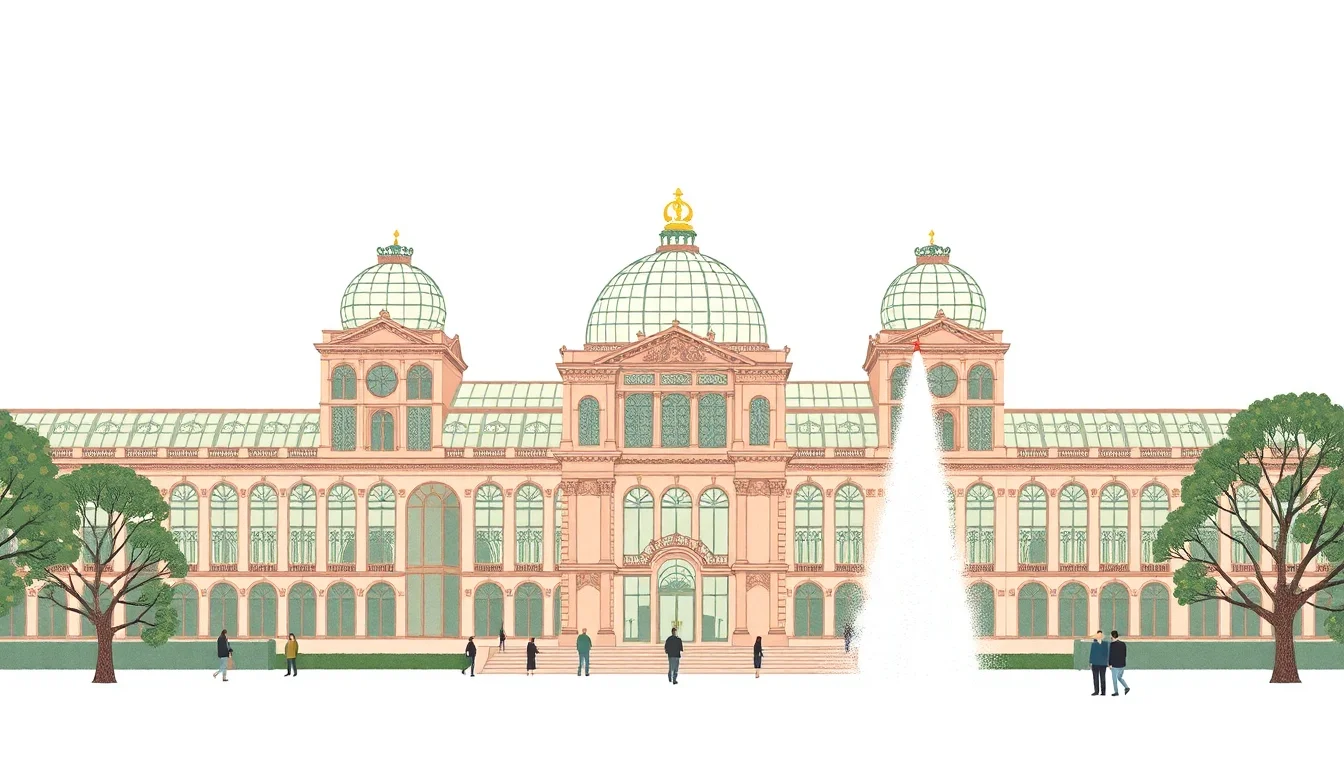
The architecture and design of the Crystal Palace were truly innovative for its time. The palace's massive glass and iron structure was designed to be both functional and aesthetically pleasing. The palace's facade was adorned with intricate details and ornate decorations, which reflected the Victorian style of the time. The palace's design was also influenced by the Gothic architecture style, which was popular during the Victorian era. For more information on Gothic architecture, visit the Gothic Architecture page. The palace's construction required the use of advanced engineering techniques, including the use of iron frameworks and glass roofing. To learn more about the construction of the palace, visit the Crystal Palace Construction page.
🌳 The Great Exhibition of 1851
The Great Exhibition of 1851 was a groundbreaking event that showcased the latest achievements in science, technology, and culture. The exhibition featured exhibits from around the world, including displays of machinery, textiles, and other manufactured goods. The exhibition was a huge success, attracting over 6 million visitors during its six-month run. The exhibition's impact on British society and economy was significant, as it helped to establish Britain as a major industrial power. For more information on the Great Exhibition, visit the Great Exhibition of 1851 page. The exhibition also had a profound impact on the development of international trade and globalization. To learn more about the history of international trade, visit the International Trade History page.
🔥 The Destruction of the Palace
The Crystal Palace was destroyed by a fire in 1936, which left only the palace's foundations and some of its decorative features intact. The fire was a major loss for British cultural heritage, as the palace was a beloved landmark and a symbol of British engineering and architectural excellence. The palace's destruction was also a significant loss for the local community, as it had been a popular tourist destination and a source of local pride. For more information on the history of the palace, visit the Crystal Palace History page. The palace's destruction also had a profound impact on the development of sports in London, as the palace had been used as a venue for various sporting events. To learn more about the history of sports in London, visit the Sports in London page.
🏟️ Crystal Palace National Sports Centre
The Crystal Palace National Sports Centre, which was built on the site of the original palace, is a popular venue for sports and leisure activities. The centre features a range of facilities, including a stadium, a swimming pool, and a gym. The centre is also home to the Crystal Palace Football Club, which was founded in 1905. For more information on the football club, visit the Crystal Palace Football Club page. The centre's facilities are also used by other sports teams and organizations, including the London Marathon and the Wimbledon Tennis Championships. To learn more about the London Marathon, visit the London Marathon page.
👥 The Crystal Palace Football Club
The Crystal Palace Football Club, which was founded in 1905, is a professional football club that plays in the Premier League. The club has a rich history, having won several domestic and international titles, including the FA Cup and the League Cup. For more information on the football club, visit the Crystal Palace Football Club page. The club's home stadium, Selhurst Park, is located in the South London area and has a seating capacity of over 25,000. To learn more about the history of the football club, visit the Crystal Palace Football Club History page. The club's fans are known for their dedication and passion, and the club has a strong rivalry with other London-based teams, including Arsenal Football Club and Tottenham Hotspur Football Club.
🚂 Transport Links and Accessibility
The Crystal Palace area is well-connected to the rest of London, with several transport links and amenities available. The area is served by several bus routes, including the London Bus Network, and is also close to several train stations, including Crystal Palace Railway Station. For more information on the London Bus Network, visit the London Bus Network page. The area is also home to several shops, restaurants, and cafes, making it a popular destination for tourists and locals alike. To learn more about the local amenities, visit the Crystal Palace Local Amenities page. The area's transport links and amenities make it an attractive location for businesses and residents, and the area is expected to continue to grow and develop in the coming years.
📊 Economic Impact and Legacy
The Crystal Palace has had a significant economic impact on the local area, with the palace and its surrounding amenities generating millions of pounds in revenue each year. The palace's construction and maintenance have also created jobs and stimulated local economic growth. For more information on the economic impact of the palace, visit the Crystal Palace Economic Impact page. The palace's cultural significance and tourism appeal have also made it a major contributor to the local economy, with visitors from around the world coming to see the palace and its surroundings. To learn more about the cultural significance of the palace, visit the Crystal Palace Cultural Significance page. The palace's economic impact is also closely tied to the development of tourism in London, which is a major contributor to the city's economy.
👀 Cultural Significance and Symbolism
The Crystal Palace has significant cultural and symbolic importance, representing the best of British engineering and architectural excellence. The palace's design and construction reflect the Victorian era's values of innovation, progress, and grandeur. For more information on the Victorian era, visit the Victorian Era page. The palace's cultural significance extends beyond its architectural and historical importance, as it has also been a symbol of British identity and national pride. To learn more about the cultural significance of the palace, visit the Crystal Palace Cultural Significance page. The palace's symbolism is also closely tied to the development of British culture, which is known for its rich history and cultural heritage.
📸 Preservation and Restoration Efforts
The Crystal Palace has undergone several preservation and restoration efforts over the years, with the aim of protecting the palace's cultural and historical significance. The palace's foundations and decorative features have been preserved, and several restoration projects have been undertaken to restore the palace to its former glory. For more information on the preservation efforts, visit the Crystal Palace Preservation page. The palace's preservation is also closely tied to the development of heritage conservation in the UK, which is a major priority for the government and conservation organizations. To learn more about heritage conservation, visit the Heritage Conservation page. The palace's preservation efforts are ongoing, with new projects and initiatives being undertaken to protect the palace's cultural and historical significance.
🔮 Conclusion and Future Prospects
In conclusion, the Crystal Palace is a marvel of Victorian engineering and architecture, with a rich history and cultural significance. The palace's design and construction reflect the best of British innovation and progress, and its preservation and restoration are essential to protecting the palace's cultural and historical importance. For more information on the palace's history and significance, visit the Crystal Palace History page. The palace's future prospects are bright, with ongoing preservation and restoration efforts ensuring that the palace remains a beloved landmark and cultural icon for generations to come. To learn more about the palace's future prospects, visit the Crystal Palace Future Prospects page.
Key Facts
- Year
- 1851
- Origin
- London, England
- Category
- History, Architecture, Sports
- Type
- Historical Landmark
Frequently Asked Questions
What was the Crystal Palace used for?
The Crystal Palace was used for various purposes, including as a venue for the Great Exhibition of 1851, as a concert hall, and as a sports stadium. The palace was also used for other events and exhibitions, including the Crystal Palace Exhibitions. To learn more about the palace's uses, visit the Crystal Palace Uses page. The palace's versatility and grandeur made it a popular venue for a wide range of events and activities.
Who designed the Crystal Palace?
The Crystal Palace was designed by Joseph Paxton and Charles Fox. Paxton was a British architect and gardener, and Fox was a British engineer. The two men worked together to design and build the palace, which was a groundbreaking achievement in terms of its size, materials, and construction techniques. For more information on the designers, visit the Joseph Paxton and Charles Fox pages.
What happened to the Crystal Palace?
The Crystal Palace was destroyed by a fire in 1936, which left only the palace's foundations and some of its decorative features intact. The fire was a major loss for British cultural heritage, as the palace was a beloved landmark and a symbol of British engineering and architectural excellence. For more information on the fire, visit the Crystal Palace Fire page. The palace's destruction was also a significant loss for the local community, as it had been a popular tourist destination and a source of local pride.
Is the Crystal Palace still standing?
No, the Crystal Palace is no longer standing. The palace was destroyed by a fire in 1936, and only its foundations and some of its decorative features remain. However, the palace's legacy lives on, and it remains a beloved and iconic symbol of British culture and history. For more information on the palace's legacy, visit the Crystal Palace Legacy page. The palace's cultural significance and historical importance continue to inspire and educate people around the world.
Can I visit the Crystal Palace?
While the Crystal Palace itself is no longer standing, visitors can still see the palace's foundations and some of its decorative features at the Crystal Palace Park in London. The park is also home to several other attractions, including the Crystal Palace National Sports Centre and the Crystal Palace Museum. For more information on the park and its attractions, visit the Crystal Palace Park page. Visitors can also learn about the palace's history and cultural significance at the museum, which features exhibits and artifacts related to the palace and its legacy.
What is the Crystal Palace Football Club?
The Crystal Palace Football Club is a professional football club that plays in the Premier League. The club was founded in 1905 and has a rich history, having won several domestic and international titles, including the FA Cup and the League Cup. For more information on the football club, visit the Crystal Palace Football Club page. The club's home stadium, Selhurst Park, is located in the South London area and has a seating capacity of over 25,000.
How do I get to the Crystal Palace?
The Crystal Palace is located in the South London area, and is easily accessible by public transportation. The nearest train station is Crystal Palace Railway Station, which is served by several train lines, including the London Overground and the Southern Railway. For more information on the train station, visit the Crystal Palace Railway Station page. Visitors can also take the bus or drive to the palace, with several parking options available in the surrounding area.