
Contents
Overview
Carbon is a chemical element with the symbol C and atomic number 6, known for its unique ability to form long chains and complex rings, making it the foundation of life on Earth. With a Vibe score of 85, carbon is a highly versatile element, found in all living things, from the simplest bacteria to the most complex organisms. However, its impact on the environment is a subject of intense debate, with some arguing that carbon emissions are the primary driver of climate change, while others claim that the relationship between carbon and climate is more complex. The controversy surrounding carbon has led to the development of various technologies aimed at reducing carbon emissions, such as carbon capture and storage, and the promotion of renewable energy sources. Despite these efforts, the global demand for carbon-based fuels continues to rise, with an estimated 33.3 billion metric tons of carbon dioxide emitted in 2020 alone. As the world grapples with the challenges of climate change, the role of carbon in shaping our future remains a critical and contentious issue, with a controversy spectrum of 8 out of 10.
🌎 Introduction to Carbon
Carbon is a chemical element with the symbol C and atomic number 6, and it is one of the most essential elements in the universe. It is nonmetallic and tetravalent, meaning that its atoms are able to form up to four covalent bonds due to its valence shell exhibiting 4 electrons. Carbon belongs to Group 14 of the periodic table and makes up about 0.025 percent of Earth's crust. The unique properties of carbon make it a fundamental component of all living organisms, from photosynthetic plants to human beings. Carbon is also a key element in many industrial processes, including the production of steel and plastics. The study of carbon is a vital field of research, with applications in environmental science, materials science, and biotechnology.
🔬 Properties of Carbon
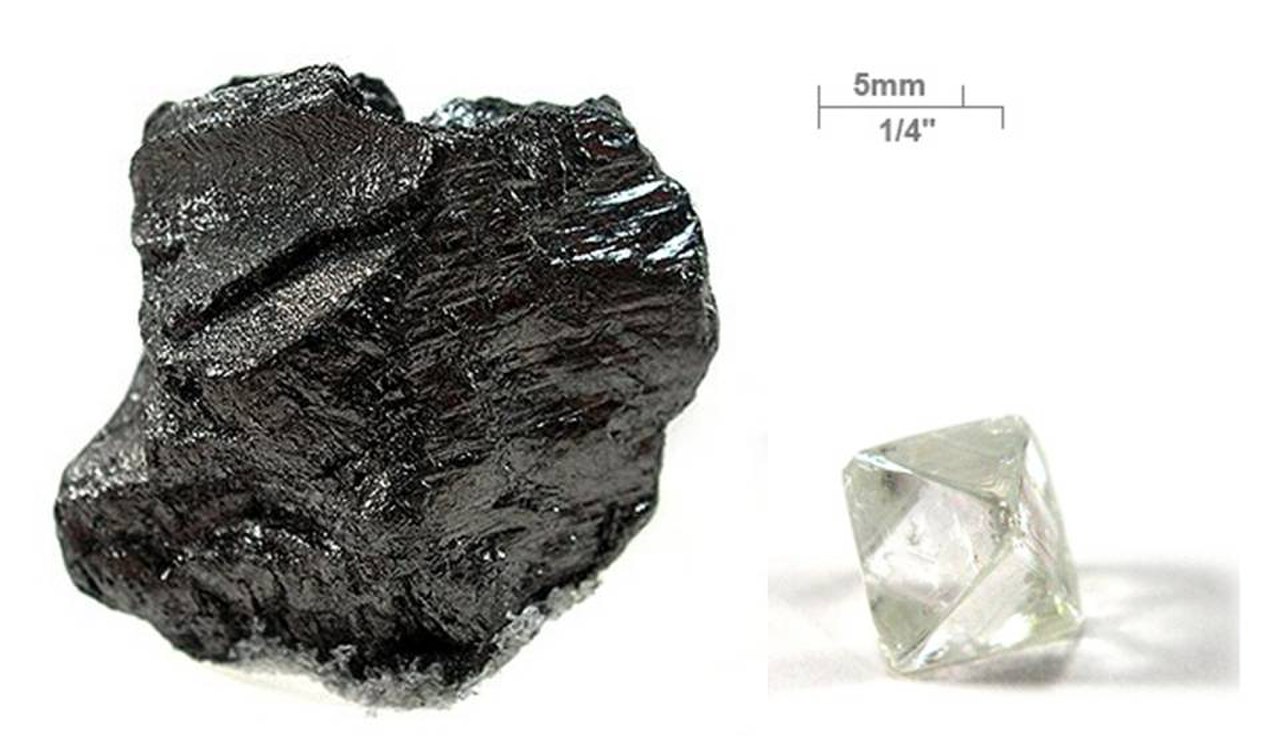
The properties of carbon are unique and fascinating. Its ability to form long chains and complex rings makes it an ideal element for the creation of organic compounds. Carbon is also an excellent conductor of heat and electricity, making it a crucial component in many electronic devices. The allotropy of carbon, which refers to its ability to exist in different forms, such as diamond and graphite, is a remarkable phenomenon that has led to the development of new materials and technologies. The study of carbon's properties has also led to a deeper understanding of its role in geochemistry and astrophysics.
🌿 Carbon in Nature
Carbon is an essential element in nature, and it plays a critical role in the Earth's ecosystem. It is a key component of fossil fuels, such as coal, oil, and natural gas, which are used to generate energy. Carbon is also a fundamental element in the process of photosynthesis, which is the basis of life on Earth. The carbon cycle, which refers to the movement of carbon between the atmosphere, oceans, and land, is a vital process that helps regulate the Earth's climate. The study of carbon in nature has led to a greater understanding of the ecosystem and the importance of conservation efforts.
🏭 Industrial Applications of Carbon
The industrial applications of carbon are vast and varied. It is used in the production of steel, plastics, and fibers, which are essential materials in many industries. Carbon is also used in the manufacture of batteries, fuel cells, and supercapacitors, which are critical components in the development of renewable energy technologies. The use of carbon in nanotechnology has also led to the creation of new materials and devices with unique properties. The study of carbon's industrial applications has led to the development of new technologies and innovations, such as 3D printing and composite materials.
🔍 History of Carbon Discovery
The history of carbon discovery dates back to antiquity, when it was known as a component of charcoal and diamond. The ancient Greeks and Romans used carbon-based materials, such as ink and dyes, in their daily lives. The modern understanding of carbon as a chemical element began to take shape in the 18th century, with the work of Antoine Lavoisier and Joseph Priestley. The discovery of carbon's unique properties and its role in the natural world has led to a greater understanding of the element and its importance in the universe. The study of carbon's history has also led to a deeper appreciation of the scientific method and the contributions of famous scientists to our understanding of the world.
📊 Isotopes of Carbon
Carbon has three naturally occurring isotopes, 12C, 13C, and 14C, which are used in a variety of applications. 12C and 13C are stable isotopes, while 14C is a radionuclide with a half-life of 5,700 years. The use of carbon isotopes in radiocarbon dating has revolutionized the field of archaeology and has provided valuable insights into the history of human civilization. The study of carbon isotopes has also led to a greater understanding of the carbon cycle and the movement of carbon between the atmosphere, oceans, and land. The use of carbon isotopes in medicine has also led to the development of new diagnostic tools and treatments.
🌈 Compounds of Carbon
Carbon forms a wide variety of compounds, including hydrocarbons, carbohydrates, and proteins. These compounds are essential components of all living organisms and play critical roles in many biological processes. The study of carbon compounds has led to a greater understanding of the biochemistry of life and has provided valuable insights into the mechanisms of disease and health. The use of carbon compounds in pharmaceuticals has also led to the development of new treatments and therapies. The study of carbon compounds has also led to a deeper understanding of the environmental impact of human activities and the importance of sustainability.
🚨 Environmental Impact of Carbon
The environmental impact of carbon is a critical issue that has gained significant attention in recent years. The burning of fossil fuels has led to a significant increase in carbon dioxide emissions, which contribute to climate change and global warming. The study of carbon's environmental impact has led to a greater understanding of the carbon cycle and the importance of renewable energy sources. The development of carbon capture and carbon storage technologies has also led to the creation of new industries and job opportunities. The study of carbon's environmental impact has also led to a greater awareness of the importance of conservation and sustainability.
🔮 Carbon in the Human Body
Carbon is an essential element in the human body, making up approximately 18% of our body weight. It is a critical component of proteins, carbohydrates, and fats, which are the building blocks of life. The study of carbon in the human body has led to a greater understanding of the biochemistry of life and has provided valuable insights into the mechanisms of disease and health. The use of carbon-based compounds in medicine has also led to the development of new treatments and therapies. The study of carbon in the human body has also led to a deeper understanding of the importance of nutrition and diet in maintaining good health.
🚀 Future of Carbon Research
The future of carbon research is exciting and promising. The development of new technologies and materials, such as graphene and nanotubes, has led to a greater understanding of the unique properties of carbon. The study of carbon's role in the natural world has also led to a greater appreciation of the importance of conservation and sustainability. The use of carbon-based compounds in renewable energy technologies has also led to the creation of new industries and job opportunities. The study of carbon's future has also led to a greater awareness of the importance of innovation and entrepreneurship in driving economic growth and development.
Key Facts
- Year
- 1789
- Origin
- Derived from the Latin word 'carbo', meaning coal
- Category
- Science and Environment
- Type
- Chemical Element
Frequently Asked Questions
What is the symbol of carbon?
The symbol of carbon is C, and it has an atomic number of 6. Carbon is a nonmetallic and tetravalent element, meaning that its atoms are able to form up to four covalent bonds due to its valence shell exhibiting 4 electrons. The unique properties of carbon make it a fundamental component of all living organisms, from photosynthetic plants to human beings.
What are the naturally occurring isotopes of carbon?
Carbon has three naturally occurring isotopes, 12C, 13C, and 14C, which are used in a variety of applications. 12C and 13C are stable isotopes, while 14C is a radionuclide with a half-life of 5,700 years. The use of carbon isotopes in radiocarbon dating has revolutionized the field of archaeology and has provided valuable insights into the history of human civilization.
What is the environmental impact of carbon?
The environmental impact of carbon is a critical issue that has gained significant attention in recent years. The burning of fossil fuels has led to a significant increase in carbon dioxide emissions, which contribute to climate change and global warming. The study of carbon's environmental impact has led to a greater understanding of the carbon cycle and the importance of renewable energy sources.
What is the role of carbon in the human body?
Carbon is an essential element in the human body, making up approximately 18% of our body weight. It is a critical component of proteins, carbohydrates, and fats, which are the building blocks of life. The study of carbon in the human body has led to a greater understanding of the biochemistry of life and has provided valuable insights into the mechanisms of disease and health.
What is the future of carbon research?
The future of carbon research is exciting and promising. The development of new technologies and materials, such as graphene and nanotubes, has led to a greater understanding of the unique properties of carbon. The study of carbon's role in the natural world has also led to a greater appreciation of the importance of conservation and sustainability.