
Contents
- 🌆 Introduction to Steel
- 🔍 History of Steel Production
- 🔨 Properties of Steel
- 🌈 Types of Steel
- 🏗️ Steel in Construction
- 🚂 Steel in Transportation
- 🔩 Steel in Manufacturing
- 💡 Steel in Electrical Appliances
- 📊 Economic Impact of Steel
- 🌎 Environmental Concerns of Steel
- 🔜 Future of Steel Production
- Frequently Asked Questions
- Related Topics
Overview
Steel is an alloy of iron and carbon that has revolutionized the world with its unique combination of strength, durability, and affordability. As the most widely used material in the world, steel is a crucial component of modern civilization, with applications ranging from Construction to Transportation. The history of steel production dates back to ancient times, with early civilizations such as the Ancient Indians and Ancient Romans using steel for tools and weapons. Today, steel is used in a wide range of industries, including Manufacturing, Energy, and Consumer Goods. With its high elastic modulus, yield strength, and fracture strength, steel is an ideal material for building Bridges, Skyscrapers, and other large-scale structures. Steel is also used in the production of Machinery, Electrical Appliances, and Furniture.
🔍 History of Steel Production
The history of steel production is a long and complex one, with various civilizations contributing to its development over the centuries. The earliest known production of steel dates back to ancient India, where it was produced using the Wrought Iron process. The Ancient Romans also used steel for tools and weapons, and it was during this period that the first steel Alloys were developed. The modern steel industry, however, is a relatively recent development, with the first Steel Mills being established in the late 19th century. Today, steel is produced using a variety of methods, including the Basic Oxygen Furnace and the Electric Arc Furnace. The production of steel has had a significant impact on the global economy, with the Steel Industry being a major driver of economic growth and development. Steel is also used in the production of Ships, Trains, and Cars.
🔨 Properties of Steel
The properties of steel make it an ideal material for a wide range of applications. Its high elastic modulus, yield strength, and fracture strength make it strong and durable, while its low raw material cost makes it an affordable option for many industries. Steel is also highly versatile, with different types of steel being suitable for different applications. For example, Stainless Steel is often used in the production of Cutlery and Surgical Instruments, due to its resistance to corrosion. Carbon Steel, on the other hand, is often used in the production of Machinery and Equipment, due to its high strength and durability. Steel is also used in the production of Bicycles and Furniture. The unique combination of properties in steel has made it a crucial component of modern civilization, with applications ranging from Construction to Consumer Goods.
🌈 Types of Steel
There are many different types of steel, each with its own unique properties and applications. Stainless Steel, for example, is highly resistant to corrosion and is often used in the production of Cutlery and Surgical Instruments. Carbon Steel, on the other hand, is highly strong and durable, and is often used in the production of Machinery and Equipment. Alloy Steel is a type of steel that is made by combining steel with other elements, such as Chromium or Nickel. This type of steel is often used in the production of Aerospace and Automotive components. Steel is also used in the production of Tools and Weapons. The different types of steel are used in a wide range of industries, including Manufacturing, Energy, and Consumer Goods.
🏗️ Steel in Construction
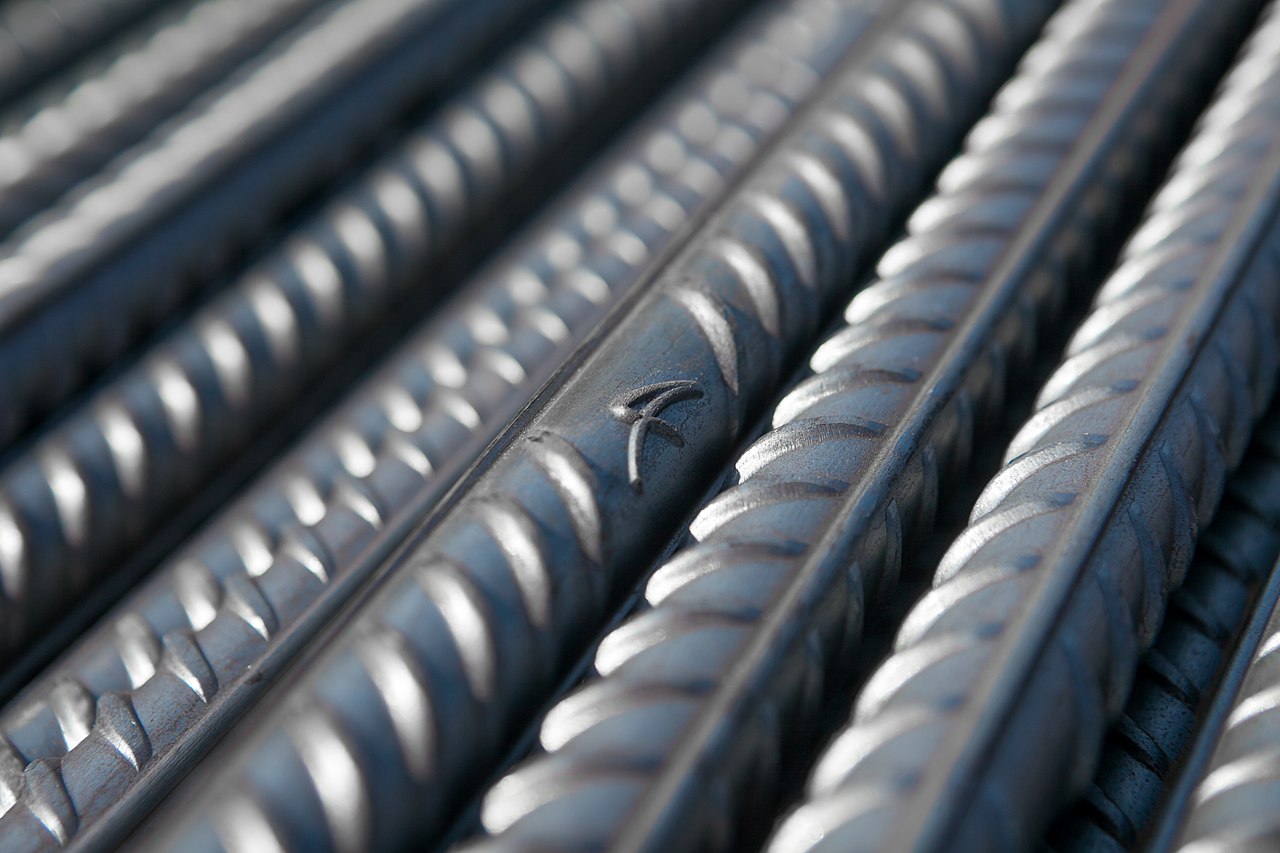
Steel is a crucial component of the Construction industry, with applications ranging from Buildings to Bridges. The high strength and durability of steel make it an ideal material for building large-scale structures, such as Skyscrapers and Highways. Steel is also used in the production of Reinforced Concrete, which is a type of concrete that is reinforced with steel Rebar. The use of steel in construction has had a significant impact on the industry, with steel-framed buildings being faster and cheaper to construct than traditional buildings. Steel is also used in the production of Furniture and Machinery. The construction industry is a major driver of economic growth and development, with the Steel Industry being a key player in the sector. Steel is also used in the production of Ships and Trains.
🚂 Steel in Transportation
Steel is also a crucial component of the Transportation industry, with applications ranging from Cars to Ships. The high strength and durability of steel make it an ideal material for building vehicles, such as Trains and Bicycles. Steel is also used in the production of Aircraft and Spacecraft. The use of steel in transportation has had a significant impact on the industry, with steel-framed vehicles being stronger and more durable than traditional vehicles. Steel is also used in the production of Tools and Equipment. The transportation industry is a major driver of economic growth and development, with the Steel Industry being a key player in the sector. Steel is also used in the production of Machinery and Furniture.
🔩 Steel in Manufacturing
The Manufacturing industry is another major user of steel, with applications ranging from Machinery to Equipment. The high strength and durability of steel make it an ideal material for building machines, such as Robots and Factory Equipment. Steel is also used in the production of Consumer Goods, such as Appliances and Furniture. The use of steel in manufacturing has had a significant impact on the industry, with steel-framed machines being stronger and more durable than traditional machines. Steel is also used in the production of Tools and Weapons. The manufacturing industry is a major driver of economic growth and development, with the Steel Industry being a key player in the sector. Steel is also used in the production of Ships and Trains.
💡 Steel in Electrical Appliances
Steel is also used in the production of Electrical Appliances, such as Refrigerators and Air Conditioners. The high strength and durability of steel make it an ideal material for building appliances, which require a high level of reliability and performance. Steel is also used in the production of Electrical Equipment, such as Transformers and Generators. The use of steel in electrical appliances has had a significant impact on the industry, with steel-framed appliances being stronger and more durable than traditional appliances. Steel is also used in the production of Machinery and Furniture. The electrical appliance industry is a major driver of economic growth and development, with the Steel Industry being a key player in the sector. Steel is also used in the production of Tools and Weapons.
📊 Economic Impact of Steel
The economic impact of steel is significant, with the Steel Industry being a major driver of economic growth and development. The production of steel has created millions of jobs and generated billions of dollars in revenue. The use of steel in various industries, such as Construction, Manufacturing, and Transportation, has also had a significant impact on the economy. The steel industry is a major contributor to the global economy, with the Steel Industry being one of the largest industries in the world. Steel is also used in the production of Ships and Trains. The economic impact of steel is expected to continue to grow in the future, with the Steel Industry being a key player in the development of new technologies and industries. Steel is also used in the production of Machinery and Furniture.
🌎 Environmental Concerns of Steel
The production of steel has also had a significant impact on the environment, with the Steel Industry being one of the largest polluters in the world. The production of steel requires large amounts of energy and raw materials, which can result in the emission of greenhouse gases and other pollutants. The use of steel in various industries, such as Construction and Transportation, has also had a significant impact on the environment. The environmental impact of steel is a major concern, with the Steel Industry being under pressure to reduce its environmental footprint. Steel is also used in the production of Tools and Weapons. The environmental impact of steel is expected to continue to be a major concern in the future, with the Steel Industry being required to develop more sustainable and environmentally-friendly production methods. Steel is also used in the production of Machinery and Furniture.
🔜 Future of Steel Production
The future of steel production is expected to be shaped by a number of factors, including technological advancements, environmental concerns, and changes in global demand. The Steel Industry is expected to continue to play a major role in the development of new technologies and industries, such as Renewable Energy and Electric Vehicles. The use of steel in these industries is expected to grow, with the Steel Industry being a key player in the development of new technologies and products. Steel is also used in the production of Ships and Trains. The future of steel production is expected to be shaped by a number of challenges, including the need to reduce greenhouse gas emissions and other environmental impacts. The Steel Industry is expected to continue to evolve and adapt to these challenges, with the development of new technologies and production methods being a key part of this process. Steel is also used in the production of Machinery and Furniture.
Key Facts
- Year
- 2020
- Origin
- Ancient Tamil Civilization
- Category
- Materials Science
- Type
- Material
Frequently Asked Questions
What is steel?
Steel is an alloy of iron and carbon that is widely used in various industries, including construction, manufacturing, and transportation. It is known for its high strength, durability, and affordability. Steel is used in a wide range of applications, from buildings and bridges to cars and bicycles. The production of steel has had a significant impact on the global economy, with the steel industry being a major driver of economic growth and development. Steel is also used in the production of machinery, equipment, and furniture.
What are the different types of steel?
There are many different types of steel, each with its own unique properties and applications. Some of the most common types of steel include stainless steel, carbon steel, and alloy steel. Stainless steel is highly resistant to corrosion and is often used in the production of cutlery and surgical instruments. Carbon steel is highly strong and durable, and is often used in the production of machinery and equipment. Alloy steel is a type of steel that is made by combining steel with other elements, such as chromium or nickel. The different types of steel are used in a wide range of industries, including manufacturing, energy, and consumer goods.
What are the properties of steel?
Steel has a number of unique properties that make it an ideal material for a wide range of applications. It has a high elastic modulus, yield strength, and fracture strength, making it strong and durable. Steel is also highly versatile, with different types of steel being suitable for different applications. The properties of steel make it an ideal material for building large-scale structures, such as skyscrapers and highways. Steel is also used in the production of machinery, equipment, and furniture. The properties of steel have made it a crucial component of modern civilization, with applications ranging from construction to consumer goods.
What is the economic impact of steel?
The economic impact of steel is significant, with the steel industry being a major driver of economic growth and development. The production of steel has created millions of jobs and generated billions of dollars in revenue. The use of steel in various industries, such as construction, manufacturing, and transportation, has also had a significant impact on the economy. The steel industry is a major contributor to the global economy, with the steel industry being one of the largest industries in the world. Steel is also used in the production of ships and trains. The economic impact of steel is expected to continue to grow in the future, with the steel industry being a key player in the development of new technologies and industries.
What is the environmental impact of steel?
The production of steel has a significant impact on the environment, with the steel industry being one of the largest polluters in the world. The production of steel requires large amounts of energy and raw materials, which can result in the emission of greenhouse gases and other pollutants. The use of steel in various industries, such as construction and transportation, has also had a significant impact on the environment. The environmental impact of steel is a major concern, with the steel industry being under pressure to reduce its environmental footprint. Steel is also used in the production of tools and weapons. The environmental impact of steel is expected to continue to be a major concern in the future, with the steel industry being required to develop more sustainable and environmentally-friendly production methods.
What is the future of steel production?
The future of steel production is expected to be shaped by a number of factors, including technological advancements, environmental concerns, and changes in global demand. The steel industry is expected to continue to play a major role in the development of new technologies and industries, such as renewable energy and electric vehicles. The use of steel in these industries is expected to grow, with the steel industry being a key player in the development of new technologies and products. Steel is also used in the production of machinery and furniture. The future of steel production is expected to be shaped by a number of challenges, including the need to reduce greenhouse gas emissions and other environmental impacts. The steel industry is expected to continue to evolve and adapt to these challenges, with the development of new technologies and production methods being a key part of this process.
How is steel used in construction?
Steel is a crucial component of the construction industry, with applications ranging from buildings to bridges. The high strength and durability of steel make it an ideal material for building large-scale structures, such as skyscrapers and highways. Steel is also used in the production of reinforced concrete, which is a type of concrete that is reinforced with steel rebar. The use of steel in construction has had a significant impact on the industry, with steel-framed buildings being faster and cheaper to construct than traditional buildings. Steel is also used in the production of furniture and machinery. The construction industry is a major driver of economic growth and development, with the steel industry being a key player in the sector.