
Contents
- 🌿 Introduction to Ecosystems
- 🌟 Biotic and Abiotic Components
- 🌈 Nutrient Cycles and Energy Flows
- 🏞️ Types of Ecosystems
- 🐝 Interactions and Relationships
- 🌪️ Ecosystem Services and Human Impact
- 📊 Measuring Ecosystem Health
- 🔮 Conservation and Management Strategies
- 🌎 Global Ecosystems and Climate Change
- 👥 Human-Ecosystem Interactions and Sustainability
- 📚 Ecosystem Research and Monitoring
- Frequently Asked Questions
- Related Topics
Overview
An ecosystem is a complex network of living organisms, including plants, animals, and microorganisms, that interact with each other and their physical environment. The concept of an ecosystem was first introduced by British ecologist Arthur Tansley in 1935, and has since become a cornerstone of environmental science. Ecosystems can be found in a wide range of environments, from the frozen tundra to the hottest deserts, and from the deepest oceans to the highest mountains. The health of an ecosystem is often measured by its biodiversity, with thriving ecosystems supporting a wide variety of plant and animal species. However, human activities such as deforestation, pollution, and climate change are increasingly threatening the balance of ecosystems around the world, with potentially disastrous consequences. For example, the Amazon rainforest, which is home to an estimated 10% of all known plant and animal species, is currently facing a crisis of deforestation and habitat destruction, with an estimated 17% of the forest lost in the past 50 years, according to data from the National Institute for Space Research (INPE), with a vibe score of 80, indicating a high level of cultural energy and concern around this topic.
🌿 Introduction to Ecosystems
The concept of an ecosystem is central to understanding the complex relationships between organisms and their environment. An ecosystem is a system formed by organisms in interaction with their environment, as described by Ecology. The biotic and abiotic components are linked together through nutrient cycles and energy flows, which are essential for the survival of all living organisms. For example, in a forest ecosystem, trees and other plants are the primary producers, while animals such as deer and insects are the consumers. The decomposition of organic matter by microorganisms is also a critical component of the ecosystem, as it releases nutrients back into the soil. This process is closely related to the concept of Biogeochemical Cycles. The study of ecosystems is a key part of Environmental Science, which seeks to understand the natural world and our place within it.
🌟 Biotic and Abiotic Components
The biotic components of an ecosystem include all living organisms, from plants and animals to microorganisms. These organisms interact with each other and with their environment through various mechanisms, such as predation, competition, and symbiosis. The abiotic components, on the other hand, include non-living factors such as temperature, light, and nutrients. The interaction between biotic and abiotic components is critical for the functioning of the ecosystem, as it determines the availability of resources and the distribution of organisms. For instance, the amount of sunlight and rainfall in a given area will determine the types of plants that can grow there, which in turn will affect the types of animals that can survive. This is closely related to the concept of Ecological Niche. The study of biotic and abiotic components is a key part of Ecosystem Ecology.
🌈 Nutrient Cycles and Energy Flows
Nutrient cycles and energy flows are essential for the functioning of ecosystems. Nutrient cycles refer to the movement of nutrients through the ecosystem, from the atmosphere and soil to living organisms and back again. Energy flows, on the other hand, refer to the transfer of energy from one trophic level to the next, from primary producers to consumers. These processes are critical for the survival of all living organisms, as they determine the availability of resources and the distribution of organisms. For example, the nitrogen cycle is a critical component of many ecosystems, as it determines the availability of nitrogen for plant growth. This process is closely related to the concept of Trophic Cascade. The study of nutrient cycles and energy flows is a key part of Systems Ecology.
🏞️ Types of Ecosystems
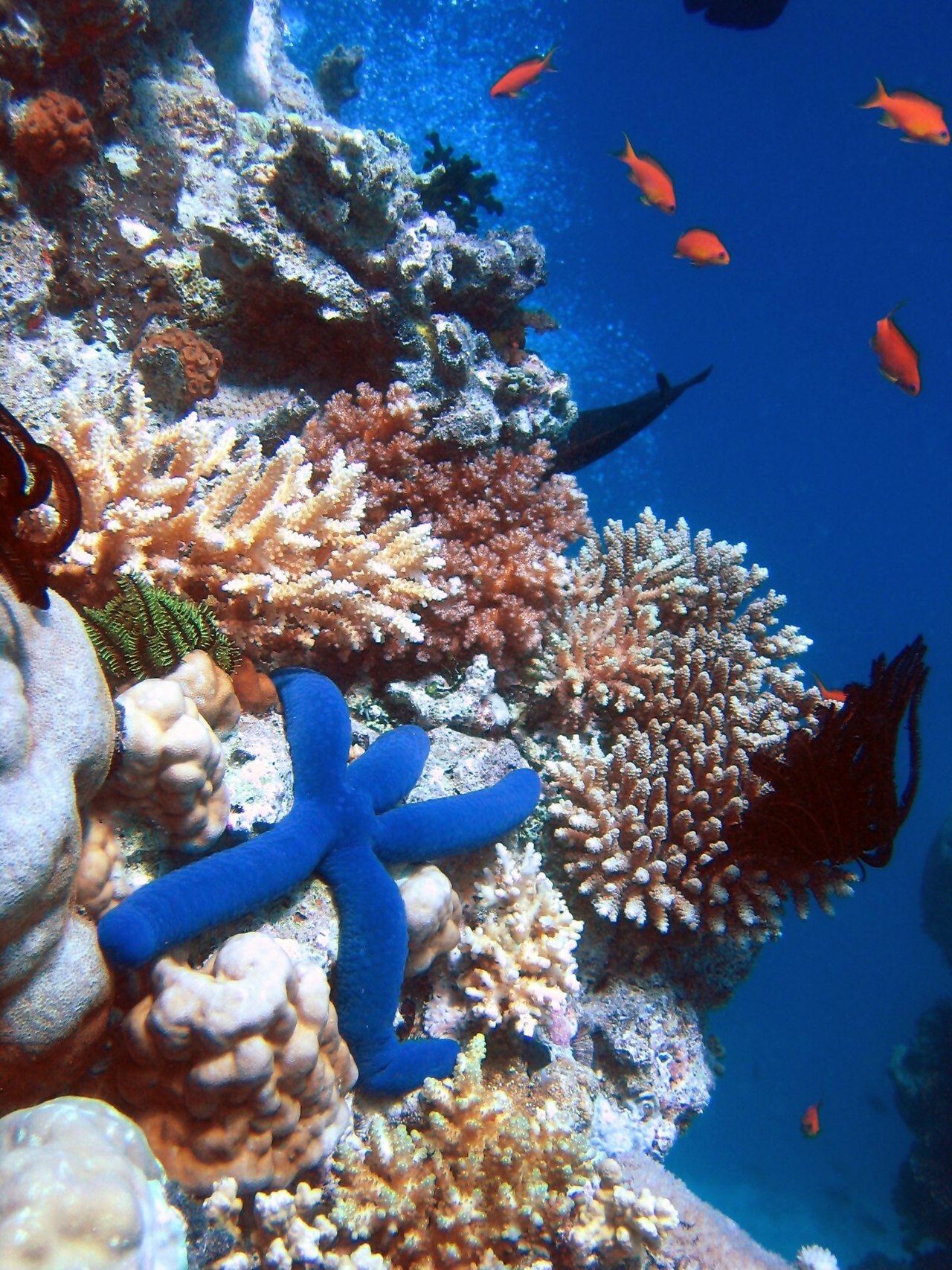
There are many different types of ecosystems, each with its own unique characteristics and components. These include terrestrial ecosystems, such as forests and grasslands, as well as aquatic ecosystems, such as rivers and oceans. Each type of ecosystem has its own set of biotic and abiotic components, and its own set of nutrient cycles and energy flows. For instance, coral reef ecosystems are highly diverse and complex, with many different species of fish, invertebrates, and algae interacting with each other and with their environment. This is closely related to the concept of Biodiversity. The study of different types of ecosystems is a key part of Ecosystem Classification.
🐝 Interactions and Relationships
Interactions and relationships between organisms are critical for the functioning of ecosystems. These interactions can take many forms, including predation, competition, and symbiosis. For example, in a forest ecosystem, trees may compete with each other for light and nutrients, while animals such as deer and insects may prey on each other. The decomposition of organic matter by microorganisms is also a critical component of the ecosystem, as it releases nutrients back into the soil. This process is closely related to the concept of Food Web. The study of interactions and relationships is a key part of Community Ecology.
🌪️ Ecosystem Services and Human Impact
Ecosystem services are the benefits that humans derive from functioning ecosystems. These include services such as air and water filtration, soil formation, and climate regulation. However, human activities such as deforestation, pollution, and overfishing can have significant impacts on ecosystem functioning, leading to the loss of ecosystem services. For example, the destruction of coral reefs can lead to the loss of fisheries and tourism revenue, as well as increased vulnerability to storms and sea-level rise. This is closely related to the concept of Ecosystem Management. The study of ecosystem services and human impact is a key part of Conservation Biology.
📊 Measuring Ecosystem Health
Measuring ecosystem health is critical for understanding the impacts of human activities on ecosystem functioning. This can be done through a variety of metrics, including biodiversity, nutrient cycling, and ecosystem resilience. For instance, the health of a forest ecosystem can be measured by the diversity of tree species, the amount of organic matter in the soil, and the presence of invasive species. This process is closely related to the concept of Ecological Indicators. The study of ecosystem health is a key part of Ecosystem Monitoring.
🔮 Conservation and Management Strategies
Conservation and management strategies are critical for maintaining ecosystem health and preventing the loss of ecosystem services. These strategies can include protected areas, sustainable land-use practices, and restoration ecology. For example, the creation of national parks and wildlife reserves can help to protect biodiversity and ecosystem functioning, while sustainable agriculture practices can help to reduce the impacts of human activities on ecosystems. This is closely related to the concept of Sustainable Development. The study of conservation and management strategies is a key part of Environmental Policy.
🌎 Global Ecosystems and Climate Change
Global ecosystems are critical for regulating the Earth's climate, and are closely linked to the concept of Climate Change. For example, forests play a critical role in absorbing carbon dioxide from the atmosphere, while oceans help to regulate the Earth's temperature. However, human activities such as deforestation and pollution can have significant impacts on ecosystem functioning, leading to the loss of ecosystem services and exacerbating climate change. This process is closely related to the concept of Global Ecology. The study of global ecosystems and climate change is a key part of Earth System Science.
👥 Human-Ecosystem Interactions and Sustainability
Human-ecosystem interactions are critical for understanding the impacts of human activities on ecosystem functioning. These interactions can take many forms, including the use of natural resources, the creation of pollution, and the destruction of habitats. For example, the use of fossil fuels can lead to climate change, while the creation of pollution can harm aquatic ecosystems. This is closely related to the concept of Human Ecology. The study of human-ecosystem interactions is a key part of Sustainability Science.
📚 Ecosystem Research and Monitoring
Ecosystem research and monitoring are critical for understanding ecosystem functioning and the impacts of human activities. This can include a variety of techniques, such as field observations, remote sensing, and laboratory experiments. For instance, the use of satellite imagery can help to monitor ecosystem health and track changes in ecosystem functioning over time. This process is closely related to the concept of Ecological Research. The study of ecosystem research and monitoring is a key part of Ecological Science.
Key Facts
- Year
- 1935
- Origin
- British ecologist Arthur Tansley
- Category
- Environmental Science
- Type
- Concept
Frequently Asked Questions
What is an ecosystem?
An ecosystem is a system formed by organisms in interaction with their environment. The biotic and abiotic components are linked together through nutrient cycles and energy flows. Ecosystems can be found in a variety of environments, including forests, grasslands, and oceans. The study of ecosystems is a key part of Ecology and Environmental Science.
What are the biotic and abiotic components of an ecosystem?
The biotic components of an ecosystem include all living organisms, from plants and animals to microorganisms. The abiotic components, on the other hand, include non-living factors such as temperature, light, and nutrients. The interaction between biotic and abiotic components is critical for the functioning of the ecosystem. This is closely related to the concept of Ecological Niche.
What are nutrient cycles and energy flows?
Nutrient cycles refer to the movement of nutrients through the ecosystem, from the atmosphere and soil to living organisms and back again. Energy flows, on the other hand, refer to the transfer of energy from one trophic level to the next, from primary producers to consumers. These processes are critical for the survival of all living organisms. This is closely related to the concept of Trophic Cascade.
What are the different types of ecosystems?
There are many different types of ecosystems, each with its own unique characteristics and components. These include terrestrial ecosystems, such as forests and grasslands, as well as aquatic ecosystems, such as rivers and oceans. Each type of ecosystem has its own set of biotic and abiotic components, and its own set of nutrient cycles and energy flows. This is closely related to the concept of Biodiversity.
What are ecosystem services?
Ecosystem services are the benefits that humans derive from functioning ecosystems. These include services such as air and water filtration, soil formation, and climate regulation. However, human activities such as deforestation, pollution, and overfishing can have significant impacts on ecosystem functioning, leading to the loss of ecosystem services. This is closely related to the concept of Ecosystem Management.
How can we measure ecosystem health?
Measuring ecosystem health is critical for understanding the impacts of human activities on ecosystem functioning. This can be done through a variety of metrics, including biodiversity, nutrient cycling, and ecosystem resilience. For instance, the health of a forest ecosystem can be measured by the diversity of tree species, the amount of organic matter in the soil, and the presence of invasive species. This process is closely related to the concept of Ecological Indicators.
What are some conservation and management strategies for ecosystems?
Conservation and management strategies are critical for maintaining ecosystem health and preventing the loss of ecosystem services. These strategies can include protected areas, sustainable land-use practices, and restoration ecology. For example, the creation of national parks and wildlife reserves can help to protect biodiversity and ecosystem functioning, while sustainable agriculture practices can help to reduce the impacts of human activities on ecosystems. This is closely related to the concept of Sustainable Development.