
Contents
- 🌎 Introduction to the Carbon Cycle
- 🌿 The Role of Carbon in Biological Compounds
- 🏔️ The Biogeochemical Cycles: Carbon, Nitrogen, and Water
- 📈 The Current State of Atmospheric Carbon Dioxide
- 🌊 The Hydrosphere's Impact on the Carbon Cycle
- 🌴 The Pedosphere's Role in Carbon Sequestration
- 🏃♂️ Human Activities and the Carbon Cycle
- 📊 The Economics of Carbon Emissions
- 🌟 The Future of the Carbon Cycle: Challenges and Opportunities
- 👥 International Cooperation and the Carbon Cycle
- 📚 Conclusion: The Delicate Balance of the Carbon Cycle
- 🔍 Further Research and Development
- Frequently Asked Questions
- Related Topics
Overview
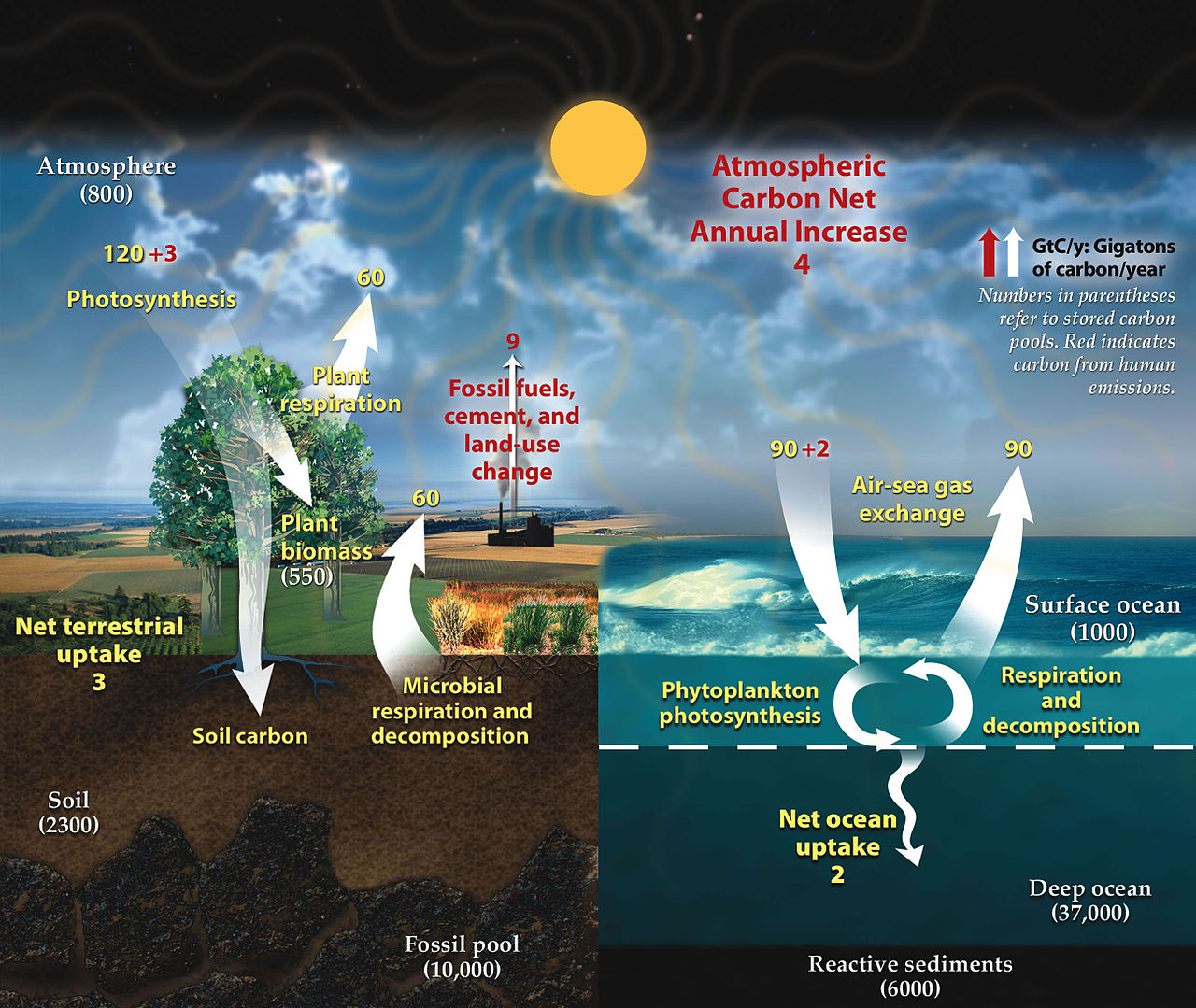
The carbon cycle refers to the process by which carbon is exchanged between the atmosphere, oceans, land, and living organisms. This complex process involves the movement of carbon in various forms, including carbon dioxide, methane, and organic carbon compounds. The carbon cycle is crucial for maintaining the balance of Earth's ecosystem, with significant implications for climate change, as human activities such as burning fossil fuels and deforestation disrupt the natural carbon balance. According to NASA, the concentration of carbon dioxide in the atmosphere has increased by about 40% since the Industrial Revolution, primarily due to fossil fuel burning and land use changes. The carbon cycle is influenced by various factors, including temperature, precipitation, and ocean currents, making it a highly dynamic and interconnected system. As the world grapples with the challenges of climate change, understanding the carbon cycle is essential for developing effective strategies to mitigate its impacts, with scientists like Dr. James Hansen and organizations like the Intergovernmental Panel on Climate Change (IPCC) playing a crucial role in advancing our knowledge of this critical topic.
🌎 Introduction to the Carbon Cycle
The carbon cycle is a vital component of the Earth's ecosystem, and its delicate balance is essential for sustaining life. The carbon cycle is part of the biogeochemical cycle, where carbon is exchanged among the biosphere, pedosphere, geosphere, hydrosphere, and atmosphere of Earth. Other major biogeochemical cycles include the nitrogen cycle and the water cycle. Carbon is the main component of biological compounds as well as a major component of many rocks such as lime stone. The carbon cycle comprises a sequence of events that are key to making Earth capable of sustaining life. It describes the movement of carbon as it is recycled and reused throughout the biosphere, as well as long-term processes of carbon sequestration (storage) to and release from carbon sinks.
🌿 The Role of Carbon in Biological Compounds
Carbon is the main component of biological compounds, and its role in the carbon cycle is crucial. The carbon cycle is closely linked to the nitrogen cycle and the water cycle, and all three cycles are essential for life on Earth. The carbon cycle is also closely tied to the food chain, as carbon is a key component of all living organisms. The carbon cycle is driven by the movement of carbon between the atmosphere, oceans, land, and living organisms. Human activities, such as the burning of fossil fuels, have significantly impacted the carbon cycle, leading to an increase in atmospheric carbon dioxide.
🏔️ The Biogeochemical Cycles: Carbon, Nitrogen, and Water
The biogeochemical cycles, including the carbon cycle, nitrogen cycle, and water cycle, are all interconnected and essential for life on Earth. The carbon cycle is a critical component of the Earth's ecosystem, and its delicate balance is essential for sustaining life. The carbon cycle is closely linked to the geosphere, hydrosphere, and biosphere, and all three spheres play a crucial role in the movement of carbon. The carbon cycle is also closely tied to the climate change debate, as the increase in atmospheric carbon dioxide is a major contributor to global warming.
📈 The Current State of Atmospheric Carbon Dioxide
At 422.7 parts per million (ppm), the global average atmospheric carbon dioxide has set a new record high in 2024. This increase in atmospheric carbon dioxide is primarily due to human activities, such as the burning of fossil fuels and deforestation. The increase in atmospheric carbon dioxide has significant implications for the carbon cycle and the Earth's ecosystem as a whole. The IPCC has warned that the continued increase in atmospheric carbon dioxide will have devastating consequences for the environment and human societies. The UNFCCC has also emphasized the need for urgent action to reduce greenhouse gas emissions and mitigate the effects of climate change.
🌊 The Hydrosphere's Impact on the Carbon Cycle
The hydrosphere plays a crucial role in the carbon cycle, as it is the largest carbon sink on Earth. The oceans absorb significant amounts of atmospheric carbon dioxide, which helps to regulate the Earth's climate. However, the oceans are also vulnerable to the effects of climate change, such as ocean acidification. The water cycle is also closely linked to the carbon cycle, as it plays a crucial role in the movement of carbon between the atmosphere, oceans, and land. The hydrologic cycle is essential for maintaining the balance of the carbon cycle and the Earth's ecosystem as a whole.
🌴 The Pedosphere's Role in Carbon Sequestration
The pedosphere plays a critical role in the carbon cycle, as it is a significant carbon sink. The soil absorbs and stores significant amounts of carbon, which helps to regulate the Earth's climate. However, the soil is also vulnerable to the effects of climate change, such as soil erosion and desertification. The pedosphere is also closely linked to the food chain, as it provides the necessary nutrients for plant growth. The agriculture sector is a significant contributor to greenhouse gas emissions, and sustainable agriculture practices are essential for maintaining the balance of the carbon cycle.
🏃♂️ Human Activities and the Carbon Cycle
Human activities, such as the burning of fossil fuels and deforestation, have significantly impacted the carbon cycle. The increase in atmospheric carbon dioxide has significant implications for the Earth's ecosystem and human societies. The UNFCCC has emphasized the need for urgent action to reduce greenhouse gas emissions and mitigate the effects of climate change. The renewable energy sector is growing rapidly, and it is essential for reducing our reliance on fossil fuels and mitigating the effects of climate change. The energy efficiency sector is also critical for reducing energy consumption and mitigating the effects of climate change.
📊 The Economics of Carbon Emissions
The economics of carbon emissions is a complex and multifaceted issue. The carbon pricing mechanism is a critical component of the climate change mitigation strategy. The carbon tax is a type of carbon pricing mechanism that is used to reduce greenhouse gas emissions. The emissions trading system is another type of carbon pricing mechanism that is used to reduce greenhouse gas emissions. The green economy is a critical component of the sustainable development strategy, and it is essential for reducing greenhouse gas emissions and mitigating the effects of climate change.
🌟 The Future of the Carbon Cycle: Challenges and Opportunities
The future of the carbon cycle is uncertain, and it is essential to take urgent action to reduce greenhouse gas emissions and mitigate the effects of climate change. The IPCC has warned that the continued increase in atmospheric carbon dioxide will have devastating consequences for the environment and human societies. The UNFCCC has emphasized the need for international cooperation to address the climate change challenge. The Paris Agreement is a critical component of the climate change mitigation strategy, and it is essential for reducing greenhouse gas emissions and mitigating the effects of climate change.
👥 International Cooperation and the Carbon Cycle
International cooperation is essential for addressing the climate change challenge. The UNFCCC is a critical component of the climate change mitigation strategy, and it is essential for reducing greenhouse gas emissions and mitigating the effects of climate change. The COP is a critical component of the UNFCCC, and it is essential for addressing the climate change challenge. The Kyoto Protocol is another critical component of the UNFCCC, and it is essential for reducing greenhouse gas emissions and mitigating the effects of climate change.
📚 Conclusion: The Delicate Balance of the Carbon Cycle
In conclusion, the carbon cycle is a vital component of the Earth's ecosystem, and its delicate balance is essential for sustaining life. The carbon cycle is closely linked to the nitrogen cycle and the water cycle, and all three cycles are essential for life on Earth. The increase in atmospheric carbon dioxide has significant implications for the Earth's ecosystem and human societies. It is essential to take urgent action to reduce greenhouse gas emissions and mitigate the effects of climate change.
🔍 Further Research and Development
Further research and development are essential for addressing the climate change challenge. The carbon cycle is a complex and multifaceted issue, and it is essential to continue monitoring and researching the carbon cycle to better understand its dynamics. The IPCC is a critical component of the climate change mitigation strategy, and it is essential for providing scientific guidance on the climate change issue. The UNFCCC is another critical component of the climate change mitigation strategy, and it is essential for addressing the climate change challenge.
Key Facts
- Year
- 2022
- Origin
- Vibepedia.wiki
- Category
- Environmental Science
- Type
- Scientific Concept
Frequently Asked Questions
What is the carbon cycle?
The carbon cycle is the process by which carbon is exchanged between the atmosphere, oceans, land, and living organisms. It is a vital component of the Earth's ecosystem, and its delicate balance is essential for sustaining life. The carbon cycle is closely linked to the nitrogen cycle and the water cycle, and all three cycles are essential for life on Earth.
What is the current state of atmospheric carbon dioxide?
The current state of atmospheric carbon dioxide is a major concern, with levels reaching a record high of 422.7 parts per million (ppm) in 2024. This increase in atmospheric carbon dioxide is primarily due to human activities, such as the burning of fossil fuels and deforestation.
What are the implications of the increase in atmospheric carbon dioxide?
The increase in atmospheric carbon dioxide has significant implications for the Earth's ecosystem and human societies. It is essential to take urgent action to reduce greenhouse gas emissions and mitigate the effects of climate change.
What is the role of the pedosphere in the carbon cycle?
The pedosphere plays a critical role in the carbon cycle, as it is a significant carbon sink. The soil absorbs and stores significant amounts of carbon, which helps to regulate the Earth's climate.
What is the role of human activities in the carbon cycle?
Human activities, such as the burning of fossil fuels and deforestation, have significantly impacted the carbon cycle. The increase in atmospheric carbon dioxide has significant implications for the Earth's ecosystem and human societies.
What is the future of the carbon cycle?
The future of the carbon cycle is uncertain, and it is essential to take urgent action to reduce greenhouse gas emissions and mitigate the effects of climate change. The IPCC has warned that the continued increase in atmospheric carbon dioxide will have devastating consequences for the environment and human societies.
What is the role of international cooperation in addressing the climate change challenge?
International cooperation is essential for addressing the climate change challenge. The UNFCCC is a critical component of the climate change mitigation strategy, and it is essential for reducing greenhouse gas emissions and mitigating the effects of climate change.