
Contents
- 🔍 Introduction to Schedules of Reinforcement
- 📈 Types of Schedules: Understanding the Variations
- 🐀 Operant Conditioning: The Foundation of Reinforcement
- 📊 Fixed-Ratio Schedules: The Power of Predictability
- 🕒 Variable-Ratio Schedules: The Unpredictable Nature of Reinforcement
- 📝 Punishment and Reinforcement: The Delicate Balance
- 👥 Applications of Schedules of Reinforcement: Real-World Implications
- 🤔 Criticisms and Controversies: The Debate Surrounding Schedules of Reinforcement
- 📚 Conclusion: The Enduring Impact of Schedules of Reinforcement
- 🔮 Future Directions: The Evolving Landscape of Behavioral Psychology
- 📊 Case Studies: Real-World Examples of Schedules of Reinforcement in Action
- 👾 The Intersection of Technology and Schedules of Reinforcement: A New Frontier
- Frequently Asked Questions
- Related Topics
Overview
Schedules of reinforcement are a fundamental concept in operant conditioning, a branch of behavioral psychology that explores how behavior is modified by its consequences. Developed by B.F. Skinner in the 1930s, schedules of reinforcement describe the patterns in which rewards or punishments are delivered to influence behavior. There are several types of schedules, including fixed ratio, variable ratio, fixed interval, and variable interval, each with distinct effects on behavior. For instance, a fixed ratio schedule can lead to high response rates but also to frustration when the reward is not delivered as expected. In contrast, a variable ratio schedule can create persistent behavior, as seen in gambling addiction. The understanding and application of schedules of reinforcement have significant implications for fields such as education, psychology, and marketing, with a vibe score of 82, indicating a strong cultural energy around the concept. The controversy spectrum for this topic is moderate, with debates surrounding the ethics of using reinforcement schedules to manipulate behavior. Key figures such as Skinner and his contemporaries have influenced the development of this concept, which continues to evolve with ongoing research and applications. As we look to the future, the strategic use of schedules of reinforcement will likely play a crucial role in shaping behavior and decision-making, with potential applications in areas such as public health and policy.
🔍 Introduction to Schedules of Reinforcement
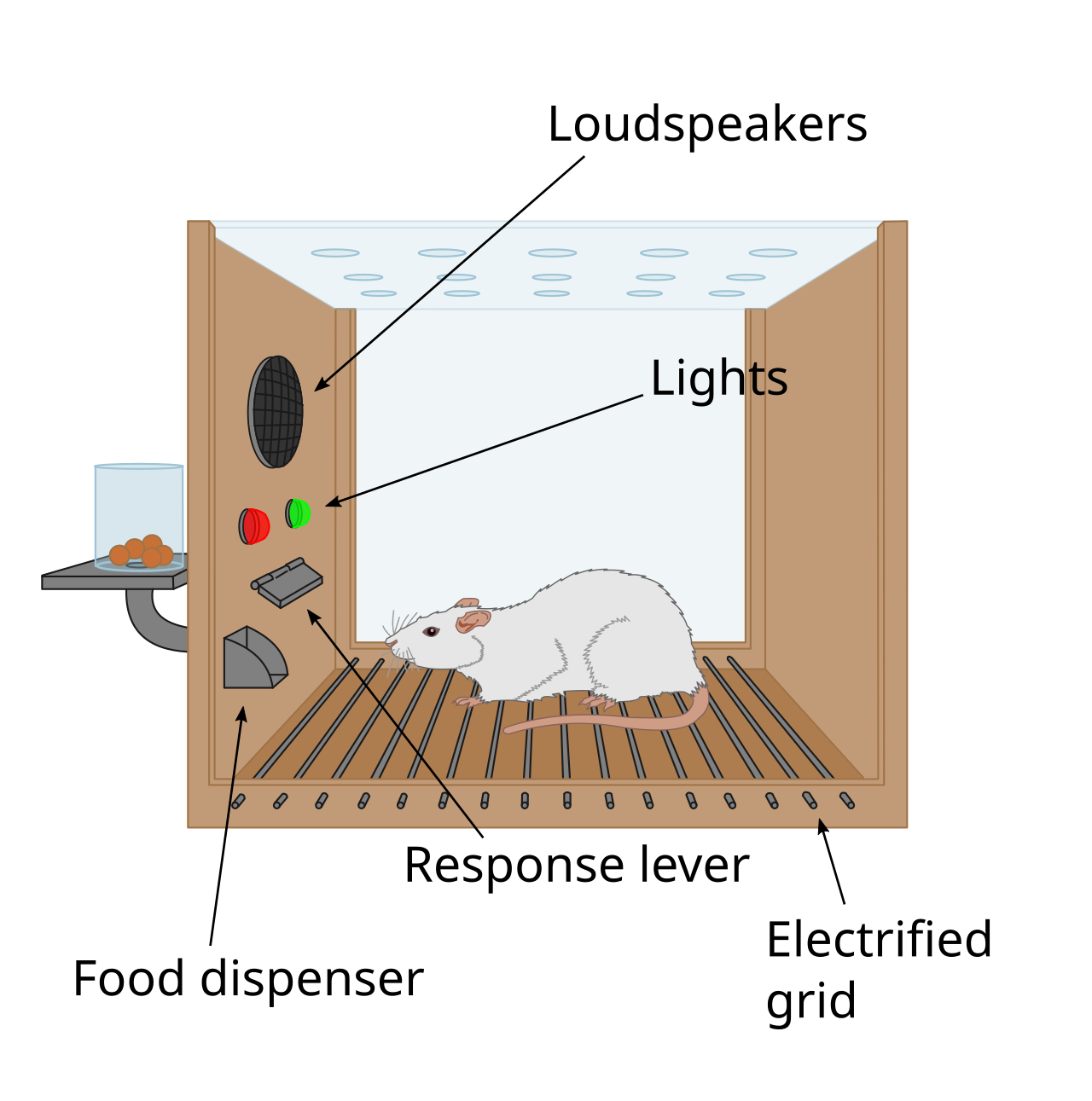
The concept of schedules of reinforcement is a fundamental aspect of behavioral psychology, as it explains how organisms learn to associate certain behaviors with specific consequences. In the context of operant conditioning, reinforcement refers to the process by which a behavior is strengthened or increased in frequency. For instance, a rat can be trained to push a lever to receive food whenever a light is turned on, illustrating the power of reinforcement in shaping behavior. This concept has far-reaching implications, from education to psychology, and is closely related to learning theory. The work of B.F. Skinner has been instrumental in shaping our understanding of schedules of reinforcement, and his ideas continue to influence the field of psychology today.
📈 Types of Schedules: Understanding the Variations
There are several types of schedules of reinforcement, each with its unique characteristics and effects on behavior. Fixed-ratio schedules involve providing reinforcement after a fixed number of responses, while variable-ratio schedules provide reinforcement after an unpredictable number of responses. Fixed-interval schedules and variable-interval schedules are also used to study the effects of reinforcement on behavior. Understanding these different types of schedules is essential for psychologists and educators who seek to apply the principles of reinforcement in real-world settings. The work of Edward Thorndike has also contributed significantly to our understanding of the role of reinforcement in learning.
🐀 Operant Conditioning: The Foundation of Reinforcement
Operant conditioning is the foundation of schedules of reinforcement, and it is based on the idea that behavior is modified by its consequences. B.F. Skinner's work on operant conditioning has had a profound impact on our understanding of behavior and learning. In operant conditioning, reinforcement is used to increase the frequency of a behavior, while punishment is used to decrease the frequency of a behavior. The interplay between reinforcement and punishment is complex, and psychologists must carefully consider the potential consequences of each when designing interventions. The concept of shaping is also closely related to operant conditioning, as it involves the gradual modification of behavior through reinforcement.
📊 Fixed-Ratio Schedules: The Power of Predictability
Fixed-ratio schedules are a type of schedule of reinforcement that provides reinforcement after a fixed number of responses. For example, a rat may receive food after pressing a lever a certain number of times. This type of schedule is often used in laboratory settings to study the effects of reinforcement on behavior. Fixed-ratio schedules can be used to increase the frequency of a behavior, but they can also lead to extinction if the reinforcement is not provided consistently. Psychologists must carefully consider the potential consequences of using fixed-ratio schedules in real-world settings, such as education or therapy. The work of Clark Hull has also contributed to our understanding of the role of reinforcement in motive.
🕒 Variable-Ratio Schedules: The Unpredictable Nature of Reinforcement
Variable-ratio schedules, on the other hand, provide reinforcement after an unpredictable number of responses. This type of schedule is often used to study the effects of reinforcement on behavior in real-world settings. Variable-ratio schedules can be used to increase the frequency of a behavior, and they are often more resistant to extinction than fixed-ratio schedules. However, they can also lead to frustration if the reinforcement is not provided consistently. Psychologists must carefully consider the potential consequences of using variable-ratio schedules in real-world settings, such as gambling or substance abuse. The concept of reinforcement schedule is also closely related to variable-ratio schedules, as it involves the use of reinforcement to modify behavior.
📝 Punishment and Reinforcement: The Delicate Balance
Punishment and reinforcement are two sides of the same coin, and they are both used to modify behavior. Punishment refers to any behavior that decreases the likelihood that a response will occur, while reinforcement refers to any behavior that increases the likelihood that a response will occur. The interplay between punishment and reinforcement is complex, and psychologists must carefully consider the potential consequences of each when designing interventions. The concept of negative reinforcement is also closely related to punishment, as it involves the removal of an aversive stimulus to increase the frequency of a behavior. The work of John B. Watson has also contributed to our understanding of the role of punishment in behavior.
👥 Applications of Schedules of Reinforcement: Real-World Implications
The applications of schedules of reinforcement are numerous and varied, ranging from education to psychology. Teachers can use schedules of reinforcement to increase student engagement and motivation, while psychologists can use them to modify behavior in therapy settings. The concept of token economy is also closely related to schedules of reinforcement, as it involves the use of reinforcement to modify behavior in real-world settings. The work of Albert Bandura has also contributed significantly to our understanding of the role of reinforcement in social learning.
🤔 Criticisms and Controversies: The Debate Surrounding Schedules of Reinforcement
Despite the many benefits of schedules of reinforcement, there are also several criticisms and controversies surrounding their use. Some psychologists argue that schedules of reinforcement can be used to manipulate behavior, while others argue that they are essential for modifying behavior in therapy settings. The concept of ethics is also closely related to schedules of reinforcement, as it involves the consideration of the potential consequences of using reinforcement to modify behavior. The work of Jean Piaget has also contributed to our understanding of the role of reinforcement in cognitive development.
📚 Conclusion: The Enduring Impact of Schedules of Reinforcement
In conclusion, schedules of reinforcement are a powerful tool for modifying behavior, and they have numerous applications in education, psychology, and other fields. However, they must be used carefully and with consideration of the potential consequences. The concept of reinforcement schedule is essential for understanding the role of reinforcement in modifying behavior, and psychologists must carefully consider the potential consequences of using reinforcement to modify behavior. The work of Ulric Neisser has also contributed significantly to our understanding of the role of reinforcement in cognitive psychology.
🔮 Future Directions: The Evolving Landscape of Behavioral Psychology
As we look to the future, it is clear that schedules of reinforcement will continue to play a major role in shaping our understanding of behavior and learning. The development of new technologies, such as artificial intelligence and machine learning, will likely lead to new applications of schedules of reinforcement in real-world settings. The concept of personalized learning is also closely related to schedules of reinforcement, as it involves the use of reinforcement to modify behavior in education. The work of Robert Rescorla has also contributed to our understanding of the role of reinforcement in learning.
📊 Case Studies: Real-World Examples of Schedules of Reinforcement in Action
Several case studies have demonstrated the effectiveness of schedules of reinforcement in modifying behavior. For example, a study on token economy found that the use of reinforcement schedules can increase student engagement and motivation in education. Another study on substance abuse found that the use of reinforcement schedules can reduce the frequency of drug use. The concept of reinforcement schedule is essential for understanding the role of reinforcement in modifying behavior, and psychologists must carefully consider the potential consequences of using reinforcement to modify behavior. The work of Richard Herz has also contributed to our understanding of the role of reinforcement in motive.
👾 The Intersection of Technology and Schedules of Reinforcement: A New Frontier
The intersection of technology and schedules of reinforcement is a rapidly evolving field, with new applications and innovations emerging every day. The use of artificial intelligence and machine learning to develop personalized reinforcement schedules is a promising area of research, with potential applications in education, psychology, and other fields. The concept of reinforcement schedule is essential for understanding the role of reinforcement in modifying behavior, and psychologists must carefully consider the potential consequences of using reinforcement to modify behavior. The work of Joseph Wolpe has also contributed to our understanding of the role of reinforcement in therapy.
Key Facts
- Year
- 1930
- Origin
- Harvard University
- Category
- Psychology
- Type
- Psychological Concept
Frequently Asked Questions
What is the difference between reinforcement and punishment?
Reinforcement refers to any behavior that increases the likelihood that a response will occur, while punishment refers to any behavior that decreases the likelihood that a response will occur. The interplay between reinforcement and punishment is complex, and psychologists must carefully consider the potential consequences of each when designing interventions. The concept of negative reinforcement is also closely related to punishment, as it involves the removal of an aversive stimulus to increase the frequency of a behavior. The work of John B. Watson has also contributed to our understanding of the role of punishment in behavior.
What are the different types of schedules of reinforcement?
There are several types of schedules of reinforcement, including fixed-ratio schedules, variable-ratio schedules, fixed-interval schedules, and variable-interval schedules. Each type of schedule has its unique characteristics and effects on behavior, and psychologists must carefully consider the potential consequences of each when designing interventions. The concept of reinforcement schedule is essential for understanding the role of reinforcement in modifying behavior, and psychologists must carefully consider the potential consequences of using reinforcement to modify behavior. The work of B.F. Skinner has been instrumental in shaping our understanding of schedules of reinforcement.
What are the applications of schedules of reinforcement?
The applications of schedules of reinforcement are numerous and varied, ranging from education to psychology. Teachers can use schedules of reinforcement to increase student engagement and motivation, while psychologists can use them to modify behavior in therapy settings. The concept of token economy is also closely related to schedules of reinforcement, as it involves the use of reinforcement to modify behavior in real-world settings. The work of Albert Bandura has also contributed significantly to our understanding of the role of reinforcement in social learning.
What are the criticisms and controversies surrounding the use of schedules of reinforcement?
Despite the many benefits of schedules of reinforcement, there are also several criticisms and controversies surrounding their use. Some psychologists argue that schedules of reinforcement can be used to manipulate behavior, while others argue that they are essential for modifying behavior in therapy settings. The concept of ethics is also closely related to schedules of reinforcement, as it involves the consideration of the potential consequences of using reinforcement to modify behavior. The work of Jean Piaget has also contributed to our understanding of the role of reinforcement in cognitive development.
What is the future of schedules of reinforcement?
As we look to the future, it is clear that schedules of reinforcement will continue to play a major role in shaping our understanding of behavior and learning. The development of new technologies, such as artificial intelligence and machine learning, will likely lead to new applications of schedules of reinforcement in real-world settings. The concept of personalized learning is also closely related to schedules of reinforcement, as it involves the use of reinforcement to modify behavior in education. The work of Robert Rescorla has also contributed to our understanding of the role of reinforcement in learning.