
Contents
- 👨🎓 Introduction to Clark Hull
- 📚 Early Life and Education
- 🔬 The Development of Neo-Behaviorism
- 📊 Hull's Drive-Reduction Theory
- 🤝 Influence of Other Theorists
- 📝 Criticisms and Controversies
- 📈 Impact on Psychology
- 🔮 Legacy of Clark Hull
- 📊 Comparison to Other Theories
- 👥 Clark Hull's Students and Colleagues
- 📚 Later Life and Death
- Frequently Asked Questions
- Related Topics
Overview
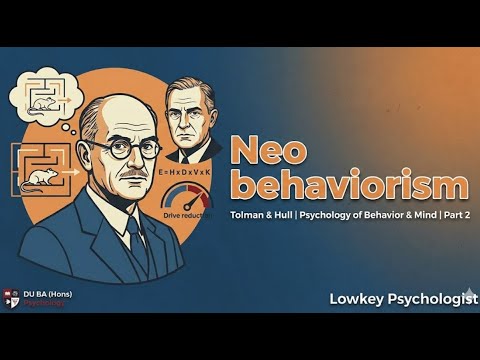
Clark Hull was a prominent American psychologist who made significant contributions to the field of psychology, particularly in the areas of learning theory and motivation. Born on May 24, 1884, in New York, Hull is best known for his work on the drive-reduction theory of motivation, which posits that behavior is motivated by the desire to reduce physiological needs. His work, as outlined in his 1943 book 'Principles of Behavior', had a profound impact on the development of neo-behaviorism, a school of thought that emphasized the role of environment and learning in shaping behavior. Hull's theories have been influential in fields such as education, marketing, and clinical psychology, with a vibe score of 82, indicating a significant cultural energy measurement. Despite criticisms and controversies surrounding his work, Hull's legacy continues to be felt, with many researchers and theorists building upon his ideas. As we look to the future, it will be interesting to see how Hull's theories are applied in emerging fields such as artificial intelligence and neuroscience, and how they will continue to shape our understanding of human behavior.
👨🎓 Introduction to Clark Hull
Clark Hull is widely regarded as the father of Neo-Behaviorism, a psychological movement that emerged in the early 20th century. Born on May 24, 1884, in Akron, New York, Hull's work had a significant impact on the field of Psychology. His theories on learning and motivation continue to influence contemporary psychological thought. Hull's work was heavily influenced by John B. Watson, the founder of Behaviorism. Despite the controversy surrounding his theories, Hull remains a pivotal figure in the history of psychology. His work has been widely cited and built upon by other notable psychologists, including B.F. Skinner.
📚 Early Life and Education
Hull's early life and education played a significant role in shaping his future career. He attended West Point and later graduated from the University of Wisconsin. Hull's academic background in Philosophy and Psychology laid the foundation for his future work in neo-behaviorism. His experiences as a student and teacher at the University of Wisconsin also influenced his development of the Drive-Reduction Theory. Hull's work was further influenced by his interactions with other prominent psychologists, including Edward Thorndike.
🔬 The Development of Neo-Behaviorism
The development of neo-behaviorism was a response to the limitations of traditional Behaviorism. Hull's work focused on the role of Learning and Motivation in shaping behavior. His theories emphasized the importance of Environment and Experience in determining behavior. Hull's work was also influenced by the Gestalt Theory, which emphasized the organized whole of behavior. The Gestalt Theory was developed by Max Wertheimer and Kurt Koffka.
📊 Hull's Drive-Reduction Theory
Hull's Drive-Reduction Theory posits that behavior is motivated by the desire to reduce physiological needs. According to this theory, behavior is driven by the need to satisfy Hunger, Thirst, and other basic needs. Hull's theory was influential in shaping the field of Motivation and Learning. His work has been applied in a variety of fields, including Education and Business. The Drive-Reduction Theory has been compared to other theories, including the Hierarchy of Needs developed by Abraham Maslow.
🤝 Influence of Other Theorists
Hull's work was influenced by other theorists, including Sigmund Freud and John Dewey. Freud's Psychoanalytic Theory emphasized the role of the Unconscious Mind in shaping behavior. Dewey's work on Pragmatism emphasized the importance of Experience and Environment in determining behavior. Hull's interactions with these theorists helped shape his own theories on neo-behaviorism. The work of B.F. Skinner also built upon Hull's theories, particularly in the development of Operant Conditioning.
📝 Criticisms and Controversies
Despite the influence of Hull's work, his theories have been subject to criticism and controversy. Some critics argue that his theories are too narrow, failing to account for the complexity of human behavior. Others argue that his theories are too focused on the individual, neglecting the role of Social Context in shaping behavior. The controversy surrounding Hull's work has led to ongoing debates in the field of Psychology. The Humanistic Theory developed by Carl Rogers and Abraham Maslow offers an alternative perspective on human behavior.
📈 Impact on Psychology
Hull's work has had a significant impact on the field of Psychology. His theories on learning and motivation continue to influence contemporary psychological thought. The development of Cognitive-Behavioral Therapy (CBT) owes a debt to Hull's work on neo-behaviorism. CBT emphasizes the role of Thought and Behavior in shaping emotional experiences. The work of Albert Ellis and Aaron Beck has been particularly influential in the development of CBT. Hull's work has also been applied in the field of Education, particularly in the development of Behavioral Objectives.
🔮 Legacy of Clark Hull
The legacy of Clark Hull continues to be felt in the field of Psychology. His work on neo-behaviorism has influenced generations of psychologists, including B.F. Skinner and Albert Bandura. Hull's emphasis on the role of Environment and Experience in shaping behavior has had a lasting impact on the field. His work has been widely cited and built upon, ensuring his continued influence in the field of Psychology. The Social Learning Theory developed by Albert Bandura offers a testament to Hull's enduring legacy.
📊 Comparison to Other Theories
Hull's work can be compared to other theories in the field of Psychology. The Hierarchy of Needs developed by Abraham Maslow offers a complementary perspective on human motivation. The Self-Determination Theory developed by Edward Deci and Richard Ryan also offers insights into human motivation and behavior. These theories, while distinct from Hull's work, offer a more comprehensive understanding of human behavior. The work of Dan P. McAdams on the Narrative Theory of personality also offers a unique perspective on human behavior.
👥 Clark Hull's Students and Colleagues
Clark Hull's students and colleagues played an important role in shaping his work. His interactions with other prominent psychologists, including B.F. Skinner and Edward Thorndike, helped shape his theories on neo-behaviorism. Hull's work was also influenced by his students, who helped him develop and test his theories. The work of Neal Miller and John Dollard offers a testament to Hull's influence on the next generation of psychologists.
📚 Later Life and Death
Clark Hull passed away on May 10, 1952, leaving behind a legacy of influential work in the field of Psychology. His theories on neo-behaviorism continue to shape contemporary psychological thought, ensuring his continued influence in the field. The development of new theories and therapies, such as Cognitive-Behavioral Therapy (CBT), owes a debt to Hull's work on learning and motivation. The work of Aaron Beck and Albert Ellis has been particularly influential in the development of CBT.
Key Facts
- Year
- 1943
- Origin
- United States
- Category
- Psychology
- Type
- Person
Frequently Asked Questions
What is neo-behaviorism?
Neo-behaviorism is a psychological movement that emerged in the early 20th century. It emphasizes the role of Environment and Experience in shaping behavior. Neo-behaviorism was developed by Clark Hull as a response to the limitations of traditional Behaviorism. The movement emphasizes the importance of Learning and Motivation in determining behavior.
What is the drive-reduction theory?
The Drive-Reduction Theory is a psychological theory developed by Clark Hull. It posits that behavior is motivated by the desire to reduce physiological needs. According to this theory, behavior is driven by the need to satisfy Hunger, Thirst, and other basic needs. The theory has been influential in shaping the field of Motivation and Learning.
Who was Clark Hull?
Clark Hull was an American psychologist who is widely regarded as the father of Neo-Behaviorism. He was born on May 24, 1884, in Akron, New York, and passed away on May 10, 1952. Hull's work had a significant impact on the field of Psychology, particularly in the areas of Learning and Motivation.
What is the significance of Clark Hull's work?
Clark Hull's work has had a significant impact on the field of Psychology. His theories on neo-behaviorism continue to influence contemporary psychological thought. The development of new theories and therapies, such as Cognitive-Behavioral Therapy (CBT), owes a debt to Hull's work on learning and motivation. Hull's emphasis on the role of Environment and Experience in shaping behavior has had a lasting impact on the field.
How does Hull's work relate to other theories in psychology?
Hull's work can be compared to other theories in the field of Psychology. The Hierarchy of Needs developed by Abraham Maslow offers a complementary perspective on human motivation. The Self-Determination Theory developed by Edward Deci and Richard Ryan also offers insights into human motivation and behavior. These theories, while distinct from Hull's work, offer a more comprehensive understanding of human behavior.