
Contents
- 🔍 Introduction to Germ Theory
- 🧬 The Microscopic World of Pathogens
- 🌟 The History of Germ Theory: A Revolutionary Idea
- 👥 Key Players in the Development of Germ Theory
- 📚 The Science Behind Germ Theory: How Pathogens Cause Disease
- 🌎 Environmental and Hereditary Factors: Influencing Disease Severity
- 🤝 The Role of Host-Pathogen Interactions in Infectious Diseases
- 🚨 The Impact of Germ Theory on Modern Medicine
- 🌈 The Diversity of Pathogens: From Bacteria to Viroids
- 🔬 Diagnostic Techniques: Identifying Pathogens in the Laboratory
- 🌟 Future Directions: Emerging Trends in Germ Theory Research
- 📊 Controversies and Debates: The Ongoing Evolution of Germ Theory
- Frequently Asked Questions
- Related Topics
Overview
Germ theory, pioneered by Louis Pasteur in the 19th century, posits that many diseases are caused by the presence and growth of microorganisms such as bacteria and viruses. This concept, initially met with skepticism, has become a cornerstone of modern medicine, leading to significant advances in disease prevention, diagnosis, and treatment. The germ theory of disease has been supported by numerous scientific discoveries, including the work of Robert Koch, who established criteria to prove the causal relationship between microorganisms and diseases. Despite its widespread acceptance, germ theory has also been subject to controversy and debate, with some arguing that it oversimplifies the complex interactions between microorganisms and their hosts. With a vibe rating of 8, germ theory continues to shape our understanding of the microbial world and its impact on human health, with ongoing research exploring the role of the microbiome in disease and wellness. As our understanding of the microbial world evolves, so too will the applications of germ theory, from vaccine development to personalized medicine, with key figures like Pasteur, Koch, and modern-day researchers pushing the boundaries of this field, influencing entities such as the Centers for Disease Control and Prevention (CDC) and the World Health Organization (WHO), and with influence flows tracing back to ancient Greek physicians like Hippocrates, who first proposed the idea that diseases could be caused by tiny, invisible particles.
🔍 Introduction to Germ Theory
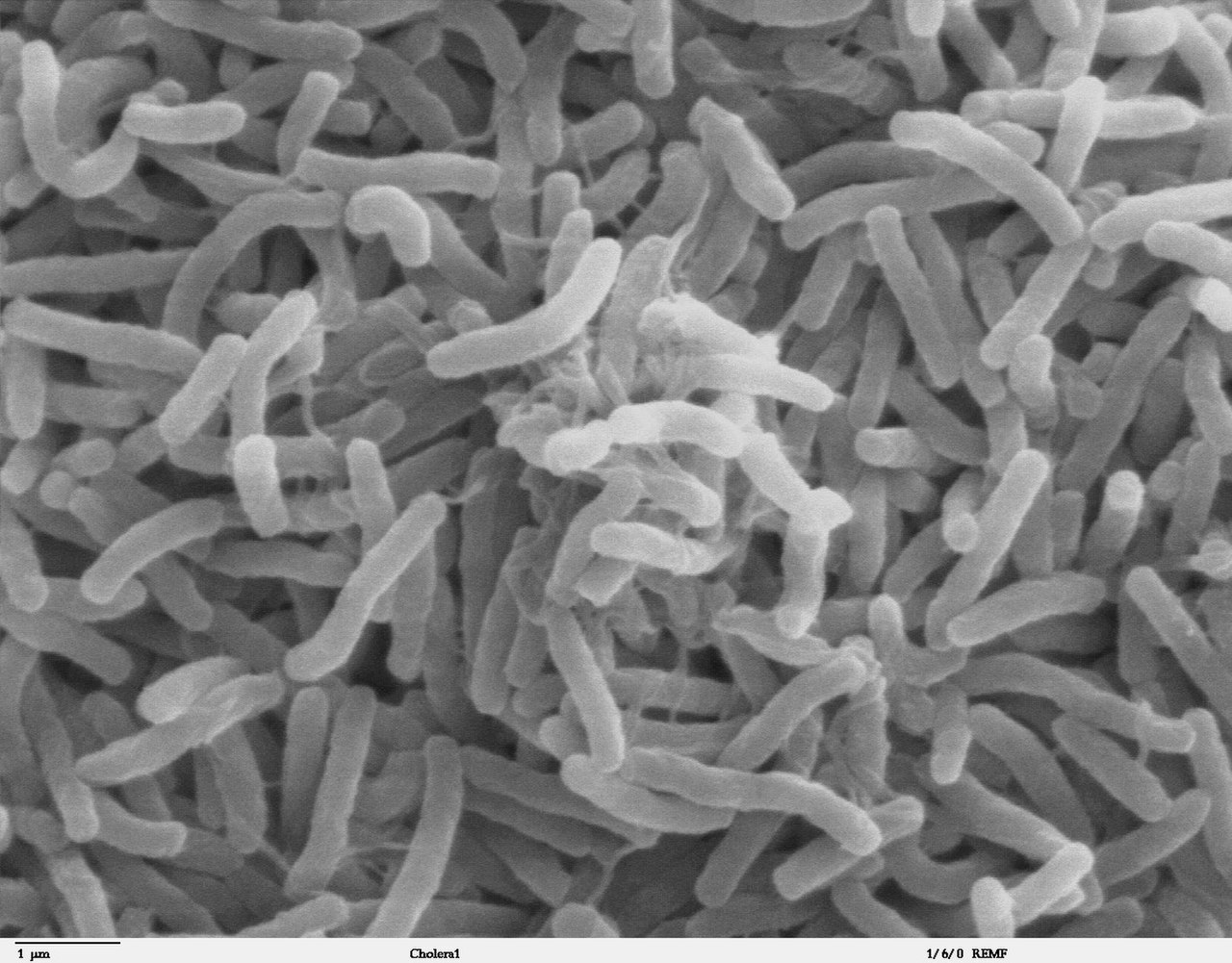
The germ theory of disease, also known as the Germ Theory of Disease, is the currently accepted scientific theory for many diseases. It states that microorganisms known as Pathogens or 'germs' can cause disease. These small organisms, which are too small to be seen without magnification, invade Animals, Plants, and even Bacteria. Their growth and reproduction within their hosts can cause disease, as seen in Infectious Diseases. The term 'germ' refers not just to Bacteria but to any type of microorganism, such as Protists or Fungi, or other pathogens, including Parasites, Viruses, Prions, or Viroids.
🧬 The Microscopic World of Pathogens
The microscopic world of pathogens is incredibly diverse, with different types of microorganisms causing a wide range of diseases. For example, Bacterial Infections can cause diseases such as Tuberculosis and Pneumonia, while Viral Infections can cause diseases such as Influenza and HIV. Fungal Infections can cause diseases such as Ringworm and Athlete's Foot. Understanding the different types of pathogens and how they cause disease is crucial for the development of effective treatments and Public Health strategies.
🌟 The History of Germ Theory: A Revolutionary Idea
The history of germ theory is a fascinating story that involves the contributions of many scientists over several centuries. One of the key figures in the development of germ theory was Louis Pasteur, a French scientist who developed the Vaccine for Rabies and made significant contributions to our understanding of Microbiology. Other important figures in the history of germ theory include Robert Koch and Joseph Lister, who developed the Germ Theory of Disease and introduced Antiseptics into medical practice, respectively. The development of germ theory was a major breakthrough in the field of Medicine and has had a profound impact on our understanding of Infectious Diseases.
👥 Key Players in the Development of Germ Theory
The key players in the development of germ theory were scientists who were willing to challenge the conventional wisdom of their time. Louis Pasteur and Robert Koch were two of the most important figures in the history of germ theory, and their work laid the foundation for our modern understanding of Microbiology. Other important scientists, such as Joseph Lister and Alexander Fleming, made significant contributions to the development of germ theory and its application in Medicine. The work of these scientists has had a lasting impact on our understanding of Infectious Diseases and has saved countless lives through the development of effective treatments and Public Health strategies.
📚 The Science Behind Germ Theory: How Pathogens Cause Disease
The science behind germ theory is based on the idea that microorganisms can cause disease. Pathogens invade the host and multiply, causing a range of symptoms and diseases. The severity of the disease depends on a variety of factors, including the type of pathogen, the strength of the host's Immune System, and environmental and hereditary factors. Understanding the science behind germ theory is crucial for the development of effective treatments and Public Health strategies. For example, Vaccination is a highly effective way to prevent the spread of Infectious Diseases, and Antibiotics can be used to treat Bacterial Infections.
🌎 Environmental and Hereditary Factors: Influencing Disease Severity
Environmental and hereditary factors can influence the severity of a disease and whether a potential host individual becomes infected when exposed to a pathogen. For example, Malnutrition can weaken the Immune System, making an individual more susceptible to Infectious Diseases. Similarly, Genetic Disorders can increase an individual's risk of developing certain diseases. Understanding the role of environmental and hereditary factors in disease is crucial for the development of effective treatments and Public Health strategies. For example, Public Health Policies can be implemented to reduce the spread of Infectious Diseases and improve Health Outcomes.
🤝 The Role of Host-Pathogen Interactions in Infectious Diseases
The role of host-pathogen interactions in infectious diseases is complex and multifaceted. Pathogens have evolved a range of strategies to evade the host's Immune System and cause disease. For example, some pathogens can produce Toxins that damage the host's tissues, while others can manipulate the host's Cell Signaling pathways to promote their own survival and reproduction. Understanding the mechanisms of host-pathogen interactions is crucial for the development of effective treatments and Public Health strategies. For example, Vaccination can be used to prevent the spread of Infectious Diseases, and Antibiotics can be used to treat Bacterial Infections.
🚨 The Impact of Germ Theory on Modern Medicine
The impact of germ theory on modern medicine has been profound. The development of germ theory led to a fundamental shift in our understanding of Infectious Diseases and the development of effective treatments. For example, Antibiotics have revolutionized the treatment of Bacterial Infections, and Vaccination has been highly effective in preventing the spread of Infectious Diseases. The impact of germ theory can also be seen in the development of Public Health strategies, such as Hygiene and Sanitation, which have improved Health Outcomes and reduced the spread of Infectious Diseases.
🌈 The Diversity of Pathogens: From Bacteria to Viroids
The diversity of pathogens is staggering, with different types of microorganisms causing a wide range of diseases. For example, Bacteria can cause diseases such as Tuberculosis and Pneumonia, while Viruses can cause diseases such as Influenza and HIV. Fungi can cause diseases such as Ringworm and Athlete's Foot, and Parasites can cause diseases such as Malaria and Toxoplasmosis. Understanding the diversity of pathogens is crucial for the development of effective treatments and Public Health strategies.
🔬 Diagnostic Techniques: Identifying Pathogens in the Laboratory
Diagnostic techniques play a crucial role in identifying pathogens in the laboratory. For example, Microscopy can be used to visualize microorganisms, while Culture can be used to grow and isolate pathogens. Molecular Diagnostic Techniques, such as PCR and Sequencing, can be used to identify pathogens and understand their genetic makeup. Understanding the different diagnostic techniques is crucial for the development of effective treatments and Public Health strategies.
🌟 Future Directions: Emerging Trends in Germ Theory Research
Future directions in germ theory research are likely to involve the development of new diagnostic techniques and treatments. For example, Genomics and Proteomics can be used to understand the genetic and molecular basis of disease, while Synthetic Biology can be used to develop new treatments and Vaccines. The development of new diagnostic techniques and treatments will be crucial for improving Health Outcomes and reducing the spread of Infectious Diseases.
📊 Controversies and Debates: The Ongoing Evolution of Germ Theory
Controversies and debates in the field of germ theory are ongoing. For example, the use of Antibiotics has been controversial, with some arguing that they are overused and contribute to the development of Antibiotic Resistance. The development of new treatments and Vaccines is also a topic of debate, with some arguing that they are not effective or safe. Understanding the controversies and debates in the field of germ theory is crucial for the development of effective treatments and Public Health strategies.
Key Facts
- Year
- 1861
- Origin
- France
- Category
- Science
- Type
- Scientific Theory
Frequently Asked Questions
What is the germ theory of disease?
The germ theory of disease is the currently accepted scientific theory for many diseases. It states that microorganisms known as pathogens or 'germs' can cause disease. These small organisms, which are too small to be seen without magnification, invade animals, plants, and even bacteria. Their growth and reproduction within their hosts can cause disease. The term 'germ' refers not just to bacteria but to any type of microorganism, such as protists or fungi, or other pathogens, including parasites, viruses, prions, or viroids.
Who are the key players in the development of germ theory?
The key players in the development of germ theory were scientists who were willing to challenge the conventional wisdom of their time. Louis Pasteur and Robert Koch were two of the most important figures in the history of germ theory, and their work laid the foundation for our modern understanding of microbiology. Other important scientists, such as Joseph Lister and Alexander Fleming, made significant contributions to the development of germ theory and its application in medicine.
What is the role of host-pathogen interactions in infectious diseases?
The role of host-pathogen interactions in infectious diseases is complex and multifaceted. Pathogens have evolved a range of strategies to evade the host's immune system and cause disease. For example, some pathogens can produce toxins that damage the host's tissues, while others can manipulate the host's cell signaling pathways to promote their own survival and reproduction. Understanding the mechanisms of host-pathogen interactions is crucial for the development of effective treatments and public health strategies.
What is the impact of germ theory on modern medicine?
The impact of germ theory on modern medicine has been profound. The development of germ theory led to a fundamental shift in our understanding of infectious diseases and the development of effective treatments. For example, antibiotics have revolutionized the treatment of bacterial infections, and vaccination has been highly effective in preventing the spread of infectious diseases. The impact of germ theory can also be seen in the development of public health strategies, such as hygiene and sanitation, which have improved health outcomes and reduced the spread of infectious diseases.
What are the future directions in germ theory research?
Future directions in germ theory research are likely to involve the development of new diagnostic techniques and treatments. For example, genomics and proteomics can be used to understand the genetic and molecular basis of disease, while synthetic biology can be used to develop new treatments and vaccines. The development of new diagnostic techniques and treatments will be crucial for improving health outcomes and reducing the spread of infectious diseases.
What are the controversies and debates in the field of germ theory?
Controversies and debates in the field of germ theory are ongoing. For example, the use of antibiotics has been controversial, with some arguing that they are overused and contribute to the development of antibiotic resistance. The development of new treatments and vaccines is also a topic of debate, with some arguing that they are not effective or safe. Understanding the controversies and debates in the field of germ theory is crucial for the development of effective treatments and public health strategies.
How does germ theory relate to public health?
Germ theory has a significant impact on public health. The understanding of microorganisms and their role in causing disease has led to the development of effective public health strategies, such as hygiene and sanitation, which have improved health outcomes and reduced the spread of infectious diseases. Additionally, the development of vaccines and antibiotics has been crucial in preventing and treating infectious diseases, and has had a major impact on public health.