
Contents
- 🎯 Introduction to Infectious Diseases
- 🔬 Understanding the Causes of Infections
- 🏥 Treatment and Management of Infectious Diseases
- 📊 Key Facts and Statistics
- 👥 Key People and Organizations
- 🌎 Global Impact and Prevention
- ⚡ Current Research and Developments
- 🤔 Controversies and Debates
- 🔮 Future Outlook and Predictions
- 💡 Practical Applications and Prevention Strategies
- Frequently Asked Questions
- References
- Related Topics
Overview
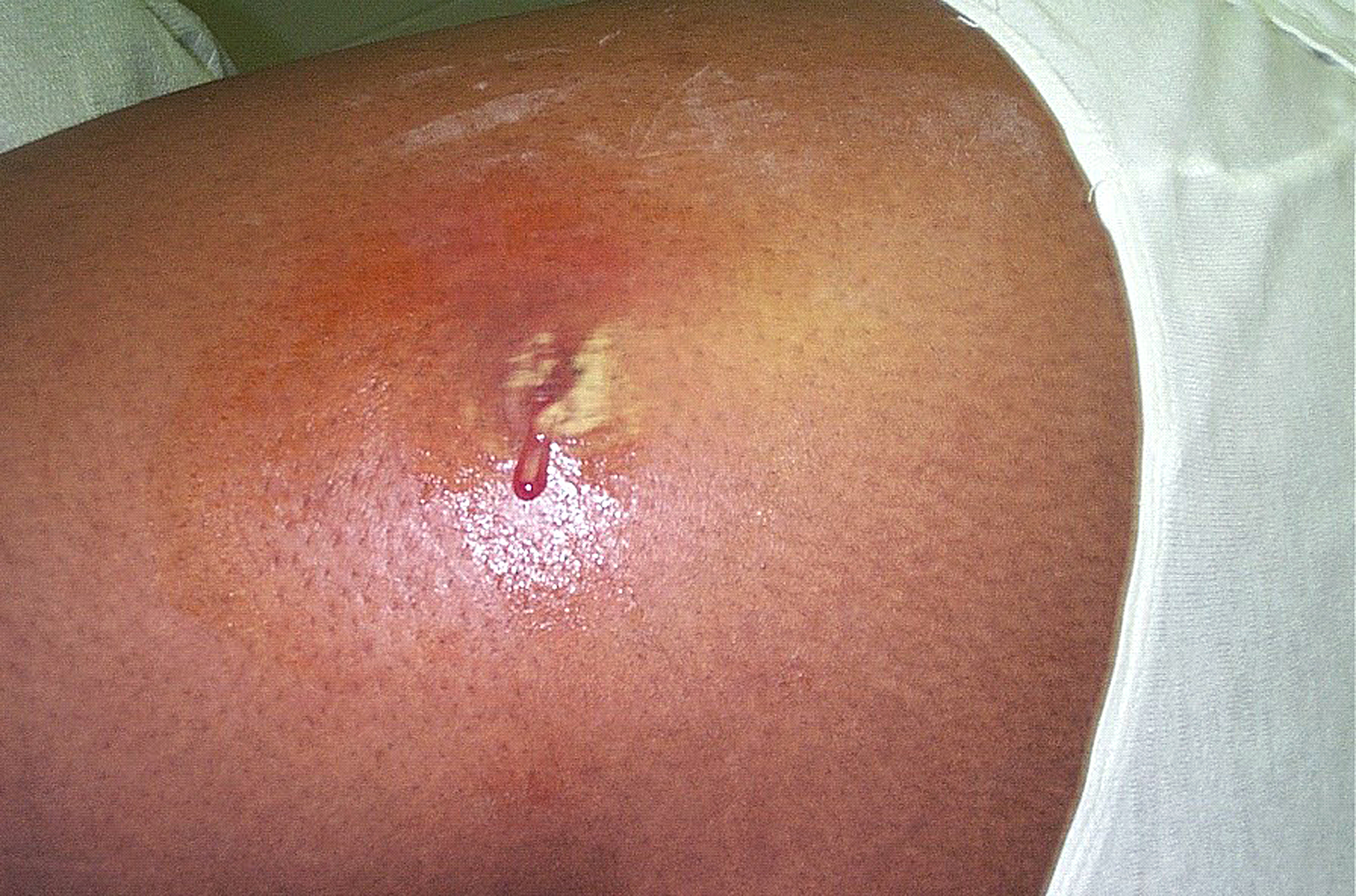
Infectious diseases, also known as transmissible or communicable diseases, are illnesses resulting from the invasion of tissues by pathogens, such as bacteria, viruses, fungi, and parasites. These diseases remain a significant global health concern, causing approximately 9.2 million deaths in 2013, which accounts for 17% of all deaths worldwide. The World Health Organization (WHO) and the Centers for Disease Control and Prevention (CDC) play crucial roles in monitoring and controlling the spread of infectious diseases. Treatment options vary depending on the type of pathogen involved, including antibiotics for bacterial infections, antivirals for viral infections, and antifungals for fungal infections. According to the CDC, infectious diseases can be prevented through vaccination, proper hygiene, and safe food and water practices. Furthermore, the National Institutes of Health (NIH) supports research on infectious diseases, aiming to develop new treatments and improve our understanding of these complex illnesses. As stated by Dr. Anthony Fauci, Director of the National Institute of Allergy and Infectious Diseases, 'infectious diseases are a major threat to global health security, and it is essential that we continue to invest in research and development of new treatments and vaccines,' as reported by the National Institutes of Health
🎯 Introduction to Infectious Diseases
Infectious diseases have been a major threat to human health throughout history, with the Black Death being one of the most devastating pandemics in recorded history, as documented by the World Health Organization. The discovery of microorganisms by Louis Pasteur and Robert Koch revolutionized our understanding of infectious diseases. Today, we know that infections can be caused by a wide range of pathogens, including bacteria, viruses, fungi, and parasites, as explained by the Centers for Disease Control and Prevention. For example, tuberculosis is a bacterial infection that affects millions of people worldwide, while influenza is a viral infection that causes seasonal epidemics, according to the Centers for Disease Control and Prevention.
🔬 Understanding the Causes of Infections
The human body has a complex immune system that plays a crucial role in fighting infections. The innate response, often involving inflammation, is the first line of defense against pathogens, as described by the National Institutes of Health. The adaptive response, which involves the production of antibodies and immune cells, provides long-term protection against specific pathogens. However, some pathogens have evolved mechanisms to evade the immune system, making treatment and prevention challenging, as noted by Dr. Anthony Fauci, Director of the National Institute of Allergy and Infectious Diseases.
🏥 Treatment and Management of Infectious Diseases
Treatment for infectious diseases depends on the type of pathogen involved. Antibiotics, such as penicillin, are effective against bacterial infections, while antivirals, such as oseltamivir, are used to treat viral infections. Antifungals, such as fluconazole, are used to treat fungal infections, and antiprotozoals, such as metronidazole, are used to treat protozoan infections. According to the World Health Organization, the development of antimicrobial resistance is a major concern, and efforts are being made to develop new treatments and improve infection control practices.
📊 Key Facts and Statistics
Infectious diseases have a significant impact on global health, with approximately 9.2 million deaths in 2013, as reported by the World Health Organization. The Centers for Disease Control and Prevention and the World Health Organization play critical roles in monitoring and controlling the spread of infectious diseases. Key people, such as Bill Gates, have made significant contributions to the fight against infectious diseases through their philanthropic efforts, as noted by the Bill and Melinda Gates Foundation.
👥 Key People and Organizations
The global impact of infectious diseases is significant, with outbreaks and epidemics occurring regularly. The SARS outbreak in 2003 and the Ebola outbreak in 2014 highlighted the need for improved global health security, as stated by the World Health Organization. Prevention strategies, such as vaccination, proper hygiene, and safe food and water practices, are essential in reducing the spread of infectious diseases. According to the Centers for Disease Control and Prevention, vaccination has been instrumental in controlling and eliminating many infectious diseases, including smallpox and polio.
🌎 Global Impact and Prevention
Current research and developments in the field of infectious diseases are focused on improving our understanding of the complex interactions between pathogens and the human host. The development of new treatments, such as gene therapy and immunotherapy, holds promise for improving outcomes for patients with infectious diseases. The National Institutes of Health and the World Health Organization are supporting research in this area, as noted by Dr. Francis Collins, Director of the National Institutes of Health.
⚡ Current Research and Developments
There are several controversies and debates in the field of infectious diseases, including the use of antibiotics in agriculture and the development of antimicrobial resistance. The Centers for Disease Control and Prevention and the World Health Organization have called for responsible use of antibiotics to mitigate the risk of resistance, as reported by the World Health Organization. Additionally, there are concerns about the impact of climate change on the spread of infectious diseases, as noted by the Intergovernmental Panel on Climate Change.
🤔 Controversies and Debates
The future outlook for infectious diseases is complex, with the potential for new and emerging pathogens to cause significant harm. However, advances in medical research and public health infrastructure provide hope for improved prevention and treatment of infectious diseases. The World Health Organization and the Centers for Disease Control and Prevention are working to strengthen global health security and improve our ability to respond to outbreaks and epidemics, as stated by Dr. Tedros Adhanom Ghebreyesus, Director-General of the World Health Organization.
🔮 Future Outlook and Predictions
Practical applications and prevention strategies for infectious diseases include vaccination, proper hygiene, and safe food and water practices. The Centers for Disease Control and Prevention and the World Health Organization provide guidance on these strategies, as well as information on the latest research and developments in the field. According to the Centers for Disease Control and Prevention, hand hygiene is one of the most effective ways to prevent the spread of infectious diseases, and vaccination is a critical tool in controlling and eliminating many infectious diseases.
💡 Practical Applications and Prevention Strategies
Infectious diseases are connected to a broader range of topics, including public health, global health, and medical research. The World Health Organization and the Centers for Disease Control and Prevention are key organizations in the field of infectious diseases, and their work has a significant impact on global health security. Additionally, the National Institutes of Health supports research on infectious diseases, aiming to develop new treatments and improve our understanding of these complex illnesses.
Key Facts
- Year
- 2013
- Origin
- Global
- Category
- public-health
- Type
- concept
Frequently Asked Questions
What is the most effective way to prevent the spread of infectious diseases?
The most effective way to prevent the spread of infectious diseases is through vaccination, proper hygiene, and safe food and water practices, as stated by the Centers for Disease Control and Prevention.
What is the difference between a bacterial and viral infection?
Bacterial infections are caused by bacteria, while viral infections are caused by viruses. Treatment options vary depending on the type of pathogen involved, as explained by the National Institutes of Health.
What is the role of the immune system in fighting infections?
The immune system plays a crucial role in fighting infections, with the innate response providing immediate protection and the adaptive response providing long-term protection, as described by the Centers for Disease Control and Prevention.
What are some common infectious diseases?
Common infectious diseases include tuberculosis, influenza, and HIV, as reported by the World Health Organization.
How can I protect myself from infectious diseases?
You can protect yourself from infectious diseases by practicing good hygiene, getting vaccinated, and avoiding close contact with people who are sick, as advised by the Centers for Disease Control and Prevention.
What is the current research focus in the field of infectious diseases?
Current research focus in the field of infectious diseases includes the development of new treatments, such as gene therapy and immunotherapy, and improving our understanding of the complex interactions between pathogens and the human host, as noted by the National Institutes of Health.
What is the impact of climate change on the spread of infectious diseases?
Climate change can increase the spread of infectious diseases by altering the habitats and populations of disease-carrying insects and animals, as reported by the Intergovernmental Panel on Climate Change.