
Contents
- 🎵 Origins & History
- ⚙️ How It Works
- 📊 Key Facts & Numbers
- 👥 Key People & Organizations
- 🌍 Cultural Impact & Influence
- ⚡ Current State & Latest Developments
- 🤔 Controversies & Debates
- 🔮 Future Outlook & Predictions
- 💡 Practical Applications
- 📚 Related Topics & Deeper Reading
- Frequently Asked Questions
- References
- Related Topics
Overview
Hygiene refers to the conditions and practices that help maintain health and prevent the spread of diseases, encompassing personal practices and environmental conditions. According to the World Health Organization (WHO), hygiene is crucial for preventing the spread of diseases. Personal hygiene, including hand washing and showering, is a critical aspect of overall hygiene. Hygiene activities can be grouped into home and everyday hygiene, personal hygiene, medical hygiene, sleep hygiene, and food hygiene. With a vibe rating of 80, hygiene is a fundamental aspect of public health, and its importance cannot be overstated. In fact, the Centers for Disease Control and Prevention (CDC) estimates that proper hand washing can reduce the risk of diarrhea by 31% and the risk of respiratory infections by 16-21%. As noted by World Health Organization and Centers for Disease Control and Prevention, hygiene is a vital component of disease prevention, and its significance is reflected in the work of organizations such as UNICEF and American Red Cross.
🎵 Origins & History
Hygiene has its roots in ancient civilizations, with evidence of personal hygiene practices dating back to ancient Egypt, Greece, and Rome. The concept of hygiene as we know it today, however, is a relatively modern development, with significant advancements in the 19th and 20th centuries. As noted by John Snow, a British physician, the connection between hygiene and disease prevention was first recognized in the 19th century. The work of Louis Pasteur and Robert Koch further solidified the importance of hygiene in preventing the spread of diseases. Today, hygiene is recognized as a critical component of public health, with organizations such as World Health Organization and Centers for Disease Control and Prevention playing a vital role in promoting hygiene practices globally.
⚙️ How It Works
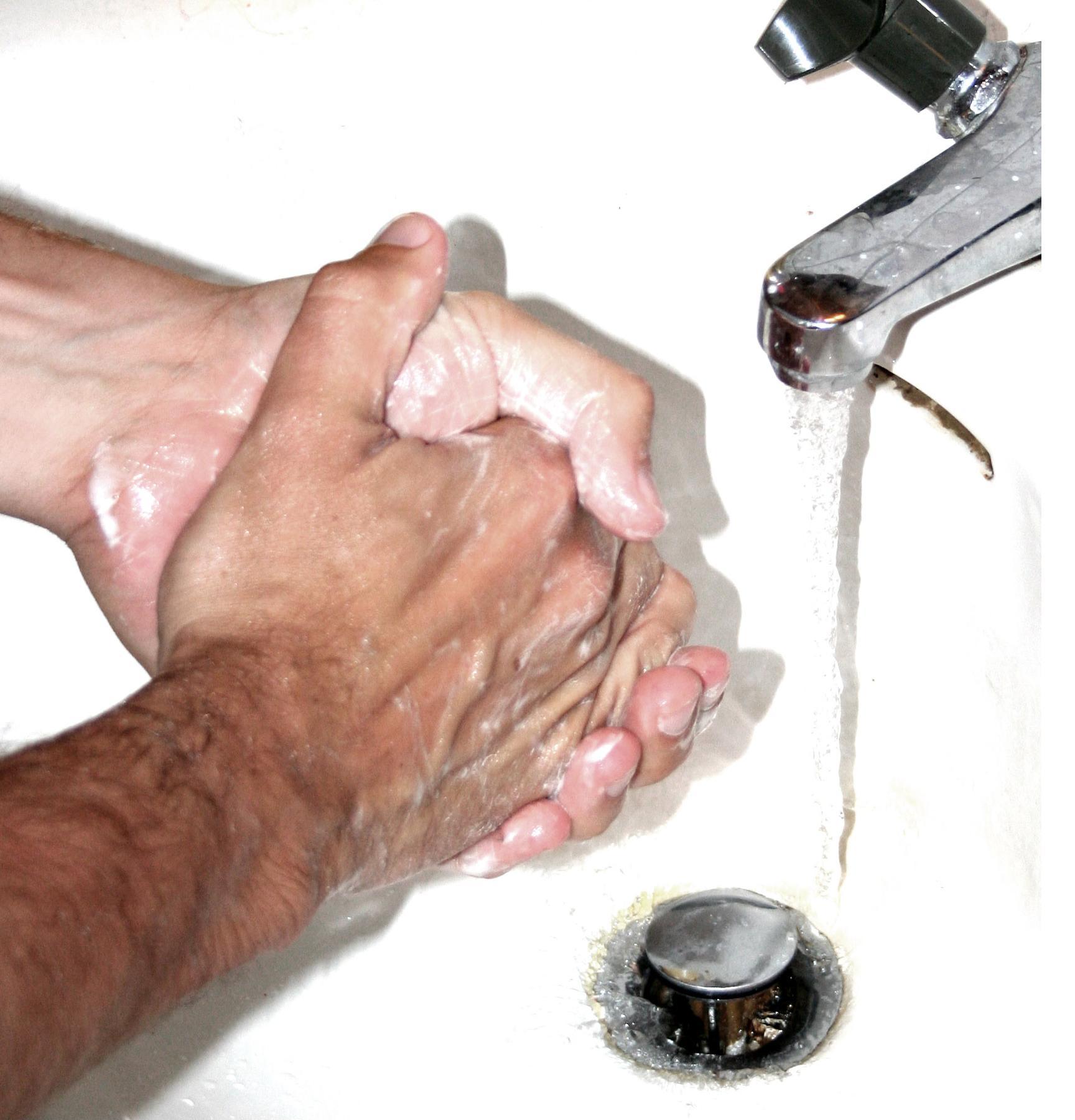
Hygiene works by reducing the transmission of pathogens, including bacteria, viruses, and other microorganisms. Personal hygiene practices, such as hand washing and showering, help to remove pathogens from the body, while environmental hygiene practices, such as cleaning and disinfecting surfaces, help to reduce the presence of pathogens in the environment. As explained by CDC, proper hand washing involves washing hands with soap and water for at least 20 seconds, while WHO recommends washing hands with soap and water or using an alcohol-based hand sanitizer. In addition to personal hygiene, medical hygiene, including the use of personal protective equipment (PPE) and proper sterilization techniques, is critical for preventing the spread of diseases in healthcare settings.
📊 Key Facts & Numbers
Key facts about hygiene include the fact that proper hand washing can reduce the risk of diarrhea by 31% and the risk of respiratory infections by 16-21%, according to the CDC. Additionally, the WHO estimates that 1.8 million children under the age of 5 die each year from diarrheal diseases, many of which could be prevented through improved hygiene practices. In the United States, the CDC reports that approximately 48 million people get sick from foodborne illnesses each year, resulting in approximately 128,000 hospitalizations and 3,000 deaths. As noted by UNICEF, hygiene is a critical component of disease prevention, particularly in low-income countries where access to clean water and sanitation is limited.
👥 Key People & Organizations
Key people and organizations involved in promoting hygiene include the World Health Organization, the Centers for Disease Control and Prevention, and UNICEF. These organizations work to promote hygiene practices globally, particularly in low-income countries where access to clean water and sanitation is limited. Additionally, organizations such as the American Red Cross and the Salvation Army provide critical support for hygiene-related initiatives, including disaster relief and humanitarian aid. As recognized by Johns Hopkins University, hygiene is a critical component of public health, and its importance is reflected in the work of these organizations.
🌍 Cultural Impact & Influence
Hygiene has had a significant cultural impact, with many societies placing a strong emphasis on personal cleanliness and hygiene. In some cultures, hygiene is seen as a moral imperative, with individuals who do not practice good hygiene being viewed as unclean or impure. As noted by Anthony Fauci, the director of the National Institute of Allergy and Infectious Diseases, hygiene is a critical component of disease prevention, and its importance cannot be overstated. In addition to its cultural significance, hygiene has also had a significant impact on public health, with improved hygiene practices contributing to significant reductions in morbidity and mortality from infectious diseases. According to Harvard University, hygiene is a critical component of public health, and its importance is reflected in the work of organizations such as CDC and WHO.
⚡ Current State & Latest Developments
The current state of hygiene is one of ongoing challenge and opportunity. Despite significant progress in promoting hygiene practices globally, many countries continue to struggle with inadequate access to clean water and sanitation, and hygiene-related illnesses remain a major public health concern. As reported by BBC, the COVID-19 pandemic has highlighted the importance of hygiene, with many countries implementing strict hygiene protocols to reduce the spread of the disease. According to NPR, hygiene is a critical component of disease prevention, and its importance cannot be overstated. In response to these challenges, organizations such as the World Health Organization and the Centers for Disease Control and Prevention are working to promote hygiene practices and improve access to clean water and sanitation globally.
🤔 Controversies & Debates
Controversies and debates surrounding hygiene include the use of antimicrobial agents, such as triclosan, in personal care products, and the impact of hygiene practices on the environment. Some argue that the overuse of antimicrobial agents contributes to the development of antibiotic-resistant bacteria, while others argue that these agents are necessary for preventing the spread of diseases. As noted by Environmental Protection Agency, hygiene practices can have a significant impact on the environment, and it is essential to balance the need for hygiene with the need to protect the environment. According to National Institutes of Health, hygiene is a critical component of disease prevention, and its importance cannot be overstated.
🔮 Future Outlook & Predictions
The future outlook for hygiene is one of continued innovation and improvement. New technologies, such as antimicrobial coatings and self-cleaning surfaces, are being developed to reduce the transmission of pathogens and improve hygiene practices. Additionally, organizations such as the World Health Organization and the Centers for Disease Control and Prevention are working to promote hygiene practices and improve access to clean water and sanitation globally. As recognized by Stanford University, hygiene is a critical component of public health, and its importance will only continue to grow in the future.
💡 Practical Applications
Practical applications of hygiene include hand washing, showering, and proper food handling and preparation. Additionally, medical hygiene practices, such as the use of personal protective equipment (PPE) and proper sterilization techniques, are critical for preventing the spread of diseases in healthcare settings. As explained by CDC, proper hand washing involves washing hands with soap and water for at least 20 seconds, while WHO recommends washing hands with soap and water or using an alcohol-based hand sanitizer. According to Mayo Clinic, hygiene is a critical component of disease prevention, and its importance cannot be overstated.
Key Facts
- Year
- 2022
- Origin
- Global
- Category
- public-health
- Type
- concept
Frequently Asked Questions
What is hygiene?
Hygiene refers to the conditions and practices that help maintain health and prevent disease. According to the World Health Organization (WHO), hygiene is crucial for preventing the spread of diseases. As noted by World Health Organization, hygiene practices include personal hygiene, medical hygiene, and environmental hygiene. For example, proper hand washing can reduce the risk of diarrhea by 31% and the risk of respiratory infections by 16-21%, according to the CDC.
Why is hygiene important?
Hygiene is important because it helps prevent the spread of diseases. According to the Centers for Disease Control and Prevention (CDC), proper hand washing can reduce the risk of diarrhea by 31% and the risk of respiratory infections by 16-21%. As recognized by UNICEF, hygiene is a critical component of disease prevention, particularly in low-income countries where access to clean water and sanitation is limited. In fact, the World Bank estimates that every dollar invested in hygiene and sanitation generates an average return of $4 in economic benefits.
What are some examples of hygiene practices?
Examples of hygiene practices include hand washing, showering, and proper food handling and preparation. Additionally, medical hygiene practices, such as the use of personal protective equipment (PPE) and proper sterilization techniques, are critical for preventing the spread of diseases in healthcare settings. As explained by CDC, proper hand washing involves washing hands with soap and water for at least 20 seconds, while WHO recommends washing hands with soap and water or using an alcohol-based hand sanitizer. According to Mayo Clinic, hygiene is a critical component of disease prevention, and its importance cannot be overstated.
How can I improve my hygiene practices?
You can improve your hygiene practices by washing your hands frequently, showering regularly, and practicing proper food handling and preparation. Additionally, you can use personal protective equipment (PPE) and follow proper sterilization techniques when interacting with others who may be sick. As noted by Johns Hopkins University, hygiene is a critical component of public health, and its importance will only continue to grow in the future. According to NPR, hygiene is a critical component of disease prevention, and its importance cannot be overstated.
What are some common hygiene-related illnesses?
Common hygiene-related illnesses include diarrhea, respiratory infections, and skin infections. According to the Centers for Disease Control and Prevention (CDC), approximately 48 million people get sick from foodborne illnesses each year in the United States, resulting in approximately 128,000 hospitalizations and 3,000 deaths. As recognized by CDC, hygiene is a critical component of disease prevention, and its importance cannot be overstated. In fact, the WHO estimates that 1.8 million children under the age of 5 die each year from diarrheal diseases, many of which could be prevented through improved hygiene practices.
How can I stay up-to-date on the latest hygiene guidelines?
You can stay up-to-date on the latest hygiene guidelines by visiting the websites of reputable health organizations, such as the World Health Organization (WHO) and the Centers for Disease Control and Prevention (CDC). Additionally, you can follow health experts and organizations on social media to stay informed about the latest developments in hygiene and disease prevention. As noted by World Health Organization, hygiene is a critical component of public health, and its importance cannot be overstated. According to UNICEF, hygiene is a critical component of disease prevention, particularly in low-income countries where access to clean water and sanitation is limited.
What is the relationship between hygiene and environmental health?
Hygiene practices can have a significant impact on the environment, particularly in terms of water and energy usage. According to the Environmental Protection Agency (EPA), hygiene practices such as hand washing and showering can contribute to water pollution and energy consumption. As recognized by Environmental Protection Agency, hygiene practices can have a significant impact on the environment, and it is essential to balance the need for hygiene with the need to protect the environment. In fact, the WHO estimates that every dollar invested in hygiene and sanitation generates an average return of $4 in economic benefits.
How can I promote hygiene practices in my community?
You can promote hygiene practices in your community by educating others about the importance of hygiene and providing access to hygiene facilities, such as hand washing stations and toilets. Additionally, you can work with local health organizations and community leaders to develop and implement hygiene promotion programs. As noted by CDC, hygiene is a critical component of disease prevention, and its importance cannot be overstated. According to UNICEF, hygiene is a critical component of disease prevention, particularly in low-income countries where access to clean water and sanitation is limited.