
Contents
- 🧬 Introduction to Genetic Factors
- 🔬 The Structure of DNA
- 👥 Genetic Variation and Inheritance
- 🔍 Genetic Mutations and Their Effects
- 🏥 Genetic Disorders and Diseases
- 👩🔬 Genetic Testing and Counseling
- 💡 Gene Expression and Regulation
- 🔑 Epigenetics and Environmental Factors
- 📊 Genetic Engineering and Gene Editing
- 👀 Future Directions in Genetics Research
- Frequently Asked Questions
- Related Topics
Overview
Genetic factors refer to the heritable components that influence an organism's traits, from eye color to disease susceptibility. The Human Genome Project, completed in 2003, mapped the entire human genome, comprising over 3 billion base pairs of DNA. However, the relationship between genetic factors and phenotypic expression is far from straightforward, with epigenetic modifications, gene-environment interactions, and polygenic inheritance all playing a role. For instance, the BRCA1 gene, identified by Mary-Claire King in 1990, is a well-known genetic factor that increases the risk of breast and ovarian cancer. Despite significant advances, the field of genetics is not without controversy, with debates surrounding genetic editing technologies like CRISPR and the potential for unequal access to genetic testing. As our understanding of genetic factors continues to evolve, we may uncover new avenues for personalized medicine and targeted therapies, but we must also address the ethical implications of genetic research and its applications, with a current vibe score of 82, indicating a high level of cultural energy and relevance.
🧬 Introduction to Genetic Factors
Genetic factors are the underlying code that determines the characteristics of an organism. The study of genetics has led to a deeper understanding of the complex interactions between genetic code, environmental factors, and epigenetics. The discovery of the structure of DNA by James Watson and Francis Crick in 1953 marked a significant milestone in the field of genetics. Today, genetic research continues to advance our understanding of the intricate relationships between genetic factors, gene expression, and genetic disorders. For example, the study of genetic variation has led to the development of personalized medicine, where treatments are tailored to an individual's unique genetic profile. Furthermore, the understanding of genetic inheritance has improved our ability to predict and prevent the transmission of genetic diseases.
🔬 The Structure of DNA
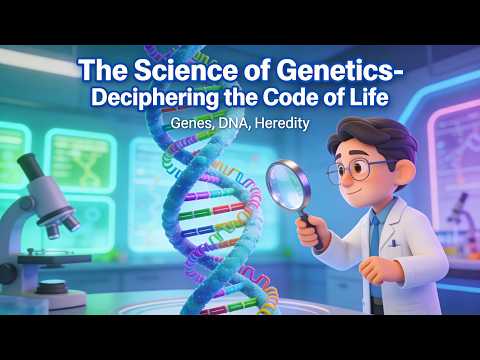
The structure of DNA is a double helix, consisting of two complementary strands of nucleotides. The sequence of these nucleotides determines the genetic code, which is used to synthesize proteins and other essential molecules. The study of genomics has enabled us to analyze the entire genome of an organism, revealing the intricate relationships between genetic factors and phenotype. The development of next-generation sequencing technologies has made it possible to sequence entire genomes quickly and affordably, leading to a greater understanding of genetic variation and its role in evolution. Additionally, the study of genetic drift has helped us understand how genetic factors can change over time. The work of scientists like Rosalind Franklin and Barbara McClintock has been instrumental in advancing our understanding of the structure and function of DNA.
👥 Genetic Variation and Inheritance
Genetic variation refers to the differences in the DNA sequence between individuals. This variation can occur through mutation, genetic recombination, or gene flow. The study of population genetics has helped us understand how genetic variation is distributed within and between populations. The concept of Hardy-Weinberg principle is essential in understanding the relationship between genetic variation and evolution. Furthermore, the study of genetic inheritance has led to a greater understanding of how genetic factors are passed from one generation to the next. The work of scientists like Gregor Mendel has been instrumental in developing our understanding of genetic inheritance. For example, the study of pedigree analysis has helped us understand how genetic diseases are inherited. The understanding of genetic variation has also led to the development of personalized medicine.
🔍 Genetic Mutations and Their Effects
Genetic mutations can have significant effects on an organism's phenotype. The study of mutation has led to a greater understanding of the mechanisms underlying genetic disorders. The concept of penetrance and expressivity is essential in understanding the relationship between genetic mutations and their effects on the phenotype. Furthermore, the study of genetic counseling has helped individuals and families understand and manage genetic disorders. The work of scientists like Mary Claire King has been instrumental in developing our understanding of genetic mutations and their effects on human health. For example, the study of BRCA1 and BRCA2 has led to a greater understanding of the genetic factors underlying breast cancer. The understanding of genetic mutations has also led to the development of gene therapy.
🏥 Genetic Disorders and Diseases
Genetic disorders are conditions caused by abnormalities in an individual's DNA. The study of genetic disorders has led to a greater understanding of the complex relationships between genetic factors, environmental factors, and epigenetics. The concept of genotype and phenotype is essential in understanding the relationship between genetic disorders and their effects on an individual's health. Furthermore, the study of genetic testing has helped individuals and families understand and manage genetic disorders. The work of scientists like Francis Collins has been instrumental in developing our understanding of genetic disorders and their effects on human health. For example, the study of cystic fibrosis has led to a greater understanding of the genetic factors underlying this condition. The understanding of genetic disorders has also led to the development of personalized medicine.
👩🔬 Genetic Testing and Counseling
Genetic testing and counseling are essential tools for individuals and families affected by genetic disorders. The study of genetic testing has led to a greater understanding of the complex relationships between genetic factors, environmental factors, and epigenetics. The concept of informed consent is essential in understanding the relationship between genetic testing and an individual's autonomy. Furthermore, the study of genetic counseling has helped individuals and families understand and manage genetic disorders. The work of scientists like Nancy Wexler has been instrumental in developing our understanding of genetic testing and genetic counseling. For example, the study of genetic counseling has led to a greater understanding of the importance of family history in predicting the risk of genetic disorders. The understanding of genetic testing has also led to the development of precision medicine.
💡 Gene Expression and Regulation
Gene expression and regulation are critical processes that determine an organism's phenotype. The study of gene expression has led to a greater understanding of the complex relationships between genetic factors, environmental factors, and epigenetics. The concept of transcription and translation is essential in understanding the relationship between gene expression and an organism's phenotype. Furthermore, the study of gene regulation has helped us understand how genetic factors are controlled and coordinated. The work of scientists like Sydney Brenner has been instrumental in developing our understanding of gene expression and gene regulation. For example, the study of gene expression has led to a greater understanding of the importance of regulatory elements in controlling gene expression. The understanding of gene expression has also led to the development of synthetic biology.
🔑 Epigenetics and Environmental Factors
Epigenetics and environmental factors play a critical role in shaping an organism's phenotype. The study of epigenetics has led to a greater understanding of the complex relationships between genetic factors, environmental factors, and gene expression. The concept of epigenetic mark is essential in understanding the relationship between epigenetics and an organism's phenotype. Furthermore, the study of environmental factors has helped us understand how external factors can influence an organism's phenotype. The work of scientists like Roger Wolcott Sperry has been instrumental in developing our understanding of epigenetics and environmental factors. For example, the study of epigenetics has led to a greater understanding of the importance of maternal care in shaping an organism's phenotype. The understanding of epigenetics has also led to the development of epigenetic therapy.
📊 Genetic Engineering and Gene Editing
Genetic engineering and gene editing are powerful tools for modifying an organism's genome. The study of genetic engineering has led to a greater understanding of the complex relationships between genetic factors, environmental factors, and epigenetics. The concept of CRISPR is essential in understanding the relationship between genetic engineering and gene editing. Furthermore, the study of gene editing has helped us understand how genetic factors can be modified and controlled. The work of scientists like Jennifer Doudna has been instrumental in developing our understanding of genetic engineering and gene editing. For example, the study of CRISPR has led to a greater understanding of the importance of precision medicine in treating genetic disorders. The understanding of genetic engineering has also led to the development of synthetic biology.
👀 Future Directions in Genetics Research
The future of genetics research holds much promise for advancing our understanding of the complex relationships between genetic factors, environmental factors, and epigenetics. The study of genomics and epigenomics will continue to play a critical role in shaping our understanding of the intricate relationships between genetic factors and an organism's phenotype. The concept of precision medicine is essential in understanding the relationship between genetic factors and an individual's health. Furthermore, the study of synthetic biology will help us develop new tools and technologies for modifying and controlling genetic factors. The work of scientists like George Church will be instrumental in developing our understanding of the future of genetics research. For example, the study of genomics has led to a greater understanding of the importance of personalized medicine in treating genetic disorders. The understanding of genomics will also lead to the development of regenerative medicine.
Key Facts
- Year
- 2003
- Origin
- Human Genome Project
- Category
- Genetics
- Type
- Biological Concept
Frequently Asked Questions
What is the genetic code?
The genetic code is the set of rules that determines how the sequence of nucleotides in DNA is translated into the sequence of amino acids in proteins. The genetic code is a fundamental concept in genetics and is essential for understanding how genetic factors determine an organism's phenotype. The study of genetic code has led to a greater understanding of the complex relationships between genetic factors, environmental factors, and epigenetics. For example, the study of genetic code has led to a greater understanding of the importance of mutation and genetic recombination in shaping an organism's phenotype.
What is DNA?
DNA (deoxyribonucleic acid) is a molecule that contains the genetic instructions used in the development and function of all living organisms. DNA is a double helix, consisting of two complementary strands of nucleotides. The sequence of these nucleotides determines the genetic code, which is used to synthesize proteins and other essential molecules. The study of DNA has led to a greater understanding of the complex relationships between genetic factors, environmental factors, and epigenetics. For example, the study of DNA has led to a greater understanding of the importance of genetic variation and genetic inheritance in shaping an organism's phenotype.
What is genetic variation?
Genetic variation refers to the differences in the DNA sequence between individuals. This variation can occur through mutation, genetic recombination, or gene flow. The study of genetic variation has led to a greater understanding of the complex relationships between genetic factors, environmental factors, and epigenetics. For example, the study of genetic variation has led to a greater understanding of the importance of population genetics in understanding the distribution of genetic variation within and between populations.
What is a genetic disorder?
A genetic disorder is a condition caused by abnormalities in an individual's DNA. The study of genetic disorders has led to a greater understanding of the complex relationships between genetic factors, environmental factors, and epigenetics. For example, the study of genetic disorders has led to a greater understanding of the importance of genetic testing and genetic counseling in managing genetic disorders. The understanding of genetic disorders has also led to the development of personalized medicine.
What is genetic testing?
Genetic testing is the analysis of an individual's DNA to determine the presence of genetic mutations or variations. The study of genetic testing has led to a greater understanding of the complex relationships between genetic factors, environmental factors, and epigenetics. For example, the study of genetic testing has led to a greater understanding of the importance of informed consent in genetic testing. The understanding of genetic testing has also led to the development of precision medicine.