
Contents
- 🌐 Introduction to Gene Regulation
- 🧬 Mechanisms of Gene Expression
- 🌈 Regulation of Transcriptional Initiation
- 📝 RNA Processing and Modification
- 🔍 Post-Translational Modification of Proteins
- 🕸️ Gene Regulatory Networks
- 🌟 Environmental Stimuli and Gene Expression
- 🔬 Experimental Techniques for Studying Gene Regulation
- 📊 Bioinformatics and Computational Analysis
- 👥 Gene Regulation in Development and Disease
- 🔜 Future Directions in Gene Regulation Research
- 📚 Conclusion and Emerging Trends
- Frequently Asked Questions
- Related Topics
Overview
Gene regulation refers to the processes by which cells control the expression of genes, dictating when and where genetic information is translated into functional products. This intricate interplay involves a multitude of factors, including transcription factors, enhancers, and epigenetic modifications, which collectively ensure that genes are expressed in the right place, at the right time, and in the right amount. Dysregulation of gene expression has been implicated in numerous diseases, including cancer, neurological disorders, and developmental abnormalities. The study of gene regulation has led to significant advances in our understanding of cellular differentiation, development, and disease pathogenesis. For instance, the discovery of the CRISPR-Cas9 gene editing tool has revolutionized the field, enabling precise manipulation of gene expression. Furthermore, research on gene regulation has also shed light on the complex relationships between genes, environment, and disease, with a notable example being the work of Barbara McClintock, who pioneered the discovery of transposons and their role in gene regulation, earning her the Nobel Prize in Physiology or Medicine in 1983.
🌐 Introduction to Gene Regulation
Gene regulation is a complex and highly regulated process that allows cells to respond to their environment and adapt to changing conditions. This process involves the coordinated action of multiple gene expression mechanisms, including transcriptional initiation, RNA processing, and post-translational modification. The regulation of gene expression is essential for the proper functioning of cells and organisms, and dysregulation of this process can lead to disease. For example, the regulation of developmental pathways is critical for the proper formation and patterning of tissues and organs. Gene regulation is also important for responding to environmental stimuli, such as changes in temperature or nutrient availability.
🧬 Mechanisms of Gene Expression
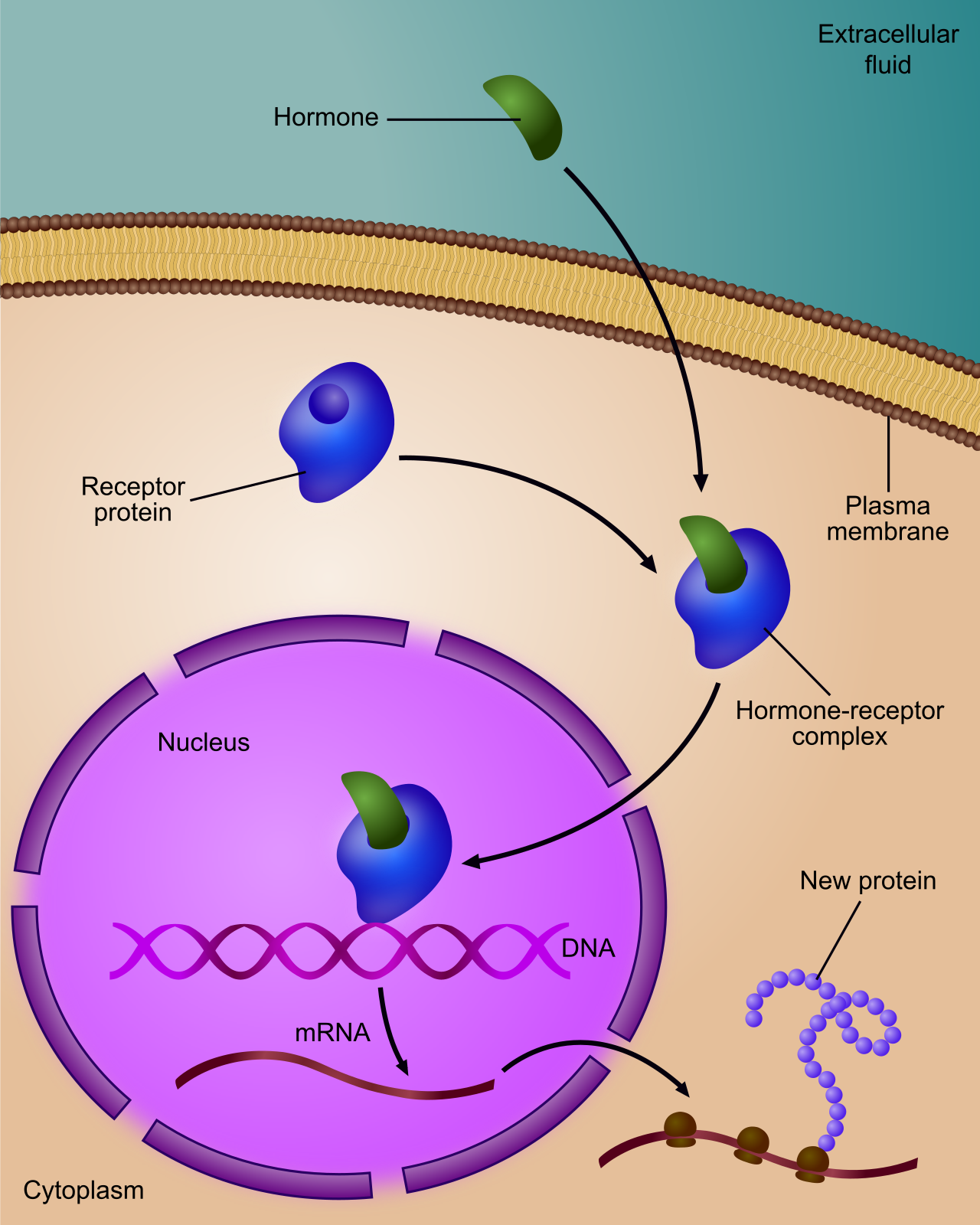
The mechanisms of gene expression are highly regulated and involve the coordinated action of multiple transcription factors, chromatin modifying enzymes, and other regulatory proteins. The process of transcriptional initiation is a critical step in gene regulation, and involves the recruitment of RNA polymerase and other transcriptional machinery to the promoter region of a gene. The regulation of transcriptional initiation is mediated by a variety of transcription factors, including activators and repressors. For example, the lac operon is a well-studied example of a gene regulatory system that controls the expression of genes involved in lactose metabolism.
🌈 Regulation of Transcriptional Initiation
The regulation of transcriptional initiation is a critical step in gene regulation, and involves the coordinated action of multiple transcription factors and chromatin modifying enzymes. The process of transcriptional initiation is mediated by the recruitment of RNA polymerase and other transcriptional machinery to the promoter region of a gene. The regulation of transcriptional initiation is essential for the proper functioning of cells and organisms, and dysregulation of this process can lead to disease. For example, the regulation of cell cycle genes is critical for the proper progression of cells through the cell cycle. The p53 tumor suppressor protein is a key regulator of cell cycle genes and plays a critical role in preventing cancer.
📝 RNA Processing and Modification
The process of RNA processing is also an important step in gene regulation, and involves the modification and editing of rRNA molecules. The regulation of RNA processing is mediated by a variety of rRNA binding proteins and rRNA editing enzymes. The process of RNA processing is essential for the proper functioning of cells and organisms, and dysregulation of this process can lead to disease. For example, the regulation of alternative splicing is critical for the proper formation of protein isoforms. The SR proteins are a family of rRNA binding proteins that play a critical role in regulating alternative splicing.
🔍 Post-Translational Modification of Proteins
The process of post-translational modification is also an important step in gene regulation, and involves the modification of proteins after they have been translated. The regulation of post-translational modification is mediated by a variety of enzymes, including kinases and phosphatases. The process of post-translational modification is essential for the proper functioning of cells and organisms, and dysregulation of this process can lead to disease. For example, the regulation of protein degradation is critical for the proper removal of damaged or misfolded proteins. The ubiquitin-proteasome pathway is a key regulator of protein degradation and plays a critical role in preventing neurodegenerative diseases.
🕸️ Gene Regulatory Networks
Gene regulatory networks are complex systems that involve the coordinated action of multiple gene regulatory elements, including promoters, enhancers, and silencers. The regulation of gene regulatory networks is mediated by a variety of transcription factors and chromatin modifying enzymes. The process of gene regulatory network regulation is essential for the proper functioning of cells and organisms, and dysregulation of this process can lead to disease. For example, the regulation of developmental pathways is critical for the proper formation and patterning of tissues and organs. The Wnt signaling pathway is a key regulator of developmental pathways and plays a critical role in preventing cancer.
🌟 Environmental Stimuli and Gene Expression
Environmental stimuli, such as changes in temperature or nutrient availability, can have a significant impact on gene regulation. The regulation of gene expression in response to environmental stimuli is mediated by a variety of signal transduction pathways, including the MAPK signaling pathway and the PI3K-Akt signaling pathway. The process of gene regulation in response to environmental stimuli is essential for the proper functioning of cells and organisms, and dysregulation of this process can lead to disease. For example, the regulation of stress response genes is critical for the proper response to environmental stressors. The heat shock proteins are a family of chaperone proteins that play a critical role in regulating the stress response.
🔬 Experimental Techniques for Studying Gene Regulation
Experimental techniques, such as chromatin immunoprecipitation and rRNA sequencing, are essential for studying gene regulation. These techniques allow researchers to analyze the regulation of gene expression at the level of individual genes and to identify the key regulatory elements and transcription factors involved. The process of gene regulation is complex and highly regulated, and the use of experimental techniques is essential for understanding the mechanisms of gene regulation. For example, the use of CRISPR-Cas9 gene editing has revolutionized the field of gene regulation and has allowed researchers to precisely manipulate the expression of individual genes.
📊 Bioinformatics and Computational Analysis
Bioinformatics and computational analysis are also essential for studying gene regulation. These techniques allow researchers to analyze large datasets and to identify patterns and trends in gene expression. The process of gene regulation is complex and highly regulated, and the use of bioinformatics and computational analysis is essential for understanding the mechanisms of gene regulation. For example, the use of gene expression profiling has allowed researchers to identify key regulatory elements and transcription factors involved in the regulation of gene expression. The genomic browser is a powerful tool for visualizing and analyzing genomic data and has revolutionized the field of gene regulation.
👥 Gene Regulation in Development and Disease
Gene regulation plays a critical role in development and disease. The regulation of gene expression is essential for the proper formation and patterning of tissues and organs, and dysregulation of this process can lead to birth defects and cancer. The process of gene regulation is complex and highly regulated, and the use of experimental techniques and bioinformatics is essential for understanding the mechanisms of gene regulation. For example, the regulation of stem cell genes is critical for the proper formation and maintenance of tissues and organs. The Oct4 transcription factor is a key regulator of stem cell genes and plays a critical role in preventing cancer.
🔜 Future Directions in Gene Regulation Research
The future of gene regulation research is exciting and rapidly evolving. New technologies, such as CRISPR-Cas9 gene editing and single-cell RNA sequencing, are allowing researchers to precisely manipulate the expression of individual genes and to analyze the regulation of gene expression at the level of individual cells. The process of gene regulation is complex and highly regulated, and the use of these new technologies is essential for understanding the mechanisms of gene regulation. For example, the use of synthetic biology is allowing researchers to design and construct new gene regulatory systems and to engineer cells with novel functions.
📚 Conclusion and Emerging Trends
In conclusion, gene regulation is a complex and highly regulated process that plays a critical role in development and disease. The regulation of gene expression is essential for the proper functioning of cells and organisms, and dysregulation of this process can lead to disease. The use of experimental techniques, bioinformatics, and computational analysis is essential for understanding the mechanisms of gene regulation. As new technologies emerge, the field of gene regulation is rapidly evolving and is likely to have a significant impact on our understanding of development and disease.
Key Facts
- Year
- 1961
- Origin
- The concept of gene regulation was first proposed by François Jacob and Jacques Monod in their seminal paper 'Genetic Regulatory Mechanisms in the Synthesis of Proteins' published in the Journal of Molecular Biology.
- Category
- Molecular Biology
- Type
- Biological Process
Frequently Asked Questions
What is gene regulation?
Gene regulation is the process by which cells control the expression of genes. This process involves the coordinated action of multiple mechanisms, including transcriptional initiation, RNA processing, and post-translational modification. The regulation of gene expression is essential for the proper functioning of cells and organisms, and dysregulation of this process can lead to disease. For example, the regulation of developmental pathways is critical for the proper formation and patterning of tissues and organs. Gene regulation is also important for responding to environmental stimuli, such as changes in temperature or nutrient availability.
What are the different mechanisms of gene regulation?
The mechanisms of gene regulation are highly regulated and involve the coordinated action of multiple transcription factors, chromatin modifying enzymes, and other regulatory proteins. The process of transcriptional initiation is a critical step in gene regulation, and involves the recruitment of RNA polymerase and other transcriptional machinery to the promoter region of a gene. The regulation of transcriptional initiation is mediated by a variety of transcription factors, including activators and repressors. The process of RNA processing is also an important step in gene regulation, and involves the modification and editing of rRNA molecules.
What is the role of gene regulatory networks in gene regulation?
Gene regulatory networks are complex systems that involve the coordinated action of multiple gene regulatory elements, including promoters, enhancers, and silencers. The regulation of gene regulatory networks is mediated by a variety of transcription factors and chromatin modifying enzymes. The process of gene regulatory network regulation is essential for the proper functioning of cells and organisms, and dysregulation of this process can lead to disease. For example, the regulation of developmental pathways is critical for the proper formation and patterning of tissues and organs.
How do environmental stimuli affect gene regulation?
Environmental stimuli, such as changes in temperature or nutrient availability, can have a significant impact on gene regulation. The regulation of gene expression in response to environmental stimuli is mediated by a variety of signal transduction pathways, including the MAPK signaling pathway and the PI3K-Akt signaling pathway. The process of gene regulation in response to environmental stimuli is essential for the proper functioning of cells and organisms, and dysregulation of this process can lead to disease.
What are the future directions in gene regulation research?
The future of gene regulation research is exciting and rapidly evolving. New technologies, such as CRISPR-Cas9 gene editing and single-cell RNA sequencing, are allowing researchers to precisely manipulate the expression of individual genes and to analyze the regulation of gene expression at the level of individual cells. The process of gene regulation is complex and highly regulated, and the use of these new technologies is essential for understanding the mechanisms of gene regulation.