
Contents
- 🔍 Introduction to Epigenetic Marks
- 🧬 The Mechanisms of Epigenetic Regulation
- 📊 Histone Modification and Chromatin Remodeling
- 👥 DNA Methylation and Gene Silencing
- 💡 Environmental Influences on Epigenetic Marks
- 🔬 Epigenetic Marks in Disease and Development
- 👩🔬 Epigenetic Inheritance and Transgenerational Effects
- 🔮 Therapeutic Targeting of Epigenetic Marks
- 📈 Epigenetic Markers in Cancer Diagnosis and Treatment
- 🔍 Future Directions in Epigenetic Research
- 👥 Epigenetics and Personalized Medicine
- Frequently Asked Questions
- Related Topics
Overview
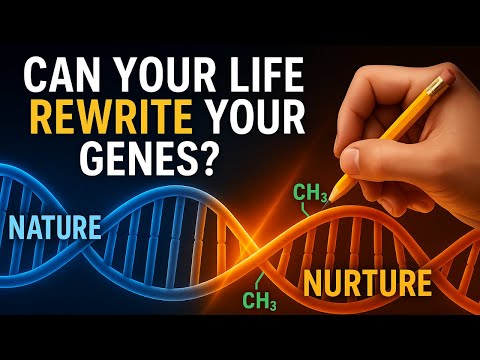
Epigenetic marks refer to chemical modifications on DNA or histone proteins that regulate gene expression without altering the underlying DNA sequence. These marks, such as DNA methylation and histone acetylation, play a crucial role in development, cell differentiation, and disease susceptibility. Research has shown that epigenetic marks are influenced by environmental factors, including diet, stress, and exposure to toxins, and can be passed on to future generations. The study of epigenetic marks has led to a greater understanding of complex diseases, such as cancer and neurological disorders, and has opened up new avenues for therapeutic intervention. For example, the use of epigenetic editing tools, such as CRISPR-Cas9, has enabled scientists to precisely manipulate epigenetic marks and study their effects on gene expression. With a Vibe score of 8, the field of epigenetic marks is rapidly evolving, with new discoveries and technologies emerging regularly, such as the development of single-cell epigenomics and the application of machine learning to epigenetic data analysis.
🔍 Introduction to Epigenetic Marks
Epigenetic marks are chemical modifications that affect gene expression without altering the underlying DNA sequence. These marks play a crucial role in regulating gene activity, and their dysregulation has been implicated in various diseases, including cancer. The study of epigenetic marks is a rapidly evolving field, with new discoveries being made regularly. For example, research on histone modification has shown that these marks can be inherited through cell division, allowing for the transmission of gene expression patterns from one generation to the next. Additionally, DNA methylation has been shown to be involved in the regulation of gene expression, particularly in the context of gene silencing.
🧬 The Mechanisms of Epigenetic Regulation
The mechanisms of epigenetic regulation are complex and multifaceted. Epigenetic marks can be added or removed by enzymes, such as histone acetyltransferases and DNA methyltransferases. These enzymes can be recruited to specific genomic locations by transcription factors, which recognize specific DNA sequences. The addition or removal of epigenetic marks can then alter the accessibility of the DNA to transcriptional machinery, thereby regulating gene expression. For instance, chromatin remodeling complexes can move nucleosomes to expose or conceal regulatory elements, such as promoters and enhancers. Furthermore, non-coding RNA molecules can also play a role in epigenetic regulation, particularly in the context of gene expression.
📊 Histone Modification and Chromatin Remodeling
Histone modification and chromatin remodeling are two key mechanisms of epigenetic regulation. Histone modification involves the addition of chemical groups, such as acetyl or methyl groups, to histone proteins. This can alter the structure of chromatin, making it more or less accessible to transcriptional machinery. Chromatin remodeling, on the other hand, involves the reorganization of nucleosomes to expose or conceal regulatory elements. For example, SWI/SNF complexes can move nucleosomes to expose promoters, allowing for gene activation. Additionally, Polycomb repressive complexes can compact chromatin, leading to gene silencing. The interplay between these mechanisms is crucial for maintaining proper gene expression patterns, and dysregulation of these processes has been implicated in various diseases, including cancer.
👥 DNA Methylation and Gene Silencing
DNA methylation is another important epigenetic mark that plays a crucial role in regulating gene expression. DNA methylation involves the addition of a methyl group to cytosine residues in DNA, typically at CpG sites. This can lead to gene silencing by preventing transcription factors from binding to their recognition sites. DNA methylation is often associated with heterochromatin formation, which is a compact, transcriptionally inactive form of chromatin. For instance, DNA methyltransferase 1 is responsible for maintaining DNA methylation patterns during cell division, ensuring that gene expression patterns are inherited. Moreover, histone deacetylases can also contribute to gene silencing by removing acetyl groups from histones, leading to chromatin compaction.
💡 Environmental Influences on Epigenetic Marks
Environmental influences can also impact epigenetic marks, leading to changes in gene expression. For example, exposure to toxins or stress can lead to changes in DNA methylation or histone modification patterns. These changes can be inherited through cell division, allowing for the transmission of environmental information from one generation to the next. Additionally, epigenetic drift can occur over time, leading to the accumulation of epigenetic changes that can influence gene expression. The study of environmental epigenetics is a rapidly evolving field, with implications for our understanding of disease susceptibility and developmental biology. Furthermore, nutritional epigenetics is an area of research that explores the impact of diet on epigenetic marks and gene expression.
🔬 Epigenetic Marks in Disease and Development
Epigenetic marks have been implicated in various diseases, including cancer. For example, changes in DNA methylation patterns have been observed in cancer cells, leading to the silencing of tumor suppressor genes. Additionally, histone modification patterns have been shown to be altered in cancer cells, leading to the activation of oncogenes. The study of epigenetic marks in disease is a rapidly evolving field, with implications for our understanding of disease mechanisms and the development of new therapies. For instance, epigenetic therapy aims to target epigenetic marks to reactivate tumor suppressor genes or silence oncogenes. Moreover, cancer epigenetics is an area of research that explores the role of epigenetic marks in cancer development and progression.
👩🔬 Epigenetic Inheritance and Transgenerational Effects
Epigenetic inheritance and transgenerational effects are also areas of active research. Epigenetic marks can be inherited through cell division, allowing for the transmission of gene expression patterns from one generation to the next. Additionally, environmental influences can impact epigenetic marks, leading to changes in gene expression that can be inherited. The study of epigenetic inheritance is a rapidly evolving field, with implications for our understanding of developmental biology and disease susceptibility. For example, transgenerational epigenetic inheritance refers to the transmission of epigenetic marks from one generation to the next, allowing for the inheritance of environmental information.
🔮 Therapeutic Targeting of Epigenetic Marks
Therapeutic targeting of epigenetic marks is a promising area of research. Epigenetic therapy aims to target epigenetic marks to reactivate tumor suppressor genes or silence oncogenes. For example, histone deacetylase inhibitors can be used to reactivate tumor suppressor genes by removing repressive histone marks. Additionally, DNA demethylating agents can be used to reactivate tumor suppressor genes by removing DNA methylation. The study of epigenetic therapy is a rapidly evolving field, with implications for our understanding of cancer treatment and disease therapy. Furthermore, epigenetic editing is an area of research that explores the use of technologies such as CRISPR to edit epigenetic marks and modify gene expression.
📈 Epigenetic Markers in Cancer Diagnosis and Treatment
Epigenetic markers in cancer diagnosis and treatment are also an area of active research. Epigenetic marks can be used as biomarkers for cancer diagnosis, allowing for the early detection of cancer. Additionally, epigenetic marks can be used to predict cancer prognosis, allowing for the development of personalized treatment plans. The study of epigenetic markers in cancer diagnosis and treatment is a rapidly evolving field, with implications for our understanding of cancer diagnosis and cancer treatment. For instance, cancer epigenetics is an area of research that explores the role of epigenetic marks in cancer development and progression.
🔍 Future Directions in Epigenetic Research
Future directions in epigenetic research are numerous and exciting. The development of new technologies, such as single-cell epigenomics, is allowing for the study of epigenetic marks at the single-cell level. Additionally, the integration of epigenetic data with other types of data, such as genomic data and transcriptomic data, is allowing for a more comprehensive understanding of epigenetic regulation. The study of epigenetics is a rapidly evolving field, with implications for our understanding of developmental biology, disease susceptibility, and cancer treatment. Furthermore, epigenetic medicine is an area of research that explores the application of epigenetic principles to the prevention and treatment of diseases.
👥 Epigenetics and Personalized Medicine
Epigenetics and personalized medicine are also areas of active research. Epigenetic marks can be used to predict an individual's response to therapy, allowing for the development of personalized treatment plans. Additionally, epigenetic marks can be used to identify individuals who are at risk of developing certain diseases, allowing for early intervention and prevention. The study of epigenetics and personalized medicine is a rapidly evolving field, with implications for our understanding of personalized medicine and disease prevention. For example, epigenetic testing can be used to identify epigenetic marks that are associated with disease susceptibility, allowing for the development of targeted therapies.
Key Facts
- Year
- 2000
- Origin
- The term 'epigenetic' was first coined by Conrad Waddington in 1942, but the field of epigenetic marks has its roots in the discovery of DNA methylation in the 1960s and 1970s by scientists such as Arthur Riggs and Robin Holliday.
- Category
- Molecular Biology
- Type
- Biological Concept
Frequently Asked Questions
What are epigenetic marks?
Epigenetic marks are chemical modifications that affect gene expression without altering the underlying DNA sequence. These marks play a crucial role in regulating gene activity, and their dysregulation has been implicated in various diseases, including cancer. Epigenetic marks can be added or removed by enzymes, and they can be inherited through cell division, allowing for the transmission of gene expression patterns from one generation to the next.
How do environmental influences impact epigenetic marks?
Environmental influences can impact epigenetic marks, leading to changes in gene expression. For example, exposure to toxins or stress can lead to changes in DNA methylation or histone modification patterns. These changes can be inherited through cell division, allowing for the transmission of environmental information from one generation to the next. Additionally, epigenetic drift can occur over time, leading to the accumulation of epigenetic changes that can influence gene expression.
What is the role of epigenetic marks in cancer?
Epigenetic marks have been implicated in various diseases, including cancer. Changes in DNA methylation patterns have been observed in cancer cells, leading to the silencing of tumor suppressor genes. Additionally, histone modification patterns have been shown to be altered in cancer cells, leading to the activation of oncogenes. The study of epigenetic marks in cancer is a rapidly evolving field, with implications for our understanding of disease mechanisms and the development of new therapies.
How can epigenetic marks be used in cancer diagnosis and treatment?
Epigenetic marks can be used as biomarkers for cancer diagnosis, allowing for the early detection of cancer. Additionally, epigenetic marks can be used to predict cancer prognosis, allowing for the development of personalized treatment plans. The study of epigenetic markers in cancer diagnosis and treatment is a rapidly evolving field, with implications for our understanding of cancer diagnosis and treatment.
What is the future of epigenetic research?
The future of epigenetic research is numerous and exciting. The development of new technologies, such as single-cell epigenomics, is allowing for the study of epigenetic marks at the single-cell level. Additionally, the integration of epigenetic data with other types of data, such as genomic data and transcriptomic data, is allowing for a more comprehensive understanding of epigenetic regulation. The study of epigenetics is a rapidly evolving field, with implications for our understanding of developmental biology, disease susceptibility, and cancer treatment.
How can epigenetic marks be used in personalized medicine?
Epigenetic marks can be used to predict an individual's response to therapy, allowing for the development of personalized treatment plans. Additionally, epigenetic marks can be used to identify individuals who are at risk of developing certain diseases, allowing for early intervention and prevention. The study of epigenetics and personalized medicine is a rapidly evolving field, with implications for our understanding of personalized medicine and disease prevention.
What is epigenetic editing?
Epigenetic editing is a technology that allows for the editing of epigenetic marks. This can be used to reactivate tumor suppressor genes or silence oncogenes, and has implications for the treatment of diseases such as cancer. Epigenetic editing is a rapidly evolving field, with new technologies and techniques being developed regularly.