
Contents
- 🌳 Origins & History
- 🍴 How It's Used
- 📊 Key Facts & Numbers
- 👥 Key People & Organizations
- 🌍 Cultural Impact & Influence
- ⚡ Current State & Latest Developments
- 🤔 Controversies & Debates
- 🔮 Future Outlook & Predictions
- 💡 Practical Applications
- 📚 Related Topics & Deeper Reading
- Frequently Asked Questions
- References
- Related Topics
Overview
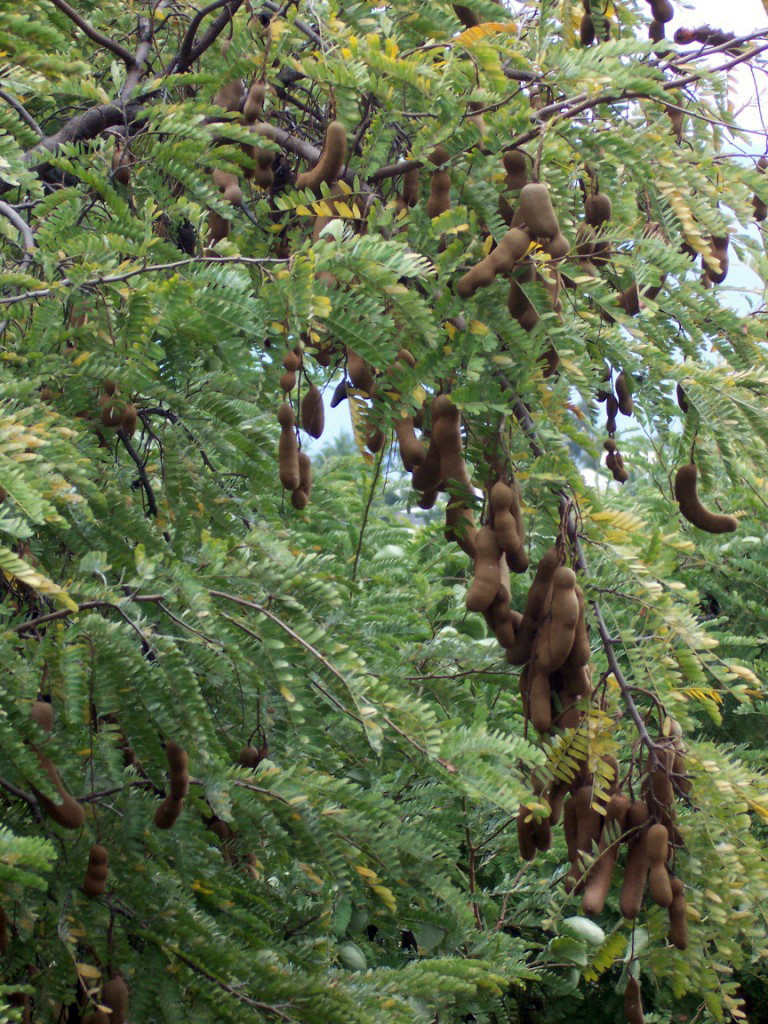
Tamarind, a leguminous tree native to tropical Africa and naturalized in Asia, has been a cornerstone of global cuisine and traditional medicine for centuries. With its sweet, tangy pulp, versatile wood, and valuable seed oil, tamarind has become a staple in many cultures, from Indian cuisine to Filipino cuisine. The tree's unique properties have also made it a subject of interest in traditional medicine, with potential applications in digestive health and beyond. As a testament to its importance, tamarind is now cultivated in tropical and subtropical zones worldwide, with countries like India and Thailand leading the way in production and export. With over 300,000 tons produced annually, tamarind has become a significant player in the global food and medicine market, with a projected growth rate of 10% per year. As research continues to uncover the full potential of this remarkable tree, its impact on global health, economy, and culture is likely to expand, with potential benefits for rural development and sustainable agriculture.
🌳 Origins & History
The tamarind tree has a rich history, with evidence of its cultivation dating back to ancient Egypt and China. The tree was highly valued for its fruit, which was used not only as a food source but also for its medicinal properties. In traditional Chinese medicine, tamarind was used to treat a variety of ailments, including fever and inflammation. Today, tamarind is cultivated in many parts of the world, with India being the largest producer, accounting for over 50% of global production. The tree's versatility has made it a staple in many cuisines, from Mexican cuisine to Southeast Asian cuisine.
🍴 How It's Used
Tamarind's unique flavor profile has made it a popular ingredient in many dishes, from curry to chutney. The pulp of the fruit is rich in vitamin C, potassium, and magnesium, making it a nutritious addition to a variety of meals. In Indian cuisine, tamarind is often used to add a sour flavor to dishes like sambar and rasam. In Mexican cuisine, tamarind is used to make a sweet and spicy salsa. The wood of the tamarind tree is also highly valued, with furniture making and wood carving being two of its most common uses. The seed oil extracted from the seeds has been shown to have potential health benefits, including reducing inflammation and improving heart health.
📊 Key Facts & Numbers
Tamarind is a significant crop, with over 300,000 tons produced annually. The tree is widely cultivated in tropical and subtropical zones, with India, Thailand, and Brazil being among the top producers. The global tamarind market is projected to grow at a rate of 10% per year, driven by increasing demand for the fruit and its products. In terms of nutrition, tamarind is an excellent source of fiber, protein, and minerals. It is also low in calories and sugar, making it a popular ingredient in health food products. The tree's wood is also highly valued, with a single tree capable of producing up to 100 cubic feet of timber. The seed oil extracted from the seeds has been shown to have a high antioxidant activity, making it a potential ingredient in cosmetics and pharmaceuticals.
👥 Key People & Organizations
Several key people and organizations have played a significant role in promoting the use of tamarind. In India, the National Institute of Nutrition has conducted extensive research on the nutritional benefits of tamarind. In Thailand, the Department of Agriculture has developed programs to promote the cultivation and export of tamarind. The Food and Agriculture Organization of the United Nations has also recognized the importance of tamarind as a crop, providing technical assistance and support to countries looking to develop their tamarind industries. Companies like Nestle and Unilever have also invested in tamarind-based products, recognizing the fruit's potential as a natural ingredient in food products.
🌍 Cultural Impact & Influence
Tamarind has had a significant impact on culture and cuisine around the world. In Indian cuisine, tamarind is a staple ingredient, used in a variety of dishes from curry to chutney. In Mexican cuisine, tamarind is used to make a sweet and spicy salsa. The tree's wood is also highly valued, with furniture making and wood carving being two of its most common uses. In Africa, tamarind is used in traditional medicine, with the fruit and leaves being used to treat a variety of ailments. The tree's seed oil has also been shown to have potential health benefits, including reducing inflammation and improving heart health.
⚡ Current State & Latest Developments
Today, tamarind is cultivated in many parts of the world, with India being the largest producer. The tree is widely used in traditional medicine, with the fruit and leaves being used to treat a variety of ailments. In modern medicine, tamarind has been shown to have potential health benefits, including reducing inflammation and improving heart health. The global tamarind market is projected to grow at a rate of 10% per year, driven by increasing demand for the fruit and its products. Companies like Nestle and Unilever have also invested in tamarind-based products, recognizing the fruit's potential as a natural ingredient in food products.
🤔 Controversies & Debates
Despite its many benefits, tamarind is not without controversy. In some parts of the world, the tree is considered an invasive species, with the potential to outcompete native vegetation. In Australia, for example, tamarind is considered a weed, with efforts being made to control its spread. The tree's wood is also highly valued, with deforestation being a significant concern in some parts of the world. The seed oil extracted from the seeds has also been shown to have potential environmental impacts, including water pollution and soil degradation.
🔮 Future Outlook & Predictions
Looking to the future, tamarind is likely to play an increasingly important role in global cuisine and traditional medicine. With its unique flavor profile and potential health benefits, the fruit is likely to become a staple in many more cuisines around the world. The tree's wood is also highly valued, with sustainable forestry practices being developed to ensure the long-term viability of the tree. The seed oil extracted from the seeds has also been shown to have potential applications in cosmetics and pharmaceuticals, with companies like L'Oreal and Pfizer investing in research and development. As research continues to uncover the full potential of this remarkable tree, its impact on global health, economy, and culture is likely to expand.
💡 Practical Applications
Tamarind has a wide range of practical applications, from food products to traditional medicine. The fruit is used in a variety of dishes, from curry to chutney. The tree's wood is also highly valued, with furniture making and wood carving being two of its most common uses. The seed oil extracted from the seeds has been shown to have potential health benefits, including reducing inflammation and improving heart health. In cosmetics, tamarind seed oil is used in skin care products, with its high antioxidant activity making it a popular ingredient.
Key Facts
- Year
- 2010
- Origin
- Tropical Africa
- Category
- nutrition
- Type
- plant
Frequently Asked Questions
What is tamarind?
Tamarind is a leguminous tree that produces a sweet, tangy fruit used in cuisine and traditional medicine around the world. The tree is native to tropical Africa and has been naturalized in Asia. It is a member of the Fabaceae family and is widely cultivated in tropical and subtropical zones. The fruit is rich in vitamin C, potassium, and magnesium, making it a nutritious addition to a variety of meals.
What are the health benefits of tamarind?
Tamarind has been shown to have potential health benefits, including reducing inflammation and improving heart health. The fruit is rich in antioxidants and has been used in traditional medicine to treat a variety of ailments, including fever and inflammation. The seed oil extracted from the seeds has also been shown to have potential health benefits, including reducing inflammation and improving heart health.
How is tamarind used in cuisine?
Tamarind is used in a variety of dishes around the world, from curry to chutney. The fruit is used to add a sour flavor to dishes, while the tree's wood is used in furniture making and wood carving. In Indian cuisine, tamarind is a staple ingredient, used in a variety of dishes from sambar to rasam.
What are the potential environmental impacts of tamarind cultivation?
The potential environmental impacts of large-scale tamarind cultivation include deforestation and water pollution. The tree's wood is highly valued, and unsustainable forestry practices can lead to the loss of native vegetation and the degradation of soil and water quality. However, sustainable forestry practices can help to mitigate these impacts and ensure the long-term viability of the tree.
What is the current state of tamarind research?
Research on tamarind is ongoing, with studies focusing on the tree's potential health benefits and its use in traditional medicine. The Food and Agriculture Organization of the United Nations has recognized the importance of tamarind as a crop, and is providing technical assistance and support to countries looking to develop their tamarind industries. Companies like Nestle and Unilever are also investing in research and development, recognizing the fruit's potential as a natural ingredient in food products.
What are the potential applications of tamarind in cosmetics and pharmaceuticals?
The seed oil extracted from the seeds of the tamarind tree has been shown to have potential applications in cosmetics and pharmaceuticals. The oil has high antioxidant activity, making it a popular ingredient in skin care products. It is also being researched for its potential use in wound healing and inflammation reduction.
How is tamarind used in traditional medicine?
Tamarind is used in traditional medicine to treat a variety of ailments, including fever and inflammation. The fruit and leaves of the tree are used to make decoctions and infusions, which are used to treat a range of health conditions. In Ayurvedic medicine, tamarind is used to balance the doshas and to treat digestive problems.