
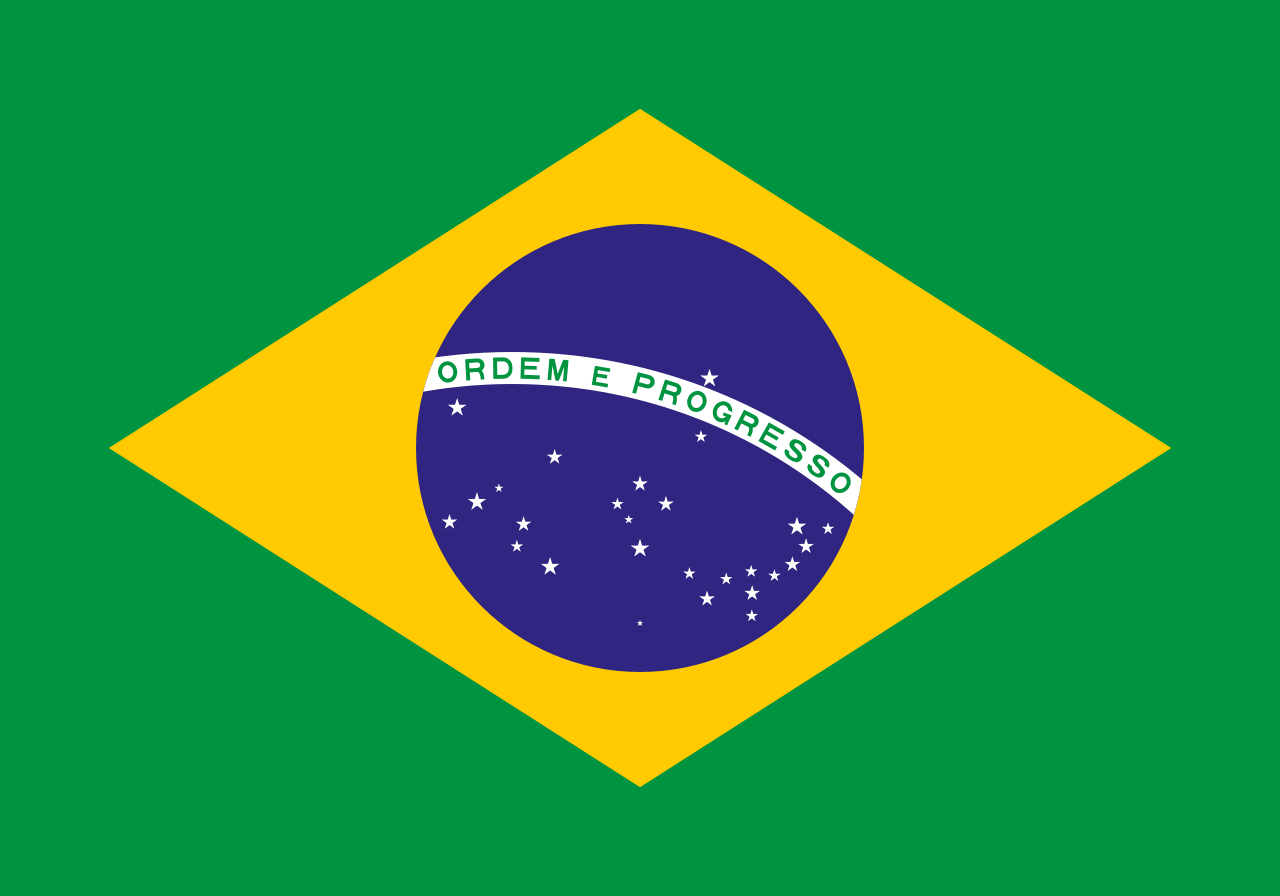
Contents
- 🌍 Introduction to Brazil
- 🏞️ Geography and Climate
- 🌴 Cultural Heritage
- 🕺 Music and Arts
- 🏛️ Politics and Government
- 📊 Economy and Demographics
- 🌟 Tourism and Travel
- 🏠 Regional Diversity
- 🌈 Cultural Festivals
- 🤝 International Relations
- 📚 History and Education
- 👥 Society and Lifestyle
- Frequently Asked Questions
- Related Topics
Overview
Brazil, with its vast territories encompassing the Amazon Rainforest, sprawling cities like Rio de Janeiro and São Paulo, and a population of over 212 million as of 2021, is a country of immense cultural, economic, and environmental significance. The nation's history, marked by colonialism, slavery, and immigration, has contributed to its unique cultural identity, reflected in its music, dance, and art. However, Brazil also faces significant challenges, including deforestation, corruption, and socioeconomic inequality, which have sparked intense debates and protests. The country's influence extends beyond its borders, with its music, particularly samba and bossa nova, and its football (soccer) legacy, inspiring fans worldwide. With a vibe score of 85, Brazil is known for its vibrant festivals, such as Carnival, which attracts millions of visitors each year. As the country looks to the future, it must balance its economic growth with environmental protection and social justice, making it a critical case study for sustainable development.
🌍 Introduction to Brazil
Brazil, officially the Federative Republic of Brazil, is the largest country in South America, covering an area of over 8.5 million square kilometers. With a population of over 213 million people, it is the seventh-most populous country in the world. The country is a federation composed of 26 states and a Federal District, which hosts the capital, Brasília. Its most populous city is São Paulo, followed by Rio de Janeiro. Brazil has the most Portuguese speakers in the world and is the only country in the Americas where Portuguese is an official language, as seen in the works of famous authors like Machado de Assis. The country's unique cultural identity is shaped by its indigenous, African, and European influences, making it a fascinating destination for tourists and scholars alike, who often visit the Amazon Rainforest and other natural wonders.
🏞️ Geography and Climate
Brazil's geography is characterized by its vast and diverse landscapes, including the Amazon Rainforest, the Pantanal wetlands, and the Atlantic Forest. The country's climate varies from tropical in the north to temperate in the south, with a range of ecosystems that support an incredible array of plant and animal species. The Amazon River is the largest river in the world by discharge volume, and the country's coastline stretches for over 7,000 kilometers. Brazil's geography has played a significant role in shaping its culture and economy, with many cities and towns developed around natural resources like coffee and soybeans. The country's natural beauty is also a major draw for tourists, who come to visit the Iguazu Falls and other stunning attractions.
🌴 Cultural Heritage
Brazil's cultural heritage is a rich and vibrant tapestry of indigenous, African, and European influences. The country is home to many famous cultural festivals, including the Carnival in Rio de Janeiro and the Festa do Divino in Paraty. Brazilian music and dance, such as samba and bossa nova, are known and loved around the world. The country's cuisine is also a reflection of its cultural diversity, with popular dishes like feijoada and churrasco. Brazil's cultural identity is deeply rooted in its history and traditions, as seen in the works of famous artists like Os Gêmeos and Tarsila do Amaral. The country's cultural institutions, such as the Museu Nacional de Belas Artes, are also worth visiting.
🕺 Music and Arts
Brazil's music and arts scene is thriving, with a wide range of styles and genres. The country is famous for its samba music and dance, which originated in the Afro-Brazilian communities of Rio de Janeiro. Other popular styles include bossa nova, forró, and axé. Brazilian artists, such as Antonio Carlos Jobim and Astrud Gilberto, have gained international recognition for their contributions to music. The country's visual arts scene is also vibrant, with many famous artists like Os Gêmeos and Tarsila do Amaral making significant contributions to the global art world. The Rio de Janeiro Carnival is a major event that showcases the country's music, dance, and art.
🏛️ Politics and Government
Brazil's politics and government are characterized by a federal system, with a president serving as head of state and government. The country has a multi-party system, with several major parties competing for power. The Worker's Party and the Brazilian Social Democracy Party are two of the most prominent parties. Brazil's government has faced several challenges in recent years, including corruption scandals and economic instability. The country has also played a significant role in regional and international affairs, as a member of the United Nations and the Mercosur trading bloc. The Brazilian Constitution is the foundation of the country's laws and institutions.
📊 Economy and Demographics
Brazil's economy is the largest in South America, with a diverse range of industries, including agriculture, mining, and manufacturing. The country is a major producer of coffee, soybeans, and iron ore. Brazil's economy has experienced significant growth in recent years, driven by foreign investment and domestic consumption. However, the country still faces challenges, such as income inequality and corruption. The Brazilian real is the country's currency, and the Central Bank of Brazil is responsible for monetary policy. The country's economic institutions, such as the Brazilian Institute of Geography and Statistics, play a crucial role in shaping the country's economic policies.
🌟 Tourism and Travel
Brazil is a popular tourist destination, with a wide range of attractions and activities. The country's natural beauty, including the Amazon Rainforest and the Iguazu Falls, is a major draw for visitors. The country's cultural festivals, such as the Carnival in Rio de Janeiro, are also a significant attraction. Brazil's cities, such as Rio de Janeiro and São Paulo, offer a vibrant cultural scene, with many museums, galleries, and performance venues. The country's cuisine is also a reflection of its cultural diversity, with popular dishes like feijoada and churrasco. The Brazilian Tourism Board is responsible for promoting the country's tourism industry.
🏠 Regional Diversity
Brazil is a country of great regional diversity, with different regions having distinct cultural, economic, and geographical characteristics. The Northeast Region is known for its rich cultural heritage, including the Carnival in Salvador. The Southeast Region is the most populous and economically developed region, with major cities like São Paulo and Rio de Janeiro. The South Region is known for its European-influenced culture and stunning natural beauty, including the Iguazu Falls. The North Region is home to the Amazon Rainforest and is a major center for mining and agriculture. The Central-West Region is a major agricultural producer and is home to the country's capital, Brasília.
🌈 Cultural Festivals
Brazil's cultural festivals are a major part of the country's cultural identity. The Carnival in Rio de Janeiro is one of the most famous festivals in the world, with millions of people attending each year. Other popular festivals include the Festa do Divino in Paraty and the Festa de Ixtlan in São Paulo. Brazil's festivals are known for their vibrant music, dance, and costumes, and are a major draw for tourists. The country's cultural institutions, such as the National Museum of Folklore, play a significant role in promoting and preserving the country's cultural heritage. The Brazilian Culture Ministry is responsible for supporting the country's cultural festivals and events.
🤝 International Relations
Brazil's international relations are an important aspect of the country's foreign policy. The country is a member of several international organizations, including the United Nations and the Mercosur trading bloc. Brazil has also played a significant role in regional affairs, including the South American integration process. The country has a long-standing relationship with its neighbors, including Argentina and Uruguay. Brazil's international relations are shaped by its cultural and economic ties with other countries, as well as its commitment to promoting peace and stability in the region. The Brazilian Foreign Ministry is responsible for shaping the country's foreign policy and promoting its interests abroad.
📚 History and Education
Brazil's history and education are closely tied to its cultural identity. The country has a rich history, with many significant events and figures, including the Portuguese colonization and the abolition of slavery. Brazil's education system is highly developed, with many world-class universities, including the University of São Paulo and the Federal University of Rio de Janeiro. The country's cultural institutions, such as the National Library of Brazil, play a significant role in promoting and preserving the country's cultural heritage. The Brazilian Education Ministry is responsible for shaping the country's education policy and promoting access to education for all.
👥 Society and Lifestyle
Brazil's society and lifestyle are shaped by its cultural diversity and economic development. The country has a vibrant cultural scene, with many museums, galleries, and performance venues. Brazil's cuisine is also a reflection of its cultural diversity, with popular dishes like feijoada and churrasco. The country's lifestyle is also influenced by its tropical climate, with many people enjoying outdoor activities like beach volleyball and surfing. Brazil's social institutions, such as the Brazilian Institute of Geography and Statistics, play a significant role in shaping the country's social policies and promoting social development. The Brazilian Social Welfare Ministry is responsible for promoting social welfare and reducing poverty and inequality.
Key Facts
- Year
- 2023
- Origin
- South America
- Category
- Geography, Culture, Politics
- Type
- Country
Frequently Asked Questions
What is the capital of Brazil?
The capital of Brazil is Brasília, which is located in the Federal District. The city was designed by Oscar Niemeyer and Lúcio Costa and is known for its modernist architecture. Brasília is a major cultural and economic center, with many museums, galleries, and performance venues. The city is also home to the National Congress of Brazil and the Supreme Federal Court.
What is the largest city in Brazil?
The largest city in Brazil is São Paulo, which is located in the Southeast Region. The city is a major economic and cultural center, with many museums, galleries, and performance venues. São Paulo is known for its vibrant cultural scene, with many festivals and events throughout the year, including the São Paulo Carnival. The city is also home to the University of São Paulo and the São Paulo State Museum.
What is the official language of Brazil?
The official language of Brazil is Portuguese, which is spoken by the vast majority of the population. Brazil is the only country in the Americas where Portuguese is an official language. The country's language is a reflection of its cultural diversity, with many indigenous and African influences. The Brazilian Portuguese dialect is distinct from the European Portuguese dialect, with many unique words and expressions.
What is the main religion in Brazil?
The main religion in Brazil is Roman Catholicism, which is practiced by the majority of the population. However, the country is also home to many other religions, including Protestantism, Spiritism, and Afro-Brazilian religions. The country's religious diversity is a reflection of its cultural diversity, with many different faiths and traditions. The Catholic Church in Brazil is a significant institution, with many churches, cathedrals, and monasteries throughout the country.
What is the currency of Brazil?
The currency of Brazil is the Brazilian real, which is abbreviated as BRL. The real is divided into 100 centavos, and is available in denominations of 1, 5, 10, 20, 50, and 100 reais. The Central Bank of Brazil is responsible for monetary policy and regulating the financial system. The country's currency is a significant aspect of its economy, with many businesses and individuals using the real for transactions.