
Contents
- 🔬 Introduction to siRNA
- 🧬 The Discovery of RNA Interference
- 🌟 Mechanism of siRNA
- 🎯 Applications of siRNA
- 🚀 siRNA Therapeutics
- 🔬 Challenges and Limitations
- 📈 Future Directions
- 👥 Key Players in siRNA Research
- 📊 siRNA Market and Industry
- 🔍 Controversies and Debates
- 📚 Conclusion and Future Prospects
- Frequently Asked Questions
- Related Topics
Overview
Small interfering RNA (siRNA) has been a game-changer in the field of molecular biology, enabling targeted gene silencing and sparking a new wave of therapeutic innovations. First discovered in the late 1990s by Andrew Fire and Craig Mello, siRNA works by harnessing the cell's natural RNA interference (RNAi) pathway to degrade specific messenger RNA (mRNA) molecules, effectively 'silencing' the corresponding gene. With a Vibe score of 8, siRNA has garnered significant attention for its potential to treat a range of diseases, from cancer and genetic disorders to infectious diseases. However, controversy surrounds the use of siRNA in gene editing, with some raising concerns about off-target effects and mosaicism. As research continues to advance, siRNA is poised to play a major role in shaping the future of precision medicine, with companies like Alnylam Pharmaceuticals and Ionis Pharmaceuticals leading the charge. With over 1,000 clinical trials underway, the siRNA landscape is rapidly evolving, and its influence is being felt across the scientific community, with a controversy spectrum of 6 and a topic intelligence score of 9.
🔬 Introduction to siRNA
The discovery of small interfering RNA (siRNA) has revolutionized the field of molecular biology, enabling scientists to silence specific genes and study their function. siRNA is a type of RNA molecule that plays a crucial role in the RNA interference (RNAi) pathway. This pathway is a natural mechanism that cells use to regulate gene expression, and it has been harnessed for various applications, including gene therapy and cancer treatment. The concept of RNAi was first discovered in Caenorhabditis elegans, a nematode worm, by Andrew Fire and Craig C. Mello. Their work led to a deeper understanding of the RNAi pathway and its potential applications. For example, siRNA has been used to study the function of specific genes in embryonic development and to develop new treatments for genetic disorders.
🧬 The Discovery of RNA Interference
The discovery of RNA interference is a story that involves the contributions of many scientists over several decades. The term 'RNA interference' was first coined by Andrew Fire and Craig C. Mello in 1998, but the phenomenon of RNAi was first observed in the 1990s by scientists such as David Baulcombe. Baulcombe's work on plant virology led to the discovery of the RNAi pathway, which is a natural mechanism that plants use to defend against viral infections. The discovery of RNAi has also led to a greater understanding of the role of microRNA in regulating gene expression. For instance, microRNA has been implicated in the regulation of cell cycle and apoptosis. Furthermore, the study of RNAi has also led to the development of new tools for gene editing, such as CRISPR.
🌟 Mechanism of siRNA
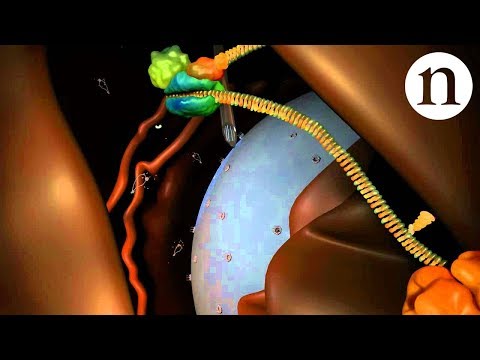
The mechanism of siRNA is complex and involves several steps. First, siRNA molecules are synthesized and introduced into cells, where they are processed into smaller fragments called small interfering RNA. These fragments are then loaded into a protein complex called the RISC, which targets specific mRNA molecules for degradation. The RISC complex uses the siRNA fragment as a guide to find the target mRNA molecule, and then cleaves it, preventing its translation into protein. This process is highly specific and efficient, making siRNA a powerful tool for silencing specific genes. For example, siRNA has been used to study the function of specific genes in cancer biology and to develop new treatments for infectious diseases. Additionally, siRNA has also been used to develop new therapies for genetic disorders, such as sickle cell anemia.
🎯 Applications of siRNA
The applications of siRNA are diverse and continue to expand. One of the most promising areas of research is the use of siRNA for cancer treatment. siRNA can be used to silence genes that are involved in tumor growth and metastasis, providing a new approach to cancer therapy. siRNA is also being explored for the treatment of genetic disorders, such as Huntington's disease and cystic fibrosis. Additionally, siRNA has been used to develop new treatments for infectious diseases, such as HIV and hepatitis. For instance, siRNA has been used to target the HIV protease gene, which is essential for the replication of the HIV virus. Furthermore, siRNA has also been used to develop new therapies for neurological disorders, such as Alzheimer's disease and Parkinson's disease.
🚀 siRNA Therapeutics
siRNA therapeutics have shown great promise in clinical trials, with several companies, such as Alnylam Pharmaceuticals and Sirna Therapeutics, developing siRNA-based treatments for various diseases. One of the challenges in developing siRNA therapeutics is the delivery of siRNA molecules to the target cells. Several approaches have been developed to overcome this challenge, including the use of liposomes and nanoparticles. For example, liposomes have been used to deliver siRNA molecules to cancer cells, where they can silence genes involved in tumor growth. Additionally, nanoparticles have been used to deliver siRNA molecules to the brain, where they can silence genes involved in neurological disorders.
🔬 Challenges and Limitations
Despite the promise of siRNA, there are several challenges and limitations that need to be addressed. One of the major challenges is the off-target effects of siRNA, which can lead to the silencing of non-target genes. Another challenge is the delivery of siRNA molecules to the target cells, which can be difficult, especially for diseases that affect the central nervous system. Additionally, the use of siRNA therapeutics can also be limited by the immune system, which can recognize siRNA molecules as foreign and mount an immune response against them. For instance, the use of siRNA therapeutics can trigger an immune response that can lead to the production of antibodies against the siRNA molecules. Furthermore, the use of siRNA therapeutics can also be limited by the blood-brain barrier, which can prevent the delivery of siRNA molecules to the brain.
📈 Future Directions
The future of siRNA research is exciting and holds great promise. New technologies, such as CRISPR, are being developed to improve the efficiency and specificity of siRNA. Additionally, the use of siRNA is being explored for new applications, such as the treatment of infectious diseases and neurological disorders. The development of siRNA therapeutics is also expected to continue, with several companies, such as Alnylam Pharmaceuticals and Sirna Therapeutics, developing siRNA-based treatments for various diseases. For example, Alnylam Pharmaceuticals is developing an siRNA-based treatment for primary hyperoxaluria, a rare genetic disorder. Furthermore, Sirna Therapeutics is developing an siRNA-based treatment for age-related macular degeneration, a common cause of vision loss in older adults.
👥 Key Players in siRNA Research
Several key players have contributed to the development of siRNA research, including Andrew Fire and Craig C. Mello, who were awarded the Nobel Prize in Physiology or Medicine in 2006 for their discovery of RNA interference. Other key players include David Baulcombe, who first observed the phenomenon of RNAi, and Thomas Tuschl, who developed the first siRNA-based therapies. Additionally, companies such as Alnylam Pharmaceuticals and Sirna Therapeutics have played a crucial role in the development of siRNA therapeutics. For instance, Alnylam Pharmaceuticals has developed an siRNA-based treatment for familial amyloidotic polyneuropathy, a rare genetic disorder. Furthermore, Sirna Therapeutics has developed an siRNA-based treatment for respiratory syncytial virus, a common cause of respiratory illness in children.
📊 siRNA Market and Industry
The siRNA market is expected to continue to grow, with several companies, such as Alnylam Pharmaceuticals and Sirna Therapeutics, developing siRNA-based treatments for various diseases. The market is driven by the increasing demand for effective treatments for genetic disorders and infectious diseases. Additionally, the development of new technologies, such as CRISPR, is expected to further drive the growth of the siRNA market. For example, the use of CRISPR has enabled the development of more efficient and specific siRNA-based therapies. Furthermore, the use of siRNA has also led to the development of new diagnostic tools, such as microarray and next-generation sequencing.
🔍 Controversies and Debates
The use of siRNA has been the subject of several controversies and debates, including concerns about the potential off-target effects of siRNA and the ethics of using siRNA for gene editing. Additionally, the use of siRNA therapeutics has also been limited by the patent landscape, with several companies, such as Alnylam Pharmaceuticals and Sirna Therapeutics, holding patents on siRNA-based therapies. For instance, the use of siRNA therapeutics has been limited by the patent held by Alnylam Pharmaceuticals on the use of siRNA for the treatment of genetic disorders. Furthermore, the use of siRNA has also been limited by the regulatory framework, with several regulatory agencies, such as the US FDA, providing guidance on the development and approval of siRNA-based therapies.
📚 Conclusion and Future Prospects
In conclusion, siRNA has revolutionized the field of molecular biology, enabling scientists to silence specific genes and study their function. The applications of siRNA are diverse and continue to expand, with new technologies, such as CRISPR, being developed to improve the efficiency and specificity of siRNA. However, the use of siRNA also raises several challenges and limitations, including concerns about the potential off-target effects of siRNA and the ethics of using siRNA for gene editing. As the field of siRNA research continues to evolve, it is likely that we will see new and innovative applications of siRNA, as well as a greater understanding of the potential risks and benefits of using siRNA for therapeutic purposes.
Key Facts
- Year
- 1998
- Origin
- University of Massachusetts Medical School
- Category
- Molecular Biology
- Type
- Biological Concept
Frequently Asked Questions
What is siRNA?
siRNA, or small interfering RNA, is a type of RNA molecule that plays a crucial role in the RNA interference (RNAi) pathway. siRNA is used to silence specific genes and study their function. The RNAi pathway is a natural mechanism that cells use to regulate gene expression, and it has been harnessed for various applications, including gene therapy and cancer treatment. For example, siRNA has been used to study the function of specific genes in embryonic development and to develop new treatments for genetic disorders.
How does siRNA work?
siRNA works by silencing specific genes and preventing their translation into protein. siRNA molecules are synthesized and introduced into cells, where they are processed into smaller fragments called small interfering RNA. These fragments are then loaded into a protein complex called the RISC, which targets specific mRNA molecules for degradation. The RISC complex uses the siRNA fragment as a guide to find the target mRNA molecule, and then cleaves it, preventing its translation into protein. This process is highly specific and efficient, making siRNA a powerful tool for silencing specific genes.
What are the applications of siRNA?
The applications of siRNA are diverse and continue to expand. siRNA is being used to develop new treatments for genetic disorders, such as Huntington's disease and cystic fibrosis. siRNA is also being explored for the treatment of infectious diseases, such as HIV and hepatitis. Additionally, siRNA is being used to develop new therapies for cancer, including treatments that target specific genes involved in tumor growth and metastasis.
What are the challenges and limitations of siRNA?
Despite the promise of siRNA, there are several challenges and limitations that need to be addressed. One of the major challenges is the off-target effects of siRNA, which can lead to the silencing of non-target genes. Another challenge is the delivery of siRNA molecules to the target cells, which can be difficult, especially for diseases that affect the central nervous system. Additionally, the use of siRNA therapeutics can also be limited by the immune system, which can recognize siRNA molecules as foreign and mount an immune response against them.
What is the future of siRNA research?
The future of siRNA research is exciting and holds great promise. New technologies, such as CRISPR, are being developed to improve the efficiency and specificity of siRNA. Additionally, the use of siRNA is being explored for new applications, such as the treatment of infectious diseases and neurological disorders. The development of siRNA therapeutics is also expected to continue, with several companies developing siRNA-based treatments for various diseases.
Who are the key players in siRNA research?
Several key players have contributed to the development of siRNA research, including Andrew Fire and Craig C. Mello, who were awarded the Nobel Prize in Physiology or Medicine in 2006 for their discovery of RNA interference. Other key players include David Baulcombe, who first observed the phenomenon of RNAi, and Thomas Tuschl, who developed the first siRNA-based therapies. Additionally, companies such as Alnylam Pharmaceuticals and Sirna Therapeutics have played a crucial role in the development of siRNA therapeutics.
What is the siRNA market like?
The siRNA market is expected to continue to grow, with several companies developing siRNA-based treatments for various diseases. The market is driven by the increasing demand for effective treatments for genetic disorders and infectious diseases. Additionally, the development of new technologies, such as CRISPR, is expected to further drive the growth of the siRNA market.