
Contents
- 🌎 Global Burden and Epidemiology
- 🧬 Viral Hepatitis: Types and Transmission
- 🏥 Prevention and Management Strategies
- 👥 Key People and Organizations in Hepatitis Research
- 🌈 Cultural Impact and Stigma
- 📊 Current State and Latest Developments
- 🤝 Controversies and Debates in Hepatitis Treatment
- 🔮 Future Outlook and Predictions
- 💡 Practical Applications and Community Resources
- 📚 Related Topics and Deeper Reading
- Frequently Asked Questions
- References
- Related Topics
Overview
Hepatitis is a significant public health concern. The global burden of hepatitis is further complicated by the existence of different types, including hepatitis A, B, C, D, and E, each with its unique transmission modes and prevention strategies. For instance, hepatitis A and E are primarily spread through contaminated food and water, while hepatitis B and C are often transmitted through blood and bodily fluids. Understanding the epidemiology of hepatitis is crucial for developing effective prevention and management plans, as seen in the work of Centers for Disease Control and Prevention and World Health Organization.
🏥 Prevention and Management Strategies
Prevention and management of hepatitis involve a combination of strategies, including vaccination, screening, and treatment. Vaccines are available for hepatitis A and B, and screening for hepatitis B and C can help identify individuals who are chronically infected. Treatment for chronic hepatitis B and C typically involves antiviral medications, which can help reduce the risk of liver damage and cancer. Additionally, lifestyle modifications, such as avoiding alcohol and maintaining a healthy weight, can help manage hepatitis and reduce the risk of complications. Organizations like Liver Foundation provide resources and support for individuals living with hepatitis.
👥 Key People and Organizations in Hepatitis Research
Key people and organizations in hepatitis research have made significant contributions to our understanding of the disease and its prevention. Organizations like the National Institutes of Health and the World Gastroenterology Organisation have also played a crucial role in promoting research and education on hepatitis.
🌈 Cultural Impact and Stigma
The cultural impact of hepatitis is significant, with stigma and discrimination often affecting individuals living with the disease. Education and awareness campaigns can help reduce stigma and promote a better understanding of hepatitis. Community-based initiatives, such as those led by Hepatitis Foundation International, also play a vital role in supporting individuals affected by hepatitis.
📊 Current State and Latest Developments
The current state of hepatitis prevention and management is rapidly evolving, with new treatments and technologies being developed. For example, direct-acting antivirals (DAAs) have revolutionized the treatment of hepatitis C, offering high cure rates and shorter treatment durations. However, challenges remain, including access to care and the high cost of treatments. Ongoing research and development, as seen in the work of Gilead Sciences and AbbVie, are critical to addressing these challenges and improving outcomes for individuals living with hepatitis.
🤝 Controversies and Debates in Hepatitis Treatment
Controversies and debates in hepatitis treatment exist, particularly regarding the high cost of medications and access to care. Some argue that the cost of treatments is a significant barrier to care, while others argue that the benefits of treatment outweigh the costs. For example, the Medicines Patent Pool has been established to improve access to affordable hepatitis treatments. The World Health Organization has also taken steps to address these issues, including the development of guidelines for the treatment of hepatitis B and C.
🔮 Future Outlook and Predictions
The future outlook for hepatitis prevention and management is promising, with ongoing research and development aimed at improving treatment options and reducing the global burden of the disease. For instance, the development of new vaccines and treatments, such as those targeting hepatitis D, is underway. Additionally, efforts to improve access to care and reduce stigma are critical to promoting healthier communities. Organizations like Global Hepatitis Programme are working towards these goals, and their efforts will be crucial in shaping the future of hepatitis prevention and management.
💡 Practical Applications and Community Resources
Practical applications and community resources are essential for supporting individuals living with hepatitis. For example, the Hepatitis C Support Group provides a platform for individuals to share their experiences and connect with others. Community-based initiatives, such as those led by Liver Disease Education Program, also offer education and support for individuals affected by hepatitis. By leveraging these resources and promoting community engagement, we can work towards reducing the incidence of hepatitis and improving outcomes for those affected.
Key Facts
- Year
- 2022
- Origin
- Global
- Category
- public-health
- Type
- topic
Frequently Asked Questions
What is hepatitis?
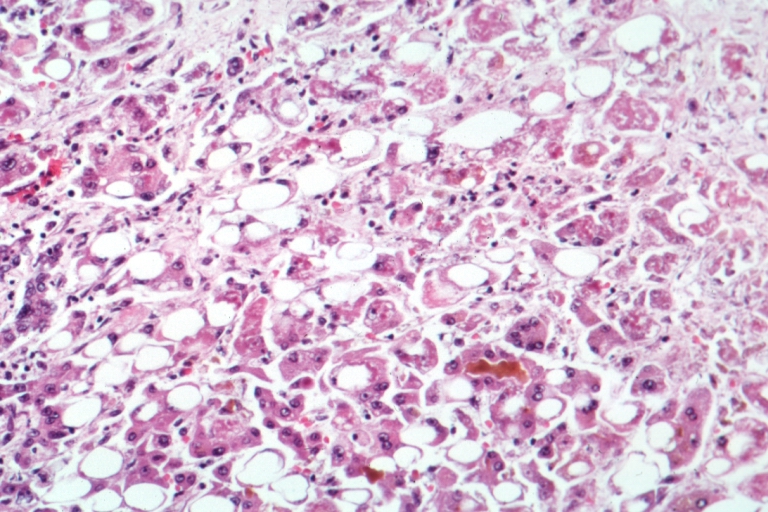
Hepatitis is the inflammation of liver tissue, which can be caused by viral infections, alcohol use, and other factors. Hepatitis can be acute or chronic, and its symptoms can range from mild to severe. Understanding the causes, prevention, and management of hepatitis is crucial for promoting public health and reducing the global burden of the disease.
How is hepatitis transmitted?
Hepatitis can be transmitted through various routes, including contaminated food and water, blood transfusions, and sexual contact. For example, hepatitis A and E are primarily spread through contaminated food and water, while hepatitis B and C are often transmitted through blood and bodily fluids. Education and awareness campaigns can help prevent the spread of hepatitis by promoting safe practices and behaviors.