
Contents
- 🏥 Introduction to Physicians
- 👨⚕️ The Role of Physicians in Healthcare
- 💊 Diagnosis and Treatment
- 📚 Medical Education and Training
- 🏥 Physician Specializations
- 👥 The Physician-Patient Relationship
- 🤝 Interprofessional Collaboration
- 📊 The Future of Physician Practice
- 🌎 Global Health and Physicians
- 📈 Physician Shortages and Challenges
- 🏆 Physician Burnout and Well-being
- Frequently Asked Questions
- Related Topics
Overview
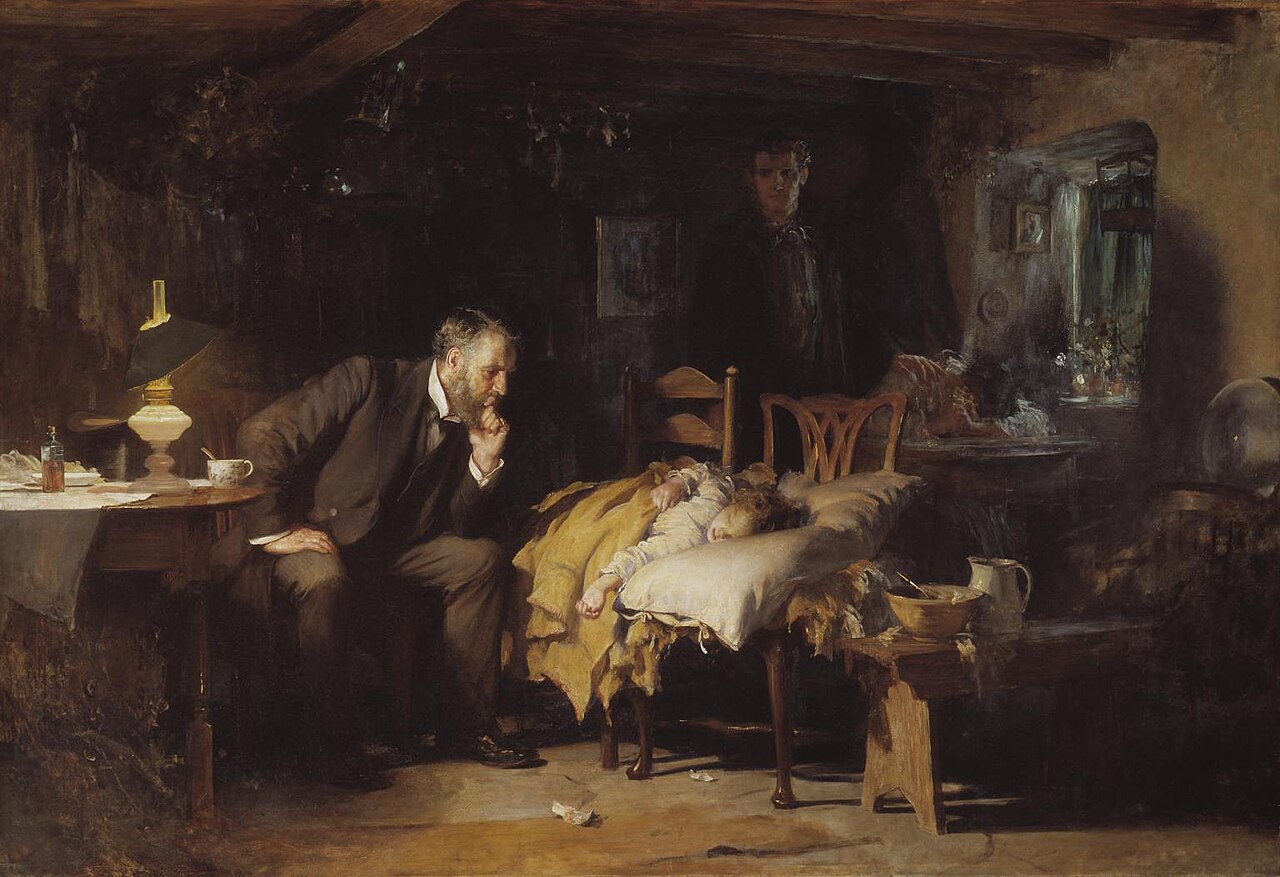
Physicians, with a history dating back to ancient civilizations such as Egypt and Greece, have been the cornerstone of healthcare systems worldwide. The role of a physician has evolved significantly over time, from the early days of Hippocrates (460-370 BCE) to the current era of advanced medical technology and personalized medicine. Today, physicians face numerous challenges, including the COVID-19 pandemic, which has highlighted the importance of their work and the need for innovative solutions in healthcare. With a vibe score of 8, reflecting their high cultural energy and respect, physicians continue to be at the forefront of medical advancements. The influence of technological advancements, such as AI and telemedicine, is expected to reshape the profession, with both optimistic and pessimistic viewpoints on its impact. As the healthcare landscape continues to evolve, the future of physicians will be marked by increased emphasis on preventive care, precision medicine, and global health initiatives, with entities like the World Health Organization (WHO) playing a crucial role in shaping these efforts.
🏥 Introduction to Physicians
Physicians, also known as medical doctors or medical practitioners, are healthcare professionals who practice medicine to promote, maintain, or restore health. The primary goal of physicians is to diagnose, treat, and prevent diseases, injuries, and other physical and mental conditions. Physicians work in a variety of settings, including hospitals, clinics, and private practices. They often work with other healthcare professionals, such as nurses and therapists, to provide comprehensive care to their patients. Physicians must complete a significant amount of education and training to become licensed to practice medicine. They must also stay up-to-date with the latest medical research and technologies to provide the best possible care for their patients. For more information on the education and training of physicians, see medical school.
👨⚕️ The Role of Physicians in Healthcare
The role of physicians in healthcare is multifaceted and critical. Physicians are responsible for diagnosing and treating patients, as well as providing preventive care and health education. They must also communicate effectively with their patients and other healthcare professionals to ensure that patients receive the best possible care. Physicians often work in teams with other healthcare professionals to provide comprehensive care to their patients. They may also be involved in research and education to advance the field of medicine and improve patient outcomes. For more information on the role of physicians in healthcare, see healthcare system. Physicians often specialize in a particular area of medicine, such as cardiology or pediatrics.
💊 Diagnosis and Treatment
Diagnosis and treatment are critical components of a physician's role. Physicians use a variety of techniques, including physical examinations and medical imaging, to diagnose patients. They must also stay up-to-date with the latest medical research and technologies to provide the best possible care for their patients. Physicians often work with other healthcare professionals, such as pharmacists and therapists, to develop treatment plans for their patients. For more information on diagnosis and treatment, see medical diagnosis. Physicians must also consider the psychological and social factors that may be affecting their patients' health. They may work with psychologists or social workers to provide comprehensive care to their patients.
📚 Medical Education and Training
Medical education and training are essential for physicians. Physicians must complete a significant amount of education and training to become licensed to practice medicine. They typically complete a bachelor's degree in a science-related field, followed by four years of medical school. After medical school, physicians must complete a residency program, which can last from three to seven years. For more information on medical education and training, see medical education. Physicians must also stay up-to-date with the latest medical research and technologies to provide the best possible care for their patients. They may attend conferences and workshops to stay current with the latest developments in their field.
🏥 Physician Specializations
Physician specializations are numerous and varied. Physicians may specialize in a particular area of medicine, such as oncology or neurology. They may also specialize in a particular age group, such as pediatrics or geriatrics. For more information on physician specializations, see medical specialty. Physicians often work in teams with other healthcare professionals to provide comprehensive care to their patients. They may work with nurse practitioners or physician assistants to provide primary care to their patients.
👥 The Physician-Patient Relationship
The physician-patient relationship is critical to providing high-quality care. Physicians must communicate effectively with their patients to understand their needs and concerns. They must also be empathetic and compassionate, and provide emotional support to their patients when needed. For more information on the physician-patient relationship, see patient-centered care. Physicians often work with other healthcare professionals, such as social workers or psychologists, to provide comprehensive care to their patients. They may also work with patient advocates to ensure that patients' rights are respected.
🤝 Interprofessional Collaboration
Interprofessional collaboration is essential for providing high-quality care. Physicians often work in teams with other healthcare professionals, such as nurses and therapists, to provide comprehensive care to their patients. They must communicate effectively with each other to ensure that patients receive the best possible care. For more information on interprofessional collaboration, see interprofessional education. Physicians may also work with pharmacists or dietitians to develop treatment plans for their patients.
📊 The Future of Physician Practice
The future of physician practice is likely to be shaped by a variety of factors, including advances in medical technology and changes in the healthcare system. Physicians must stay up-to-date with the latest medical research and technologies to provide the best possible care for their patients. They may also need to adapt to changes in the healthcare system, such as the increasing use of telemedicine. For more information on the future of physician practice, see healthcare reform. Physicians may also need to work with other healthcare professionals, such as health informaticists, to develop new technologies and systems to improve patient care.
🌎 Global Health and Physicians
Global health and physicians are closely linked. Physicians often work in international settings, such as missions or humanitarian organizations, to provide care to patients in need. They may also work with global health organizations to develop programs and policies to improve health outcomes worldwide. For more information on global health and physicians, see global health. Physicians may also work with governments or non-governmental organizations to develop health policies and programs.
📈 Physician Shortages and Challenges
Physician shortages and challenges are significant concerns in many countries. Physicians may face a variety of challenges, including burnout and stress, which can affect their ability to provide high-quality care. For more information on physician shortages and challenges, see physician shortage. Physicians may also face challenges related to access to care, such as health disparities or rural health issues.
🏆 Physician Burnout and Well-being
Physician burnout and well-being are critical concerns. Physicians often work long hours and face high levels of stress, which can affect their physical and mental health. For more information on physician burnout and well-being, see physician well-being. Physicians may also face challenges related to work-life balance or self-care. They may need to work with other healthcare professionals, such as mental health professionals, to develop strategies to manage stress and promote well-being.
Key Facts
- Year
- 2023
- Origin
- Ancient Civilizations
- Category
- Healthcare Professionals
- Type
- Profession
Frequently Asked Questions
What is the role of physicians in healthcare?
Physicians are healthcare professionals who practice medicine to promote, maintain, or restore health. They diagnose, treat, and prevent diseases, injuries, and other physical and mental conditions. Physicians work in a variety of settings, including hospitals, clinics, and private practices. They often work with other healthcare professionals, such as nurses and therapists, to provide comprehensive care to their patients. For more information on the role of physicians in healthcare, see healthcare system.
What is the difference between a physician and a surgeon?
A physician is a healthcare professional who practices medicine to promote, maintain, or restore health. A surgeon is a type of physician who specializes in surgical procedures to diagnose and treat diseases, injuries, and other conditions. Surgeons often work in hospitals or surgical centers and may work with other healthcare professionals, such as anesthesiologists or nurses, to provide care to their patients. For more information on surgeons, see surgery.
How do physicians stay current with the latest medical research and technologies?
Physicians often attend conferences and workshops to stay current with the latest developments in their field. They may also read medical journals or participate in online forums to stay up-to-date with the latest research and technologies. For more information on how physicians stay current, see medical education. Physicians may also work with other healthcare professionals, such as health informaticists, to develop new technologies and systems to improve patient care.
What are some common specializations for physicians?
Physicians may specialize in a particular area of medicine, such as oncology or neurology. They may also specialize in a particular age group, such as pediatrics or geriatrics. For more information on physician specializations, see medical specialty. Physicians often work in teams with other healthcare professionals to provide comprehensive care to their patients.
How do physicians communicate with their patients?
Physicians must communicate effectively with their patients to understand their needs and concerns. They must also be empathetic and compassionate, and provide emotional support to their patients when needed. For more information on physician-patient communication, see patient-centered care. Physicians may also work with other healthcare professionals, such as social workers or psychologists, to provide comprehensive care to their patients.
What are some challenges faced by physicians?
Physicians may face a variety of challenges, including burnout and stress, which can affect their ability to provide high-quality care. They may also face challenges related to access to care, such as health disparities or rural health issues. For more information on challenges faced by physicians, see physician shortage. Physicians may also face challenges related to work-life balance or self-care.
How can physicians promote their own well-being?
Physicians can promote their own well-being by prioritizing self-care and stress management. They may work with other healthcare professionals, such as mental health professionals, to develop strategies to manage stress and promote well-being. For more information on physician well-being, see physician well-being. Physicians may also need to work with other healthcare professionals, such as health coaches, to develop healthy habits and lifestyles.