
Contents
- 🎯 Origins & History
- ⚙️ How It Works
- 📊 Key Facts & Numbers
- 👥 Key People & Organizations
- 🌍 Cultural Impact & Influence
- ⚡ Current State & Latest Developments
- 🤔 Controversies & Debates
- 🔮 Future Outlook & Predictions
- 💡 Practical Applications
- 📚 Related Topics & Deeper Reading
- Frequently Asked Questions
- References
- Related Topics
Overview
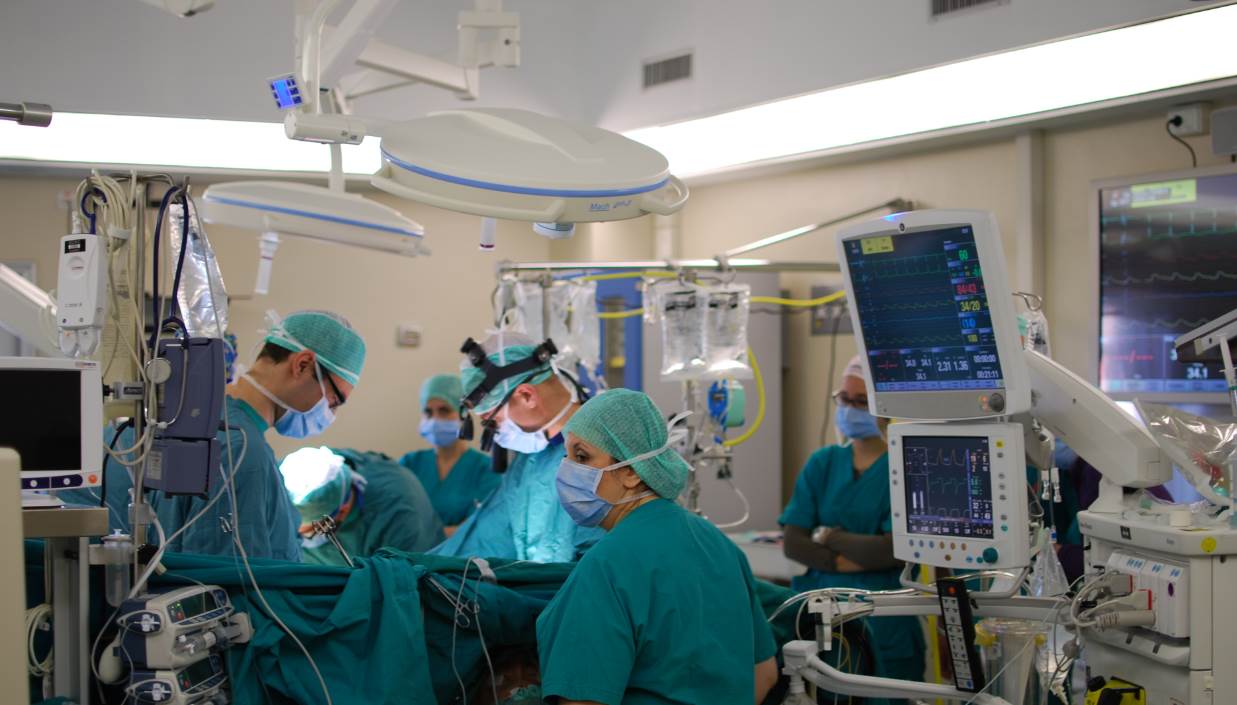
Surgery is a medical specialty that uses various techniques to diagnose or treat conditions such as trauma, disease, injury, and malignancy. It can also be used to alter bodily functions, reconstruct or alter aesthetics and appearance, or remove unwanted tissues and foreign bodies. The act of performing surgery is called a surgical procedure or operation, and it typically requires a surgical team consisting of a surgeon, surgical assistant, and other medical professionals. According to the World Health Organization (WHO), approximately 234 million major surgical procedures are performed worldwide each year, with the majority being elective surgeries. The American College of Surgeons (ACS) reports that the demand for surgical services is increasing due to the growing and aging population. As of 2022, the global surgery market size was valued at $1.4 billion and is expected to grow at a compound annual growth rate (CAGR) of 7.1% from 2023 to 2030. The Centers for Disease Control and Prevention (CDC) states that surgical site infections (SSIs) are a significant concern, with an estimated 160,000 to 300,000 SSIs occurring in the United States each year. The Mayo Clinic notes that advances in surgical technology, such as robotic surgery and minimally invasive procedures, have improved patient outcomes and reduced recovery times.
🎯 Origins & History
Surgery has a long and fascinating history, with evidence of surgical procedures dating back to ancient civilizations such as Egypt, Greece, and Rome. The earliest recorded surgical procedures include trephining, a form of skull surgery, and laparotomy, a procedure to open the abdominal cavity. The development of modern surgery is attributed to the work of pioneers such as Joseph Lister, who introduced the concept of antisepsis, and William Halsted, who developed the first surgical residency program. The American Medical Association (AMA) and the American College of Surgeons (ACS) have played significant roles in shaping the field of surgery. For example, the ACS has established guidelines for surgical education and training, while the AMA has advocated for patient safety and quality care.
⚙️ How It Works
The process of performing surgery involves a range of techniques and instruments, from basic suturing and stapling to advanced robotic and minimally invasive procedures. Surgical teams typically consist of a surgeon, surgical assistant, anesthesiologist, and other medical professionals, such as nurses and technicians. The surgical process begins with preoperative preparation, including patient evaluation, anesthesia administration, and surgical site preparation. The actual surgical procedure is then performed, followed by postoperative care and recovery. The Mayo Clinic and the Cleveland Clinic are renowned for their expertise in surgical procedures, including robotic surgery and minimally invasive surgery.
📊 Key Facts & Numbers
Some key facts and numbers about surgery include: approximately 234 million major surgical procedures are performed worldwide each year, with the majority being elective surgeries. The global surgery market size was valued at $1.4 billion in 2022 and is expected to grow at a CAGR of 7.1% from 2023 to 2030. The demand for surgical services is increasing due to the growing and aging population, with the CDC reporting that surgical site infections (SSIs) are a significant concern, with an estimated 160,000 to 300,000 SSIs occurring in the United States each year. The WHO and the CDC have implemented initiatives to improve surgical safety and reduce SSIs. For instance, the WHO's Surgical Safety Checklist has been widely adopted to ensure that surgical teams follow standardized protocols.
👥 Key People & Organizations
Key people and organizations in the field of surgery include American College of Surgeons (ACS), American Medical Association (AMA), and the World Health Organization (WHO). These organizations play a crucial role in shaping the field of surgery, from establishing guidelines and standards to advocating for patient safety and quality care. The ACS, for example, has developed guidelines for surgical education and training, while the AMA has advocated for patient safety and quality care. Additionally, surgeons such as Dr. Oz and Sanjay Gupta have raised awareness about the importance of surgical safety and quality care.
🌍 Cultural Impact & Influence
Surgery has had a significant cultural impact and influence, from the development of new medical specialties and subspecialties to the creation of new technologies and instruments. The field of surgery has also been influenced by advances in other fields, such as materials science and computer science. For example, the development of 3D printing technology has enabled the creation of customized surgical implants and instruments. The cultural impact of surgery can also be seen in the way it has been portrayed in popular media, such as in TV shows like Grey's Anatomy and movies like The Doctor.
⚡ Current State & Latest Developments
The current state of surgery is characterized by ongoing advances in technology, techniques, and patient care. Recent developments include the use of artificial intelligence (AI) and machine learning (ML) in surgical decision-making, as well as the increasing use of robotic surgery and minimally invasive procedures. The COVID-19 pandemic has also highlighted the importance of surgical safety and quality care, with the CDC and WHO issuing guidelines for surgical teams to follow during the pandemic. As of 2023, the FDA has approved several new surgical devices, including the Da Vinci Surgical System.
🤔 Controversies & Debates
Despite the many advances in surgery, there are still controversies and debates in the field. Some of the current debates include the use of single-incision laparoscopic surgery (SILS) versus traditional laparoscopic surgery, as well as the role of robotic surgery in certain procedures. The American College of Surgeons (ACS) and the Society of American Gastrointestinal and Endoscopic Surgeons (SAGES) have issued statements on the use of SILS and robotic surgery. Additionally, there are ongoing discussions about the ethics of cosmetic surgery and the impact of social media on patient expectations and decision-making.
🔮 Future Outlook & Predictions
Looking to the future, surgery is likely to continue to evolve and advance, with ongoing developments in technology, techniques, and patient care. Some potential future developments include the use of virtual reality (VR) and augmented reality (AR) in surgical training and education, as well as the increasing use of personalized medicine and genomics in surgical decision-making. The National Institutes of Health (NIH) has funded research on the use of VR and AR in surgical training, while the Mayo Clinic has established a center for personalized medicine. As of 2025, the global surgery market is expected to reach $2.5 billion, with the majority of growth coming from the Asia-Pacific region.
💡 Practical Applications
Surgery has many practical applications, from the treatment of acute injuries and illnesses to the management of chronic conditions and diseases. Surgical procedures can be used to repair or replace damaged tissues and organs, as well as to remove unwanted tissues and foreign bodies. The Mayo Clinic and the Cleveland Clinic offer a range of surgical services, including cardiovascular surgery and neurosurgery. Additionally, surgery can be used to improve aesthetics and appearance, such as in cosmetic surgery procedures. The American Society of Plastic Surgeons (ASPS) reports that the demand for cosmetic surgery is increasing, with over 13 million procedures performed in the United States in 2022.
Key Facts
- Year
- 2023
- Origin
- Ancient civilizations
- Category
- chronic-conditions
- Type
- concept
Frequently Asked Questions
What is surgery?
Surgery is a medical specialty that uses manual and instrumental techniques to diagnose or treat pathological conditions. It can be used to repair or replace damaged tissues and organs, as well as to remove unwanted tissues and foreign bodies. According to the WHO, surgery is a critical component of healthcare, with approximately 234 million major surgical procedures performed worldwide each year.
What are the different types of surgery?
There are several types of surgery, including elective surgery, emergency surgery, and reconstructive surgery. Elective surgery is performed to treat non-life-threatening conditions, such as cosmetic surgery or joint replacement. Emergency surgery is performed to treat life-threatening conditions, such as appendicitis or trauma. Reconstructive surgery is performed to repair or replace damaged tissues and organs, such as skin grafts or organ transplants. The American College of Surgeons (ACS) provides guidelines for surgical procedures, including the use of SILS and robotic surgery.
What are the risks and benefits of surgery?
The risks and benefits of surgery vary depending on the type of procedure and the individual patient. Some common risks of surgery include infection, bleeding, and reaction to anesthesia. Benefits of surgery include the treatment of pathological conditions, the repair or replacement of damaged tissues and organs, and the improvement of aesthetics and appearance. The CDC reports that surgical site infections (SSIs) are a significant concern, with an estimated 160,000 to 300,000 SSIs occurring in the United States each year. The Mayo Clinic notes that advances in surgical technology, such as robotic surgery and minimally invasive surgery, have improved patient outcomes and reduced recovery times.
How has surgery evolved over time?
Surgery has evolved significantly over time, from the early days of trephining and laparotomy to the modern advances in technology, techniques, and patient care. The development of antisepsis and anesthesia has greatly improved patient safety and outcomes. The use of robotic surgery and minimally invasive procedures has also increased, allowing for less invasive and more precise procedures. The WHO and the CDC have implemented initiatives to improve surgical safety and reduce SSIs. As of 2023, the global surgery market is expected to reach $1.8 billion, with the majority of growth coming from the Asia-Pacific region.
What is the future of surgery?
The future of surgery is likely to be shaped by ongoing advances in technology, techniques, and patient care. Some potential future developments include the use of virtual reality (VR) and augmented reality (AR) in surgical training and education, as well as the increasing use of personalized medicine and genomics in surgical decision-making. The National Institutes of Health (NIH) has funded research on the use of VR and AR in surgical training, while the Mayo Clinic has established a center for personalized medicine. As of 2025, the global surgery market is expected to reach $2.5 billion, with the majority of growth coming from the Asia-Pacific region.
How has surgery impacted society?
Surgery has had a significant impact on society, from the treatment of acute injuries and illnesses to the management of chronic conditions and diseases. The development of new surgical technologies and instruments has also driven innovation and economic growth. The cultural impact of surgery can also be seen in the way it has been portrayed in popular media, such as in TV shows like Grey's Anatomy and movies like The Doctor. The American College of Surgeons (ACS) and the Society of American Gastrointestinal and Endoscopic Surgeons (SAGES) have issued statements on the use of SILS and robotic surgery.
What are the current challenges in surgery?
Some of the current challenges in surgery include the ongoing debate about the use of single-incision laparoscopic surgery (SILS) versus traditional laparoscopic surgery, as well as the role of robotic surgery in certain procedures. The ethics of cosmetic surgery is also a topic of ongoing debate. The CDC and the WHO have issued guidelines for surgical teams to follow during the COVID-19 pandemic. As of 2023, the global surgery market is expected to reach $1.8 billion, with the majority of growth coming from the Asia-Pacific region. The Mayo Clinic and the Cleveland Clinic are renowned for their expertise in surgical procedures, including robotic surgery and minimally invasive surgery.