
Contents
- 🌎 Introduction to Physical Geography
- 🌟 Branches of Geography: Understanding the Differences
- 🌍 The Natural Environment: Components and Interactions
- 🌊 The Hydrosphere: Oceans, Lakes, and Rivers
- 🌄 The Atmosphere: Climate, Weather, and Air Quality
- 🏔️ The Geosphere: Landforms, Plate Tectonics, and Earthquakes
- 🌿 The Biosphere: Ecosystems, Biodiversity, and Conservation
- 📊 Technical Geography: Tools and Methods for Spatial Analysis
- 🌈 Human Geography: The Built Environment and Its Impact
- 🤝 Overlap and Interconnections: Integrating the Branches of Geography
- 🌟 Applications of Physical Geography: Real-World Implications
- 🌐 Future Directions: Emerging Trends and Challenges in Physical Geography
- Frequently Asked Questions
- Related Topics
Overview
Physical geography is the study of the Earth's physical systems, including landforms, climate, water, and ecosystems. It encompasses various disciplines such as geology, meteorology, and ecology, to understand the complex interactions between the Earth's lithosphere, atmosphere, hydrosphere, and biosphere. The field has a rich history, dating back to ancient Greek philosophers like Aristotle and Eratosthenes, who made significant contributions to the understanding of the Earth's shape, size, and climate. Today, physical geographers use advanced technologies like remote sensing, GIS, and modeling to analyze and predict environmental phenomena, such as climate change, natural hazards, and biodiversity loss. With a vibe score of 8, physical geography is a vital field that informs decision-making in areas like conservation, urban planning, and disaster risk reduction. As the Earth's population continues to grow, understanding the dynamics of our planet is crucial for mitigating the impacts of human activities on the environment and ensuring a sustainable future.
🌎 Introduction to Physical Geography
Physical geography is a vital branch of natural science that deals with the processes and patterns in the natural environment, including the atmosphere, hydrosphere, biosphere, and geosphere. This field of study is essential for understanding the complex systems that shape our planet and impact human societies. Physical geography is one of the three main branches of geography, along with human geography and technical geography. The focus of physical geography is on the natural environment, which is in contrast to human geography, which focuses on the built environment.
🌟 Branches of Geography: Understanding the Differences
The three branches of geography have significant overlap, and physical geography is no exception. It draws on concepts and methods from human geography and technical geography to understand the natural environment and its interactions with human societies. For example, physical geographers may use geographic information systems (GIS) to analyze and interpret spatial data, which is a key tool in technical geography. Meanwhile, human geographers may study the impact of natural environmental factors on human settlements and urban planning.
🌍 The Natural Environment: Components and Interactions
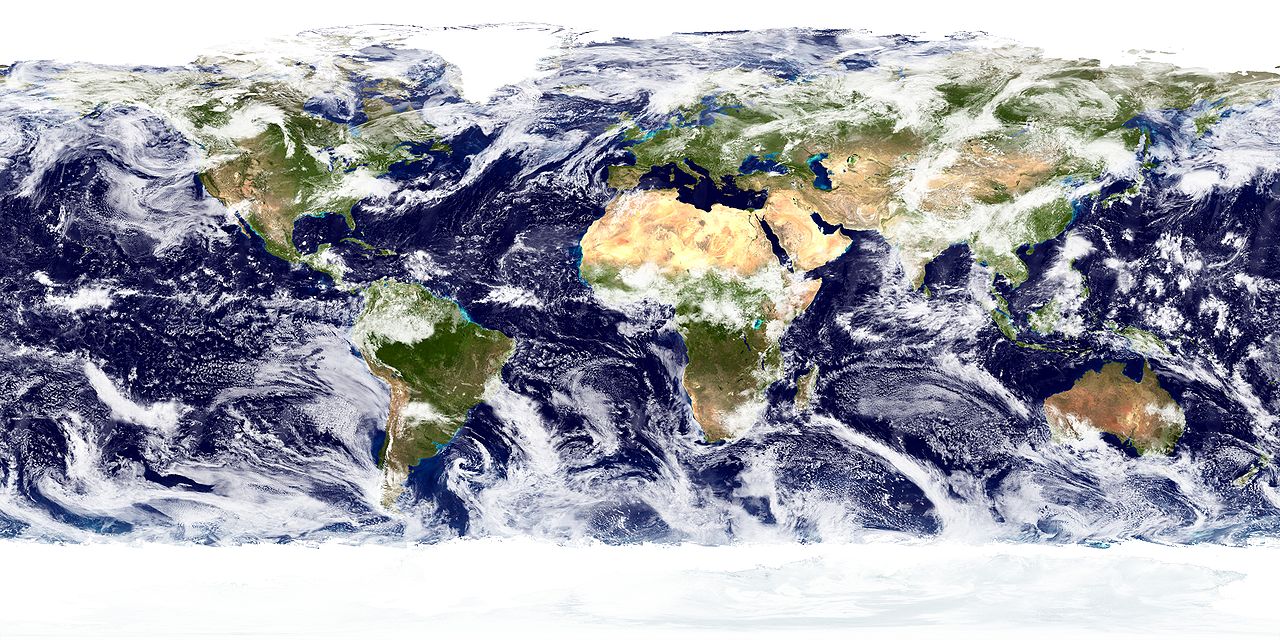
The natural environment is composed of several components, including the atmosphere, hydrosphere, biosphere, and geosphere. These components interact and influence one another, shaping the complex systems that govern our planet. The atmosphere is the layer of gases that surrounds the Earth, while the hydrosphere includes all of the planet's water, from oceans and lakes to rivers and groundwater. The biosphere is the zone of life, where plants and animals interact with their environment, and the geosphere is the solid Earth, including the crust, mantle, and core.
🌊 The Hydrosphere: Oceans, Lakes, and Rivers
The hydrosphere is a critical component of the natural environment, covering over 70% of the Earth's surface. It includes oceans, lakes, rivers, and groundwater, and plays a vital role in regulating the planet's climate and weather patterns. The ocean is the largest component of the hydrosphere, covering over 90% of the Earth's surface, and is home to a vast array of marine life. The water cycle is the process by which water is circulated between the hydrosphere and the atmosphere, and is essential for maintaining life on Earth.
🌄 The Atmosphere: Climate, Weather, and Air Quality
The atmosphere is the layer of gases that surrounds the Earth, and is essential for supporting life. It is composed of a mixture of gases, including nitrogen, oxygen, and carbon dioxide, and plays a critical role in regulating the planet's climate and weather patterns. The atmosphere is also home to a range of atmospheric phenomena, including clouds, fog, and storms. Understanding the atmosphere is essential for predicting weather patterns and mitigating the impacts of climate change.
🏔️ The Geosphere: Landforms, Plate Tectonics, and Earthquakes
The geosphere is the solid Earth, including the crust, mantle, and core. It is the foundation of the natural environment, and plays a critical role in shaping the planet's surface. The geosphere is dynamic, with plate tectonics driving the movement of the Earth's crust and shaping the landscape. This process is responsible for creating mountains, volcanoes, and earthquakes, and has a profound impact on the natural environment and human societies.
🌿 The Biosphere: Ecosystems, Biodiversity, and Conservation
The biosphere is the zone of life, where plants and animals interact with their environment. It is a complex and dynamic system, with a vast array of ecosystems and species. The biosphere is essential for supporting life on Earth, and plays a critical role in regulating the planet's climate and weather patterns. However, the biosphere is facing a range of threats, including deforestation, habitat destruction, and climate change, which are having a profound impact on ecosystems and biodiversity.
📊 Technical Geography: Tools and Methods for Spatial Analysis
Technical geography is a branch of geography that focuses on using, studying, and creating tools to obtain, analyze, interpret, and understand spatial information. It draws on concepts and methods from physical geography and human geography to develop new technologies and methods for spatial analysis. Geographic information systems (GIS) are a key tool in technical geography, allowing users to analyze and interpret spatial data and create detailed maps and models.
🌈 Human Geography: The Built Environment and Its Impact
Human geography is the branch of geography that focuses on the built environment and its impact on human societies. It draws on concepts and methods from physical geography and technical geography to understand the complex relationships between people, places, and environments. Human geographers may study topics such as urban planning, transportation, and economic development, and may use a range of methods, including GIS and remote sensing.
🤝 Overlap and Interconnections: Integrating the Branches of Geography
The branches of geography are interconnected, and physical geography is no exception. It draws on concepts and methods from human geography and technical geography to understand the natural environment and its interactions with human societies. Meanwhile, human geographers may study the impact of natural environmental factors on human settlements and urban planning. By integrating the branches of geography, researchers and practitioners can gain a deeper understanding of the complex systems that shape our planet and impact human societies.
🌟 Applications of Physical Geography: Real-World Implications
Physical geography has a range of real-world implications, from natural hazard mitigation to environmental conservation. By understanding the natural environment and its interactions with human societies, physical geographers can inform policy and decision-making, and contribute to the development of more sustainable and resilient communities. For example, physical geographers may study the impacts of climate change on coastal communities, and develop strategies for coastal management and disaster risk reduction.
🌐 Future Directions: Emerging Trends and Challenges in Physical Geography
The field of physical geography is constantly evolving, with new technologies and methods emerging all the time. For example, remote sensing and GIS are allowing physical geographers to analyze and interpret spatial data in new and innovative ways. Meanwhile, the development of new technologies such as drones and satellite imagery is opening up new opportunities for data collection and analysis. As the field continues to evolve, physical geographers will play a critical role in understanding and addressing the complex environmental challenges facing our planet.
Key Facts
- Year
- 2023
- Origin
- Ancient Greece
- Category
- Environmental Science
- Type
- Scientific Discipline
Frequently Asked Questions
What is physical geography?
Physical geography is a branch of natural science that deals with the processes and patterns in the natural environment, including the atmosphere, hydrosphere, biosphere, and geosphere. It is one of the three main branches of geography, along with human geography and technical geography.
What are the components of the natural environment?
The natural environment is composed of several components, including the atmosphere, hydrosphere, biosphere, and geosphere. These components interact and influence one another, shaping the complex systems that govern our planet.
What is the difference between physical geography and human geography?
Physical geography focuses on the natural environment, while human geography focuses on the built environment and its impact on human societies. However, the two branches are interconnected, and physical geographers may study the impact of natural environmental factors on human settlements and urban planning.
What are some of the real-world implications of physical geography?
Physical geography has a range of real-world implications, from natural hazard mitigation to environmental conservation. By understanding the natural environment and its interactions with human societies, physical geographers can inform policy and decision-making, and contribute to the development of more sustainable and resilient communities.
How is physical geography used in everyday life?
Physical geography is used in a range of everyday applications, from weather forecasting to urban planning. It is also used in emergency management, environmental conservation, and natural resource management. By understanding the natural environment and its interactions with human societies, physical geographers can help to create more sustainable and resilient communities.
What are some of the emerging trends and challenges in physical geography?
Some of the emerging trends and challenges in physical geography include the development of new technologies such as remote sensing and GIS, the impact of climate change on natural systems, and the need for more sustainable and resilient communities. Physical geographers will play a critical role in understanding and addressing these challenges, and in developing new solutions and strategies for a more sustainable future.
How does physical geography relate to other fields of study?
Physical geography is an interdisciplinary field that draws on concepts and methods from a range of other fields, including environmental science, ecology, geology, and sociology. It is also closely related to other branches of geography, including human geography and technical geography.