
Contents
- 🏔️ Introduction to Mountains
- 🌎 Geological Formation
- 🏃♂️ Mountain Classification
- 📏 Height and Elevation
- 🏔️ Mountain Ranges
- 🌄 Cultural Significance
- 🏞️ Environmental Impact
- 🚨 Natural Hazards
- 👥 Human Exploration
- 🔮 Conservation Efforts
- 📊 Economic Importance
- 🔍 Future of Mountains
- Frequently Asked Questions
- Related Topics
Overview
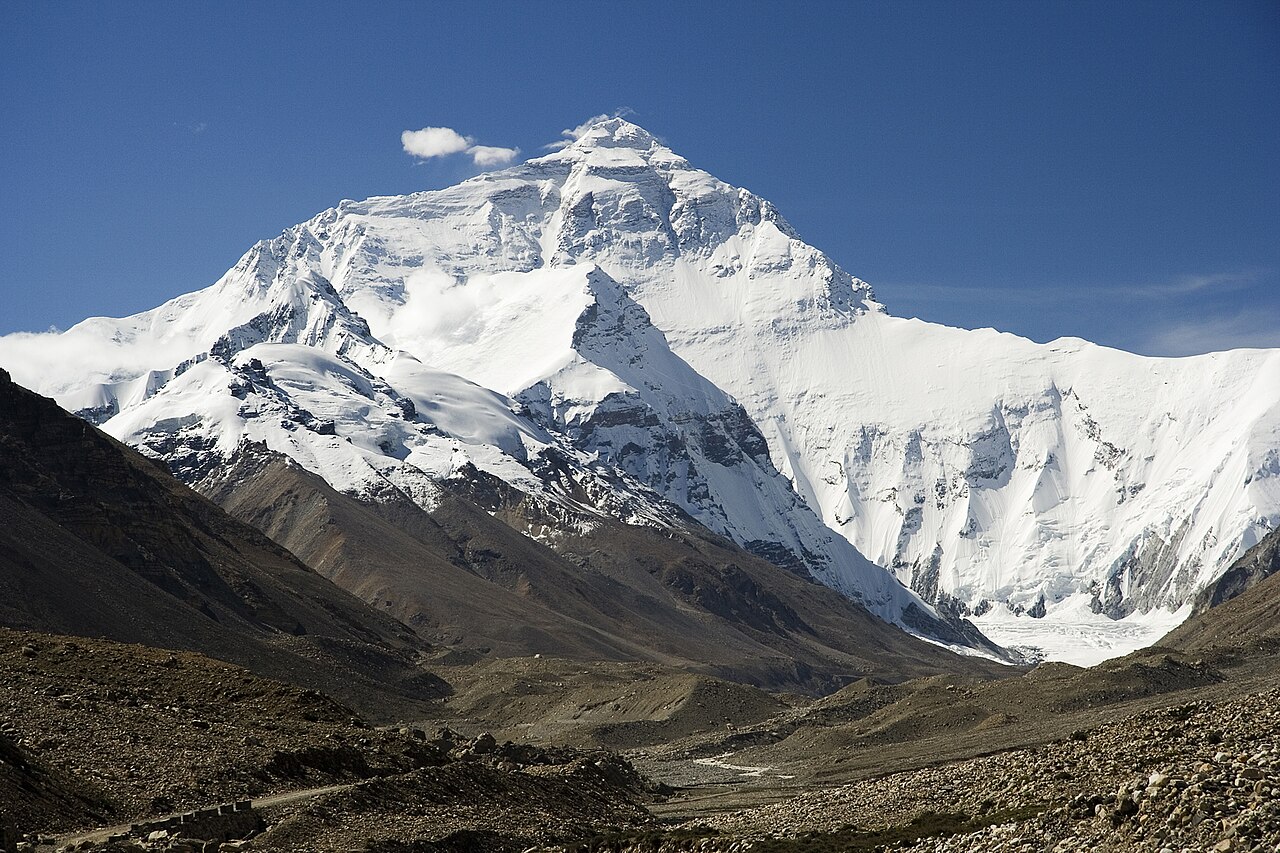
Mountains have been a source of awe, inspiration, and conflict throughout human history. The Himalayas, formed around 50 million years ago, are home to the highest peak on Earth, Mount Everest, which stands at 8,848 meters. The Andes mountain range, stretching over 7,000 kilometers, is not only the longest mountain range in the world but also a hub for biodiversity and mineral resources. Mountains have been revered in various cultures, such as in Japan where Mount Fuji is considered a sacred symbol, and they have also been the focal point of environmental concerns, including deforestation, mining, and climate change. The controversy surrounding mountain development, such as the construction of ski resorts and dams, highlights the tension between economic growth and environmental preservation. With a vibe score of 8, mountains continue to captivate human imagination, sparking debates about their role in shaping our ecosystems, cultures, and economies.
🏔️ Introduction to Mountains
Mountains have been a source of fascination for humans throughout history, with their rugged beauty and majesty inspiring countless works of art, literature, and music. As we explore the world of mountains, we must consider the geological processes that shape them, such as plate tectonics and weathering. The study of mountains is closely tied to the field of geology, which seeks to understand the Earth's physical structure and composition. For example, the Himalayan mountain range is a result of the collision between the Indian and Eurasian tectonic plates. Additionally, mountains play a crucial role in shaping our environment, with their unique ecosystems supporting a wide range of plant and animal species, as seen in the Andes mountain range.
🌎 Geological Formation
The geological formation of mountains is a complex process that involves the movement of tectonic plates, volcanic activity, and erosion. The process of orogenesis is responsible for the creation of mountain ranges, as the Earth's crust is pushed upwards to form peaks and valleys. This process can be seen in the formation of the Rocky Mountains, which were created through a combination of tectonic uplift and volcanic activity. The resulting landscape is shaped by erosion and weathering, which wear down the rocks and create new landforms. For instance, the Grand Canyon is a prime example of erosion, where the Colorado River has carved out a massive canyon over millions of years. Furthermore, mountains are also home to a wide range of mineral resources, including metals and gems, which are extracted through mining operations.
🏃♂️ Mountain Classification
Mountains can be classified into different types based on their geological characteristics, such as their age, composition, and structure. The most common classification system is based on the height and elevation of the mountain, with hills being smaller than mountains. However, there is no universally accepted definition of a mountain, and different countries and cultures have their own criteria for what constitutes a mountain. For example, the Appalachian Mountains are considered a mature mountain range, with a long history of erosion and weathering. In contrast, the Sierra Nevada mountain range is considered a young and active range, with ongoing tectonic activity and volcanic eruptions. Additionally, mountains can also be classified based on their ecosystem, with different types of vegetation and wildlife supporting unique and diverse ecosystems.
📏 Height and Elevation
The height and elevation of a mountain are critical factors in determining its classification and characteristics. Mountains are generally considered to be higher than hills, with a minimum height requirement of 300 m (984 ft) above the surrounding land. However, the exact definition of a mountain can vary depending on the context and location. For example, the Mount Everest is the highest mountain in the world, with a peak elevation of over 8,800 meters (29,000 ft) above sea level. In contrast, the Ozark Mountains are a lower-lying range, with average elevations of around 300-600 meters (1,000-2,000 ft) above sea level. Furthermore, mountains can also be classified based on their topography, with different types of landforms and features supporting unique and diverse ecosystems.
🏔️ Mountain Ranges
Mountain ranges are groups of mountains that are connected by a common geological history and structure. These ranges can be formed through a variety of processes, including tectonic uplift, volcanic activity, and erosion. The Andes mountain range is an example of a mountain range that was formed through the subduction of the Nazca plate under the South American plate. In contrast, the Himalayan mountain range was formed through the collision between the Indian and Eurasian tectonic plates. Mountain ranges can also be classified based on their orientation, with different types of ranges supporting unique and diverse ecosystems. For example, the Rocky Mountains are a north-south oriented range, while the Appalachian Mountains are an east-west oriented range.
🌄 Cultural Significance
Mountains have a profound cultural significance, with many societies and cultures revering them as sacred or spiritual places. The Himalayan mountain range is home to many sacred peaks, including Mount Everest and K2. In contrast, the Andes mountain range is home to many indigenous cultures, including the Inca and Quechua peoples. Mountains have also been a source of inspiration for artists, writers, and musicians, with many famous works of art and literature featuring mountains as a central theme. For example, the Romantic movement in art and literature often featured mountains as a symbol of beauty and power. Additionally, mountains have also played a significant role in the development of religion and spirituality, with many mountains being considered sacred or holy sites.
🏞️ Environmental Impact
Mountains have a significant environmental impact, with their unique ecosystems supporting a wide range of plant and animal species. The Andes mountain range is home to many unique and diverse ecosystems, including cloud forests and alpine tundra. In contrast, the Himalayan mountain range is home to many endangered species, including the snow leopard and red panda. Mountains are also an important source of freshwater, with many rivers and streams originating in the mountains. However, mountains are also vulnerable to environmental degradation, including deforestation, soil erosion, and climate change. For example, the Amazon rainforest is being threatened by deforestation and climate change, which could have significant impacts on the environment and ecosystems.
🚨 Natural Hazards
Mountains are also home to many natural hazards, including avalanches, landslides, and earthquakes. The Himalayan mountain range is prone to earthquakes, with many significant earthquakes occurring in the region. In contrast, the Rocky Mountains are prone to avalanches, with many ski resorts and mountain towns located in the region. Mountains can also be affected by climate change, with rising temperatures and changing precipitation patterns altering the ecosystems and habitats of many plant and animal species. For example, the polar bear is being threatened by climate change, which is melting its sea ice habitats and reducing its access to food. Additionally, mountains can also be affected by human impact, including mining, logging, and tourism.
👥 Human Exploration
Humans have been exploring mountains for centuries, with many cultures and societies revering them as sacred or spiritual places. The Himalayan mountain range has been a source of fascination for many explorers and adventurers, including George Mallory and Andrew Irvine. In contrast, the Andes mountain range has been home to many indigenous cultures, including the Inca and Quechua peoples. Mountains have also been a source of inspiration for artists, writers, and musicians, with many famous works of art and literature featuring mountains as a central theme. For example, the Romantic movement in art and literature often featured mountains as a symbol of beauty and power. Additionally, mountains have also played a significant role in the development of science and technology, with many scientific discoveries and technological advancements being made in the mountains.
🔮 Conservation Efforts
Conservation efforts are essential for protecting the unique ecosystems and habitats of mountains. The Andes mountain range is home to many unique and diverse ecosystems, including cloud forests and alpine tundra. In contrast, the Himalayan mountain range is home to many endangered species, including the snow leopard and red panda. Mountains are also an important source of freshwater, with many rivers and streams originating in the mountains. However, mountains are also vulnerable to environmental degradation, including deforestation, soil erosion, and climate change. For example, the Amazon rainforest is being threatened by deforestation and climate change, which could have significant impacts on the environment and ecosystems. Additionally, mountains can also be protected through the establishment of national parks and protected areas, which can help to conserve and protect the unique ecosystems and habitats of mountains.
📊 Economic Importance
Mountains have significant economic importance, with many industries and activities relying on the natural resources and ecosystems of mountains. The mining industry is a significant contributor to the economy of many mountainous regions, with many valuable minerals and metals being extracted from the mountains. In contrast, the tourism industry is also a significant contributor to the economy of many mountainous regions, with many people visiting the mountains for recreational activities such as hiking, skiing, and climbing. Mountains are also an important source of freshwater, with many rivers and streams originating in the mountains. However, mountains are also vulnerable to environmental degradation, including deforestation, soil erosion, and climate change. For example, the Amazon rainforest is being threatened by deforestation and climate change, which could have significant impacts on the environment and ecosystems.
🔍 Future of Mountains
The future of mountains is uncertain, with many challenges and opportunities facing these unique ecosystems. The Andes mountain range is home to many unique and diverse ecosystems, including cloud forests and alpine tundra. In contrast, the Himalayan mountain range is home to many endangered species, including the snow leopard and red panda. Mountains are also an important source of freshwater, with many rivers and streams originating in the mountains. However, mountains are also vulnerable to environmental degradation, including deforestation, soil erosion, and climate change. For example, the Amazon rainforest is being threatened by deforestation and climate change, which could have significant impacts on the environment and ecosystems. Additionally, mountains can also be protected through the establishment of national parks and protected areas, which can help to conserve and protect the unique ecosystems and habitats of mountains.
Key Facts
- Year
- 50 million years ago (formation of the Himalayas)
- Origin
- Tectonic Plate Movement
- Category
- Geology, Environment, Culture
- Type
- Natural Landform
Frequently Asked Questions
What is the definition of a mountain?
A mountain is an elevated portion of the surface of a planet, generally with steep sides that show significant exposed bedrock. Although there are no universally accepted definitions, a mountain is usually considered higher than a hill. Minimum height requirements range from 300 m (984 ft) above the surrounding land, 610 m (2,001 ft) above sea level and average elevations between 1,000 m (3,281 ft) and 3,500 m (11,483 ft) or higher.
What are the different types of mountains?
Mountains can be classified into different types based on their geological characteristics, such as their age, composition, and structure. The most common classification system is based on the height and elevation of the mountain, with hills being smaller than mountains. However, there is no universally accepted definition of a mountain, and different countries and cultures have their own criteria for what constitutes a mountain.
What is the cultural significance of mountains?
Mountains have a profound cultural significance, with many societies and cultures revering them as sacred or spiritual places. The Himalayan mountain range is home to many sacred peaks, including Mount Everest and K2. In contrast, the Andes mountain range is home to many indigenous cultures, including the Inca and Quechua peoples. Mountains have also been a source of inspiration for artists, writers, and musicians, with many famous works of art and literature featuring mountains as a central theme.
What are the environmental impacts of mountains?
Mountains have a significant environmental impact, with their unique ecosystems supporting a wide range of plant and animal species. The Andes mountain range is home to many unique and diverse ecosystems, including cloud forests and alpine tundra. However, mountains are also vulnerable to environmental degradation, including deforestation, soil erosion, and climate change. For example, the Amazon rainforest is being threatened by deforestation and climate change, which could have significant impacts on the environment and ecosystems.
What are the economic importance of mountains?
Mountains have significant economic importance, with many industries and activities relying on the natural resources and ecosystems of mountains. The mining industry is a significant contributor to the economy of many mountainous regions, with many valuable minerals and metals being extracted from the mountains. In contrast, the tourism industry is also a significant contributor to the economy of many mountainous regions, with many people visiting the mountains for recreational activities such as hiking, skiing, and climbing.
What is the future of mountains?
The future of mountains is uncertain, with many challenges and opportunities facing these unique ecosystems. The Andes mountain range is home to many unique and diverse ecosystems, including cloud forests and alpine tundra. However, mountains are also vulnerable to environmental degradation, including deforestation, soil erosion, and climate change. For example, the Amazon rainforest is being threatened by deforestation and climate change, which could have significant impacts on the environment and ecosystems. Additionally, mountains can also be protected through the establishment of national parks and protected areas, which can help to conserve and protect the unique ecosystems and habitats of mountains.
How can we conserve and protect mountains?
Conservation efforts are essential for protecting the unique ecosystems and habitats of mountains. The establishment of national parks and protected areas can help to conserve and protect the unique ecosystems and habitats of mountains. Additionally, sustainable tourism practices and responsible mining and logging practices can also help to reduce the environmental impacts of human activities on mountains. Furthermore, education and awareness-raising efforts can also help to promote the importance of mountain conservation and protection.